[vc_row el_class=”td_classic_blog_home”][vc_column][vc_column_text]As the world fears rising energy prices following the ongoing U.S.-Israeli strikes on Iran, and the shutdown of a key Middle Eastern oil trade corridor, an unexpected supplier is helping to provide alternative crude supplies – Venezuela.
Since the United States intervention in Venezuela on January 3, President Trump has moved quickly to take control of the South American country’s oil industry. Now, it appears that these Venezuelan oil supplies may be vital for counteracting the global shortages caused by the U.S.-Israeli attacks on Iran and the subsequent closure of the Strait of Hormuz.
U.S. Involvement in Venezuela’s Oil Industry
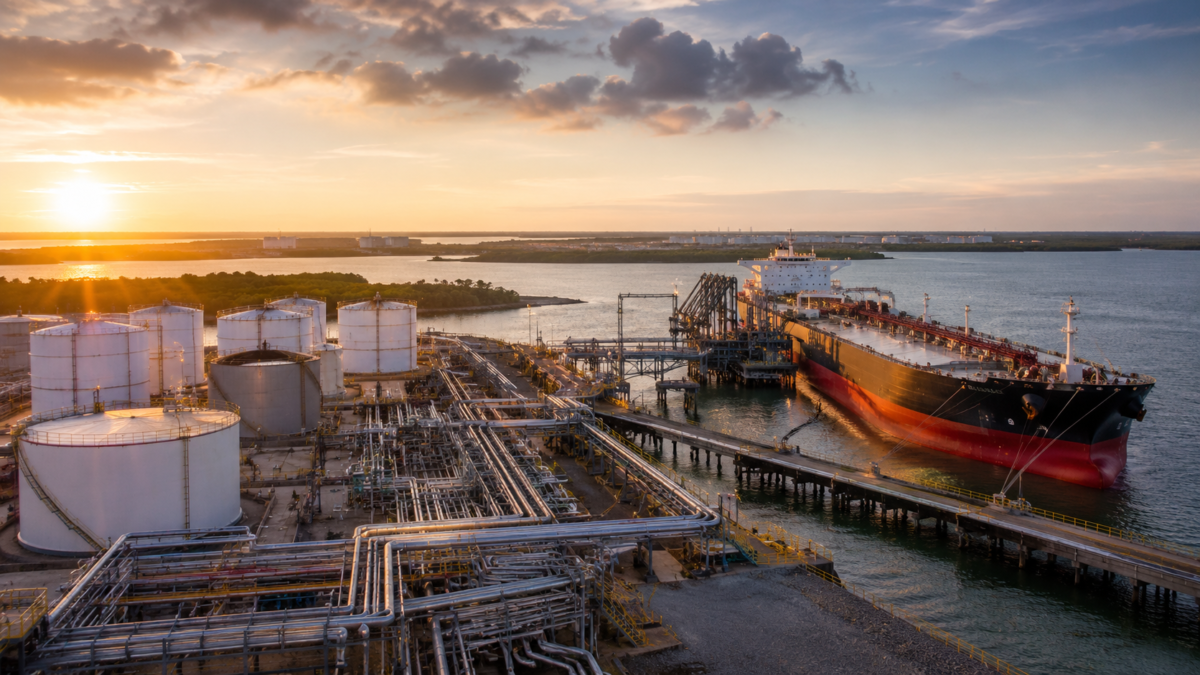
In late February, President Trump said that the United States had received “more than 80 million barrels of oil” from Venezuela, referring to the South American country as “our new friend and partner”. This followed news from the Pentagon that U.S. forces had captured a third sanctioned oil tanker, known as Bertha, in the Indian Ocean.
Bertha was one of 16 oil tankers that fled from Venezuela after the U.S intervention, according to news reports. U.S. forces had tracked the ship, which was carrying 1.9 million barrels of Merey 16 crude, from the Caribbean to the Indian Ocean.
Following the U.S. operation in Venezuela in January, the Trump administration pledged to open Venezuela’s oil industry to U.S. oil firms, including Chevron, Exxon Mobil, and ConocoPhillips.
U.S. imports of Venezuelan crude have increased to their highest level in over a year since the intervention. Over 24 tankers have been tracked carrying Venezuelan oil to the U.S. Gulf Coast since early January, which are thought to have transported over 280,000 barrels per day (bpd) of crude. Trump plans to increase imports of Venezuelan crude even further, as he encourages U.S. oil firms to invest $100 billion in Venezuela to support the development of its oil industry.
Venezuela Boosts Oil Exports to the United States
Greater oil production in Venezuela could help to counterbalance the restrictions on crude moving through the Middle East, caused by the total shutdown of the Strait of Hormuz oil trade corridor. During the ongoing attacks on Iran, Israel has targeted Iran’s oil facilities, which could also affect regional oil supplies.
The extra-heavy crude produced in Venezuela is typically cheaper than the light, sweet oil produced in the United States, making it highly attractive. Now that the Trump administration has eased sanctions on Venezuelan energy, more U.S. refiners are looking to import crude from the country.
In addition to helping fill the gap that was created from the Strait of Hormuz closure, Venezuelan crude may even displace some U.S. production, as well as that from Canada and Mexico, due to its competitive pricing. This will likely drive domestic producers to seek new foreign markets to which they can offload their supplies.
Francisco Monaldi, the director of the Latin America Energy Program at Rice University’s Baker Institute for Public Policy, explained, “The refineries had changed over the years their diet to a much lighter-oil diet because of the lack of Venezuelan heavy oil… If you have tons of availability for heavy, as is currently the case, you could move back into a more heavy diet.”
The U.S. oil refiner Valero has used around 240,000 bpd of Venezuelan crude in the past and could begin to process higher quantities again moving forward. Marathon Petroleum also has the capacity to pivot from Canadian heavy oil supplies to Venezuelan crude if it deems it more profitable. The refinery and pipeline operator Phillips 66 has also stated its interest in processing more Venezuelan cargoes at two of its refineries.
Venezuela’s Oil Exports Shifting Paths
As the U.S. takes greater control of Venezuela’s oil industry, it has also cut off supplies to China, which had risen significantly in recent years. Venezuela was thought to be shipping an average of around 620,000 bpd to China in 2025. Vital supplies of crude from Venezuela to Cuba have also been cut off since January.
China’s oil supplies are expected to be hit even harder in the coming months, following the blow to Iran’s oil industry. China has increased its import of discount Iranian crude and LNG in recent years, while largely ignoring the U.S. sanctions on Iranian energy. It also relies heavily on imports transported via the Strait of Hormuz.
Meanwhile, supplies of Venezuelan crude to Europe have increased since January. In February, Spain was receiving an average of 106,000 bpd of Venezuelan oil, marking the highest level in a year and a half. The South American country also shipped 18,000 barrels a day to Italy, a significant increase from almost none in 2025.
With Venezuela expected to ramp up its oil and gas output, with greater participation from U.S. and other foreign fossil fuel companies, it could help to reduce the gap created following the U.S. and Israeli attack on Iran, and the subsequent closure of the Strait of Hormuz. However, due to the ongoing instability in the Middle East and the years of underinvestment in Venezuela’s oil industry, global oil and gas prices are likely to go up before they come down.
Keep In Touch with Shale Magazine
As the new era of energy unfolds, you can bet we’ll be the boots on the ground to keep you informed. Subscribe to Shale Magazine for sharp insight into the arenas that matter most to your life. And don’t forget to listen to our riveting podcast, The Energy Mixx Radio Show, where our very own Kym Bolado interviews the most extraordinary thought leaders, business innovators, and industry experts of our time.
Subscribe to get more posts from Felicity Bradstock[/vc_column_text][/vc_column][/vc_row]