[vc_row el_class=”td_classic_blog_home”][vc_column][vc_column_text css=””]A SHALE exclusive by Arun Hill, Lead Consultant, Clarivate Center for IP and Innovation Research
Innovation often reveals system pressures before markets or policy frameworks fully register them.
This creates a familiar challenge in how energy innovation is typically evaluated. Deployment volumes, capital expenditure, and policy ambition capture outcomes. These measures remain essential, but they offer limited visibility into where organisations concentrate technical effort.
Global invention activity provides a complementary perspective. Sustained R&D investment reveals where firms continue allocating technical resources to address structural system constraints. In long-cycle industries, persistence itself becomes a meaningful signal. The patent record reflects cumulative technical problem-solving decisions made over time.
These forces are visible within the Top 100 Global Innovators cohort. Across many energy systems, that tide is moving toward the coordination, integration, and efficiency constraints that increasingly govern reliability, dispatch and cost.
Artificial intelligence (AI) is becoming not only a vector of optimization, but also an emerging constraint; expanding computational demands are exerting upward pressure on electricity consumption and load management.
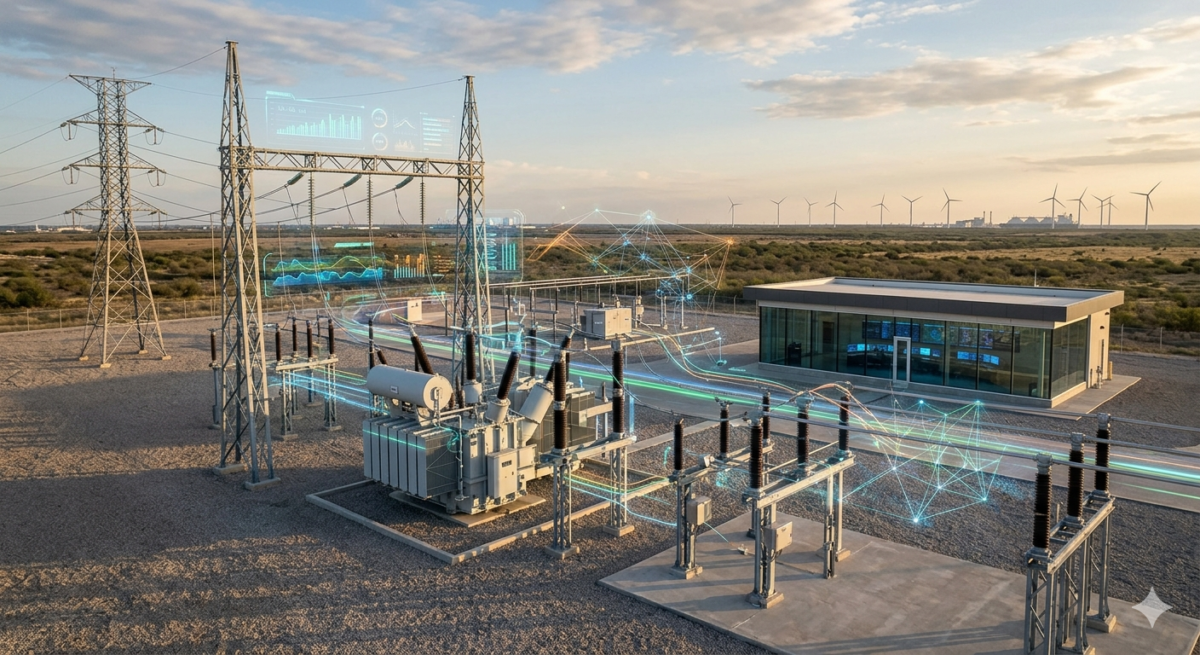
Taken together, these dynamics point to a transition defined less by the challenge of producing additional energy and more by the capacity to absorb, manage, and orchestrate what is already generated.
Across many energy systems today, technological feasibility is increasingly not the binding constraint.
Generation capacity continues to expand. Investment remains substantial. Electrification progresses across sectors. Energy can be produced, but not always delivered, absorbed, or coordinated efficiently.
What the 2026 Cohort tells us
In the 2026 edition of the Top 100 Global Innovators, the Energy and Electrical segment saw expanded representation relative to prior cycles. Seven organizations within this segment appear in the 2026 cohort: Sumitomo Electric, Saudi Aramco, Siemens Energy, Nidec, Halliburton, GE Vernova and Signify.
Viewed over time, their distribution reflects a pattern usually associated with more mature innovation ecosystems. Leadership exhibits structured churn around a relatively stable centre of gravity. Organizations such as Sumitomo Electric, Siemens Energy, and Nidec demonstrate continuity across ranking cycles, underscoring the cumulative nature of innovation advantages within enabling technologies.
Alongside this stability, there is movement. Saudi Aramco’s re-entry following a three-year hiatus provides a particularly instructive signal. In parallel with sustained investments across production, integration, and energy security domains, Aramco has expanded technical activity across areas including carbon management, hydrogen systems, and digital inspection technologies. Developments spanning carbon capture initiatives, direct air capture experimentation, and the growing deployment of autonomous inspection systems point toward portfolio diversification consistent with evolving system priorities.
GE Vernova’s inclusion similarly reflects a structural shift. Following its separation from General Electric, the organization has sharpened its strategic focus, concentrating more directly on electrification, grid systems and decarbonization technologies. This structural realignment illustrates how portfolio coherence and organisational design can influence innovation throughput positively.
Crucially, recognized innovators remain concentrated upstream within the energy ecosystem. Representation clusters around engineered systems, electrification technologies, grid equipment, power electronics, and enabling infrastructure layers, while utilities and generation providers continue to feature minimally. This distribution reflects a persistent structural feature of energy innovation: competitive differentiation increasingly resides in technologies shaping system capabilities rather than asset ownership alone.
These patterns align with wider dynamics observable across global clean energy innovation activity. Patented inventions have accelerated approximately 6.5 times since 2020. While solar and wind technologies continue to dominate by volume, faster relative expansion is increasingly evident across connective system layers, including power electronics, grid integration technologies, storage interfaces, advanced materials, waste heat recovery systems, and modular system designs.
Hydrogen technologies illustrate this particularly well. Roughly 80,000 hydrogen-related inventions disclosed in recent years, more than half concentrate upstream across production pathways, electrolysis systems, catalysts, membranes, and enabling equipment. The distribution closely mirrors known economic and physical constraints, reinforcing how innovation activity frequently maps to the resolution of efficiency, cost and infrastructure frictions rather than immediate deployment at scale.
AI as a double-edged sword
There are more than one million AI-related inventions filed, with over a quarter of those being filed in the last year. It underscores a scale and magnitude that has not been seen before. AI is no longer simply a tool for automation or analytics. It increasingly functions as a structural layer across industrial and infrastructure systems.
This expansion, however, introduces its own implications.
Computational growth is now materially intertwined with energy demand dynamics. Electricity consumption associated with digital infrastructure, particularly data centres, is projected to grow at rates exceeding overall electricity demand in several regions.
The push and pull between AI optimization and AI demand represents an emerging structural tension within energy innovation, one that continues to be tracked.
Where scale meets complexity
Taken together, the Top 100 Global Innovators 2026 and broader patterns in clean energy filings point to a subtle but meaningful shift in how innovation is being expressed.
For much of the past decade, the energy transition has been framed primarily as a capacity expansion challenge, centred on how rapidly low-carbon generation could be scaled. That emphasis remains visible.
Increasingly, however, technical effort is clustering around technologies and firms that reduce losses, improve reliability, and optimize coordination across increasingly complex infrastructures. Artificial intelligence now sits squarely within this constraint landscape, simultaneously alleviating and contributing to system pressures.
The most consequential advances may reside not in expanding energy systems, but in enabling them to perform reliably across varied economic and physical environments. This is where progress is shaped by more than breakthroughs in fundamental science.
The defining innovators of the transition may ultimately be those that reduce friction within the system rather than those that simply add capacity.

Arun Hill is a Lead Consultant at Clarivate and a contributor to the Clarivate Center for IP and Innovation Research. He holds an undergraduate degree in law and a master’s degree in information technology law from the University of Edinburgh, where his studies focused on AI and emerging technologies. Drawing on nearly a decade of experience in IP intelligence and patent analytics, Arun writes and speaks on innovation ecosystems, technology trends, IP practice, and strategy, with particular emphasis on the downstream impact of technological change on legal and IP professional workflows. He is an author of the Top 100 Global Innovators report.
Keep In Touch with Shale Magazine
As the new era of energy unfolds, you can bet we’ll be the boots on the ground to keep you informed. Subscribe to Shale Magazine for sharp insight into the arenas that matter most to your life. And don’t forget to listen to our riveting podcast, The Energy Mixx Radio Show, where our very own Kym Bolado interviews the most extraordinary thought leaders, business innovators, and industry experts of our time.[/vc_column_text][/vc_column][/vc_row][vc_row][vc_column][vc_raw_html]JTdCJTBBJTIwJTIwJTIyJTQwY29udGV4dCUyMiUzQSUyMCUyMmh0dHBzJTNBJTJGJTJGc2NoZW1hLm9yZyUyMiUyQyUwQSUyMCUyMCUyMiU0MGdyYXBoJTIyJTNBJTIwJTVCJTBBJTIwJTIwJTIwJTIwJTdCJTBBJTIwJTIwJTIwJTIwJTIwJTIwJTIyJTQwdHlwZSUyMiUzQSUyMCUyMk5ld3NNZWRpYU9yZ2FuaXphdGlvbiUyMiUyQyUwQSUyMCUyMCUyMCUyMCUyMCUyMCUyMiU0MGlkJTIyJTNBJTIwJTIyaHR0cHMlM0ElMkYlMkZzaGFsZW1hZy5jb20lMkYlMjNvcmdhbml6YXRpb24lMjIlMkMlMEElMjAlMjAlMjAlMjAlMjAlMjAlMjJuYW1lJTIyJTNBJTIwJTIyU0hBTEUlMjBPaWwlMjAlMjYlMjBHYXMlMjBCdXNpbmVzcyUyME1hZ2F6aW5lJTIyJTJDJTBBJTIwJTIwJTIwJTIwJTIwJTIwJTIydXJsJTIyJTNBJTIwJTIyaHR0cHMlM0ElMkYlMkZzaGFsZW1hZy5jb20lMjIlMkMlMEElMjAlMjAlMjAlMjAlMjAlMjAlMjJwYXJlbnRPcmdhbml6YXRpb24lMjIlM0ElMjAlN0IlMEElMjAlMjAlMjAlMjAlMjAlMjAlMjAlMjAlMjIlNDB0eXBlJTIyJTNBJTIwJTIyT3JnYW5pemF0aW9uJTIyJTJDJTBBJTIwJTIwJTIwJTIwJTIwJTIwJTIwJTIwJTIybmFtZSUyMiUzQSUyMCUyMkVuZXJneSUyME5ldHdvcmslMjBNZWRpYSUyMEdyb3VwJTIyJTBBJTIwJTIwJTIwJTIwJTIwJTIwJTdEJTJDJTBBJTIwJTIwJTIwJTIwJTIwJTIwJTIyZm91bmRlciUyMiUzQSUyMCU3QiUwQSUyMCUyMCUyMCUyMCUyMCUyMCUyMCUyMCUyMiU0MHR5cGUlMjIlM0ElMjAlMjJQZXJzb24lMjIlMkMlMEElMjAlMjAlMjAlMjAlMjAlMjAlMjAlMjAlMjJuYW1lJTIyJTNBJTIwJTIyS3ltJTIwQm9sYWRvJTIyJTJDJTBBJTIwJTIwJTIwJTIwJTIwJTIwJTIwJTIwJTIyam9iVGl0bGUlMjIlM0ElMjAlMjJDRU8lMjIlMEElMjAlMjAlMjAlMjAlMjAlMjAlN0QlMkMlMEElMjAlMjAlMjAlMjAlMjAlMjAlMjJhZGRyZXNzJTIyJTNBJTIwJTdCJTBBJTIwJTIwJTIwJTIwJTIwJTIwJTIwJTIwJTIyJTQwdHlwZSUyMiUzQSUyMCUyMlBvc3RhbEFkZHJlc3MlMjIlMkMlMEElMjAlMjAlMjAlMjAlMjAlMjAlMjAlMjAlMjJzdHJlZXRBZGRyZXNzJTIyJTNBJTIwJTIyNTE1MCUyMEJyb2Fkd2F5JTIwJTIzNDkzJTIyJTJDJTBBJTIwJTIwJTIwJTIwJTIwJTIwJTIwJTIwJTIyYWRkcmVzc0xvY2FsaXR5JTIyJTNBJTIwJTIyU2FuJTIwQW50b25pbyUyMiUyQyUwQSUyMCUyMCUyMCUyMCUyMCUyMCUyMCUyMCUyMmFkZHJlc3NSZWdpb24lMjIlM0ElMjAlMjJUWCUyMiUyQyUwQSUyMCUyMCUyMCUyMCUyMCUyMCUyMCUyMCUyMnBvc3RhbENvZGUlMjIlM0ElMjAlMjI3ODIwOSUyMiUyQyUwQSUyMCUyMCUyMCUyMCUyMCUyMCUyMCUyMCUyMmFkZHJlc3NDb3VudHJ5JTIyJTNBJTIwJTIyVVMlMjIlMEElMjAlMjAlMjAlMjAlMjAlMjAlN0QlMkMlMEElMjAlMjAlMjAlMjAlMjAlMjAlMjJjb250YWN0UG9pbnQlMjIlM0ElMjAlN0IlMEElMjAlMjAlMjAlMjAlMjAlMjAlMjAlMjAlMjIlNDB0eXBlJTIyJTNBJTIwJTIyQ29udGFjdFBvaW50JTIyJTJDJTBBJTIwJTIwJTIwJTIwJTIwJTIwJTIwJTIwJTIydGVsZXBob25lJTIyJTNBJTIwJTIyJTJCMS0yMTAtMjQwLTcxODglMjIlMkMlMEElMjAlMjAlMjAlMjAlMjAlMjAlMjAlMjAlMjJjb250YWN0VHlwZSUyMiUzQSUyMCUyMmN1c3RvbWVyJTIwc2VydmljZSUyMiUyQyUwQSUyMCUyMCUyMCUyMCUyMCUyMCUyMCUyMCUyMmVtYWlsJTIyJTNBJTIwJTIya3ltJTQwc2hhbGVtYWcuY29tJTIyJTBBJTIwJTIwJTIwJTIwJTIwJTIwJTdEJTJDJTBBJTIwJTIwJTIwJTIwJTIwJTIwJTIybG9nbyUyMiUzQSUyMCU3QiUwQSUyMCUyMCUyMCUyMCUyMCUyMCUyMCUyMCUyMiU0MHR5cGUlMjIlM0ElMjAlMjJJbWFnZU9iamVjdCUyMiUyQyUwQSUyMCUyMCUyMCUyMCUyMCUyMCUyMCUyMCUyMnVybCUyMiUzQSUyMCUyMmh0dHBzJTNBJTJGJTJGc2hhbGVtYWcuY29tJTJGd3AtY29udGVudCUyRnVwbG9hZHMlMkYyMDIzJTJGbG9nby5wbmclMjIlMEElMjAlMjAlMjAlMjAlMjAlMjAlN0QlMkMlMEElMjAlMjAlMjAlMjAlMjAlMjAlMjJzYW1lQXMlMjIlM0ElMjAlNUIlMEElMjAlMjAlMjAlMjAlMjAlMjAlMjAlMjAlMjJodHRwcyUzQSUyRiUyRnd3dy5mYWNlYm9vay5jb20lMkZzaGFsZW1hZ2F6aW5lJTIyJTJDJTBBJTIwJTIwJTIwJTIwJTIwJTIwJTIwJTIwJTIyaHR0cHMlM0ElMkYlMkZ3d3cubGlua2VkaW4uY29tJTJGY29tcGFueSUyRnNoYWxlLW1hZ2F6aW5lJTIyJTJDJTBBJTIwJTIwJTIwJTIwJTIwJTIwJTIwJTIwJTIyaHR0cHMlM0ElMkYlMkZzb3VuZGNsb3VkLmNvbSUyRnNoYWxlLW1hZ2F6aW5lJTIyJTJDJTBBJTIwJTIwJTIwJTIwJTIwJTIwJTIwJTIwJTIyaHR0cHMlM0ElMkYlMkZ4LmNvbSUyRlNoYWxlbWFnJTIyJTJDJTBBJTIwJTIwJTIwJTIwJTIwJTIwJTIwJTIwJTIyaHR0cHMlM0ElMkYlMkZ3d3cueW91dHViZS5jb20lMkZjaGFubmVsJTJGVUM3Wm16UnpGVDNpakwyLS01aG9GTzdBJTIyJTBBJTIwJTIwJTIwJTIwJTIwJTIwJTVEJTBBJTIwJTIwJTIwJTIwJTdEJTJDJTBBJTIwJTIwJTIwJTIwJTdCJTBBJTIwJTIwJTIwJTIwJTIwJTIwJTIyJTQwdHlwZSUyMiUzQSUyMCUyMk5ld3NBcnRpY2xlJTIyJTJDJTBBJTIwJTIwJTIwJTIwJTIwJTIwJTIyJTQwaWQlMjIlM0ElMjAlMjJodHRwcyUzQSUyRiUyRnNoYWxlbWFnLmNvbSUyRmVuZXJneS1pbm5vdmF0aW9uLXN5c3RlbS10cmFuc2l0aW9uJTJGJTIzYXJ0aWNsZSUyMiUyQyUwQSUyMCUyMCUyMCUyMCUyMCUyMCUyMm1haW5FbnRpdHlPZlBhZ2UlMjIlM0ElMjAlN0IlMEElMjAlMjAlMjAlMjAlMjAlMjAlMjAlMjAlMjIlNDB0eXBlJTIyJTNBJTIwJTIyV2ViUGFnZSUyMiUyQyUwQSUyMCUyMCUyMCUyMCUyMCUyMCUyMCUyMCUyMiU0MGlkJTIyJTNBJTIwJTIyaHR0cHMlM0ElMkYlMkZzaGFsZW1hZy5jb20lMkZlbmVyZ3ktaW5ub3ZhdGlvbi1zeXN0ZW0tdHJhbnNpdGlvbiUyRiUyMiUwQSUyMCUyMCUyMCUyMCUyMCUyMCU3RCUyQyUwQSUyMCUyMCUyMCUyMCUyMCUyMCUyMmhlYWRsaW5lJTIyJTNBJTIwJTIyRW5lcmd5JTIwSW5ub3ZhdGlvbiUyMGFuZCUyMFN5c3RlbSUyMFRyYW5zaXRpb24lMjIlMkMlMEElMjAlMjAlMjAlMjAlMjAlMjAlMjJkZXNjcmlwdGlvbiUyMiUzQSUyMCUyMkFuJTIwYXV0aG9yaXRhdGl2ZSUyMGFuYWx5c2lzJTIwb2YlMjBob3clMjBlbmVyZ3klMjBpbm5vdmF0aW9uJTIwaXMlMjByZXNoYXBpbmclMjBnbG9iYWwlMjBzeXN0ZW1zJTJDJTIwZm9jdXNpbmclMjBvbiUyMHRoZSUyMGludGVncmF0aW9uJTIwb2YlMjByZW5ld2FibGVzJTIwYW5kJTIwdGhlJTIwcmVzaWxpZW5jZSUyMG9mJTIwdHJhZGl0aW9uYWwlMjBiYXNlbG9hZCUyMHBvd2VyLiUyMiUyQyUwQSUyMCUyMCUyMCUyMCUyMCUyMCUyMmltYWdlJTIyJTNBJTIwJTIyaHR0cHMlM0ElMkYlMkZzaGFsZW1hZy5jb20lMkZ3cC1jb250ZW50JTJGdXBsb2FkcyUyRjIwMjQlMkZlbmVyZ3ktaW5ub3ZhdGlvbi10cmFuc2l0aW9uLmpwZyUyMiUyQyUwQSUyMCUyMCUyMCUyMCUyMCUyMCUyMmRhdGVQdWJsaXNoZWQlMjIlM0ElMjAlMjIyMDI0LTAzLTEwVDA4JTNBMDAlM0EwMCUyQjAwJTNBMDAlMjIlMkMlMEElMjAlMjAlMjAlMjAlMjAlMjAlMjJkYXRlTW9kaWZpZWQlMjIlM0ElMjAlMjIyMDI0LTAzLTEwVDA4JTNBMDAlM0EwMCUyQjAwJTNBMDAlMjIlMkMlMEElMjAlMjAlMjAlMjAlMjAlMjAlMjJhdXRob3IlMjIlM0ElMjAlN0IlMEElMjAlMjAlMjAlMjAlMjAlMjAlMjAlMjAlMjIlNDB0eXBlJTIyJTNBJTIwJTIyUGVyc29uJTIyJTJDJTBBJTIwJTIwJTIwJTIwJTIwJTIwJTIwJTIwJTIyJTQwaWQlMjIlM0ElMjAlMjJodHRwcyUzQSUyRiUyRnNoYWxlbWFnLmNvbSUyRmF1dGhvciUyRmVkaXRvciUyRiUyM3BlcnNvbiUyMiUyQyUwQSUyMCUyMCUyMCUyMCUyMCUyMCUyMCUyMCUyMm5hbWUlMjIlM0ElMjAlMjJSb2JlcnQlMjBSYXBpZXIlMjIlMkMlMEElMjAlMjAlMjAlMjAlMjAlMjAlMjAlMjAlMjJqb2JUaXRsZSUyMiUzQSUyMCUyMkVkaXRvci1pbi1DaGllZiUyMiUyQyUwQSUyMCUyMCUyMCUyMCUyMCUyMCUyMCUyMCUyMmFmZmlsaWF0aW9uJTIyJTNBJTIwJTdCJTBBJTIwJTIwJTIwJTIwJTIwJTIwJTIwJTIwJTIwJTIwJTIyJTQwaWQlMjIlM0ElMjAlMjJodHRwcyUzQSUyRiUyRnNoYWxlbWFnLmNvbSUyRiUyM29yZ2FuaXphdGlvbiUyMiUwQSUyMCUyMCUyMCUyMCUyMCUyMCUyMCUyMCU3RCUyQyUwQSUyMCUyMCUyMCUyMCUyMCUyMCUyMCUyMCUyMmtub3dzQWJvdXQlMjIlM0ElMjAlNUIlMEElMjAlMjAlMjAlMjAlMjAlMjAlMjAlMjAlMjAlMjAlN0IlMEElMjAlMjAlMjAlMjAlMjAlMjAlMjAlMjAlMjAlMjAlMjAlMjAlMjIlNDB0eXBlJTIyJTNBJTIwJTIyVGhpbmclMjIlMkMlMEElMjAlMjAlMjAlMjAlMjAlMjAlMjAlMjAlMjAlMjAlMjAlMjAlMjIlNDBpZCUyMiUzQSUyMCUyMmh0dHBzJTNBJTJGJTJGd3d3Lndpa2lkYXRhLm9yZyUyRndpa2klMkZRODYyNTcxJTIyJTJDJTBBJTIwJTIwJTIwJTIwJTIwJTIwJTIwJTIwJTIwJTIwJTIwJTIwJTIybmFtZSUyMiUzQSUyMCUyMlBldHJvbGV1bSUyMEluZHVzdHJ5JTIyJTBBJTIwJTIwJTIwJTIwJTIwJTIwJTIwJTIwJTIwJTIwJTdEJTJDJTBBJTIwJTIwJTIwJTIwJTIwJTIwJTIwJTIwJTIwJTIwJTdCJTBBJTIwJTIwJTIwJTIwJTIwJTIwJTIwJTIwJTIwJTIwJTIwJTIwJTIyJTQwdHlwZSUyMiUzQSUyMCUyMlRoaW5nJTIyJTJDJTBBJTIwJTIwJTIwJTIwJTIwJTIwJTIwJTIwJTIwJTIwJTIwJTIwJTIyJTQwaWQlMjIlM0ElMjAlMjJodHRwcyUzQSUyRiUyRnd3dy53aWtpZGF0YS5vcmclMkZ3aWtpJTJGUTQwODU4JTIyJTJDJTBBJTIwJTIwJTIwJTIwJTIwJTIwJTIwJTIwJTIwJTIwJTIwJTIwJTIybmFtZSUyMiUzQSUyMCUyMk5hdHVyYWwlMjBHYXMlMjIlMEElMjAlMjAlMjAlMjAlMjAlMjAlMjAlMjAlMjAlMjAlN0QlMEElMjAlMjAlMjAlMjAlMjAlMjAlMjAlMjAlNUQlMEElMjAlMjAlMjAlMjAlMjAlMjAlN0QlMkMlMEElMjAlMjAlMjAlMjAlMjAlMjAlMjJwdWJsaXNoZXIlMjIlM0ElMjAlN0IlMEElMjAlMjAlMjAlMjAlMjAlMjAlMjAlMjAlMjIlNDBpZCUyMiUzQSUyMCUyMmh0dHBzJTNBJTJGJTJGc2hhbGVtYWcuY29tJTJGJTIzb3JnYW5pemF0aW9uJTIyJTBBJTIwJTIwJTIwJTIwJTIwJTIwJTdEJTJDJTBBJTIwJTIwJTIwJTIwJTIwJTIwJTIyYWJvdXQlMjIlM0ElMjAlNUIlMEElMjAlMjAlMjAlMjAlMjAlMjAlMjAlMjAlN0IlMEElMjAlMjAlMjAlMjAlMjAlMjAlMjAlMjAlMjAlMjAlMjIlNDB0eXBlJTIyJTNBJTIwJTIyVGhpbmclMjIlMkMlMEElMjAlMjAlMjAlMjAlMjAlMjAlMjAlMjAlMjAlMjAlMjIlNDBpZCUyMiUzQSUyMCUyMmh0dHBzJTNBJTJGJTJGd3d3Lndpa2lkYXRhLm9yZyUyRndpa2klMkZRODYyNTcxJTIyJTJDJTBBJTIwJTIwJTIwJTIwJTIwJTIwJTIwJTIwJTIwJTIwJTIybmFtZSUyMiUzQSUyMCUyMlBldHJvbGV1bSUyMEluZHVzdHJ5JTIyJTBBJTIwJTIwJTIwJTIwJTIwJTIwJTIwJTIwJTdEJTJDJTBBJTIwJTIwJTIwJTIwJTIwJTIwJTIwJTIwJTdCJTBBJTIwJTIwJTIwJTIwJTIwJTIwJTIwJTIwJTIwJTIwJTIyJTQwdHlwZSUyMiUzQSUyMCUyMlRoaW5nJTIyJTJDJTBBJTIwJTIwJTIwJTIwJTIwJTIwJTIwJTIwJTIwJTIwJTIyJTQwaWQlMjIlM0ElMjAlMjJodHRwcyUzQSUyRiUyRnd3dy53aWtpZGF0YS5vcmclMkZ3aWtpJTJGUTEyNzA1JTIyJTJDJTBBJTIwJTIwJTIwJTIwJTIwJTIwJTIwJTIwJTIwJTIwJTIybmFtZSUyMiUzQSUyMCUyMlJlbmV3YWJsZSUyMEVuZXJneSUyMiUwQSUyMCUyMCUyMCUyMCUyMCUyMCUyMCUyMCU3RCUyQyUwQSUyMCUyMCUyMCUyMCUyMCUyMCUyMCUyMCU3QiUwQSUyMCUyMCUyMCUyMCUyMCUyMCUyMCUyMCUyMCUyMCUyMiU0MHR5cGUlMjIlM0ElMjAlMjJUaGluZyUyMiUyQyUwQSUyMCUyMCUyMCUyMCUyMCUyMCUyMCUyMCUyMCUyMCUyMiU0MGlkJTIyJTNBJTIwJTIyaHR0cHMlM0ElMkYlMkZ3d3cud2lraWRhdGEub3JnJTJGd2lraSUyRlE1NjQ3MjYlMjIlMkMlMEElMjAlMjAlMjAlMjAlMjAlMjAlMjAlMjAlMjAlMjAlMjJuYW1lJTIyJTNBJTIwJTIyU2hhbGUlMjBHYXMlMjIlMEElMjAlMjAlMjAlMjAlMjAlMjAlMjAlMjAlN0QlMkMlMEElMjAlMjAlMjAlMjAlMjAlMjAlMjAlMjAlN0IlMEElMjAlMjAlMjAlMjAlMjAlMjAlMjAlMjAlMjAlMjAlMjIlNDB0eXBlJTIyJTNBJTIwJTIyUGxhY2UlMjIlMkMlMEElMjAlMjAlMjAlMjAlMjAlMjAlMjAlMjAlMjAlMjAlMjIlNDBpZCUyMiUzQSUyMCUyMmh0dHBzJTNBJTJGJTJGd3d3Lndpa2lkYXRhLm9yZyUyRndpa2klMkZRMTQzOSUyMiUyQyUwQSUyMCUyMCUyMCUyMCUyMCUyMCUyMCUyMCUyMCUyMCUyMm5hbWUlMjIlM0ElMjAlMjJUZXhhcyUyMiUwQSUyMCUyMCUyMCUyMCUyMCUyMCUyMCUyMCU3RCUwQSUyMCUyMCUyMCUyMCUyMCUyMCU1RCUyQyUwQSUyMCUyMCUyMCUyMCUyMCUyMCUyMmFic3RyYWN0JTIyJTNBJTIwJTIyVGhlJTIwdHJhbnNpdGlvbiUyMHRvJTIwYSUyMGxvdy1jYXJib24lMjBlY29ub215JTIwcmVxdWlyZXMlMjBtb3JlJTIwdGhhbiUyMGp1c3QlMjByZW5ld2FibGUlMjBhZG9wdGlvbiUzQiUyMGl0JTIwbmVjZXNzaXRhdGVzJTIwYSUyMGZ1bmRhbWVudGFsJTIwc3lzdGVtaWMlMjBldm9sdXRpb24lMjB3aGVyZSUyMGlubm92YXRpb24lMjBtZWV0cyUyMGluZnJhc3RydWN0dXJlJTIwcmVhbGl0eS4lMjBUaGlzJTIwYXJ0aWNsZSUyMGRldGFpbHMlMjB0aGUlMjBwcmFnbWF0aWMlMjBiYWxhbmNlJTIwYmV0d2VlbiUyMGZvc3NpbCUyMGZ1ZWwlMjByZWxpYWJpbGl0eSUyMGFuZCUyMGNsZWFuJTIwdGVjaCUyMHNjYWxpbmcuJTIyJTBBJTIwJTIwJTIwJTIwJTdEJTBBJTIwJTIwJTVEJTBBJTdE[/vc_raw_html][/vc_column][/vc_row]