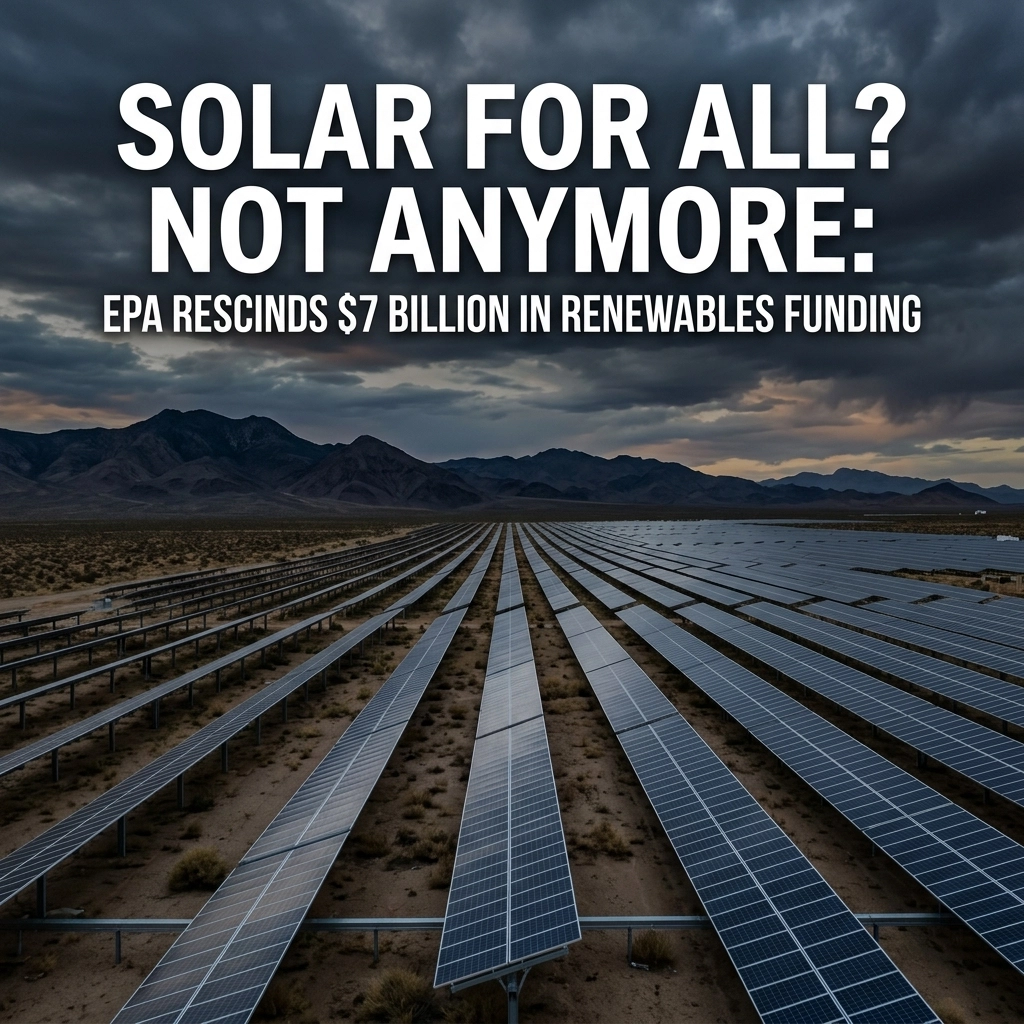
[vc_row][vc_column][vc_column_text css=””]EPA rescinds solar funding as a major shift in federal energy priorities takes hold this spring. The Environmental Protection Agency has officially moved to claw back $7 billion originally designated for the Solar for All program, a cornerstone of the 2022 Inflation Reduction Act. This decision marks a significant pivot in how the federal government approaches the clean energy transition, moving away from direct grant-based subsidies for residential renewables and toward a broader strategy of deregulation and traditional resource development.
The Solar for All initiative was designed to bridge the gap between high-tech energy solutions and low-income communities. By providing grants to states, territories, tribal governments, and nonprofits, the program aimed to lower energy costs for families who historically have been left out of the solar boom. However, the current administration has signaled a clear departure from these Biden-era climate mandates, citing concerns over fiscal responsibility and the statutory authority of the EPA to manage such large-scale social-engineering projects through the tax code.
EPA rescinds solar funding: The end of a billion-dollar experiment
The move to rescind these funds did not happen in a vacuum. It follows a series of executive orders and policy shifts from the White House that have prioritized domestic energy independence through a mix of oil, gas, and nuclear expansion. In August 2025, the initial notices of rescission were sent out, but the full weight of the decision is being felt now, in April 2026, as the legal dust begins to settle.
The $7 billion in question was intended to fund 60 different projects across the United States. These projects were expected to serve over 900,000 households, particularly in regions where the cost of entry for rooftop solar remains prohibitively high. According to the EPA’s current leadership, including Administrator Lee Zeldin, the program represented a misuse of federal funds that should have been managed with more direct oversight or left to the private sector to solve through market-based competition.

One of the primary arguments for the rescission is the lack of spent capital. At the time the freeze was initiated, only about $53 million of the $7 billion had actually reached the ground. The administration argues that the slow rollout of these funds is proof that the program was administratively bloated and ineffective. Critics and program awardees, however, argue that the planning phases for large-scale infrastructure projects naturally take time and that pulling the rug out now causes more economic harm than good.
The economic impact of renewable energy policy changes
When we talk about renewable energy policy, we aren’t just talking about carbon footprints; we are talking about jobs and local economies. The rescission of the $7 billion is expected to ripple through the solar installation and manufacturing sectors. Many of the 60 projects impacted were already in the process of hiring staff, securing local permits, and entering into contracts with equipment suppliers.
The sudden loss of federal backing leaves these projects in a state of limbo. While some states with aggressive clean energy mandates may try to fill the gap with state-level funding, many of the impacted regions are in states that do not have the budget surplus to cover a multi-million-dollar shortfall. This creates a patchwork of energy access that could see some regions continue to move forward with solar while others are forced to revert to the existing grid mix.
From a data-first perspective, the impact on the labor market is significant. Industry analysts had projected that the Solar for All program would create tens of thousands of localized jobs in installation and maintenance. Without the federal catalyst, the pace of the clean energy transition in low-income areas is expected to slow significantly over the next three to five years. This shift aligns with the broader Trump administration goal of redirecting federal R&D and funding toward traditional energy sources and grid hardening rather than decentralized residential solar.
The administration’s strategy emphasizes that energy security is best achieved through reliable, baseload power. By restricting renewable federal leases and refocusing Department of Energy (DOE) resources on nuclear and fossil fuel efficiency, the goal is to drive down the total cost of energy for all consumers, not just those with solar panels.
Navigating the clean energy transition after federal budget shifts
The legal battle over this $7 billion is far from over. In April 2026, the U.S. District Court for the District of Rhode Island has become a central hub for litigation. Eight different plaintiffs, ranging from solar installers to environmental nonprofits, have filed suit against the EPA. They argue that once funds are obligated by Congress, the executive branch does not have the constitutional authority to simply take them back because of a change in political philosophy.
The outcome of these court cases will set a massive precedent for the clean energy transition. If the court sides with the EPA, it could mean that any future administration could easily dismantle the long-term funding structures created by previous presidents. This creates a level of “regulatory whiplash” that makes it very difficult for private investors to commit capital to long-term energy infrastructure projects.
Despite the federal pullback, some sectors of the renewables market are showing resilience. The private sector has continued to invest in utility-scale solar and wind, where the economics are more established and less dependent on direct government grants for low-income residential use. However, the specific “social equity” component of the solar market is likely to take a backseat for the remainder of this term.

As the administration continues to prioritize the 2026 methane regulatory deadlines and other deregulation efforts, the focus has shifted toward streamlining the permitting process for all energy types. While the $7 billion for Solar for All has been rescinded, the Department of the Interior and the DOE are working on new ways to speed up permitting for oil and gas projects on federal lands, which they argue will provide more immediate relief to energy prices than long-term solar grants.
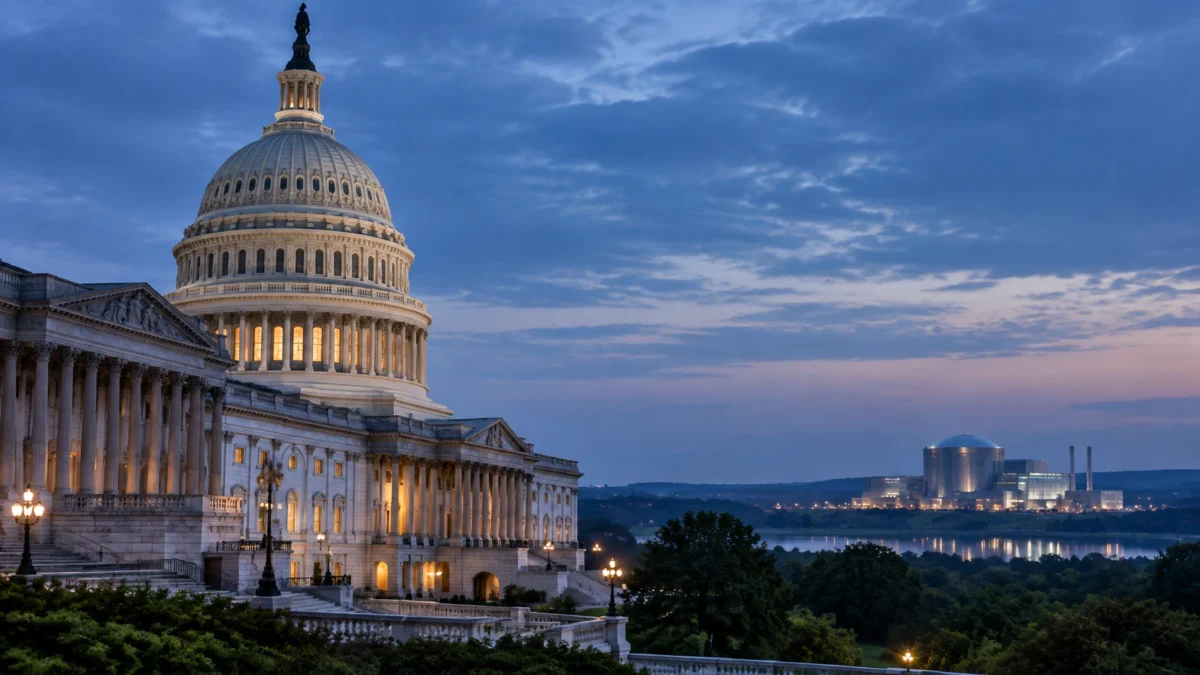
The current atmosphere in D.C. is one of consolidation and refocusing. By stripping away what it deems “ideological spending,” the EPA is attempting to return to a more traditional role of managing pollution standards without directly subsidizing market competitors. Whether this leads to lower energy costs across the board or simply stunts the growth of a burgeoning green economy remains the subject of intense debate in the boardrooms and courtrooms of the energy world.
The reality is that the energy landscape is rarely static. While the $7 billion rescission is a blow to the specific goal of “Solar for All,” it is also a signal to the market that the era of massive federal solar subsidies is undergoing a hard reset. Investors and project developers are now looking to state-level incentives and private equity to keep the momentum going, while the federal government doubles down on the traditional energy strengths that have historically powered the American economy.
Data Summary of EPA Rescission
- Total Funding Rescinded: $7 Billion
- Impacted Projects: 60 across 50 states, DC, and territories
- Estimated Households Impacted: 900,000+
- Current Status: Active litigation in Rhode Island and other districts
- Policy Context: Part of a broader shift to restrict renewable R&D and federal leases
As we move further into 2026, we will be watching the courts closely. The intersection of constitutional law and energy policy has never been more relevant.
Keep In Touch with Shale Magazine
As the new era of energy unfolds, you can bet we’ll be the boots on the ground to keep you informed. Subscribe to Shale Magazine for sharp insight into the arenas that matter most to your life. And don’t forget to listen to our riveting podcast, The Energy Mixx Radio Show, where our very own Kym Bolado interviews the most extraordinary thought leaders, business innovators, and industry experts of our time.
Subscribe to get more posts from Amanda Jenkins[/vc_column_text][/vc_column][/vc_row]