In the early hours of January 3, 2026, President Trump carried out a unilateral military operation in Venezuela in which the South American country’s President Nicolás Maduro was captured and transported to the United States, alongside his wife Cilia Flores, charged with crimes related to “narco-terrorism” conspiracy.
This has essentially brought an end to his 13-year dictatorship and has left Venezuela without an official leader. Trump has since said that the U.S. will “run” Venezuela until a “safe, proper and judicious transition” can be ensured and that U.S. oil companies will also fix Venezuela’s “broken infrastructure”.
It is worth noting that several world leaders have already condemned Trump’s actions as an illegal intervention in the sovereign state of Venezuela, and it is still unclear what will happen with its leadership.
A Recap on Venezuelan Oil?
Venezuela has more oil reserves than any other country, but it provides just 1% of the oil that the world is using. It is home to around 17% of the world’s reserves, with over 300 billion barrels. During the 1990s, Venezuela produced around 5% of the world’s crude. However, years of mismanagement, underinvestment, and U.S. sanctions (introduced in 2015) have driven down production in recent years.
Years of falling oil revenues have exacerbated the underinvestment in Venezuela’s oil infrastructure, meaning that even if it wanted to increase output, it would take billions of dollars in investment to make this possible. In addition, Venezuelan crude is extremely heavy and difficult to extract, making for expensive and carbon-intensive production.
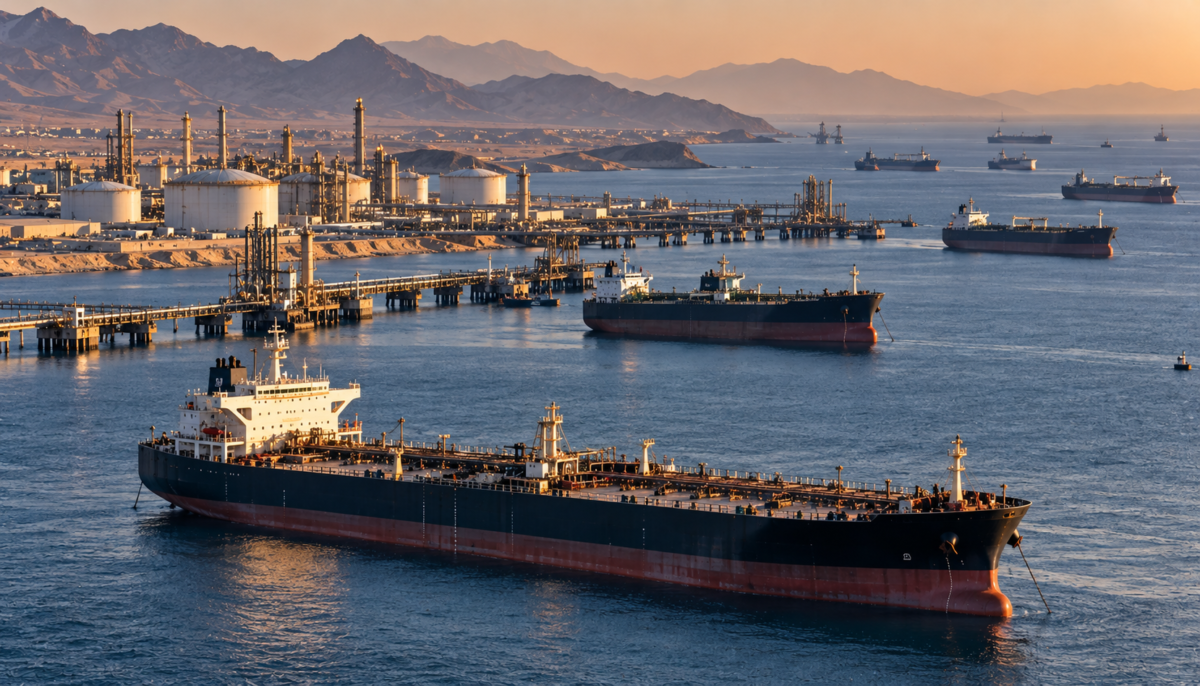
In recent years, most of Venezuela’s crude has been shipped to China via shadow fleets, which has allowed the two countries to circumvent U.S. sanctions.
Trump’s Black Gold
In the months leading up to Maduro’s capture, the Trump administration built up a fleet of warships near Venezuela. Trump said that the operation was focused on quashing narco-trafficking activities. However, in December, Maduro suggested that the real motive behind Trump’s military action was oil, which the U.S. Department of State was quick to deny.
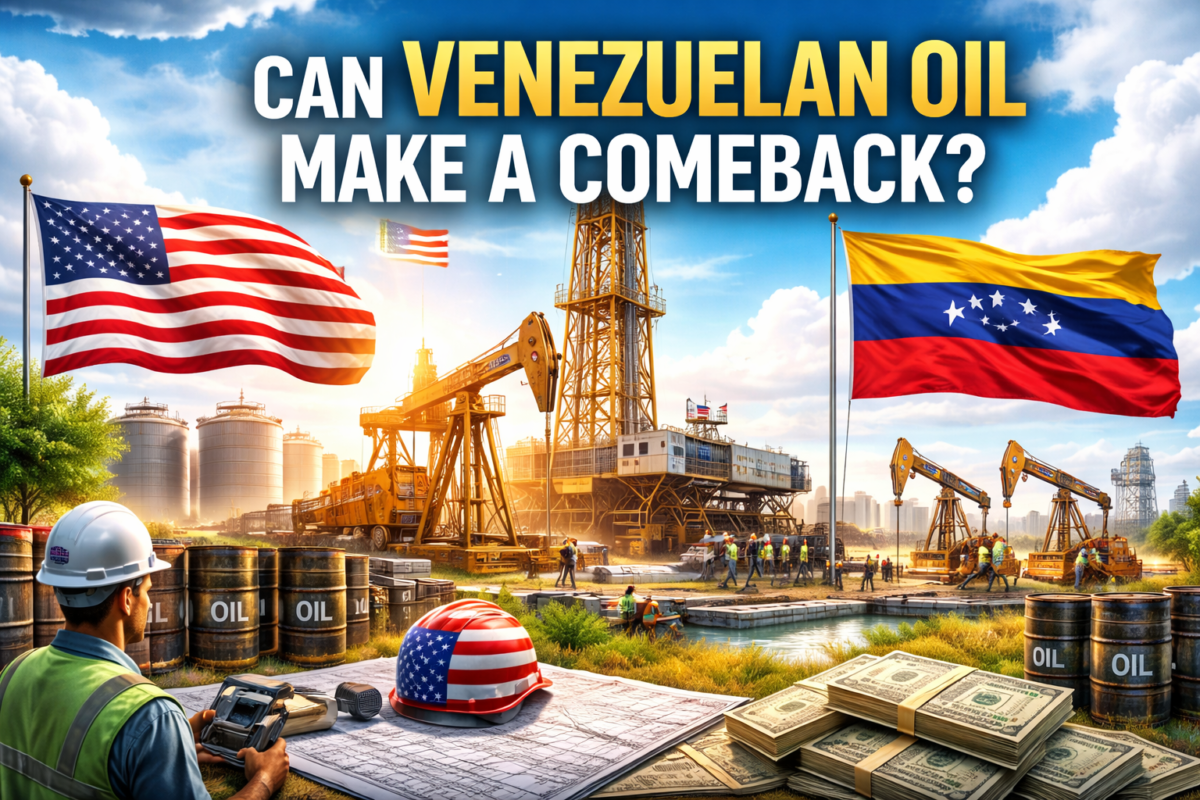
Fast forward a month, and whatever the reason for the invasion, it seems clear that Trump has set his sights on Venezuela’s vast oil reserves.
Following Maduro’s capture, Trump said in a press conference, “As everyone knows, the oil business in Venezuela has been a bust, a total bust, for a long period of time. They were pumping almost nothing, by comparison to what they could have been pumping and what could have taken place.”
“We’re going to have our very large United States oil companies… go in, spend billions of dollars, fix the badly broken infrastructure… and start making money for the country,” he added.
He later told reporters on Air Force One that he had spoken with U.S. oil firms before and after Maduro’s capture and “they want to go in so badly.”
When asked about what will happen to Venezuela’s oil reserves, Trump stated, “We’re going to run everything.”
Trump has indicated that he expects the U.S. oil industry to be “up and running” with increased operations in Venezuela within 18 months, while analysts have previously suggested that it would take tens of billions of dollars and up to a decade to restore Venezuela’s former output.
The U.S. President announced on January 6 that Venezuela will be required to hand over between 30 and 50 million barrels of oil to the United States to be sold at market value, with the proceeds to be controlled by the U.S.
The Potential Role of U.S. Oil Majors in Rebuilding Venezuela’s Oil Industry
The U.S. firms that are more likely to invest in Venezuela are Exxon Mobil and Chevron. Exxon previously had operations in the South American country, while Chevron continues to operate there.
Neither company has yet confirmed plans to launch or expand operations in Venezuela since the U.S. intervention. Chevron spokesman Bill Turenne said that the firm “remains focused on the safety and well-being of our employees, as well as the integrity of our assets,” and “We continue to operate in full compliance with all relevant laws and regulations.”
ConocoPhillips, which previously operated in Venezuela and has spent several years trying to recover its investment from the region, will likely be less willing to re-enter the market any time soon. The firm’s spokesman Dennis Nuss said the company is monitoring developments in Venezuela and their potential implications for global energy supply and stability.” Nuss added, “It would be premature to speculate on any future business activities or investments.”
However, the head of geopolitical analysis at energy consultancy Rystad Energy, Jorge León, said, “My hunch is that if President Trump said this publicly, probably there was already an agreement with the U.S. companies.”
Going forward, there are different approaches that U.S. oil firms could take in Venezuela. One obvious avenue would be to work with state-owned oil company Petróleos de Venezuela, S.A. (PDVSA) to ensure that oil revenues are being shared with the state to help restabilize the country’s economy.
However, following the removal of a state leader, greater political and societal instability almost always follows, meaning that redeveloping Venezuela’s political system, economy, and oil industry will be no easy feat.
President Trump seems intent on playing a role in the rebuilding of Venezuelan oil. However, with widespread condemnation over the U.S. intervention in Venezuela, it has yet to be seen whether the Trump administration will be able to continue to act unilaterally in Venezuela or if other countries and international institutions will become involved.
Keep In Touch with Shale Magazine
As the new era of energy unfolds, you can bet we’ll be the boots on the ground to keep you informed. Subscribe to Shale Magazine for sharp insight into the arenas that matter most to your life. And don’t forget to listen to our riveting podcast, The Energy Mixx Radio Show, where our very own Kym Bolado interviews the most extraordinary thought leaders, business innovators, and industry experts of our time.