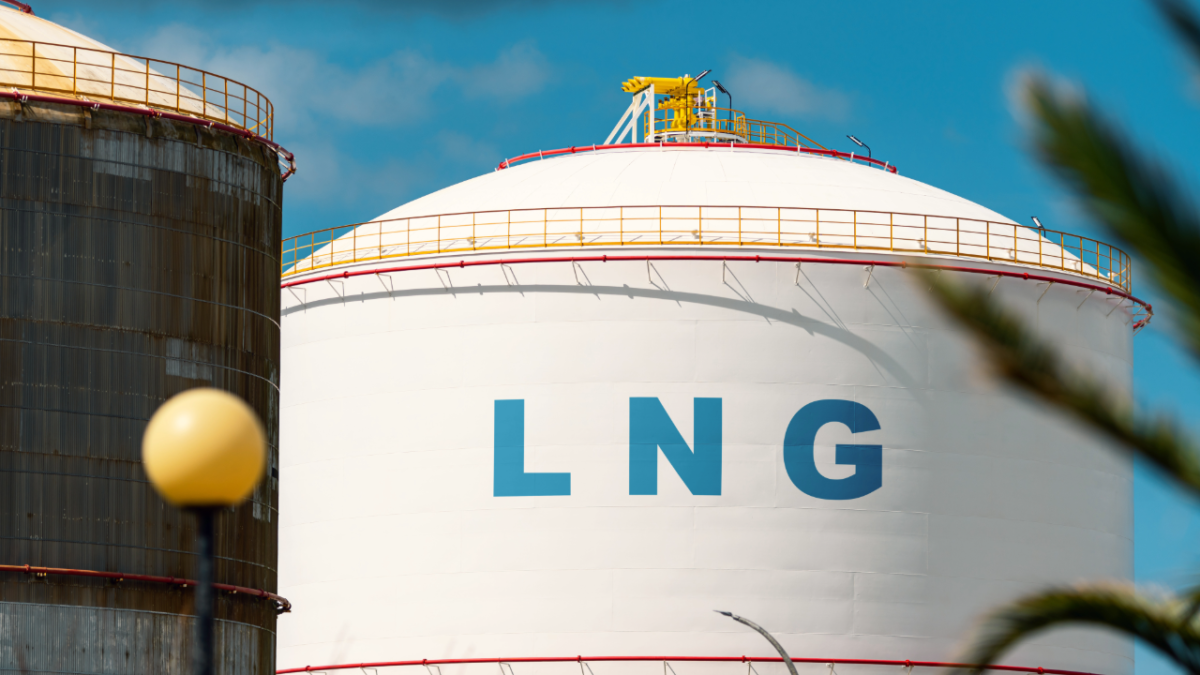
[vc_row el_class=”td_classic_blog_home”][vc_column][vc_column_text css=””]As the European Union debates whether to permanently cut energy ties with Russia, the United States and Qatar could replace Russia as the region’s main gas and liquefied natural gas (LNG) suppliers. After several years of shifting away from a reliance on Russian energy, the EU has worked to diversify its oil and gas trade links in recent years, with the U.S. and Qatar becoming major source markets.
Background – the Shift Away from Russian Gas
Following Russia’s invasion of Ukraine in February 2022, and the subsequent, widespread sanctions imposed on Russia by much of the world, the EU raced to find alternative gas suppliers. According to the European Council, Russia’s share of EU imports of pipeline gas dropped from over 40% in 2021 to about 11% in 2024. For pipeline gas and LNG combined, Russia contributed less than 19% of total EU gas imports in 2024.
This was made possible through the import of pipeline gas and LNG from a range of alternative suppliers. Norway became the EU’s main gas supplier in 2024, contributing over 33% of all gas imports, followed by the United States, Algeria, Qatar, the UK, Azerbaijan, and Russia.
In June, the European Commission proposed a legally binding ban on EU imports of Russian gas and LNG by the end of 2027. If passed, the proposal would bring an end to the decades-long energy trade relationship between the EU and Russia. It would also ban gas imports from any Russian pipeline gas and LNG contracts signed during the rest of 2025, starting January 1, 2026, as well as introduce several other restrictions on Russian gas imports.
The EU energy commissioner, Dan Jørgensen, emphasized that the EU did not introduce the proposal to phase out Russian gas imports purely because Russia invaded Ukraine. “This is a ban that we introduce because Russia has weaponized energy against us, because Russia has blackmailed member states in the EU, and therefore they are not a trading partner that can be trusted,” Jørgensen said. “That also means that, irrespective of whether there is a peace or not, which we all hope there will be, of course, this ban will still stand.”
Shifting Suppliers – the United States and Qatar’s Role in EU Gas
In February, International Energy Agency (IEA) director Fatih Birol suggested that the EU should consider replacing Russian LNG imports with Qatari supplies. “Europe has been importing a lot of Russian LNG to help its economies,” said Birol. “It may be high time to replace this with LNG from Qatari and other sources from 2027,” he added. Birol was referring to the anticipated increase in Qatar’s gas supply from 2027, when several new projects come online in the Middle Eastern state.
In May, the CEO of state-owned QatarEnergy, Saad al-Kaabi, announced that Qatar’s North Field East natural gas expansion project will begin production in mid-2026. QatarEnergy has signed various supply deals with European and Asian partners in its massive North Field expansion project. The oil-rich country aims to increase its annual LNG output from 77 million metric tons (mtpa) at present to 126 mtpa by 2027.
In the first quarter of 2025, the 27-member bloc imported 69 billion cubic meters (2.44 trillion cubic feet) of gas, with pipeline gas accounting for 55% of imports, according to the European Commission. While Norway remained the EU’s top supplier, U.S. volumes accounted for 24% of the total. The U.S. became the EU’s top LNG supplier in 2024, contributing 45% of the region’s LNG imports. In the first quarter of 2025, the U.S. remained the EU’s top LNG supplier, accounting for 53% or 16.6 billion cubic meters.
The U.S. is also expected to significantly increase its gas production in the coming years, having invested heavily in the development of new plants and export terminals. The U.S. Energy Information Administration expects national dry natural gas production to increase to between 42.6 trillion cubic feet (Tcf) and 44.3 Tcf in the early 2030s from 38.4 Tcf in 2024.
Not Just a Pipedream
Several energy experts foresee a total shift away from Russian gas by the EU, which will be made possible by the increase in output by several of its energy trade partners.
In July, the CEO of TotalEnergies, Patrick Pouyanné, stated that the region’s improved energy resilience will allow it to successfully ban the import of Russian gas. “We’ll be able to ensure the security of supply of Europe without Russian LNG in 2028,” thanks to new capacities under construction in the United States and Qatar, said Pouyanné.
Whether or not a total ban on Russian gas imports to the EU comes into place, the bloc has significantly reduced its reliance on Moscow for energy in recent years, and will continue to diversify its energy mix in the coming years as more gas projects come online in various regions of the world.
Stay In The Know with Shale
While the world transitions, you can count on Shale Magazine to bring me the latest intel and insight. Our reporters uncover the sources and stories you need to know in the worlds of finance, sustainability, and investment.
Subscribe to Shale Magazine to stay informed about the happenings that impact your world. Or listen to our critically acclaimed podcast, Energy Mixx Radio Show, where we interview some of the most interesting people, thought leaders, and influencers in the wide world of energy.
Subscribe to get more posts from Felicity Bradstock[/vc_column_text][/vc_column][/vc_row]