As climate change worsens, many governments are striving to decarbonize their economies to support a green transition and reduce their reliance on fossil fuels. However, there is a simple issue that can be addressed to help reduce emissions – plugging the world’s extensive network of methane leaks.
What are the Major Methane Leaks and Why do they Exist?
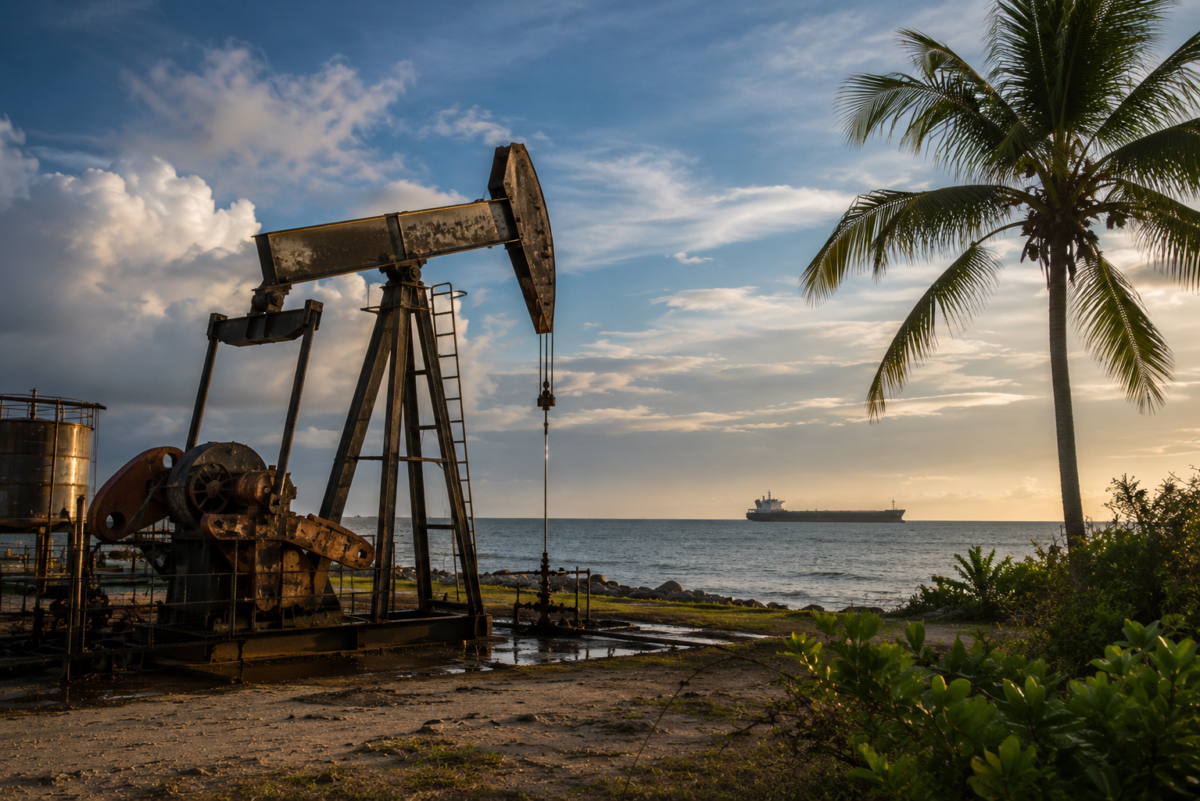
Following over a century of drilling for oil, the world has been left with millions of abandoned wells that are no longer used for energy production. Although there are strict regulations on the decommissioning of these wells, which oil companies are expected to follow, many firms have previously failed to plug disused wells correctly. This is due to a range of reasons, from companies going bankrupt to smaller firms’ activities falling under the radar.
Thousands of unplugged wells around the globe are now emitting high levels of methane. Methane is responsible for around 30% of the rise in global temperatures since the Industrial Revolution, according to the International Energy Agency (IEA).
Methane is more than 28 times as potent as carbon dioxide at trapping heat in the atmosphere, the United States Environmental Protection Agency stated. Over the last two centuries, methane concentrations in the atmosphere have more than doubled, largely due to human-related activities.
Recent Findings – U.S. is a Major Methane Emitter
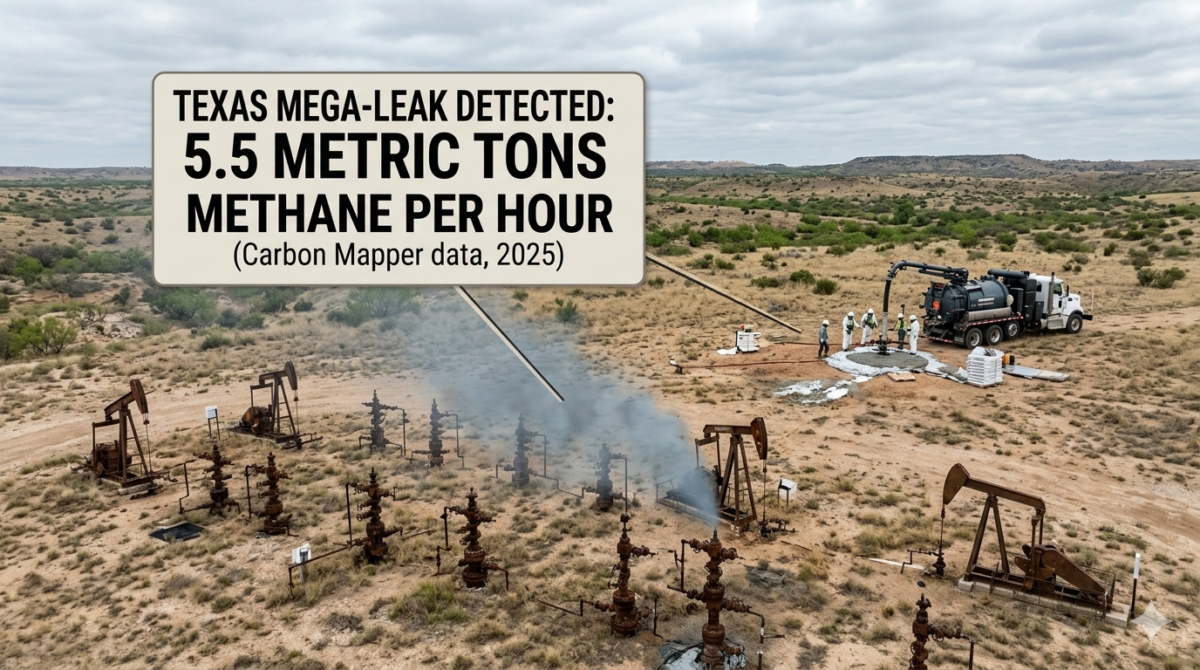
A 2025 study known as the UCLA Stop Methane analysis, which assesses satellite data from Carbon Mapper, revealed that there are dozens of mega-leaks around the globe, which each have roughly the same global heating impact as a coal-fired power station. Most leaks come from either unplugged wells or from operations that leak due to poor maintenance.
Several super-polluting leaks were spotted in the United States, with the largest leak detected in 2025 located in Texas and leaking 5.5 metric tons of methane per hour. This is the equivalent of using about a million fuel-guzzling SUVs. Meanwhile, most major leaks were detected in Turkmenistan, with others in Venezuela and Iran. The project where the leak is situated appears to be operated by the firm Energy Transfer, according to the research.
In the United States, nine of the 10 worst leaks were in Texas.
“Americans should be surprised and angered by the fact that the U.S. lands pretty high on this list of top super-polluting plumes,” said Cara Horowitz at UCLA. “We in the US tend to think of our industry as fairly well and cleanly run, but this shows that we still have work to do.”
In addition to leaks from energy projects, the report showed that certain poorly managed landfill sites are major emitters of methane, including some in the United States, Malaysia, Turkey, and Algeria.
Another major source of methane emissions is non-emergency gas flaring, with many oil and gas companies continuing to conduct routine flaring operations rather than capture and reuse this gas.
Assessing and Addressing the Problem
Approximately 4.5 million oil and gas wells have been drilled in the U.S. since the 1850s, with around 3.5 million of these wells being abandoned as they could no longer be used for
production. While some of these wells were plugged before they were left, using filling and
sealing materials, some were not formally decommissioned.
If a well is not properly plugged, it can emit methane and other harmful gases, leach contaminants into the surrounding soil and water, and create safety hazards, preventing the surrounding land from being used for other purposes.
In 2018, the Interstate Oil and Gas Compact Commission recorded just over 60,000 orphan wells nationwide, a figure that later rose to over 130,000, according to a 2021 study. The Environmental Protection Agency (EPA) estimated that non-producing oil and gas wells emitted, equivalent to the emissions produced by around 1.7 million gasoline vehicles.
In 2021, the Biden administration approved the Bipartisan Infrastructure Law, which provided $4.7 billion in federal funding for states and federal agencies to carry out well-plugging activities. This money was earmarked for “orphan wells” that have no owner.
However, with the closure of a single well costing up to tens of thousands of dollars, significantly more funding is required to fix the problem.
More Gas Available to Fill Gap
In addition to reducing harmful methane emissions, investing in stopping leaks in the energy sector could help to provide billions of cubic meters (bcm) of gas, according to the IEA.
“With methane emissions from the energy sector near record highs, tried-and-tested abatement measures could make 200 bcm of natural gas available annually,” the organization’s global methane tracker 2026 report said.
“If select countries with spare existing gas export capacity and importing countries were to implement readily accessible methane abatement measures across their gas systems, nearly 15 bcm of gas could very quickly be made available to markets.”
This is a key consideration at a time when the world is facing severe and widespread energy shortages due to the closure of the Strait of Hormuz.
Keep In Touch with Shale Magazine
As the new era of energy unfolds, you can bet we’ll be the boots on the ground to keep you informed. Subscribe to Shale Magazine for sharp insight into the arenas that matter most to your life. And don’t forget to listen to our riveting podcast, The Energy Mixx Radio Show, where our very own Kym Bolado interviews the most extraordinary thought leaders, business innovators, and industry experts of our time.