[vc_row][vc_column][vc_column_text css=””]The landscape of American energy production is undergoing a fundamental structural realignment. Under the current federal administration, the Department of the Interior (DOI) has signaled a decisive move away from the aggressive expansion of offshore wind energy in favor of a return to traditional baseload power sources. This shift was punctuated by recent high-profile agreements with developers Bluepoint Wind and Golden State Wind to terminate existing offshore lease agreements. This strategic pivot is a cornerstone of the broader Energy Dominance Agenda, which prioritizes grid reliability, energy security, and the optimization of domestic natural resources over taxpayer-subsidized intermittent generation.
As of May 2026, the Department of the Interior, in coordination with the Department of Energy (DOE) and the White House, has redirected billions in planned capital expenditures. The objective is clear: replace high-risk, low-yield offshore wind projects with dispatchable energy assets that can provide the constant power required by modern industrial and residential infrastructure. This article analyzes the economic and technical drivers behind this policy reversal and what it means for the future of the American power grid.
The Termination of Offshore Leases: A Strategic Recalculation
The decision to end lease agreements with Bluepoint Wind, located off the coast of New York and New Jersey, and Golden State Wind, situated in the Pacific waters near California, represents a significant departure from previous federal energy goals. For several years, offshore wind was championed as the primary vehicle for decarbonizing coastal load centers. However, the reality of escalating capital costs, supply chain bottlenecks, and the inherent intermittency of wind power has led to a reevaluation of these commitments at the cabinet level.
According to data from recent industry assessments, the Levelized Cost of Energy (LCOE) for offshore wind has remained stubbornly high compared to advanced natural gas and nuclear options. By mutual agreement, the DOI has allowed these developers to exit their lease obligations, effectively clearing the path for the federal government to redirect regulatory and financial focus toward traditional baseload assets. This move is not merely a cancellation of projects but a redeployment of national resources under the National Energy Dominance Council Tiger Team framework, which seeks to expedite the development of reliable energy infrastructure.
The capital originally earmarked for the infrastructure associated with these wind farms: including specialized vessels, offshore substations, and extensive subsea cabling: is now being incentivized toward the expansion of natural gas pipelines and the refurbishment of existing baseload facilities. The Bureau of Ocean Energy Management (BOEM), an agency within the DOI, has shifted its primary focus back to the management of offshore oil and gas leasing, asserting that these resources provide a more stable foundation for national energy security.
Baseload Reliability vs. Intermittent Generation
One of the primary drivers of the DOI’s shift is the growing concern over grid stability. As the American economy becomes increasingly reliant on digital infrastructure and electrified transportation, the requirement for a “constant on” power supply has never been greater. While wind and solar have grown their share of the energy mix, they remain dependent on weather conditions, necessitating expensive battery storage or redundant backup plants to maintain reliability.
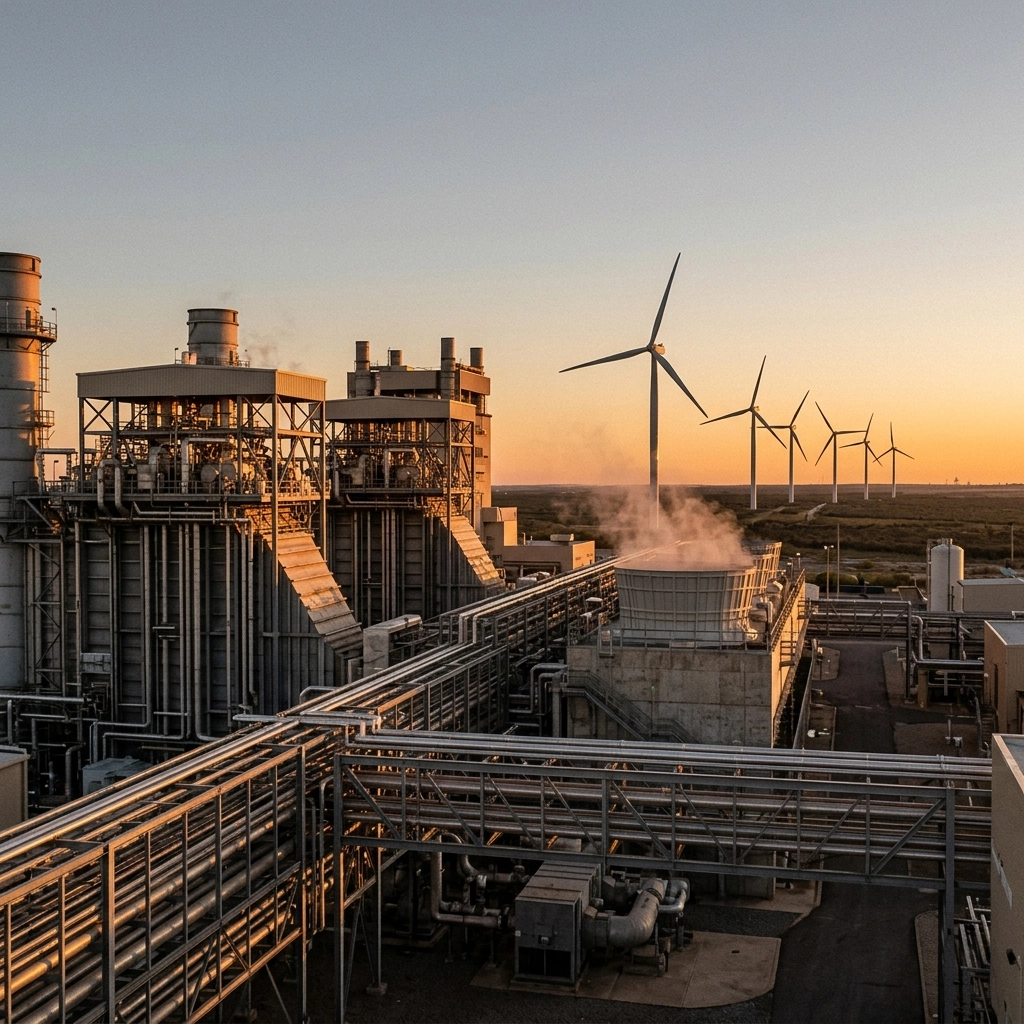
Traditional baseload power: primarily derived from natural gas, nuclear, and high-efficiency coal: offers dispatchability that offshore wind cannot match. The DOE’s recent technical memos highlight that the capacity factor for offshore wind rarely exceeds 50 percent, whereas modern natural gas combined-cycle plants and nuclear reactors routinely operate at capacity factors above 90 percent. By prioritizing these traditional sources, the Department of the Interior aims to mitigate the risk of price volatility and rolling blackouts that have affected regions with high concentrations of intermittent renewables.
Furthermore, the integration of traditional baseload power aligns with the current Defense-First Energy Budget. Reliable energy is a matter of national security; a grid that is dependent on variable weather patterns is a grid that is inherently vulnerable. The transition back to baseload power ensures that critical defense manufacturing and domestic operations remain uncompromised by the fluctuations of the renewable market.
Economic Realities of the Energy Dominance Agenda
The Energy Dominance Agenda is fundamentally an economic strategy designed to lower energy costs for consumers and manufacturers alike. The DOI’s decision to trade turbines for traditional baseload is rooted in the philosophy that energy markets should be driven by performance rather than subsidies. For years, the offshore wind sector relied heavily on federal tax credits and state-level mandates to remain financially viable.
By removing these market distortions, the federal government is allowing the energy industry to invest in projects with the highest return on investment and the lowest cost to the ratepayer. This is particularly relevant as diesel prices spike faster and overall inflationary pressures impact the cost of living. Lowering the cost of electricity through efficient baseload generation is seen as a vital tool for economic stabilization.
- Reduction in federal subsidies for high-cost offshore wind.
- Increased revenue from offshore oil and gas lease auctions.
- Lower long-term electricity rates through the use of abundant domestic natural gas.
- Streamlined permitting for pipelines and traditional power plants under the new DOI directives.
This economic pivot also involves a regulatory component. The EPA and DOI have worked in tandem to provide routine flaring relief, allowing producers to increase output without the threat of immediate punitive fines. This regulatory flexibility is essential for maintaining the supply of natural gas needed to fuel the new generation of baseload power plants that the DOI is now prioritizing over wind energy.

Infrastructure and the Role of Traditional Resources
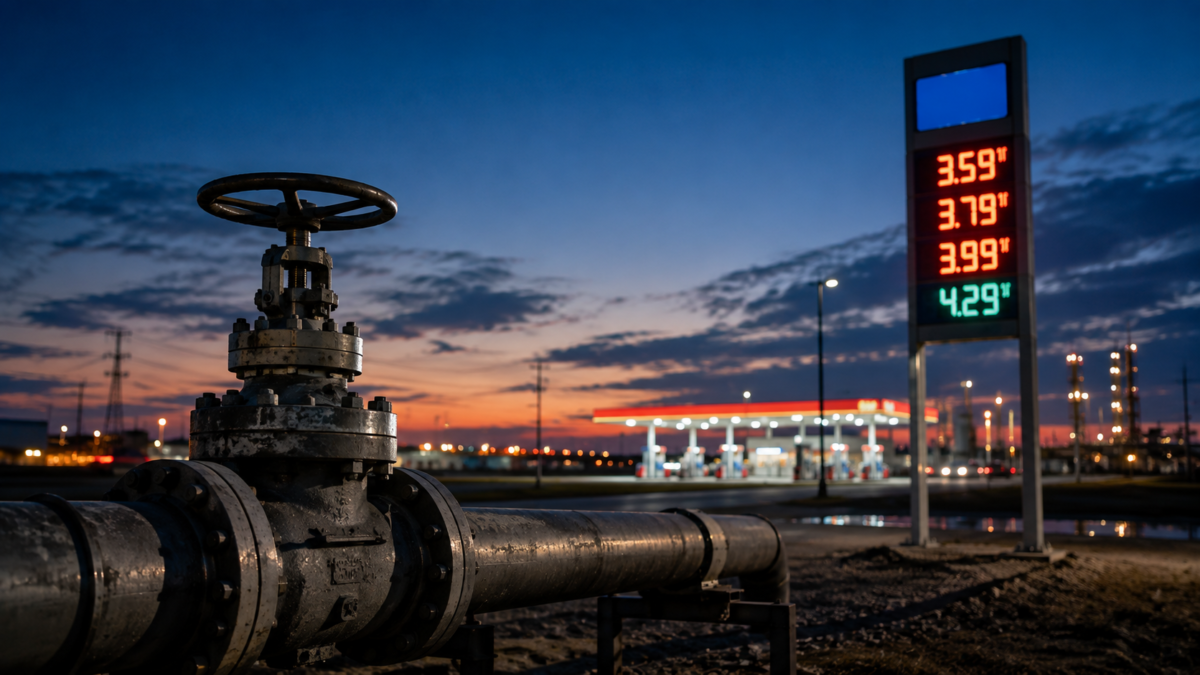
Redirecting capital toward traditional energy requires a significant focus on midstream and upstream infrastructure. The DOI’s recent actions include the fast-tracking of permits for natural gas pipelines that will connect prolific basins, such as the Permian and the Appalachian, to coastal power hubs. Previously, many of these load centers were expected to be serviced by offshore wind; they will now be powered by natural gas, which offers a cleaner profile than older coal units while maintaining the necessary reliability.
The shift also supports the domestic mining industry. Traditional power plants, particularly nuclear and advanced coal, require a steady supply of domestic minerals and fuels. This fits into the broader goal of reducing dependence on foreign supply chains, many of which are currently dominated by adversaries. By focusing on domestic baseload, the DOI is effectively on-shoring the entire energy value chain.
The strategic importance of this transition cannot be overstated. Industry leaders have noted that the move away from offshore wind allows for a more focused investment in the technologies of the future, such as Small Modular Reactors (SMRs) and carbon capture at source. These technologies provide the reliable power necessary for a growing economy while utilizing the existing expertise and infrastructure of the traditional energy sector.
Future Outlook: A Pragmatic Energy Mix
While the immediate headlines focus on the termination of leases with Bluepoint Wind and Golden State Wind, the long-term implication is a more pragmatic approach to the American energy mix. The Department of the Interior is not abandoning innovation; rather, it is re-anchoring innovation in the reality of the physical grid. The Energy Dominance Agenda acknowledges that while renewables have a place in a diversified portfolio, they cannot serve as the backbone of an industrial superpower.
The focus for the remainder of 2026 and beyond will be on the construction of high-efficiency gas plants and the life extension of existing nuclear assets. The DOI’s commitment to clearing regulatory hurdles for these projects is a clear signal to investors that the federal government values reliability and economic efficiency above ideological energy goals.
As the next generation of energy professionals enters the workforce, they are being trained in a landscape that values technical mastery of complex, large-scale systems. The “Wind Shift” is a return to the foundational principles of energy engineering: providing the most reliable power at the lowest possible cost to the greatest number of people.

The Department of the Interior’s decision to pivot away from offshore wind is a calculated move to ensure the longevity and stability of the American power grid. By trading intermittent turbines for reliable baseload, the administration is doubling down on the proven strengths of the domestic energy industry. For stakeholders, from leaseholders to end-use consumers, this shift represents a return to a market-driven energy policy that prioritizes security, dominance, and economic growth.
Keep In Touch with Shale Magazine
As the new era of energy unfolds, you can bet we’ll be the boots on the ground to keep you informed. Subscribe to Shale Magazine for sharp insight into the arenas that matter most to your life. And don’t forget to listen to our riveting podcast, The Energy Mixx Radio Show, where our very own Kym Bolado interviews the most extraordinary thought leaders, business innovators, and industry experts of our time.
Subscribe to get more posts from Amanda Jenkins[/vc_column_text][/vc_column][/vc_row]