[vc_row][vc_column][vc_column_text css=””]The mid-April 2026 energy crisis is no longer just a geopolitical headline. It is now a physical supply disruption with immediate consequences for LNG flows, shipping costs, and power markets across Asia and Europe. With the Strait of Hormuz effectively constrained, nearly 20 percent of the global liquefied natural gas supply is either trapped, delayed, or at risk of going offline.
This is not just a temporary shipping disruption. The closure of the Strait, combined with recent structural damage to regional infrastructure and labor disputes in other major exporting hubs, has created a supply vacuum that the world has not seen in decades. That is what makes the next question so important: how much LNG has effectively been removed from the market, and what does that mean for prices and energy security?
The 20 Percent Supply Vacuum and the Hormuz Bottleneck
To understand why natural gas prices are behaving the way they are, we have to look at the sheer volume of energy that passes through that narrow stretch of water. The Strait of Hormuz is the primary exit point for Qatari LNG, which accounts for roughly 15 percent of the world’s total capacity. When you add in the disruptions from other regional players and the compounding issues of the failed Islamabad talks, the total volume of LNG removed from the global market sits right at that 20 percent mark.
According to recent industry analysis, the impact was almost instantaneous. As soon as the blockade was confirmed, Brent crude jumped to $102, but the natural gas market saw even more violent swings. In parts of Asia, spot prices for LNG have spiked by as much as 143 percent. Europe hasn’t been spared either, with prices climbing 85 percent as buyers scramble to secure any available cargo that isn’t currently stuck behind a naval line.
This level of disruption is unprecedented. Even during the height of the 2022 energy crisis, the market had more avenues for redirection. Today, with QatarEnergy declaring force majeure on several major contracts due to the inability to guarantee safe passage, the physical availability of gas has become the primary constraint. It is no longer just about what the gas costs; it is about whether you can get it at all.
The Asian and European Demand Squeeze
For years, the energy sector has discussed the clean energy transition as a gradual shift, but the current crisis is forcing a much more chaotic pivot. In Asia, where LNG is a critical part of the power mix, the imports have plummeted to their lowest levels in six years. This has left major economies like Japan, South Korea, and China in a precarious position. Without the steady flow of Middle Eastern gas, many of these nations are being forced to revert to coal and fuel oil to keep the lights on.
The situation in Europe is equally dire. While the continent has made strides in diversifying its energy sources since 2022, it still relies heavily on global LNG flows to refill its storage tanks ahead of the winter months. The current blockade essentially cuts off the shortest route for Qatari gas to reach European terminals. This forces ships to take the long way around the Cape of Good Hope, adding weeks to transit times and significantly increasing shipping costs.
Those shipping costs are now being amplified by the return of much higher insurance pricing. Market reports published today indicate war risk insurance premiums for transits tied to the Strait have spiked back to roughly 3 percent of hull value, a sharp move that materially changes voyage economics for LNG carriers, crude tankers, and product vessels alike. For shipowners and charterers, that is no longer a marginal surcharge. It is a direct cost input that can alter route selection, delay sailings, and widen delivered energy prices well beyond the Gulf.
The humanitarian dimension is also becoming harder to separate from the commercial one. The International Maritime Organization has formally described the ongoing disruption as a maritime humanitarian emergency, underscoring that this is no longer just a freight market problem or a naval chokepoint story. It is now a seafarer safety issue with direct consequences for fuel availability, vessel scheduling, and the reliability of global LNG supply chains.
You can read more about the geopolitical dynamics at play in our deep dive on https://shalemag.com/iran-strait-hormuz-power, which covers how control over this waterway translates directly into global economic leverage. The current crisis is a live demonstration of that power, as every day the Strait remains closed, the global energy market becomes tighter and more expensive.
US LNG as the Global Safety Valve
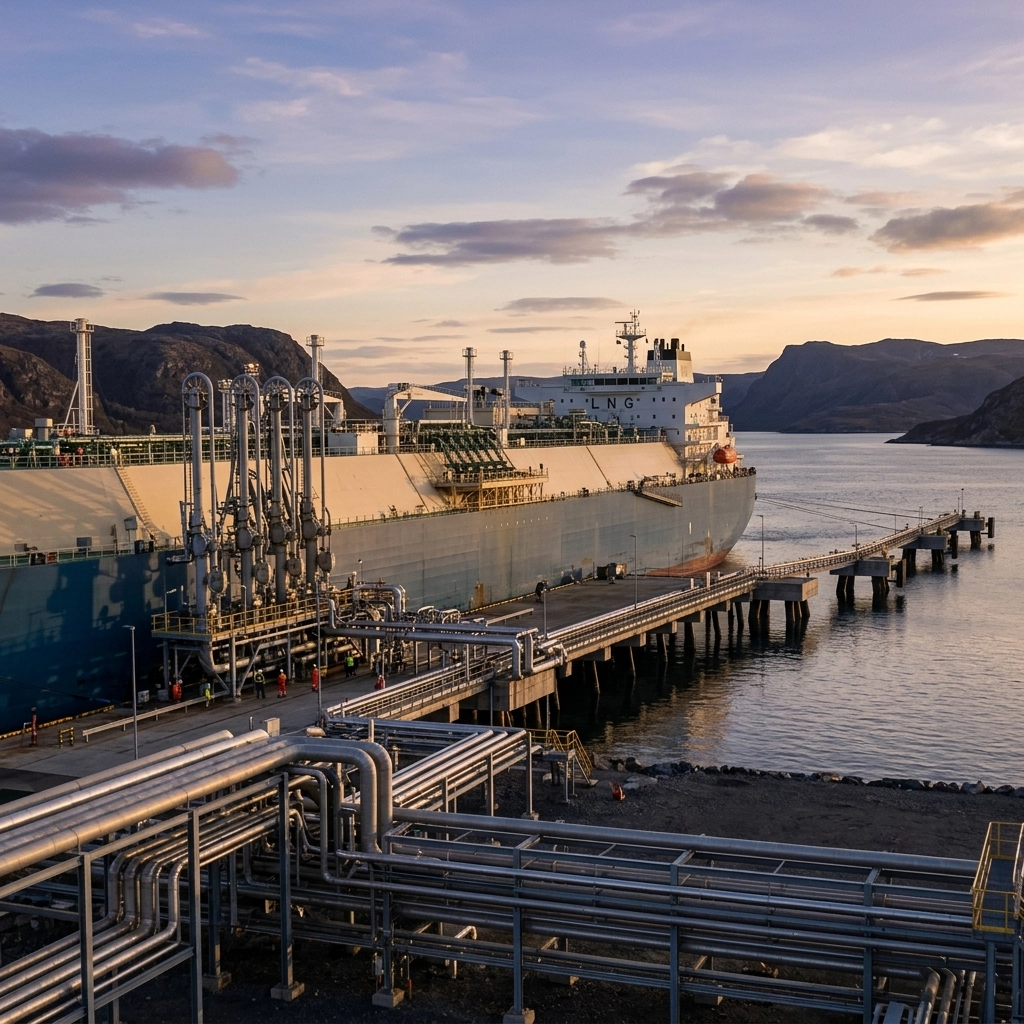
In the midst of this chaos, the United States has emerged as the most critical player in maintaining any semblance of global energy security. American LNG exports were already at record highs, but the current crisis has pushed the demand for US cargoes into overdrive. As Asian and European buyers look for alternatives to Middle Eastern supply, the Gulf Coast has become the center of the energy world.
The importance of US infrastructure cannot be overstated. Facilities in Texas and Louisiana are working at maximum nameplate capacity to fill the void. This surge in demand highlights why the industry has been pushing for streamlined permitting processes. The ability to bring new capacity online quickly is no longer just a business advantage; it is a matter of international security.
However, even the US has its limits. We recently saw Freeport LNG go offline for maintenance, and while that was planned, the timing couldn’t have been worse. When you combine that with the blockade, it’s clear that the global safety valve is being tested. The reliance on US gas also means that domestic natural gas prices are feeling the upward pressure. While we aren’t seeing the $14/MMBtu prices that Asia is dealing with, the days of sub-$2 gas in the US are likely behind us for the duration of this blockade.

Structural Damage and the Road to Recovery
One of the more concerning aspects of this mid-April crisis is the report of structural damage to regional energy infrastructure. It is one thing to clear a naval blockade; it is another thing entirely to repair liquefaction plants and export terminals that have been caught in the crossfire. Early reports from QatarEnergy suggest that some facilities in the North Field may require extensive repairs, which could keep a significant portion of their capacity offline for months, if not years.
This means that even if the blockade were to end tomorrow, the global LNG supply would not immediately return to its pre-crisis levels. The damage to the supply chain is structural, not just operational. This long-term outlook is what is truly spooking the markets. Investors are beginning to realize that the 20 percent supply gap might be a semi-permanent fixture of the 2026 energy landscape.
This reality is also complicating the clean energy transition. Many nations that had planned to use natural gas as a “bridge fuel” are now finding that bridge is under construction or blocked. As a result, we are seeing a massive resurgence in coal mining and oil-fired power generation. The environmental goals of the late 2020s are being sidelined by the immediate necessity of preventing a total grid collapse.
Navigating a New Energy Reality
As we look toward the rest of 2026, the global energy market is in a state of forced evolution. The closure of the Strait of Hormuz has proven that energy security can never be taken for granted. For industrial buyers, the lesson is clear: diversification is the only protection against geopolitical volatility. This is why we are seeing a renewed interest in off-grid solutions and micro-LNG applications. If you’re interested in how the industry is adapting at a smaller scale, see our analysis on https://shalemag.com/why-lng-is-the-safe-bet-for-powering-off-grid-industry.
The coming weeks will be telling. If the blockade persists through May, the pressure on global storage levels will reach a breaking point. We are currently watching the daily reports from the Department of Energy and the White House for any sign of a diplomatic breakthrough, but for now, the strategy seems to be one of endurance.
The mid-April crisis has rewritten the playbook for global LNG. We have moved from a market of abundance to a market of scarcity in the blink of an eye. Whether it is through increased US production, the acceleration of nuclear baseload power, or a fundamental shift in how we manage global shipping lanes, the energy industry will have to find a way to operate beyond the blockade.
Keep In Touch with Shale Magazine
As the new era of energy unfolds, you can bet we’ll be the boots on the ground to keep you informed. Subscribe to Shale Magazine for sharp insight into the arenas that matter most to your life. And don’t forget to listen to our riveting podcast, The Energy Mixx Radio Show, where our very own Kym Bolado interviews the most extraordinary thought leaders, business innovators, and industry experts of our time.
Subscribe to get more posts from Amanda Jenkins[/vc_column_text][/vc_column][/vc_row]