

Honeywell Redefines the Human Operator with Experion Cognition
Industrial operator intelligence evolution is currently at the center of the conversation within the energy sector as companies look for

Industrial operator intelligence evolution is currently at the center of the conversation within the energy sector as companies look for

Global energy market volatility remains a central concern for industry stakeholders as the northern hemisphere enters the peak demand months

Coal infrastructure modernization grants represent a significant shift in federal energy strategy as the Department of Energy addresses growing concerns
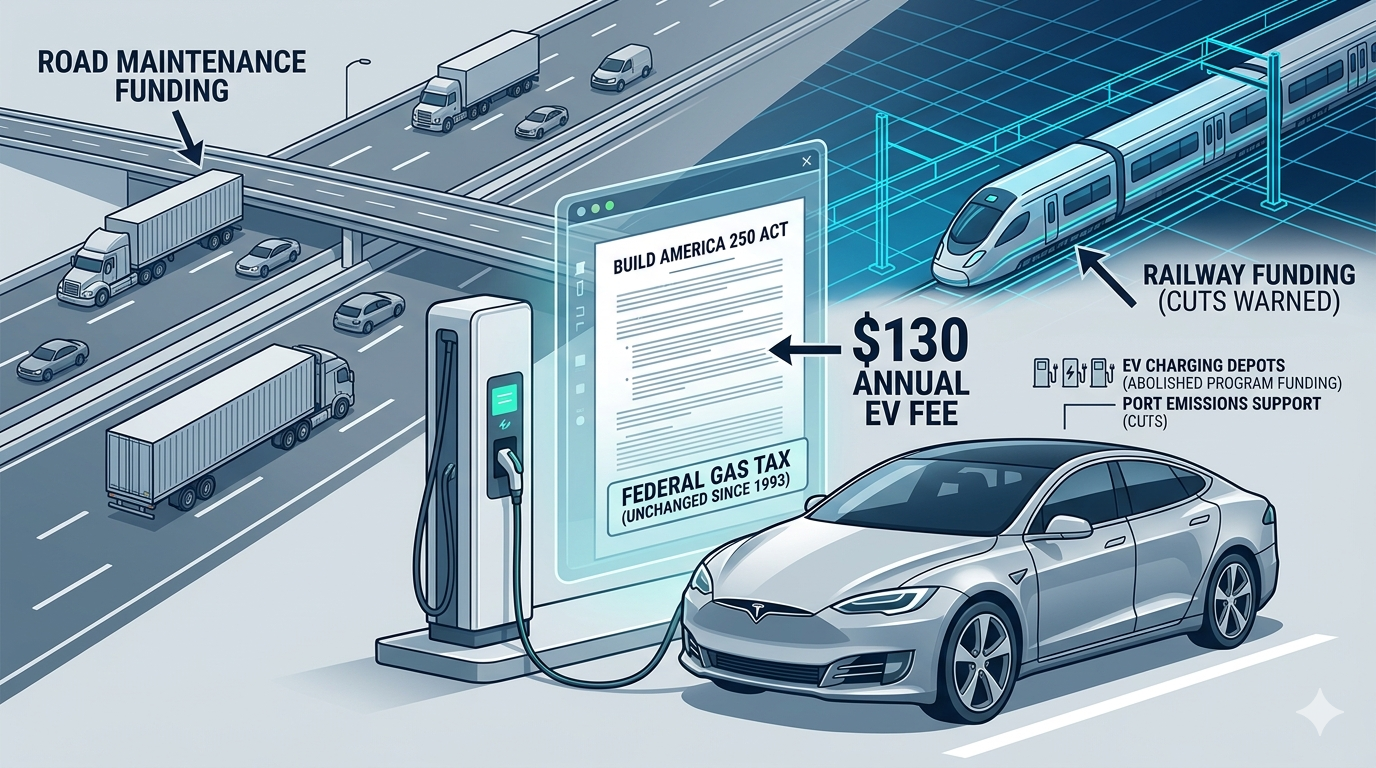
The House Transportation and Infrastructure Committee proposed a five-year transportation funding bill in May that would cut federal funding for

A coalition of seven states led by New York Attorney General Letitia James has officially filed a lawsuit against the

Digital transformation specialist Manish Kumar discusses how oil and gas manufacturing organizations are using structured operational data, intelligent automation, and

US LNG export growth has transformed from a domestic success story into a vital pillar of global energy security as

The Department of Energy has recently initiated a strategic shift that repurposes one of the most complex legacies of the
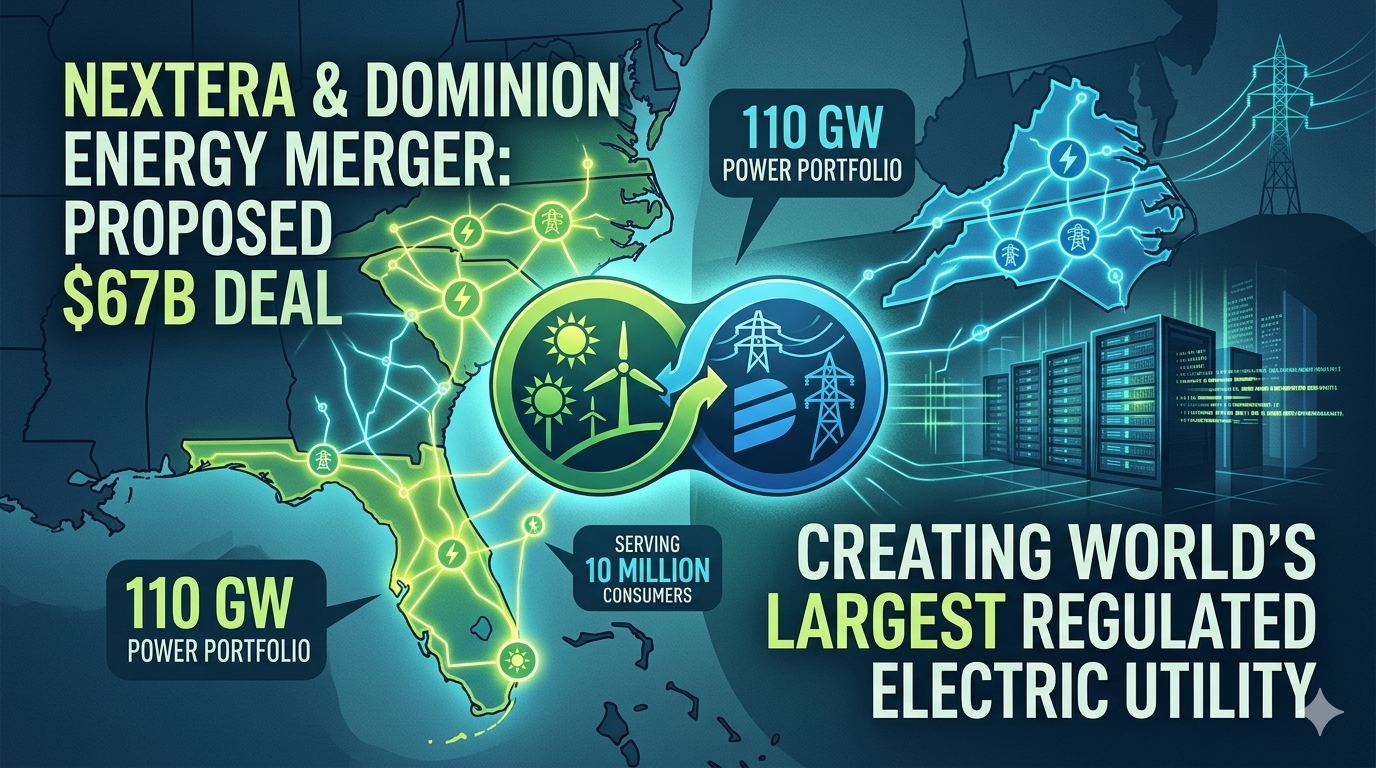
NextEra and Dominion Energy announced on May 18th plans to merge, which could create the world’s largest regulated electric utility

AI energy demand surges have fundamentally altered the landscape of American energy policy. As of May 2026, the Department of
