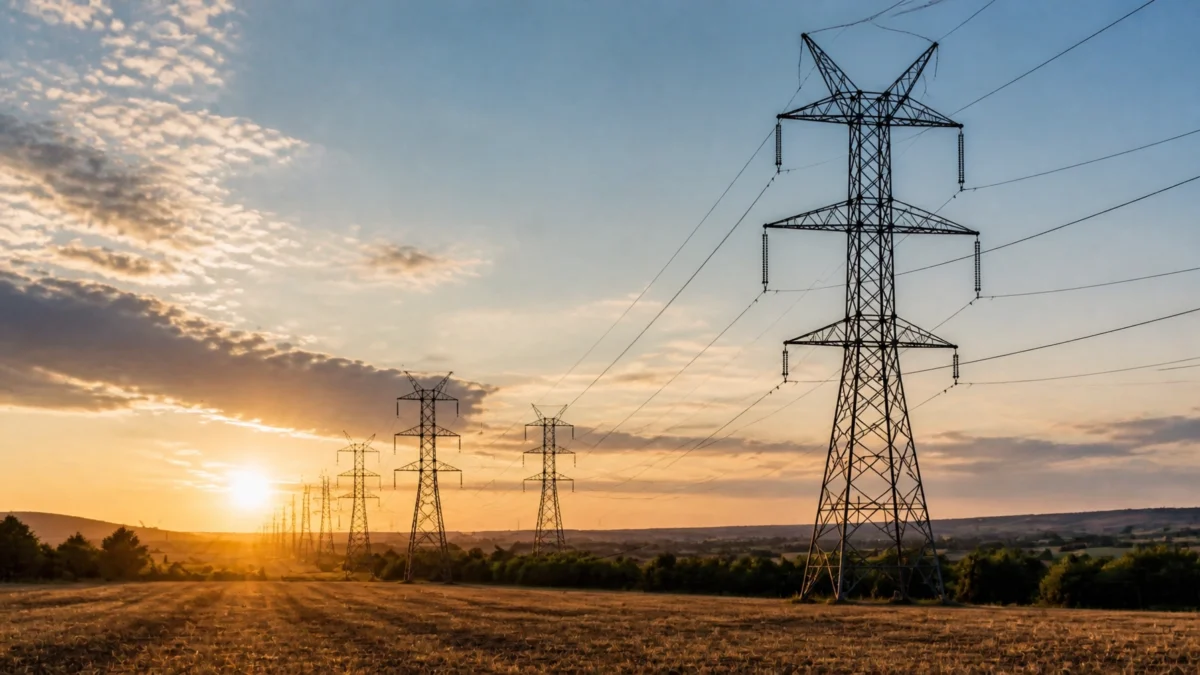
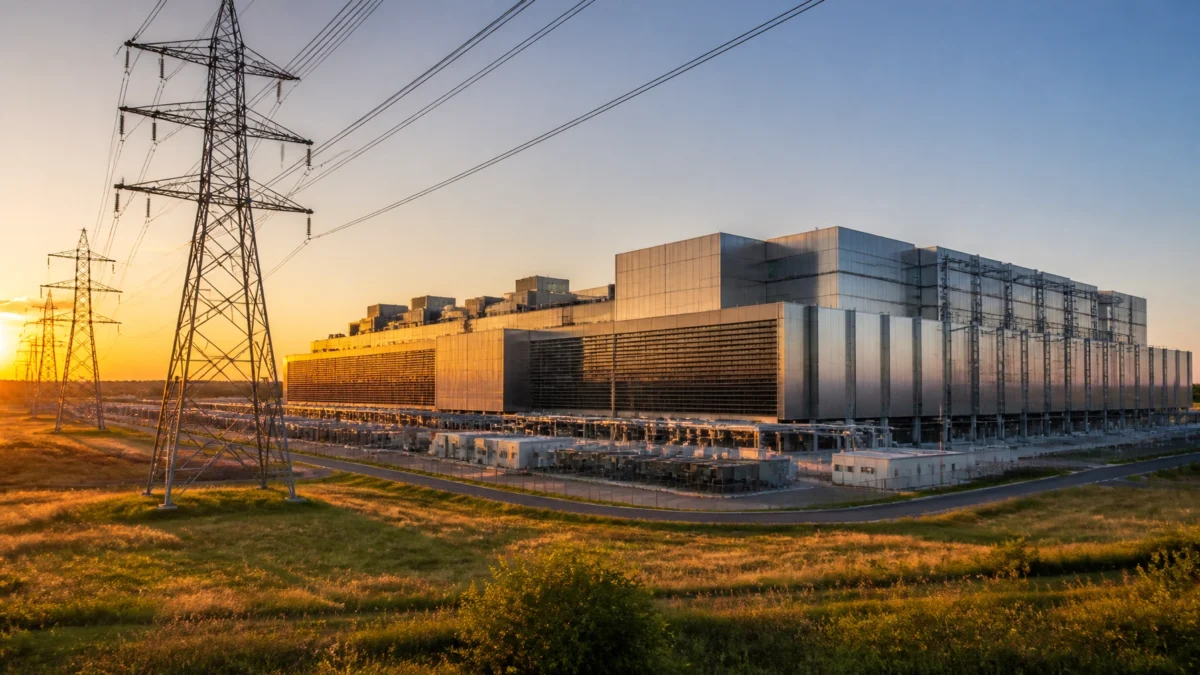
Surging AI power demand has transitioned from a niche tech industry concern into a central pillar of national energy policy. While most of the public focus on artificial intelligence remains on the capabilities of chatbots and generative art, the physical reality is that every prompt and every model training session requires a massive amount of electricity. We are currently witnessing a historic shift where the digital economy is placing an unprecedented strain on the physical energy grid. By 2026, the energy requirements of data centers are projected to reach a scale that would make the industry the fifth largest energy consumer in the world if it were a country.
The unprecedented scale of surging AI power demand
To understand why everyone is talking about this, we have to look at the numbers. Traditional data centers used to be relatively predictable in their growth. However, AI-optimized server racks are a different beast entirely. A standard server rack might draw between 5 and 15 kilowatts, but an AI-heavy rack can pull anywhere from 30 to 100 kilowatts. This surge in power density is fundamentally changing how utilities and grid operators like those under the Federal Energy Regulatory Commission (FERC) plan for the future.
Recent data from the International Energy Agency (IEA) and various industry analysts suggests that we are at the beginning of a hockey-stick curve in electricity consumption. Consider these figures for the near-term horizon:
- Global data center electricity consumption is projected to approach 1,050 TWh by 2026, doubling its 2022 levels.
- In the United States, data center power requirements are expected to reach approximately 76 GW by 2026, a sharp increase from the 25 GW load seen just a couple of years ago.
- AI-optimized servers are expected to account for nearly 44% of total data center power by 2030, but the transition is already well underway in 2026.
- Regional grid operators in areas like Northern Virginia and the PJM Interconnection are seeing data centers consume over 25% of the total local electricity output.
This concentration of demand creates massive local pressure. When a single campus requires multiple gigawatts of power, it is not just a matter of plugging in a new building; it requires an entirely new approach to transmission and generation.
Infrastructure bottlenecks and the surging AI power demand
The primary challenge isn’t just generating the power, but getting it to where the servers are. We are currently facing a massive mismatch between the speed of software development and the speed of hardware infrastructure. While a new AI model can be trained and deployed in months, building a new high-voltage transmission line can take a decade or more. This bottleneck has led the Department of Energy (DOE) to launch its Speed to Power Initiative, which aims to fast-track grid generation and transmission projects specifically to accommodate these massive new loads.

Reliability has become the watchword for 2026. Grid operators are increasingly concerned about the potential for brownouts or grid instability in data center hubs. According to recent reports, some interconnection queues: the waiting list for new energy projects to connect to the grid: have stretched out as long as seven years. This delay is forcing a re-evaluation of how we permit and build energy infrastructure.
At Energy Network Media Group, we have been closely following the impact of NEPA reforms and the use of the Defense Production Act to secure grid reliability. You can read more about how these DOE coal plant emergency orders are functioning as a temporary bridge while the grid tries to catch up with the tech boom. Without significant NEPA reforms to streamline the building of new pipelines and power lines, the AI revolution could literally run out of juice.
Fueling the future with natural gas and nuclear surging AI power demand
The 24/7 nature of data centers means they cannot rely solely on intermittent sources like wind and solar. To keep the servers humming at midnight when the sun isn’t shining and the wind isn’t blowing, data center operators are increasingly looking for reliable baseload power. This has created a surprising resurgence in interest for two specific fuel sources: natural gas and nuclear energy.

Natural gas remains the “reliable workhorse” of the current energy transition. It provides the flexibility to ramp up and down quickly, which is essential for balancing a grid that is integrating more renewables while simultaneously feeding power-hungry AI clusters. In many wholesale markets, the surge in demand has already led to price spikes. For instance, in the PJM market, capacity prices for the 2025–26 period jumped significantly, which will eventually trickle down to consumer bills.
Nuclear energy is the other major player in this conversation. Tech giants are no longer just looking to buy credits; they are looking to buy the power plants themselves. We are seeing a trend toward “behind-the-meter” nuclear deals where data centers are built directly next to nuclear facilities to ensure a dedicated, carbon-free, 24/7 power supply. The federal government has recognized this need, with the White House energy budget increasingly focusing on advanced nuclear technologies and Small Modular Reactors (SMRs) as a long-term solution for high-density industrial loads.

Editorial Insight: Navigating the new energy economy
The reality of 2026 is that energy policy is now technology policy. You cannot have a leading AI industry without a robust and rapidly expanding energy grid. This shift is forcing a level of cooperation between the tech sector and the energy industry that we haven’t seen before. Policy makers at the Department of the Interior (DOI) and FERC are now having to balance traditional conservation goals with the urgent need for industrial expansion.
For the professionals and decision-makers we serve at SHALE Magazine, this isn’t just about higher electricity bills. It is about a fundamental shift in where investment is flowing. We are seeing a massive influx of capital into grid-edge technologies, battery storage, and localized generation. The “Energy Mixx” is becoming more complex, but also more vital to the global economy than ever before.
As we move forward, the focus will remain on whether our regulatory frameworks can keep pace with the exponential growth of computing power. The transition to an AI-driven economy is a physical challenge as much as it is a digital one. By understanding the energy infrastructure that powers these systems, we can better navigate the risks and opportunities of this new era.
Keep In Touch with Shale Magazine
As the new era of energy unfolds, you can bet we’ll be the boots on the ground to keep you informed. Subscribe to Shale Magazine for sharp insight into the arenas that matter most to your life. And don’t forget to listen to our riveting podcast, The Energy Mixx Radio Show, where our very own Kym Bolado interviews the most extraordinary thought leaders, business innovators, and industry experts of our time.
Subscribe to get more posts from Amanda Jenkins