The landscape of American energy policy is undergoing its most significant transformation in decades, driven not by a singular ideology, but by the relentless and accelerating power requirements of artificial intelligence. As we enter the mid-point of 2026, the intersection of technological ambition and infrastructure reality has forced a bipartisan pivot toward baseload reliability and nuclear expansion. Significant AI energy demand shifts are now the primary lens through which the Department of Energy and the White House view long-term grid security.
From massive loan programs for nuclear reactors to the tactical preservation of coal plants, Washington is responding to a simple mathematical truth: the digital economy requires more firm power than current systems can provide. This new reality is reshaping everything from federal permitting to national defense strategies.
AI energy demand shifts fueling a nuclear resurgence
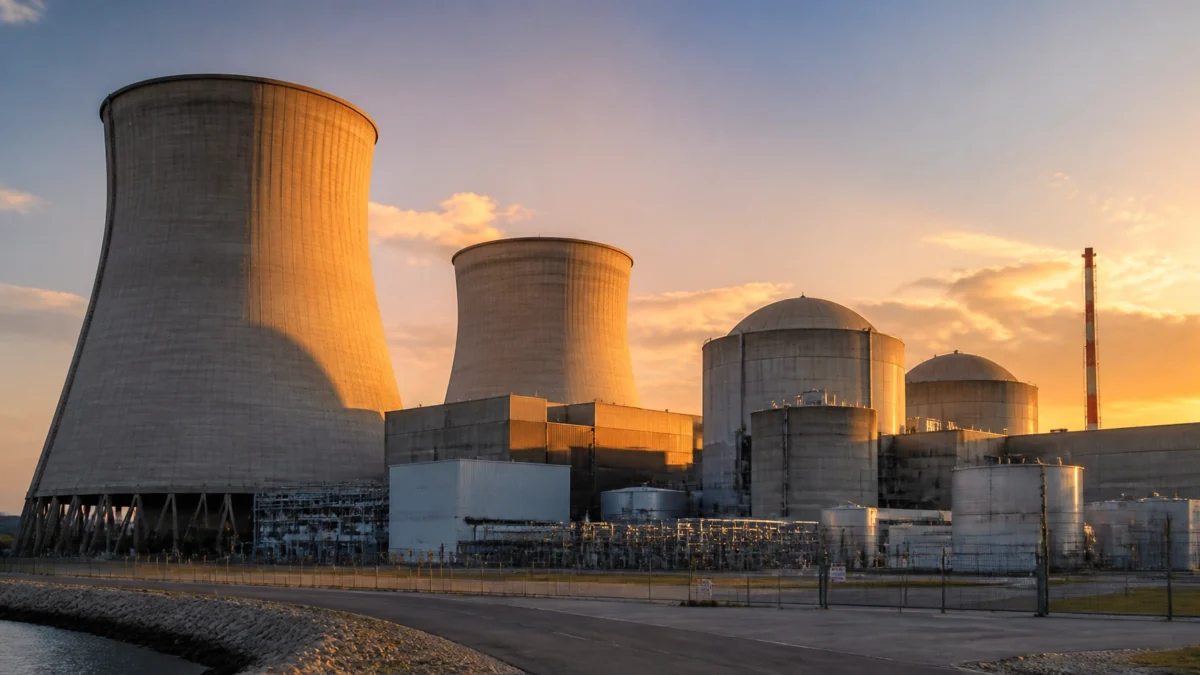
In late June 2026, the Department of Energy took its most aggressive step yet to bolster the domestic power supply by announcing the American Nuclear Supply Chain Loans. This $17.5 billion program is designed to finance the construction of ten large AP1000 reactors, marking a definitive return to large-scale nuclear infrastructure. The program, administered through the Office of Energy Dominance Financing, aims to restore the domestic supply chain and accelerate deployment timelines that have historically plagued the industry.
The motivation behind this capital injection is inextricably linked to the tech sector. Hyperscalers like Amazon, Google, and Microsoft have shifted from being secondary players in the energy market to primary catalysts for infrastructure development. This pivot toward nuclear power is not merely a sustainability play; it is a necessity for the 24/7 reliability that AI data centers demand.
According to recent analysis, the federal government has set an ambitious target of 300 GW of new nuclear capacity by 2050. To reach this, the DOE is prioritizing projects that can be integrated into the grid by 2030. This includes leveraging the existing footprints of decommissioned or aging facilities, as seen in the recent long-term power purchase agreements to restart units at Three Mile Island specifically for data center loads.

Grid reliability and the strategic pause on coal
While the long-term vision focuses on nuclear and clean energy, the immediate pressure of AI energy demand shifts has forced a pragmatic slowing of the transition away from traditional hydrocarbons. Grid reliability has become the paramount concern for regulators at the Federal Energy Regulatory Commission (FERC) and the DOE.
This month, the DOE issued an emergency order to keep a major coal-fired power plant in Colorado operational through September 2026. This decision reflects a growing anxiety over the “missing middle”: the gap between retiring legacy baseload plants and the online dates for new nuclear and renewable capacity. The surge in demand from AI processing has meant that even older, less efficient plants are now viewed as critical assets for national stability.
The energy industry is also seeing a shift in how natural gas is positioned within federal policy. While the administration continues to push for emissions reductions, natural gas remains the primary partner for renewable integration. Without a massive expansion of gas-fired generation and storage, the grid simply cannot absorb the volatile spikes in demand coming from the next generation of cloud computing clusters.

Navigating the permitting gridlock and the renewable stall
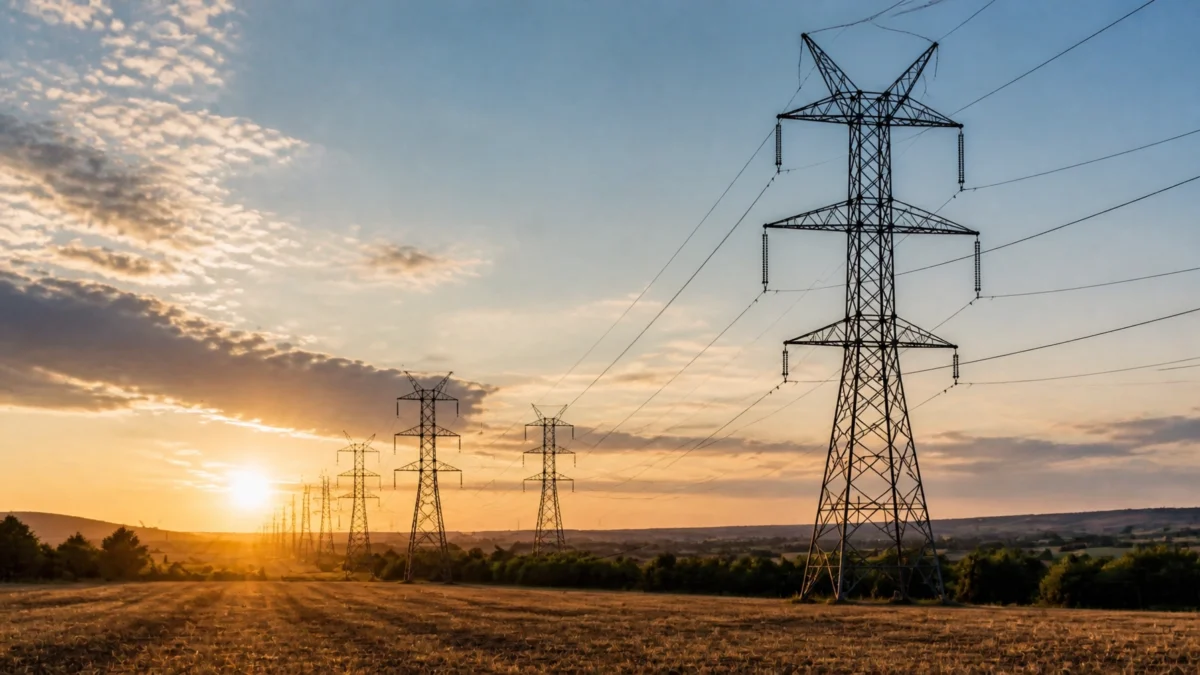
Despite the federal push for a diversified energy mix, the physical build-out of new infrastructure is hitting a significant wall. A recent report from Wood Mackenzie highlights a staggering $121 billion in stalled renewable investments due to permitting delays and grid interconnection backlogs. This permitting gridlock is not just a problem for wind and solar; it affects the very transmission lines needed to move power from rural production centers to urban data hubs.
In the offshore wind sector, the challenges have become even more acute. The Department of the Interior has recently overseen a series of lease buybacks totaling over $2.6 billion, as developers struggle with rising interest rates and supply chain bottlenecks. These exits, combined with a tightening of federal permitting under new administrative reviews, have raised serious questions about the feasibility of meeting mid-century offshore wind targets.
The current bottleneck is characterized by:
- Average interconnection wait times exceeding five years in some RTO markets.
- Over 1,500 GW of generation and storage currently sitting in queues across the United States.
- Increasing community opposition to long-distance transmission projects designed to support renewable energy.
Washington’s response has been to streamline some royalty valuation rules for federal lands and slash bonding costs for small operators, but the broader structural issues of the National Environmental Policy Act (NEPA) remain the primary hurdle. As AI energy demand shifts continue to outpace the speed of construction, the pressure for comprehensive permitting reform is reaching a fever pitch in Congress.

National security and the rise of microreactors
The connection between AI and energy is also redrawing the map for the Department of Defense. The U.S. Army has begun exploring the deployment of portable nuclear microreactors to secure energy supplies for domestic and overseas bases. This initiative, while smaller in scale than the DOE’s $17.5 billion program, represents a significant shift in how the military views energy resilience.
For the Pentagon, energy security is no longer just about fuel logistics; it is about protecting the digital infrastructure that powers modern warfare and intelligence. AI-driven logistics and surveillance systems require a level of power reliability that the civilian grid can no longer guarantee during peak demand periods or cyber incidents.
These microreactors provide several strategic advantages:
- Decoupling critical military functions from the vulnerable civilian power grid.
- Providing a steady power source for additive manufacturing and AI processing on-site.
- Reducing the carbon footprint of remote operations while maintaining 24/7 operational readiness.
The development of these portable units is expected to accelerate the commercialization of small modular reactors (SMRs), as the military provides a guaranteed “first-mover” customer base that can help drive down the cost of technology through repeated manufacturing.
The path forward for the energy economy
The events of June 2026 have made one thing clear: the energy transition is no longer a linear path from fossil fuels to renewables. It is a complex, multi-layered evolution that must account for the exponential growth of digital load. The DOE’s massive nuclear loans and the Army’s interest in microreactors are signs that Washington is finally prioritizing firm, reliable capacity to support the AI revolution.
For professionals in the energy sector, this means a renewed focus on hybrid systems where natural gas, nuclear, and renewables work in tandem. The challenge for policymakers will be to resolve the permitting bottlenecks that threaten to leave $121 billion in investment on the sidelines while ensuring that the grid remains resilient in the face of unprecedented demand.
As SHALE Magazine continues to track these developments, we remain focused on the expert analysis that connects the dots between policy, finance, and industrial reality. You can read more about our perspective on the US Critical Minerals Supply Strategy or dive deeper into the specifics of the DOE 17.5 Billion Nuclear Reactors program. The energy map is being redrawn, and the catalyst is the very technology that is currently reshaping the world.
Keep In Touch with Shale Magazine
As the new era of energy unfolds, you can bet we’ll be the boots on the ground to keep you informed. Subscribe to Shale Magazine for sharp insight into the arenas that matter most to your life. And don’t forget to listen to our riveting podcast, The Energy Mixx Radio Show, where our very own Kym Bolado interviews the most extraordinary thought leaders, business innovators, and industry experts of our time.
Subscribe to get more posts from Amanda Jenkins