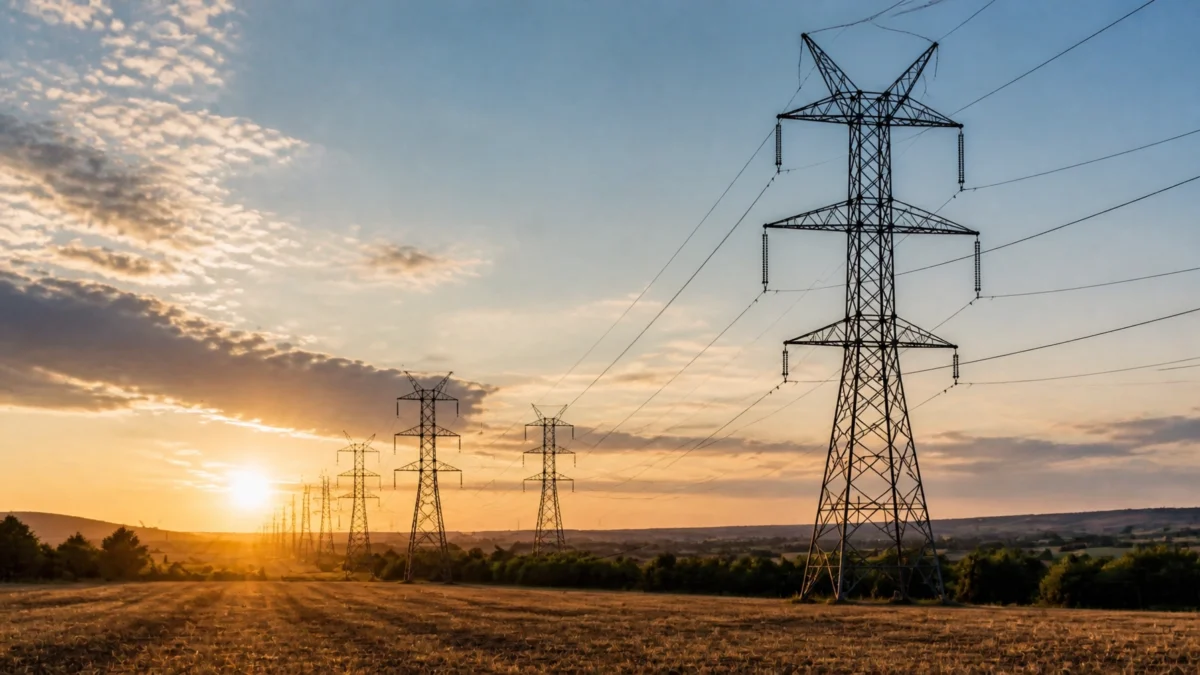
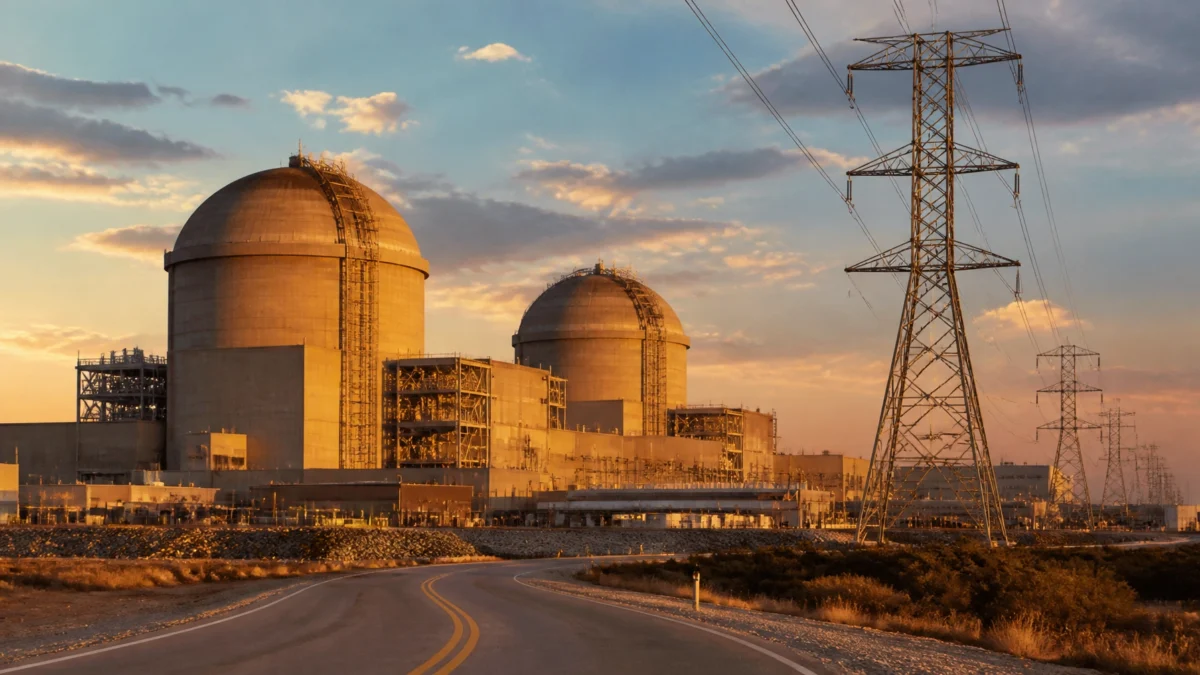
The landscape of the American energy grid is undergoing its most significant transformation in decades as the Department of Energy (DOE) shifts its focus toward massive, baseload power generation. On June 23, 2026, the DOE announced a landmark conditional commitment of $17.5 billion in “American Nuclear Supply Chain Loans.” This aggressive financing maneuver aims to kickstart a nationwide nuclear power capacity expansion by securing long-lead equipment for up to 10 new Westinghouse AP1000 reactors. By targeting the supply chain hurdles that have historically slowed nuclear development, the administration is placing a multi-billion dollar bet on the future of energy security and grid reliability.
Nuclear power capacity expansion and the Westinghouse AP1000
The core of this federal initiative is built around the Westinghouse AP1000, which remains the only fully designed and licensed advanced commercial reactor currently operating in the United States. Unlike the complex, one-off designs of the past, the AP1000 utilizes modular construction techniques intended to lower costs and reduce build times. The DOE’s program is structured to support five distinct projects, each consisting of two reactors, spread across five strategic sites.
The financial architecture of these projects involves a shared-risk model between the government and the private sector:
- Debt Financing: The DOE provides up to $3.5 billion in conditional debt financing per project.
- Equity Commitment: Before accessing federal funds, Westinghouse and its utility partners must commit approximately $1 billion in equity per project ($500 million each).
- Total Capitalization: Westinghouse and its partners are expected to contribute up to $5 billion in total equity across the entire 10-reactor portfolio.
- Timeline: The goal is to have all 10 reactors under construction by 2030, with full commercial operations beginning in the mid-2030s.
This capital injection is designed to accelerate project timelines by as much as three years. By ordering critical, long-lead components early: such as reactor pressure vessels and steam generators: the DOE aims to prevent the supply chain bottlenecks that plagued previous generation nuclear builds like the Vogtle expansion in Georgia.

Meeting the power surge for data centers through nuclear power capacity expansion
One of the primary drivers behind this sudden urgency in nuclear policy is the exponential growth of energy-intensive industries. As artificial intelligence and cloud computing continue to expand, data center hyperscalers are scouring the country for “firm” power: electricity that is available 24/7 and does not fluctuate with the weather. Renewable sources like wind and solar, while critical to the mix, often require expensive battery storage to meet the constant demand of a modern data facility.
Nuclear power capacity expansion offers a solution that balances the need for zero-emissions energy with the requirement for industrial-scale reliability. Major tech companies have already begun signing letters of intent with energy providers to secure nuclear output. According to recent DOE analysis, the 10 reactors proposed under this new loan program could provide enough carbon-free electricity to power millions of homes or dozens of the world’s largest AI training clusters.
The market has responded with significant interest. Westinghouse reports it has already signed letters of intent with seven potential partners, including several major utilities and private energy firms. These partners are identifying sites that can host the twin-reactor configurations, often looking at existing nuclear plant locations to take advantage of established grid connections and community support.

Policy drivers for nuclear power capacity expansion by 2050
The June 23 announcement is not an isolated event but rather a critical step in a broader national energy strategy. The current administration has set a formidable goal of adding 300 GW of net new nuclear capacity to the U.S. grid by 2050. Achieving this would essentially triple the current nuclear output of the United States, requiring a massive overhaul of the domestic supply chain and a streamlined permitting process.
This policy shift reflects a growing consensus in Washington that nuclear energy is the “missing link” in maintaining energy dominance. The Department of the Interior and the DOE are working in tandem to identify federal lands and former industrial sites that could be repurposed for nuclear development. Furthermore, the push for 300 GW aligns with broader legislative efforts to reform the Nuclear Regulatory Commission (NRC), making it easier for advanced designs like the AP1000 to move from blueprints to reality.
As we have discussed in our previous coverage of 2026 energy policy trends, the intersection of national security and energy production is becoming the dominant narrative in D.C. The DOE’s $17.5 billion loan program is the first major financial catalyst intended to prove that the U.S. can still build large-scale infrastructure on a competitive timeline.

Navigating the hurdles of large scale nuclear builds
Despite the optimism in Washington, the path forward is not without significant obstacles. Industry analysts note that while $17.5 billion is a historic investment, it represents only a fraction of the total cost required to bring 10 large reactors online. Estimates for the total construction costs of 10 AP1000 units exceed $200 billion, meaning the DOE loans serve primarily as a “bridge” to attract private investment rather than a full funding solution.
The success of this nuclear power capacity expansion will depend on several factors:
- Regulatory Approval: The NRC must remain efficient in its review of site-specific licenses.
- Labor Force: A specialized workforce of thousands of nuclear engineers and certified welders must be trained and deployed by 2030.
- Partner Commitment: Utilities must remain committed to these long-term projects even as cheaper, short-term natural gas options remain available.
At Energy Network Media Group, we continue to monitor these developments as they impact the broader energy economy. Whether this $17.5 billion “bet” pays off will depend on the industry’s ability to demonstrate that the AP1000 can be built on time and on budget. For more insights into the evolving energy landscape and expert analysis on the transition to advanced baseload power, stay tuned to SHALE News and our latest industry updates.
Keep In Touch with Shale Magazine
As the new era of energy unfolds, you can bet we’ll be the boots on the ground to keep you informed. Subscribe to Shale Magazine for sharp insight into the arenas that matter most to your life. And don’t forget to listen to our riveting podcast, The Energy Mixx Radio Show, where our very own Kym Bolado interviews the most extraordinary thought leaders, business innovators, and industry experts of our time.
Subscribe to get more posts from Amanda Jenkins