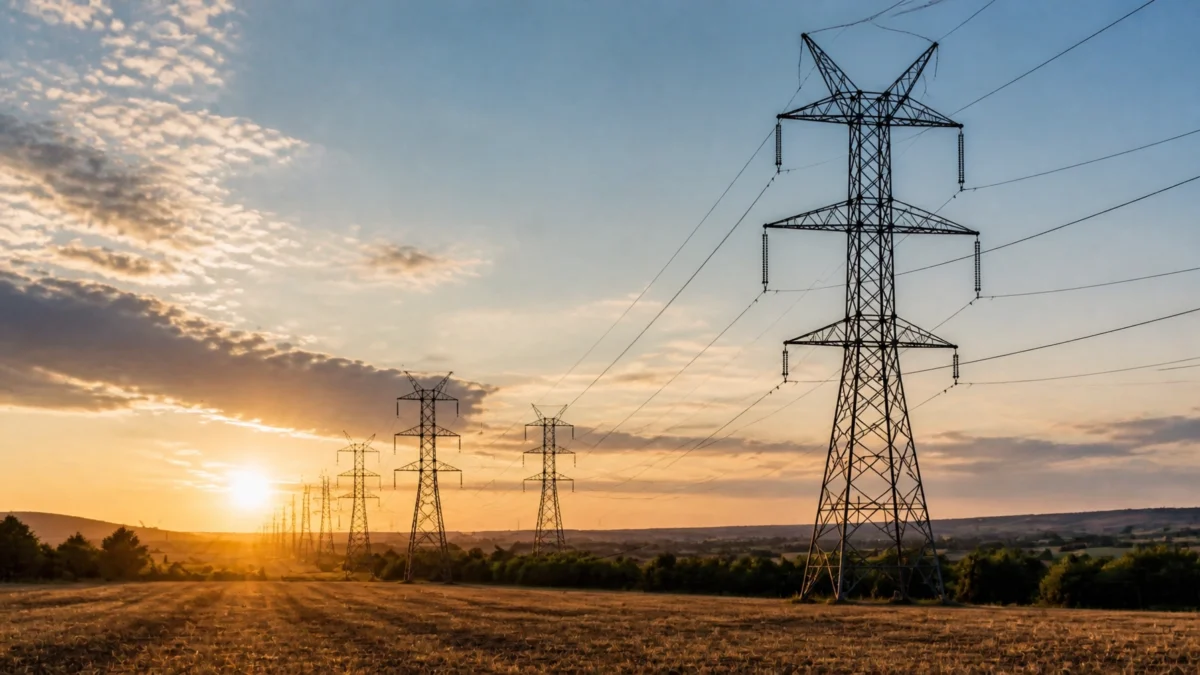
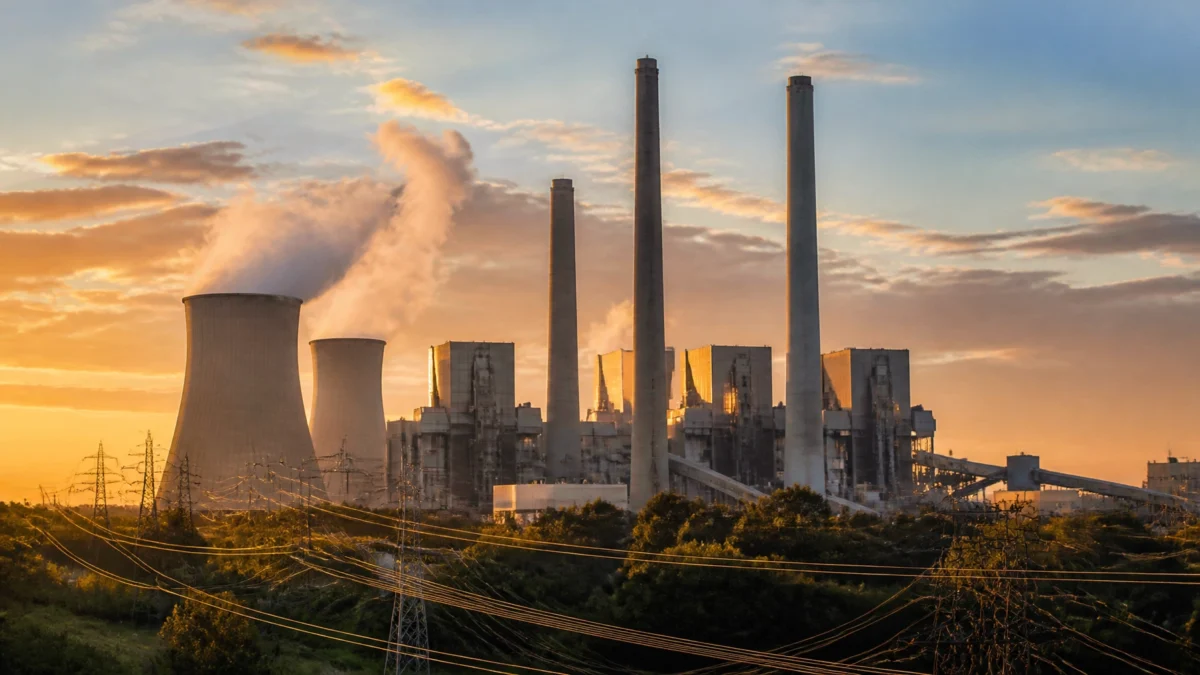
Grid reliability emergency orders have become a defining characteristic of the American energy landscape as we move into the summer of 2026. On June 29, 2026, the Department of Energy officially enacted an emergency order to keep the Craig Station Unit 1 coal plant in Colorado operational, effectively overriding the facility’s scheduled retirement. This move follows a similar disaster emergency declaration in Indiana just over a week ago, signaling a growing tension between long-term environmental goals and the immediate, non-negotiable need for baseload power.
The decision to intervene in Colorado was not an isolated incident. Across the country, the Department of Energy and state governors are increasingly reaching for their emergency powers to prevent the premature exit of thermal generation units that were once slated for decommissioning. As the North American Electric Reliability Corporation has warned throughout its 2025 and 2026 assessments, the gap between surging energy demand and available supply is narrowing to a point that poses a significant risk to the stability of the national power grid.
The Section 202(c) mandate and the Craig Station intervention
The core of the recent federal action lies in Section 202(c) of the Federal Power Act. This provision allows the Secretary of Energy to issue temporary emergency orders during times of war or whenever the Department determines that an emergency exists by reason of a sudden increase in the demand for electric energy or a shortage of electric energy. In the case of Craig Station Unit 1, the DOE determined that an energy emergency existed within the Western Electricity Coordinating Council Rocky Mountain assessment area.
Originally, the plant was scheduled to retire at the end of 2025. However, mechanical issues and shifting regional demand necessitated an initial emergency order in late 2025, which has now been extended through September 26, 2026. The mandate requires the Tri-State Generation and Transmission Association and its co-owners to keep the unit available for operation at the direction of the Western Area Power Administration and the Southwest Power Pool.
Tri-State has noted that complying with these grid reliability emergency orders requires substantial additional spending on operations, maintenance, and fuel procurement. This highlights a critical challenge for utilities: they are being forced to maintain uneconomic assets to serve as a backstop for a grid that is struggling to integrate weather-dependent renewables while meeting the massive load requirements of the modern digital economy.

Secretary Chris Wright and the push for energy realism
Energy Secretary Chris Wright has framed these interventions as part of a broader commitment to energy reliability and affordability. Since taking office, Wright has emphasized a portfolio that maintains a diversified energy mix, arguing that the transition to cleaner sources cannot come at the expense of keeping the lights on. In recent press briefings, he has reiterated that the Department of Energy will not hesitate to use its emergency authority to prevent localized blackouts during peak summer and winter demand periods.
The policy direction under Secretary Wright represents a shift toward what some analysts call energy realism. This approach acknowledges that while the $17.5 billion investment in nuclear supply chains and small modular reactors is a vital long-term strategy, the immediate needs of 2026 require the continued presence of coal and natural gas. You can read more about the DOE’s nuclear supply chain initiatives here.
Wright’s critics argue that these emergency interventions delay necessary decarbonization and create a moral hazard for utilities that may slow their transition to renewables, knowing the government will step in to save aging fossil plants. Supporters, however, point to the Indiana disaster emergency declared on June 19, 2026, which covered 63 counties, as proof that the margins for error in the current grid are virtually non-existent.
NERC assessments confirm elevated blackout risks
The data backing these emergency decisions is stark. The 2025 Long-Term Reliability Assessment provided by the North American Electric Reliability Corporation concluded that blackout risks are elevated and worsening. The report flagged that 13 of the 23 assessment areas across North America face potential capacity or energy shortfalls through 2030. This is largely driven by the fastest demand growth the industry has seen since the mid-1990s.
The primary drivers of this demand surge include:
- The rapid expansion of large-scale AI and cloud data centers that require constant, high-volume baseload power.
- The widespread electrification of industrial processes and residential heating.
- The slower-than-anticipated rollout of interregional transmission projects.
- The sensitivity of weather-dependent resources during extreme temperature events.
When the grid faces these pressures, the reliability of coal-fired units like Craig Unit 1 becomes a critical insurance policy. These units provide what is known as firm capacity: power that is available on demand regardless of whether the wind is blowing or the sun is shining. Without this firm capacity, the risk of controlled load shedding, or rolling blackouts, increases exponentially during high-demand summer afternoons.

Balancing reliability with the energy transition
The use of grid reliability emergency orders highlights the difficult balancing act facing Washington. The Department of the Interior has simultaneously worked to streamline royalty valuations for oil and gas on federal lands to ensure supply stability, yet the Department of Energy is forced to act as a regulator of last resort when that supply cannot meet the demands of the electric grid.
This tension is visible in the legal battles surrounding the Craig Station order. Environmental organizations and some utility owners have challenged the DOE’s authority, arguing that the emergency is not as pressing as the government claims. They contend that forcing the operation of uneconomic coal plants disrupts long-term resource planning and shifts costs onto ratepayers. However, from the perspective of the DOE, the cost of a regional blackout is far higher than the cost of keeping a coal unit on standby.
The reality of 2026 is that the energy transition is moving through a period of extreme physical constraint. While the industry is making strides in battery storage and geothermal technology, these solutions have not yet reached the scale necessary to replace the massive blocks of power provided by units like those at Craig Station or the coal plants recently protected in Indiana.

The road ahead for the American power grid
As we look toward the remainder of the 2026 cooling season and into the winter of 2027, the frequency of these emergency interventions is likely to increase. The Department of Energy is currently monitoring several other regions where reserve margins are tightening beyond comfort levels. For professionals in the energy sector, this trend underscores the importance of staying informed on federal policy shifts and NERC reliability updates.
The lessons from the Colorado and Indiana mandates are clear: reliability remains the ultimate priority for the Department of Energy. While the long-term goal remains a cleaner, more sustainable grid, the immediate priority is ensuring that the infrastructure we have today is capable of meeting the demands of tomorrow. Whether through coal plant extensions, nuclear investments, or new permitting reforms, the focus in Washington has shifted toward a pragmatic defense of the American power grid.
For more insights into the latest trends in the energy economy and expert analysis on policy and finance, stay connected with our latest updates. You can find more detailed coverage on our latest SHALE News page.
Keep In Touch with Shale Magazine
As the new era of energy unfolds, you can bet we’ll be the boots on the ground to keep you informed. Subscribe to Shale Magazine for sharp insight into the arenas that matter most to your life. And don’t forget to listen to our riveting podcast, The Energy Mixx Radio Show, where our very own Kym Bolado interviews the most extraordinary thought leaders, business innovators, and industry experts of our time.
Subscribe to get more posts from Amanda Jenkins