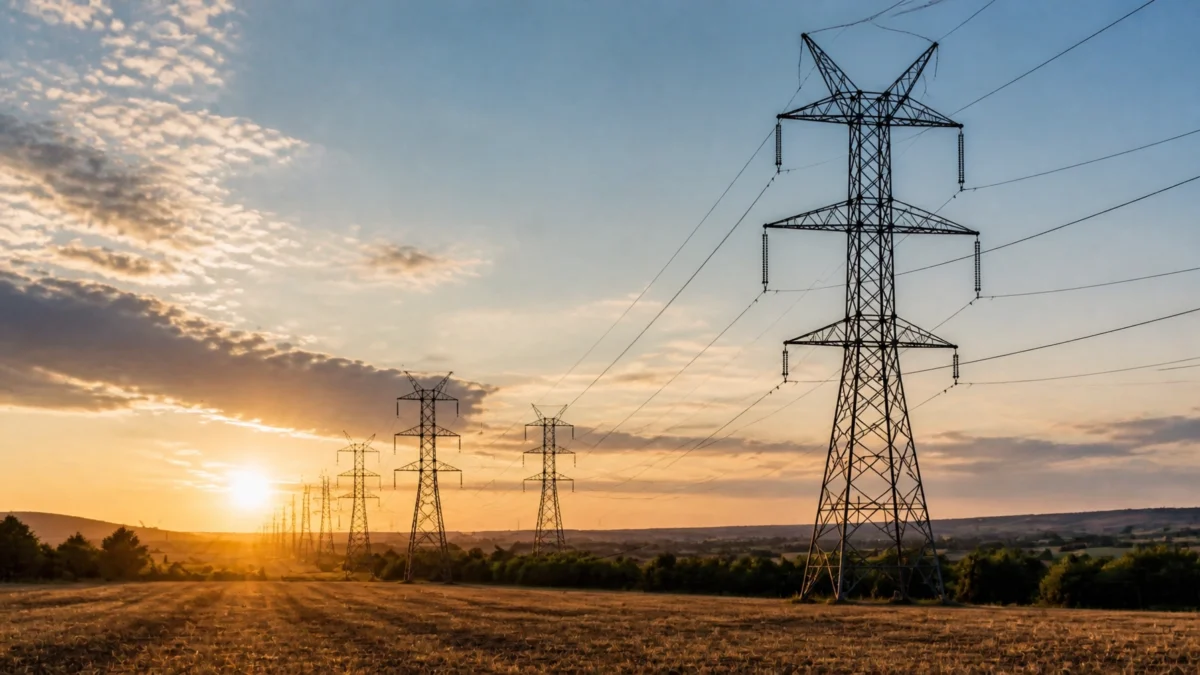
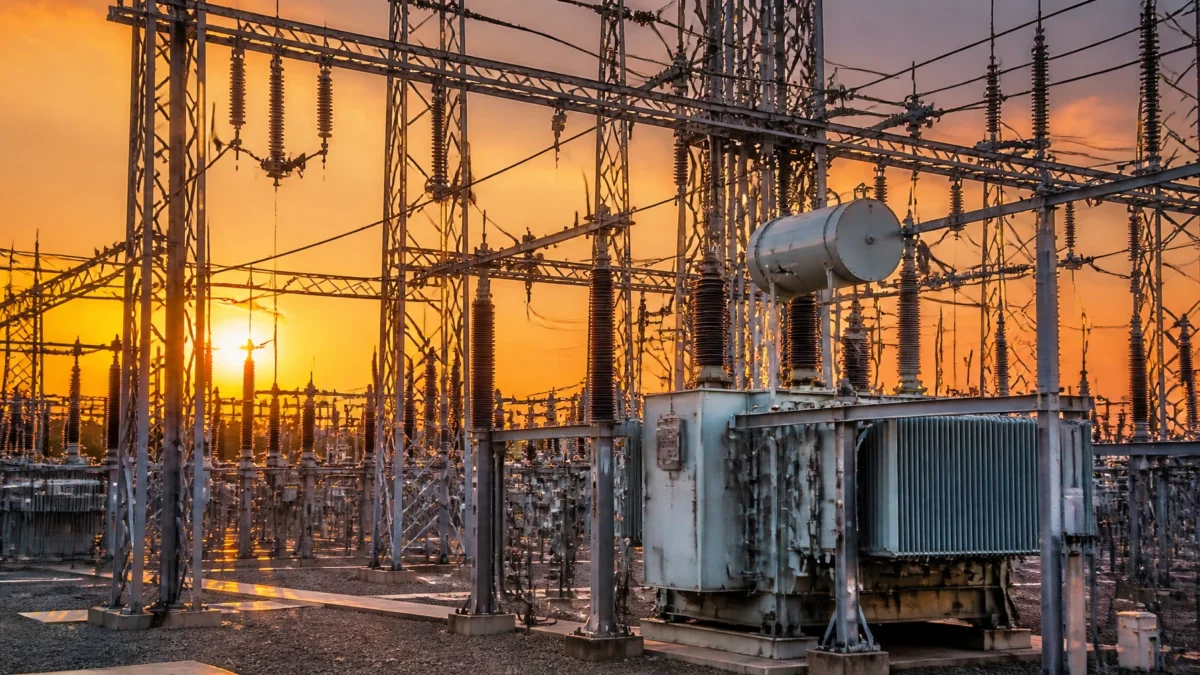
Grid reliability 2026 strategy. As we look toward the middle of this decade, the American power grid is entering what industry analysts call a period of extreme transformation. We are currently witnessing the fastest acceleration in electricity demand growth since 1995, driven by the massive energy requirements of AI data centers and the broad electrification of our transportation and industrial sectors. For anyone keeping an eye on their monthly utility bill or the stability of the local grid, the conversation often boils down to a heated debate: natural gas versus renewables. However, for those of us deeply embedded in the energy economy, the reality is far more nuanced.
The 2026 outlook suggests that we are moving away from an “either-or” mentality and toward a sophisticated hybrid model. According to the North American Electric Reliability Corporation (NERC) in its recent Long-Term Reliability Assessment, the grid is facing elevated shortfall risks as older coal plants retire faster than new, firm capacity can be brought online. This has led to a renewed focus on how we balance intermittent wind and solar with the steady, dispatchable power provided by natural gas.
The Dual Pillars of a Grid Reliability 2026 Strategy
To understand the current strategy, we have to look at the concept of firm capacity. Natural gas remains the backbone of the American grid because it can be ramped up or down in minutes to meet shifting demand. Unlike wind and solar, which are variable energy resources (VERs), natural gas is dispatchable. NERC data indicates that at least 13 of 23 assessment areas across North America are adding natural gas capacity over the next decade specifically to mitigate energy shortfall risks.
However, the strategy for 2026 is not just about burning more gas. It is about making gas assets more resilient and flexible. This includes significant investments in winterization and firmer fuel supply contracts. We saw during recent extreme weather events that interruptible gas contracts can leave power plants stranded when they are needed most. Policymakers are now pushing for better gas-electric coordination, ensuring that critical gas infrastructure like pipelines and compressor stations are protected from rolling blackouts.
On the other side of the ledger, renewables are scaling at an unprecedented rate. But as their share of the energy mix grows, their “effective” capacity contribution during peak stress events: like a calm, hot summer evening after the sun goes down: has actually been adjusted downward in many planning models. This is where the integration of natural gas becomes vital. It provides the “bridge” that allows us to add more renewables without compromising the 24/7 reliability we expect. You can see this shift in focus within recent DOE coal plant emergency orders that aim to shore up regional grids while these new systems are being built.

Bridging the Intermittency Gap with Battery Storage
One of the most exciting developments in the grid reliability 2026 strategy is the staggering growth of utility-scale battery storage. If natural gas is the bridge, then batteries are the shock absorbers of the modern grid. The U.S. Energy Information Administration (EIA) projects that utility-scale battery storage capacity will reach nearly 65 gigawatts by the end of 2026. To put that in perspective, we were sitting at around 17 gigawatts at the start of 2024.
This three-fold increase changes the math for grid operators. Batteries allow us to capture excess solar power produced during the midday peak and release it during the evening hours when demand spikes. In regions like ERCOT (Texas) and CAISO (California), batteries have already begun reducing renewable curtailment by double-digit percentages. By shifting this energy, we reduce the need to fire up less efficient “peaker” gas plants for short bursts of demand.
The 2026 strategy also leverages distributed energy resources (DERs) and virtual power plants (VPPs). Instead of relying solely on massive, centralized power stations, the grid of the near future will use thousands of smaller assets: home batteries, electric vehicles, and smart thermostats: coordinated as a single resource. The White House and DOE are currently focusing on energy budget priorities that incentivize these technologies, treating flexible demand as a core reliability asset rather than just an optional add-on.

Policy Reform and the Future Grid Reliability 2026 Strategy
Reliability is as much about policy as it is about hardware. The Federal Energy Regulatory Commission (FERC) is currently leading a massive overhaul of how we plan and pay for the grid. A key part of the grid reliability 2026 strategy involves reforming the interconnection queue: the long line of projects waiting to plug into the grid. Currently, thousands of gigawatts of wind, solar, and storage are stuck in administrative limbo.
FERC’s market and planning reforms are designed to integrate transmission planning with resource and interconnection planning into a single, long-term framework. This is crucial because even if we build the world’s most efficient gas plant or the largest solar farm, it does nothing for reliability if we cannot move that power to where the people are. We are also seeing a significant push for a nuclear energy renaissance as a way to provide carbon-free baseload power that complements the variable nature of renewables.
In addition to federal action, regional cooperation is becoming a priority. Markets like the California ISO’s Extended Day-Ahead Market are helping Western states share resources more effectively during heatwaves or cold snaps. This wide-area coordination allows a surplus of wind in one state to cover a shortage of solar in another, reducing the overall stress on the entire system.
The Hybrid Path Forward
As we move toward 2026, the winner of the “Natural Gas Vs. Renewables” debate isn’t one or the other: it is the consumer who benefits from a diverse and resilient energy portfolio. The strategy is clear: maintain and upgrade natural gas assets for firm reliability, aggressively deploy batteries to handle intermittency, and reform our policy and transmission infrastructure to tie it all together.
We are entering an era of “all-of-the-above” energy production that requires expert analysis and a steady hand. Whether it is through the latest reports from the EIA or deep dives into market trends in SHALE Magazine, staying informed is the first step toward a more reliable energy future. The grid is changing, but with a balanced strategy, we can ensure it remains the stable foundation of our modern economy.
Keep In Touch with Shale Magazine
As the new era of energy unfolds, you can bet we’ll be the boots on the ground to keep you informed. Subscribe to Shale Magazine for sharp insight into the arenas that matter most to your life. And don’t forget to listen to our riveting podcast, The Energy Mixx Radio Show, where our very own Kym Bolado interviews the most extraordinary thought leaders, business innovators, and industry experts of our time.
Subscribe to get more posts from Amanda Jenkins