
Patriot Program public lands initiatives are officially moving into a high-gear pilot phase as the United States approaches its semiquincentennial. Interior Secretary Doug Burgum recently announced the launch of the program, a strategic three-year investment designed to revitalize the nation’s most iconic landscapes and historic structures. With a $250 million federal commitment at its core, the program represents one of the most significant shifts in public land management in recent years, prioritizing tangible infrastructure improvements and workforce development over abstract conservation goals.
The initiative is deeply rooted in Executive Order 14189, which outlines the framework for the America 250 commemoration. Rather than focusing solely on celebratory events, the Department of the Interior is leveraging this milestone to address a long-standing backlog of maintenance and preservation needs. This is not just a government spending package; it is a collaborative model that requires private industry to step up and match federal ambition. The Patriot Program functions on a public-private partnership model where every federal dollar allocated must be matched by at least 50% in private funding or in-kind contributions. This ensures that the projects selected are not only viable but have the direct support of the communities and industries that rely on these public resources.
Scaling restoration through Patriot Program public lands partnerships
The financial structure of the Patriot Program is a notable departure from traditional grant-based systems. By requiring a 50% private match, the Department of the Interior is effectively turning $250 million into a $375 million total investment pool. This approach encourages local governments, non-profits, and corporate partners to take an active stake in the stewardship of public lands. According to the Department of Interior, the focus is on high-impact projects that have visible benefits for public access and historical integrity.
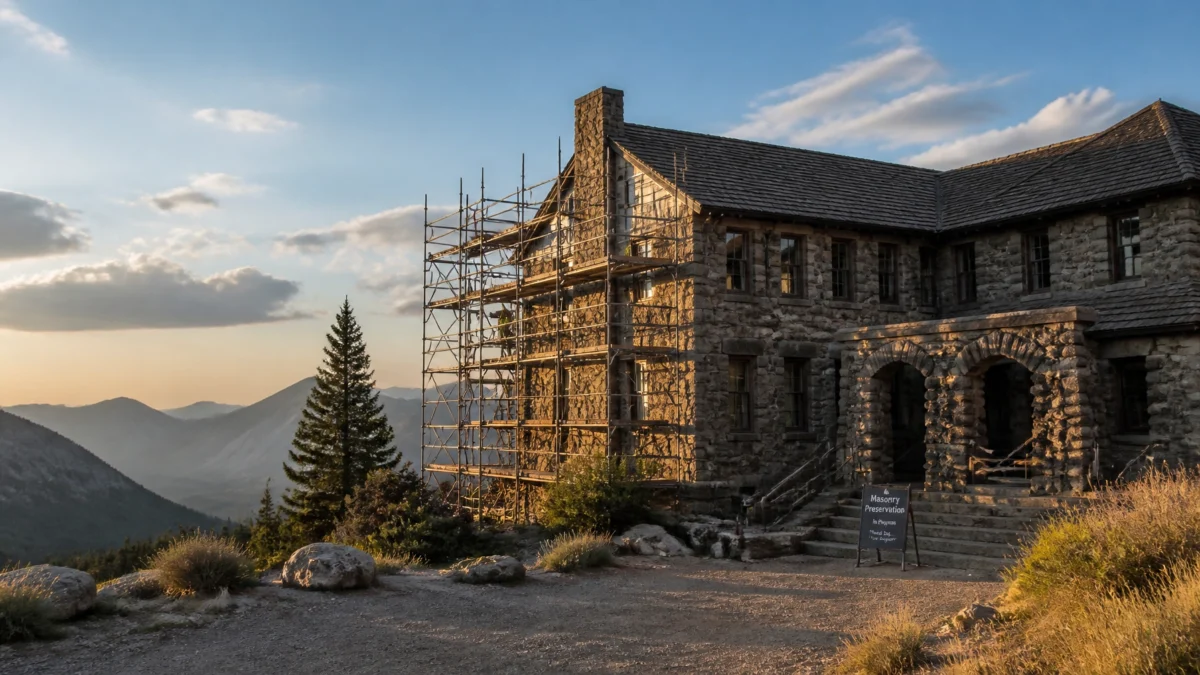
Historic preservation is a primary pillar of this pilot. Many of the nation’s oldest structures located on public lands have suffered from decades of weather-related wear and limited funding. The Patriot Program aims to reverse this trend by funding specialized masonry repairs and structural stabilizations. These are not simple cosmetic fixes; they are complex engineering tasks that require a high degree of technical skill. By focusing on these specialized trades, the program also addresses a critical gap in the American labor market: the shortage of master masons and preservation specialists.

Technical expertise and the Patriot Program public lands workforce
A major component of Secretary Burgum’s vision for the Patriot Program is the integration of youth and skilled trades development. The program serves as a training ground for the next generation of American workers. By partnering with trade schools and youth corps, the Department of the Interior is creating a pipeline for vocational education centered on historic restoration and land management. This workforce development aspect ensures that the money spent today leaves a lasting legacy of human capital.
- Masonry and Stone Restoration: Training workers in traditional techniques to preserve monuments and administrative buildings.
- Trail Maintenance and Engineering: Teaching civil engineering basics through the lens of durable, high-traffic trail design.
- Infrastructure Resilience: Providing certifications for workers engaged in technical repairs of park facilities and utility systems.
The program emphasizes that the skills learned on public lands are directly transferable to the broader construction and energy sectors. As the energy economy continues to evolve, the demand for skilled tradespeople who understand complex infrastructure remains at an all-time high. This linkage between public land stewardship and industrial readiness is a hallmark of the current administration’s approach to federal spending.
Strategic fuel reduction and landscape resilience
Beyond buildings and trails, the Patriot Program public lands strategy includes a heavy emphasis on wildland fuel reduction. With the increasing threat of catastrophic wildfires to both public assets and private property, the Department of the Interior is prioritizing the clearing of brush and the thinning of forests in high-risk corridors. This is a pragmatic approach to land management that views environmental health through the lens of safety and economic stability.
The fuel reduction projects are being coordinated with local energy providers and utilities to ensure that critical infrastructure, such as transmission lines passing through public lands, is protected. By reducing the fuel load in these areas, the program helps stabilize the regional grid and prevents the massive economic disruptions caused by seasonal fires. These projects often utilize the same youth crews and local contractors supported by the program’s workforce development grants, creating a circular benefit for local economies.

Navigating the regulatory landscape of the Patriot Program
Implementing $250 million in projects across a three-year window requires an efficient regulatory approach. The Department of the Interior is coordinating closely with other agencies to ensure that environmental permitting for these projects is streamlined. This aligns with broader efforts to reform the National Environmental Policy Act (NEPA) processes, which have often delayed critical infrastructure work on federal land. By classifying these restoration and maintenance tasks under specific categories that allow for faster approval, the Patriot Program serves as a test case for how the federal government can move quickly without sacrificing oversight.
For professionals in the energy and infrastructure sectors, the Patriot Program represents a significant opportunity to engage with federal land managers. The public-private match requirement means that energy companies with operations near public lands can participate in preservation projects that benefit their local employees and stakeholders. This cooperative spirit is intended to bridge the gap between industrial use of land and public recreation, showing that these two priorities can coexist through shared investment.

Looking toward America 250
As the country marks its historic July 4, 2026, Semiquincentennial milestone, the Patriot Program stands as a testament to the value of the American landscape. Secretary Burgum has noted that the goal is to keep the momentum of these pilot projects accelerating through the multi-year timeline of this pilot.
The program is a clear indicator that the Department of the Interior is moving toward a more proactive, asset-focused strategy.
By treating public lands as a portfolio of national infrastructure that requires constant maintenance and modernization, the Patriot Program ensures that these resources remain accessible and productive for future generations. The success of this pilot will likely determine the future of public land funding, potentially serving as a permanent model for how federal and private interests can combine their resources to preserve the nation’s heritage.
For more information on the evolving landscape of federal land management and energy policy, you can explore our latest analysis on environmental policy and permitting reform at the Energy Network Media Group.
Keep In Touch with Shale Magazine
As the new era of energy unfolds, you can bet we’ll be the boots on the ground to keep you informed. Subscribe to Shale Magazine for sharp insight into the arenas that matter most to your life. And don’t forget to listen to our riveting podcast, The Energy Mixx Radio Show, where our very own Kym Bolado interviews the most extraordinary thought leaders, business innovators, and industry experts of our time.
Subscribe to get more posts from Amanda Jenkins