American Energy Velocity Act is the central pillar of a new legislative push designed to overhaul the aging and often gridlocked federal permitting process. As of July 2026, the White House has unveiled a comprehensive framework spanning over 400 pages that seeks to address one of the most significant bottlenecks in the United States economy. The core objective is simple yet massive in scale: to streamline the regulatory environment so that more than $500 billion in stalled energy, manufacturing, and infrastructure projects can finally move from the drawing board to construction.
For years, the energy sector has struggled with the administrative weight of the National Environmental Policy Act (NEPA) and a patchwork of overlapping agency jurisdictions. This new proposal represents a shift toward a more centralized and time-bound approach to environmental oversight. By focusing on speed and certainty, the administration hopes to regain a competitive edge in the global energy market while ensuring that domestic production and transmission can keep pace with growing demand.
Understanding the American Energy Velocity Act
At the heart of the American Energy Velocity Act is a mandate to cap environmental reviews for major energy projects at a strict two-year limit. Historically, these reviews have often dragged on for half a decade or longer, creating a climate of uncertainty for investors and operators. The bill proposes that if a lead agency fails to issue a final decision within this two-year window, the project could potentially receive a default approval or a fast-tracked judicial review to clear the impasse.
To achieve this, the act establishes a single lead agency for each major project. Instead of developers navigating a maze of different requirements from the Environmental Protection Agency (EPA), the Department of Energy (DOE), and the Department of the Interior (DOI), one office will be responsible for coordinating the entire federal review. This consolidation is designed to eliminate the redundant cycles of questioning and data requests that often occur when multiple agencies have a stake in a single pipeline, transmission line, or refinery project.
The bill also introduces a tiered system for “Fast-Track Designations.” Projects that incorporate a high percentage of domestic content: ranging from American-made steel to domestically sourced critical minerals: would be eligible for an even more aggressive 12-month review cycle. This provision aligns with broader goals of strengthening the domestic supply chain and reducing reliance on foreign-produced components for critical energy infrastructure.
Curbing Litigation and Modernizing NEPA
One of the most contentious elements of the American Energy Velocity Act is its approach to third-party litigation. Under the current system, projects that have already passed federal environmental reviews can be delayed for years by lawsuits filed by activist groups or competing interests. The new framework seeks to curb this by requiring plaintiffs to post a financial bond when challenging a federal permit. This bond would be used to offset a portion of the costs associated with project delays if the challenge is ultimately found to be without merit.
According to preliminary analysis from industry experts, this move is intended to discourage “nuisance litigation” that often serves to stall projects indefinitely through a process colloquially known as “death by a thousand cuts.” By raising the stakes for legal challenges, the bill aims to ensure that only substantive, scientifically-backed environmental concerns make it into the courtroom.

Furthermore, the act includes language that limits the scope of judicial stays. Courts would be encouraged to allow construction to proceed on non-disputed portions of a project while specific legal questions are being resolved. This approach mirrors policies seen in other developed nations where infrastructure development is prioritized as a matter of national security and economic stability.
Implications for Grid Reliability and Energy Security
The potential unlocking of $500 billion in projects has profound implications for the reliability of the American power grid. As we have discussed in previous analysis regarding US grid modernization investment, the physical infrastructure of the nation is under increasing strain from both aging components and new demand from data centers and industrial electrification.
The American Energy Velocity Act specifically targets several key areas of the energy spectrum:
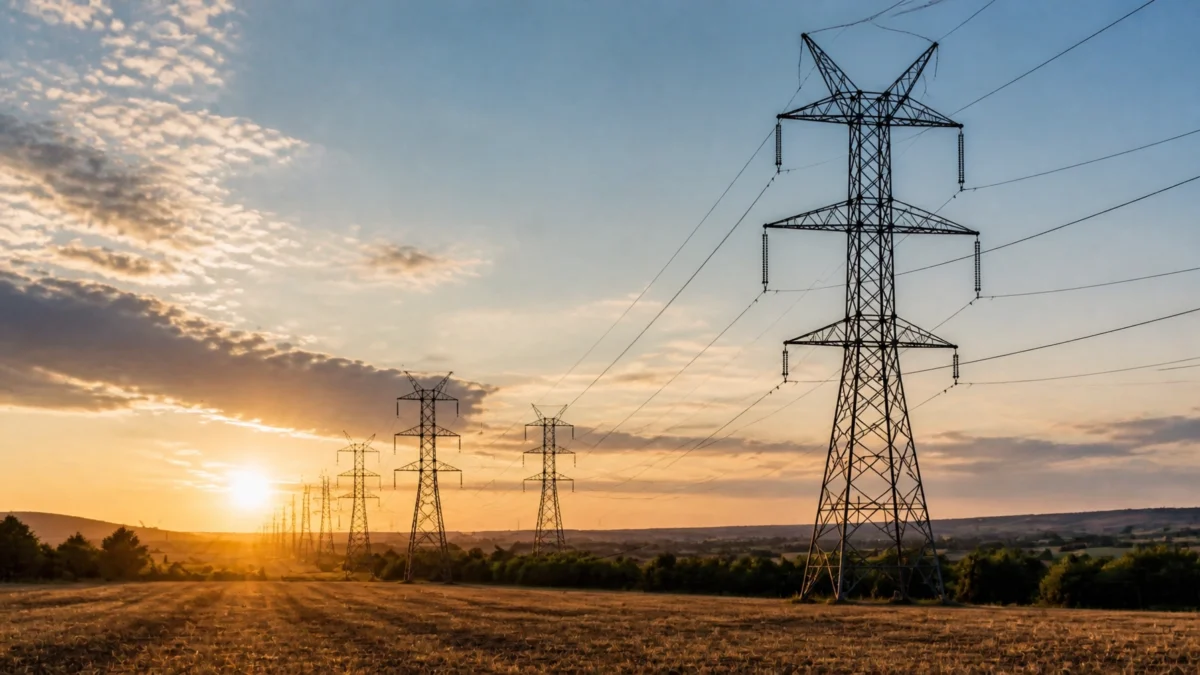
- Transmission expansion: Accelerating the approval of high-voltage lines that carry power from rural generation sites to urban centers.
- Nuclear resurgence: Reducing the time required for site permits for small modular reactors (SMRs) and traditional plants, building on the momentum of the natural gas to nuclear transition.
- Hydrogen and Geothermal: Providing a clear regulatory path for emerging technologies that currently lack a standardized federal permitting framework.
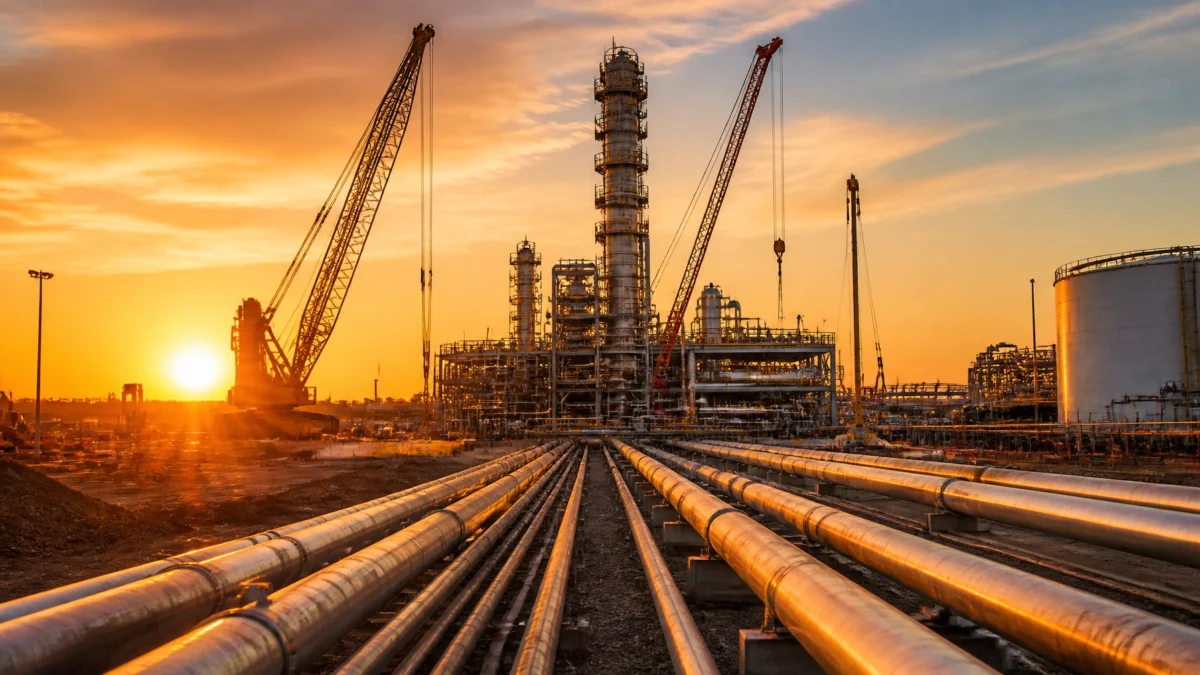
- Traditional Hydrocarbons: Ensuring that midstream infrastructure, such as pipelines and storage facilities, can be built efficiently to support global exports and domestic refining capacity.
Balancing Economic Speed and Environmental Protection
While the energy industry and House leadership have largely signaled support for the American Energy Velocity Act, the bill faces significant criticism from environmental advocacy groups. Opponents argue that capping reviews at two years and restricting litigation will lead to “rubber-stamping” projects that could have long-term ecological consequences. They contend that the bond requirement for plaintiffs effectively prices smaller community groups and non-profits out of the legal system, weakening the democratic oversight inherent in NEPA.
However, proponents of the act point to the $500 billion in stalled capital as evidence that the current system is broken. They argue that environmental protection and project speed are not mutually exclusive. By modernizing the data collection process and utilizing AI-driven environmental modeling, the lead agencies could theoretically complete more thorough reviews in a shorter amount of time than the current paper-based, multi-agency system allows.
As the House moves toward a target passage date at the end of 2026, the debate over the American Energy Velocity Act will likely center on the fine details of judicial review and agency funding. For the bill to truly succeed, the DOE and DOI will need significant increases in staffing and technical resources to meet the new two-year deadlines. Without these resources, the mandate for speed could simply result in a new kind of bureaucratic backlog.
The Path Toward Legislative Consensus
The American Energy Velocity Act represents one of the most ambitious attempts at permitting reform in decades. It recognizes that in a global economy characterized by rapid technological shifts and geopolitical volatility, the ability to build infrastructure quickly is a form of national power. Whether the bill can survive the legislative process and maintain its core provisions remains to be seen, but its introduction has already shifted the conversation toward the necessity of regulatory speed.

For decision-makers in the energy sector, the passage of such a bill would signify a new era of industrial expansion. The sheer volume of projects waiting for approval suggests that the impact would be felt almost immediately across the supply chain, from construction labor to financial markets. As we continue to monitor the progress of this framework, it is clear that the velocity of energy permitting will be a defining factor in the economic landscape of the late 2020s.
Keep In Touch with Shale Magazine
As the new era of energy unfolds, you can bet we’ll be the boots on the ground to keep you informed. Subscribe to Shale Magazine for sharp insight into the arenas that matter most to your life. And don’t forget to listen to our riveting podcast, The Energy Mixx Radio Show, where our very own Kym Bolado interviews the most extraordinary thought leaders, business innovators, and industry experts of our time.
Subscribe to get more posts from Amanda Jenkins