A decade ago, China was widely expected to become a shale powerhouse. By some estimates, it holds more technically recoverable shale gas than the United States, and there was real optimism that it could replicate the U.S. shale revolution.
So far, that surge hasn’t materialized. China’s gas production is rising, but in 2025 accounted for only 6% of the world’s production, a far cry from the U.S. share of 25%. There are several reasons for this, including more complex geology and deeper formations, but one factor receives far less attention than it should.
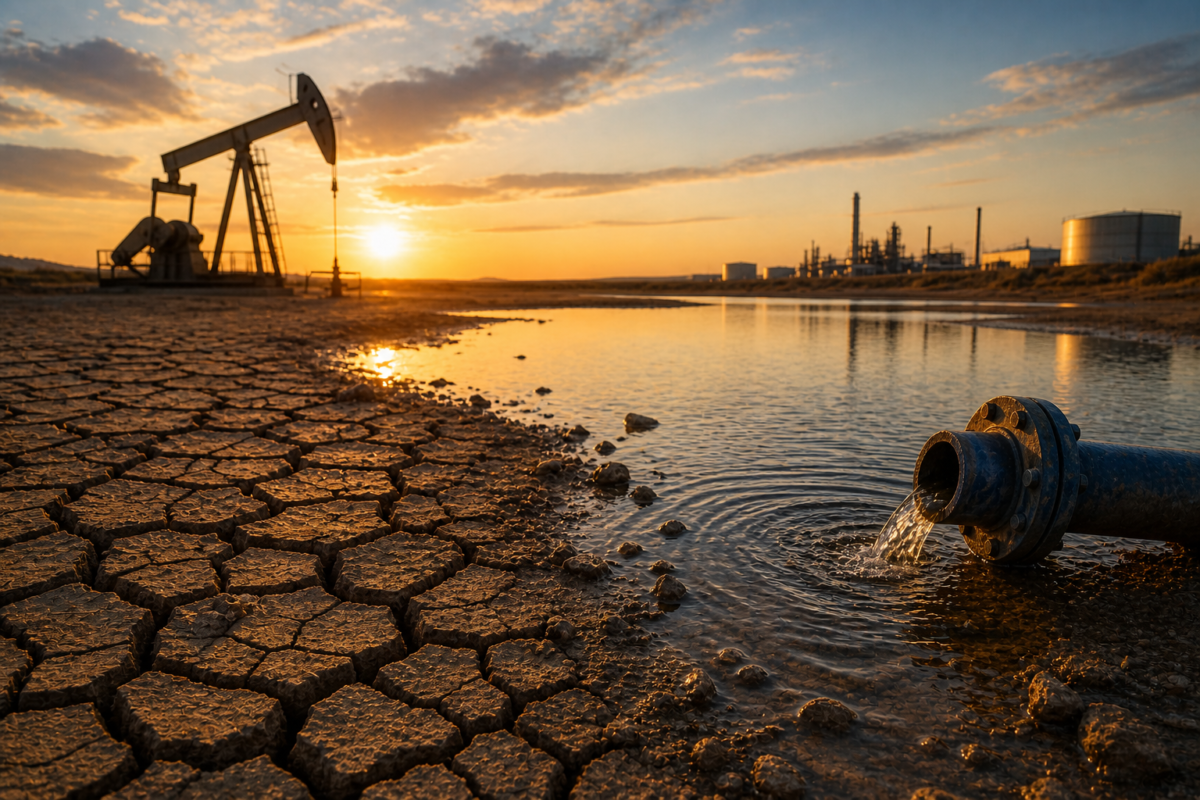
Much of China’s shale resource sits in regions where water is scarce. Hydraulic fracturing requires significant volumes of water, and in those regions, it simply isn’t available at the scale needed for rapid development. That example points to a broader issue that is starting to surface across the global energy system.
An Overlooked Constraint
We tend to think about energy in terms of resources, technology, and capital. Those are critical, but they are not the whole picture. Energy production depends on a range of supporting inputs, and one of the most important is water.
This is not yet a dominant narrative in the markets, but it is shaping outcomes. It influences where projects get built, how quickly they move forward, and in some cases whether they move forward at all.
As demand rises and conditions become more variable, that constraint is becoming harder to ignore.
Shale’s Less Obvious Limitation
The U.S. shale boom worked because several things lined up at once. Favorable geology, strong infrastructure, access to capital, and importantly, access to water. Operators were also able to recycle produced water and tap into non-potable sources.
That combination is difficult to replicate. Argentina has made progress, but water logistics remain a challenge in certain areas. Mexico has large shale potential, but development has struggled, with water access among the constraints.
Even in the Permian Basin, water handling and disposal costs are rising, and regulatory scrutiny is increasing. Water is not the only limitation on shale, but in many regions, it is a meaningful one that directly affects project economics.
Power Generation Feels It Too
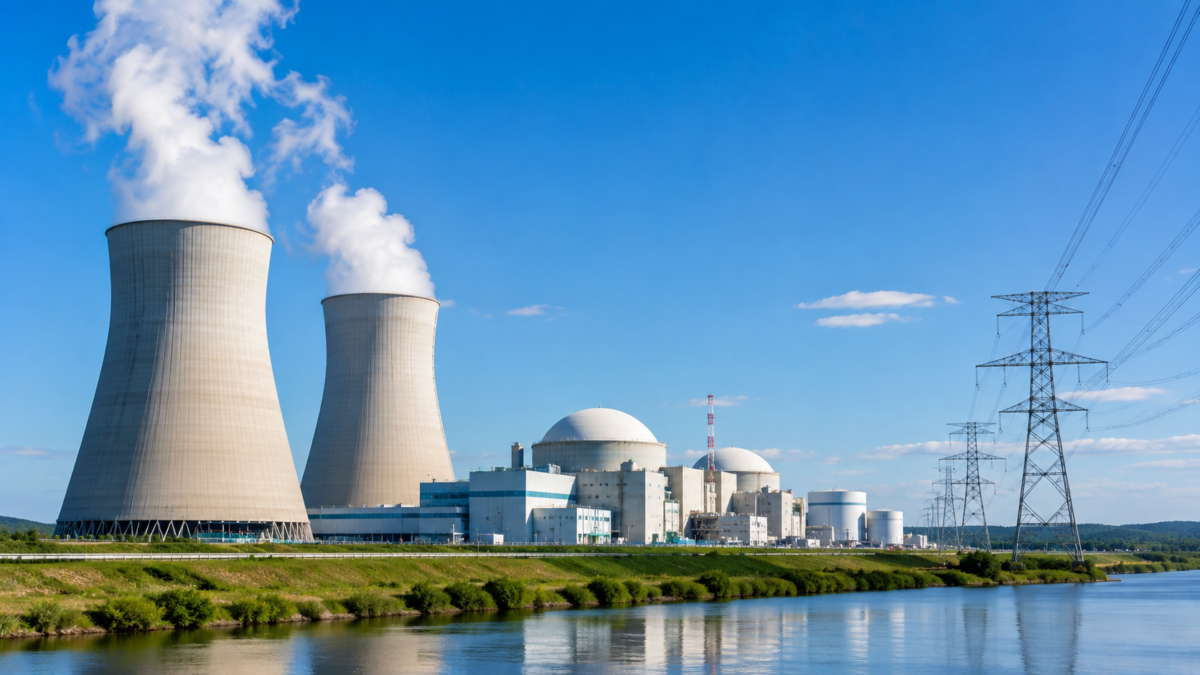
This is not just an upstream issue. Thermal power plants, whether fueled by natural gas, coal, or nuclear energy, depend heavily on water for cooling.
We are already seeing the effects. In Europe, heatwaves have forced nuclear plants to reduce output because river temperatures rose too high. In parts of the United States, utilities are beginning to factor water availability into long-term planning, especially in water-stressed regions.
These are early signals, but they point in the same direction.
The Hydrogen Reality Check
Hydrogen is often positioned as a key part of the energy transition, particularly for sectors that are difficult to electrify. But producing hydrogen through electrolysis requires water.
Roughly nine liters are needed for every kilogram of hydrogen produced, and that does not include additional water for cooling and processing. Many proposed hydrogen hubs are located in regions with strong renewable resources but limited water availability.
That does not make those projects unworkable, but it does add cost and complexity that is often underappreciated.
Data Centers Add Pressure
At the same time, the rapid expansion of data centers is adding another layer of demand. Most of the attention has been on electricity use, but water consumption is also significant.
Many large data centers rely on water-based cooling systems, and at scale, that demand adds up. In some regions, this is already becoming a point of concern for local communities.
So, one of the primary drivers of electricity demand growth is also increasing pressure on another critical resource.
Implications for Investors
Water availability is not going to replace traditional drivers like commodity prices or policy. But it is becoming an additional filter.
Regions with reliable water access, or the ability to use recycled or non-potable water, have an advantage. Companies investing in water efficiency and alternative cooling technologies are likely to be better positioned over time.
On the other side, projects in water-constrained areas face higher costs, longer timelines, and greater regulatory risk.
The Bigger Picture
This is not a prediction of an imminent crisis. It is a recognition of a constraint that is becoming more relevant.
China’s shale experience is one example, but it will not be the last. As energy demand grows and climate variability increases, water will play a larger role in determining what gets built and where.
For investors, the takeaway is straightforward. The next phase of energy development will not be defined only by how much resource exists, but by how practical it is to develop. In a growing number of cases, that practicality will depend on something that still receives far less attention than it should. Water.
This article was written by Robert Rapier, Senior Contributor to Forbes and Editor in Chief of SHALE Magazine. The original version of this article appeared on Forbes.com here.
Keep In Touch with Shale Magazine
As the new era of energy unfolds, you can bet we’ll be the boots on the ground to keep you informed. Subscribe to Shale Magazine for sharp insight into the arenas that matter most to your life. And don’t forget to listen to our riveting podcast, The Energy Mixx Radio Show, where our very own Kym Bolado interviews the most extraordinary thought leaders, business innovators, and industry experts of our time.