
[vc_row][vc_column][vc_column_text css=””]The global energy conversation often fixates on crude oil benchmarks or the immediate volatility of natural gas prices. However, seasoned industry analysts know that the real financial engine of the American shale revolution often hides in the “wet” portion of the gas stream. Natural Gas Liquids (NGLs): specifically ethane, propane, and butane: represent the backbone of the modern industrial economy. While the world looks at heating and electricity, the petrochemical industry looks at NGLs as the primary feedstock for almost every physical product in the modern world.
Understanding the NGL advantage requires moving past the surface-level mechanics of drilling and entering the world of high-value chemical margins. Today, the United States stands as the most cost-competitive region for petrochemical production globally, a position solidified by an abundance of ethane that traditional energy players in Europe and Asia simply cannot match.
The Ethane Margin Surge
The most striking data point in the current energy landscape is the dramatic rise in ethane-to-ethylene margins. According to recent market analysis, ethane margins have surged by a staggering 211% year-over-year. This translates to roughly 24 cents per pound of ethylene produced. To put this in perspective, while other global regions struggle with high feedstock costs, American producers are seeing a widening gap between the cost of their raw materials and the value of their finished products.
Ethane serves as the “secret sauce” of the shale revolution. When operators drill in “wet gas” windows: areas like the Permian Basin or the Marcellus Shale: they produce a mixture of methane and NGLs. In many parts of the world, these liquids are scarce, forcing manufacturers to rely on naphtha, a more expensive derivative of crude oil. In the U.S., the sheer volume of ethane supply keeps local prices suppressed, even as the global demand for ethylene: the primary building block for plastics: remains robust.
The profitability delta is driving a massive wave of reinvestment. Companies are not just maintaining current levels; they are doubling down on the infrastructure required to process and transport these liquids. This shift is clearly visible in the business reports coming out of the Gulf Coast, where the nexus of production and refining creates a closed-loop economic advantage.

Global Petrochemical Industry Dominance
The U.S. petrochemical industry currently enjoys a structural advantage that is difficult for international competitors to replicate. In regions like Europe and North Asia, petrochemical crackers primarily run on naphtha. Because naphtha prices track closely with Brent crude oil, these international producers face high and volatile input costs. Conversely, U.S. crackers utilize ethane, which tracks more closely with domestic natural gas prices.
This decoupling of feedstock prices from global oil benchmarks creates a “shale gale” that powers American manufacturing. When oil prices rise, the competitive edge for U.S. ethane producers actually sharpens. International competitors pay more for their oil-based feedstock, while U.S. producers continue to benefit from low-cost, domestically sourced NGLs.
Key factors contributing to this dominance include:
- Integrated Midstream Networks: The ability to move liquids from the wellhead to the fractionator with minimal loss in value.
- Feedstock Flexibility: Modern U.S. crackers can often switch between ethane and propane depending on which offers the better margin.
- Proximity to Export Hubs: The geographic concentration of facilities along the Texas and Louisiana coasts reduces logistical friction.
For those tracking finance, the capital expenditures in this sector reflect a long-term bet on American feedstock. We are seeing a transition from a domestic supply story to a global export story, as the U.S. prepares to satisfy the growing middle-class demand for consumer goods in emerging markets.
Export Capacity and Infrastructure
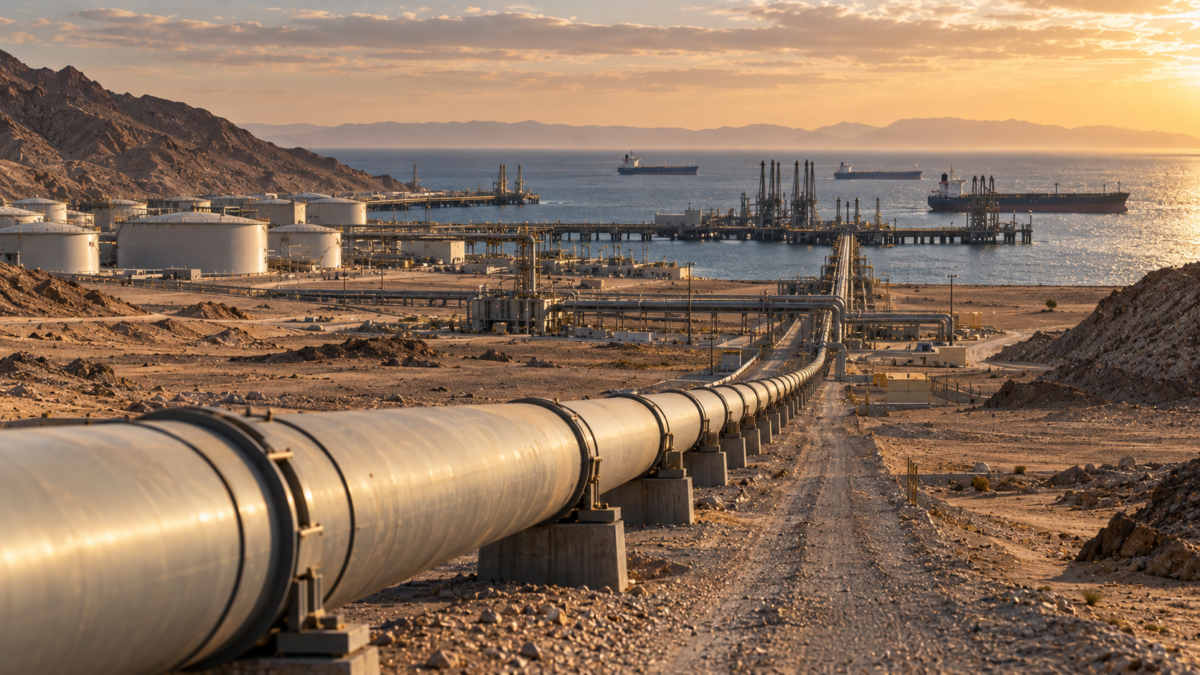
The NGL advantage is no longer a domestic secret. To capture the full value of the shale revolution, the industry has turned its sights toward global markets. This requires massive investments in export infrastructure, particularly at key logistics hubs like Nederland and the Neches River.
Expansion projects at these sites are critical for maintaining the U.S. position as a global energy superpower. By increasing the capacity to chill and load ethane and propane onto Very Large Gas Carriers (VLGCs), U.S. midstream companies are effectively exporting the “shale advantage” to every corner of the globe. Recent developments at the Nederland terminal underscore this trend, with capacity expansions aimed at meeting the insatiable appetite for NGLs in the Chinese and Indian petrochemical sectors.
These terminals act as the bridge between the drill bit in West Texas and the manufacturing plant in Southeast Asia. As export capacity grows, the local “glut” of NGLs finds a global home, supporting domestic prices for producers while still offering a discounted feedstock to international buyers compared to oil-based alternatives.
Future Energy Market Trends
As we look toward the end of the decade, several energy market trends will dictate the trajectory of the NGL market. The Department of Energy and other regulatory bodies are closely monitoring the balance between domestic industrial use and export growth. The White House has emphasized the importance of maintaining a “manufacturing renaissance” at home, which relies heavily on keeping NGL feedstocks affordable for domestic factories.
However, the industry also faces new challenges. The integration of AI and data center demand is beginning to impact the broader natural gas market. As power grids require more baseload generation to support massive computing clusters: a topic covered extensively in our report on data-center-gas-power-google-texas: the competition for the gas stream will intensify. While NGLs are separated from the methane used for power, the overall economics of gas drilling are influenced by this surging demand for electricity.
Key trends to watch include:
- Fractionation Capacity Constraints: The industry must build more “frac” capacity to separate raw NGL mixes into purity products like ethane and propane.
- Regulatory Scrutiny: Environmental regulations regarding methane emissions and pipeline permitting could impact the speed of infrastructure build-outs.
- Technological Innovation: New “crude-to-chemicals” technologies may eventually challenge the traditional ethane cracker model, though U.S. ethane remains the current champion of efficiency.
The resilience of the U.S. energy sector depends on this ability to adapt. Whether it is through upgrading the grid via reconductoring to handle more industrial load or expanding the reach of our export terminals, the goal remains the same: maximizing the value of every molecule produced on American soil.
The Strategic Importance of NGLs
It is easy to get lost in the spreadsheets of margin calculations and terminal throughput. Yet, the strategic takeaway is simple: the U.S. has a permanent, structural lead in the world’s most important chemical feedstocks. This advantage supports thousands of jobs, drives billions in trade surplus, and ensures that the U.S. remains the primary hub for global industrial innovation.
The 211% margin growth for ethane is not a fluke; it is the result of decades of investment in the shale play. As natural gas prices fluctuate and global energy geopolitics shift, the stability and abundance of American NGLs provide a buffer that few other nations possess. For investors and industry leaders, the NGL market is no longer a secondary concern to crude oil: it is the primary driver of high-margin growth.
The “3-minute” explanation of the NGL advantage boils down to this: the U.S. produces more of these high-value liquids than it can use, it produces them cheaper than anyone else can, and it is building the world’s most advanced infrastructure to send them to market. In an era of energy uncertainty, that is a position of incredible strength.
Keep In Touch with Shale Magazine
As the new era of energy unfolds, you can bet we’ll be the boots on the ground to keep you informed. Subscribe to Shale Magazine for sharp insight into the arenas that matter most to your life. And don’t forget to listen to our riveting podcast, The Energy Mixx Radio Show, where our very own Kym Bolado interviews the most extraordinary thought leaders, business innovators, and industry experts of our time.
Subscribe to get more posts from Amanda Jenkins[/vc_column_text][/vc_column][/vc_row]