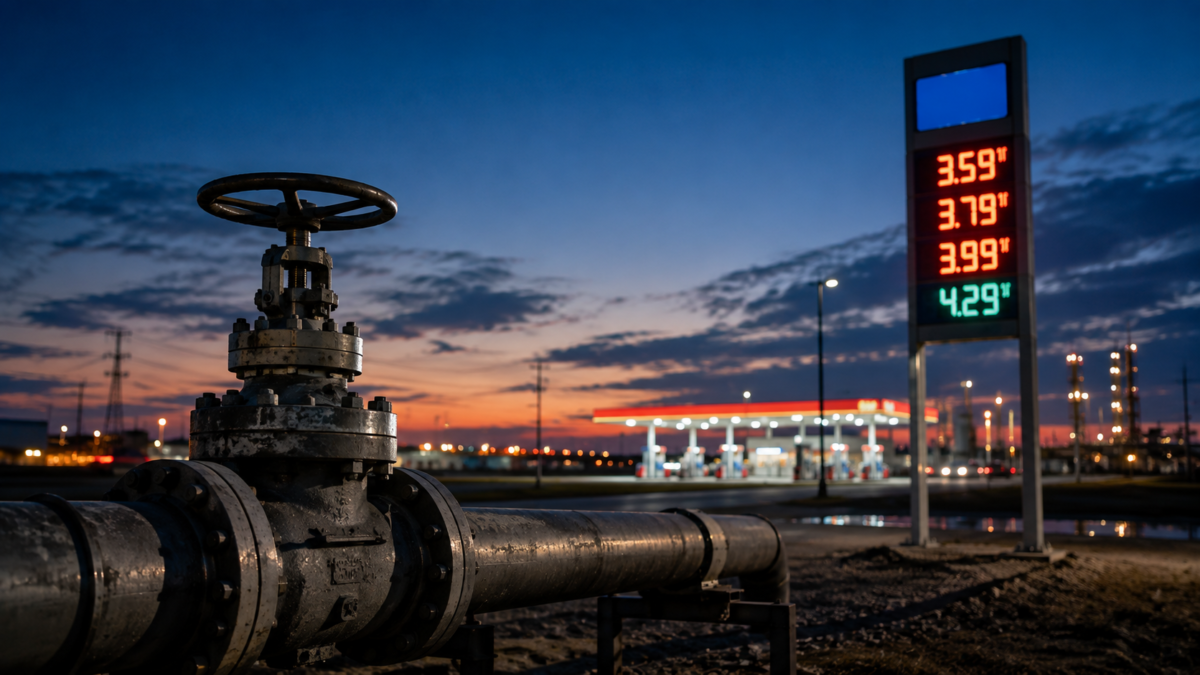
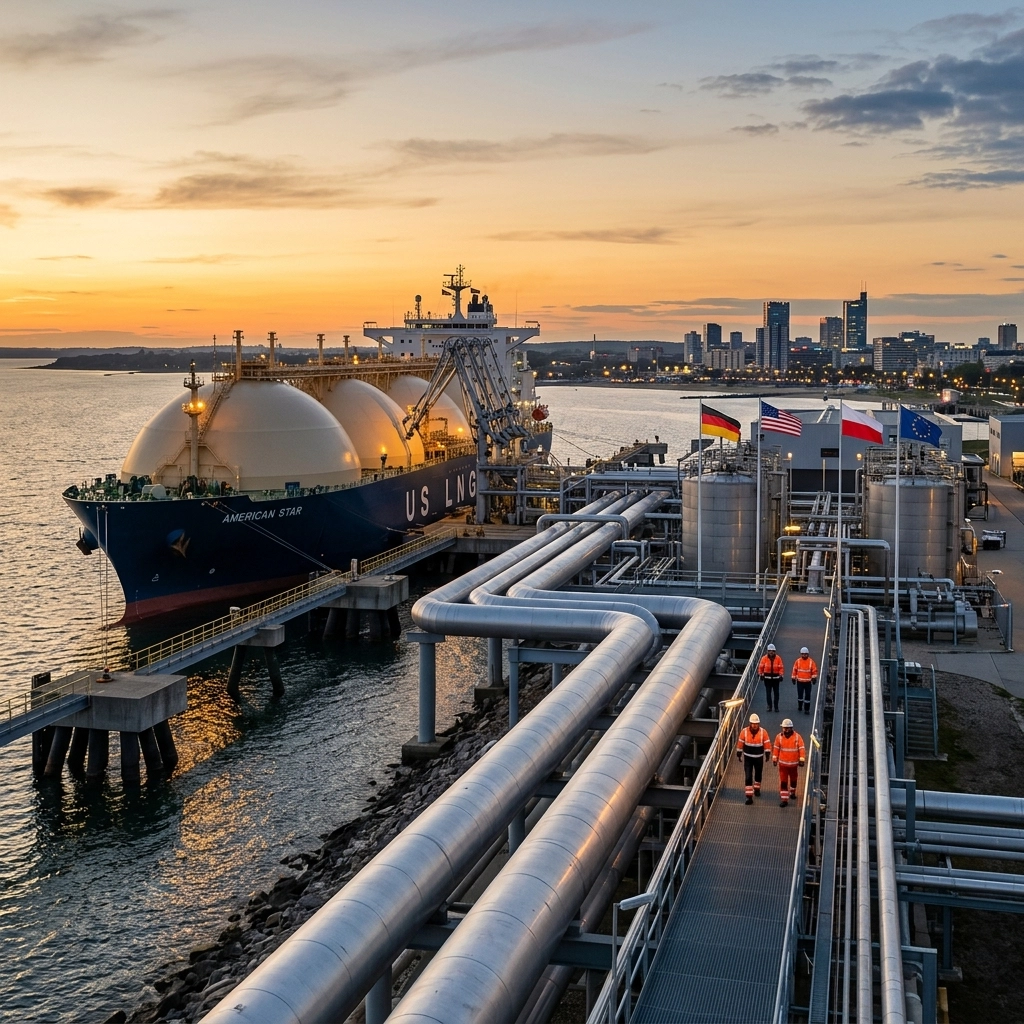
[vc_row][vc_column][vc_column_text css=””]The landscape of transatlantic energy security shifted significantly as Secretary of Energy Chris Wright formally unveiled the Trump Peace Pipelines Framework during the Three Seas Initiative Summit in Dubrovnik, Croatia. This strategic initiative represents a pivot in U.S. foreign energy policy, moving from a period of regulatory pauses and domestic focus to an aggressive export-led strategy designed to integrate American liquefied natural gas (LNG) into the backbone of Central and Eastern European (CEE) infrastructure.
By prioritizing the physical connection of American resources to European markets, the Department of Energy (DOE) is signaling a long-term commitment to displacing Russian energy influence through market-based competition. The framework does not rely solely on diplomatic agreements but centers on the rapid deployment of private capital into cross-border pipelines, storage facilities, and advanced nuclear technology.
Defining the Global LNG Market Expansion Framework
The core of the Trump Peace Pipelines Framework is the acceleration of the “Vertical Corridor,” a series of interconnected pipelines and terminals designed to move gas from the Mediterranean through the heart of Europe. Unlike previous efforts that focused primarily on Western European entry points, this plan prioritizes the “Three Seas” region: the area between the Baltic, Black, and Adriatic Seas: where reliance on Russian gas has historically been most acute.
Secretary Wright highlighted that since the onset of regional conflicts in early 2022, U.S. LNG exports to the European continent have nearly tripled. According to recent trade data, exports rose from approximately 2.51 million metric tons in February 2022 to a record 6.16 million metric tons by December 2025. The new framework aims to institutionalize this growth by securing 20-year supply contracts and streamlining the permitting process for export terminals on the U.S. Gulf Coast.
The initiative also includes a heavy emphasis on the Croatia-Bosnia Southern Interconnection Pipeline. This project will link the existing Krk LNG terminal in Croatia: which already sources 67% of its supply from the United States: to the wider Balkan region. By creating these physical links, the administration intends to provide a baseload energy alternative that stabilizes prices and removes the “energy weapon” from the hands of adversarial nations.

Private Capital and Infrastructure Development
One of the most notable departures in this policy is the reliance on private investment over direct government subsidies. Secretary Wright announced that the framework has already facilitated significant commercial agreements, most notably a $6 billion deal between Venture Global and Aktor LNG USA. This 20-year agreement, set to begin in 2030, will see American LNG delivered to Albania via Greek terminals, effectively bypassing traditional Russian-controlled routes.
The role of the Department of the Interior (DOI) and the White House in this framework involves the “Tiger Team” approach to permitting. By slashing lease review times and accelerating the approval of midstream infrastructure, the administration is making it easier for American producers in the Permian and Bakken basins to commit to these long-term international contracts.
- Project Pantheon: A $50 billion data center and energy project in Croatia that integrates LNG power generation with AI infrastructure.
- The Vertical Corridor: Expansion of Greek and Bulgarian interconnectors to push gas northward into Romania, Hungary, and Ukraine.
- Strategic Storage: Utilizing Ukraine’s massive underground gas storage capacity to serve as a buffer for the CEE region during peak winter demand.
The influx of private capital is not limited to hydrocarbons. The framework also encompasses nuclear technology as a partner to gas. In Slovakia, Westinghouse has signed a statement of intent for the deployment of small modular reactors (SMRs), which will provide carbon-free baseload power to complement the flexibility of gas-fired plants.
Geopolitical Security through Global LNG Market Expansion
The White House has framed these pipeline projects as a matter of “Defense First” energy policy. By securing the energy supply of allies like Poland, Lithuania, and the Czech Republic, the U.S. is effectively strengthening the NATO alliance’s eastern flank. In February 2026, 12 CEE nations signed a joint energy security statement in Washington, D.C., which laid the groundwork for the May announcements in Dubrovnik.
This diplomatic alignment is critical because it addresses the “energy poverty” that has threatened European industrial output over the last four years. When American gas is integrated into the European grid via the Peace Pipelines, it provides a price floor that helps European manufacturers remain competitive. This economic stability is viewed by the DOE as the most effective tool for long-term peace in the region.
Furthermore, the framework addresses the “reconductoring” of the European grid. Just as the U.S. is looking to upgrade its own domestic wires to handle AI-driven power demand, the Peace Pipelines Framework includes technical assistance for CEE nations to modernize their electricity grids. This ensures that the power generated from American LNG and SMRs can actually reach the end-users without significant line loss or congestion.
Environmental Considerations and the Transition Balance
While the framework is unapologetically focused on fossil fuel exports, it is being presented within a broader context of energy evolution. The Secretary of Energy has argued that replacing high-emissions coal-fired power plants in Eastern Europe with American natural gas is the single most effective way to lower regional carbon intensity without sacrificing grid reliability.
Critics of the plan suggest that 20-year contracts may lock Europe into a long-term fossil fuel dependency that conflicts with the European Union’s Green Deal objectives. However, the administration’s counter-argument is based on the reality of the current energy crisis. Without a reliable baseload provided by LNG and nuclear, the transition to intermittent renewables like wind and solar remains fragile.
The framework also touches on the concept of “advanced recycling” and carbon capture integration. By building new, state-of-the-art pipelines, there is the potential for these routes to be retrofitted for hydrogen transport in the future, providing a bridge between the current hydrocarbon reality and a lower-carbon future. For more on how policy is shaping these domestic and international energy races, you can read about the China-US clean energy race.
Future Outlook for Global LNG Market Expansion
The success of the Trump Peace Pipelines Framework will depend on the continued growth of U.S. production and the ability of European nations to build out the “last mile” of their domestic infrastructure. With the DOE and DOI moving toward a more streamlined regulatory environment, the bottleneck is shifting from the American wellhead to European distribution.
The involvement of the Department of the Interior is particularly vital, as the reopening of federal lands for leasing ensures a steady supply of gas to meet these new 20-year obligations. The industry’s ability to respond to global demand is contingent on clear, consistent policy from Washington.
As the 2026 fiscal year progresses, the energy industry will be watching for the first “spade in the ground” on the Southern Interconnection Pipeline and the progress of Project Pantheon. These are not just infrastructure projects; they are the physical manifestations of a new era of American energy diplomacy.
The framework established in Croatia marks a definitive end to the era of energy uncertainty for Central and Eastern Europe. By leveraging the vast resources of the Permian and Bakken basins and the technical expertise of the American nuclear sector, the U.S. is providing a blueprint for regional stability that is built on the reality of supply and demand rather than the hope of subsidies.
Keep In Touch with Shale Magazine
As the new era of energy unfolds, you can bet we’ll be the boots on the ground to keep you informed. Subscribe to Shale Magazine for sharp insight into the arenas that matter most to your life. And don’t forget to listen to our riveting podcast, The Energy Mixx Radio Show, where our very own Kym Bolado interviews the most extraordinary thought leaders, business innovators, and industry experts of our time.
Subscribe to get more posts from Amanda Jenkins[/vc_column_text][/vc_column][/vc_row]