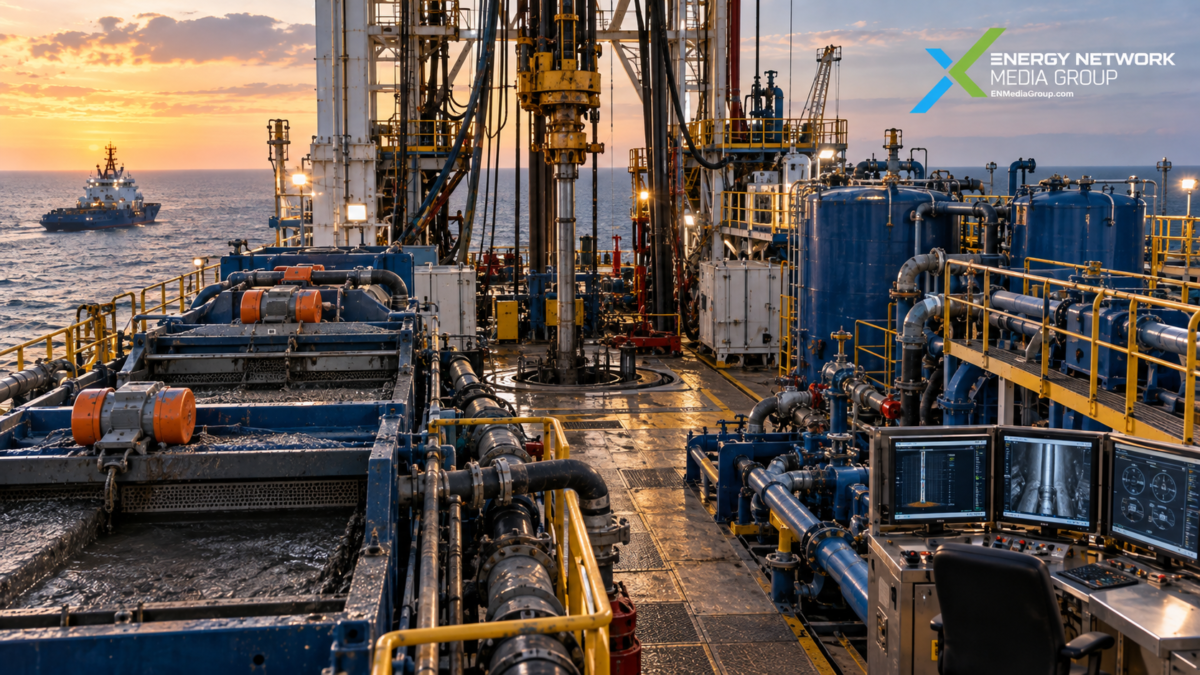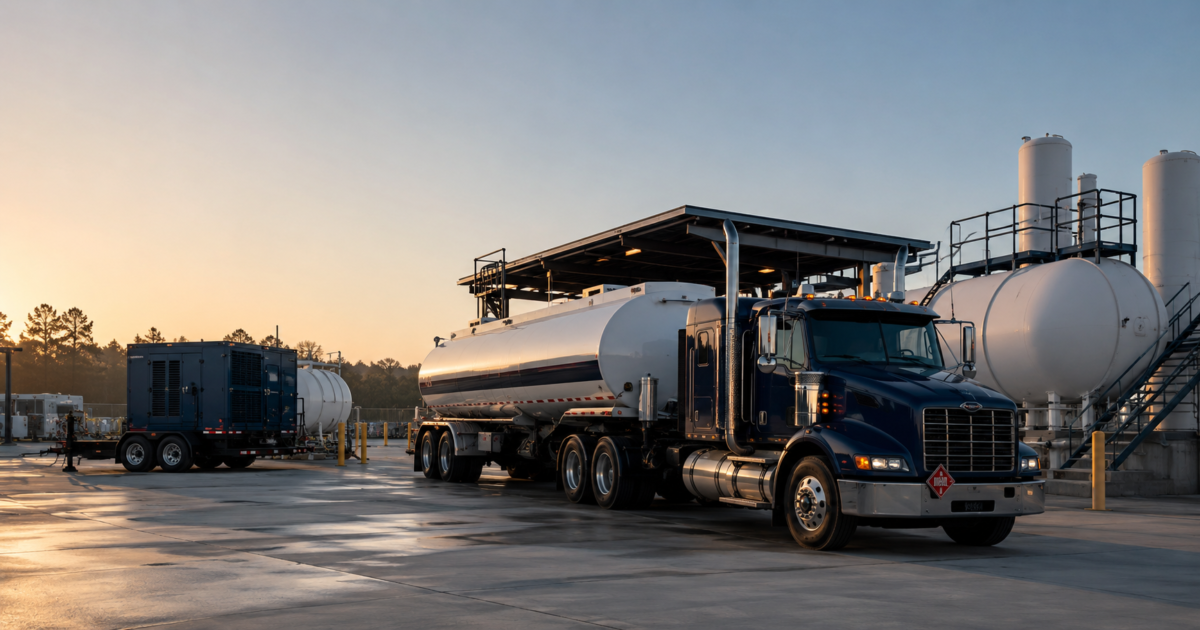
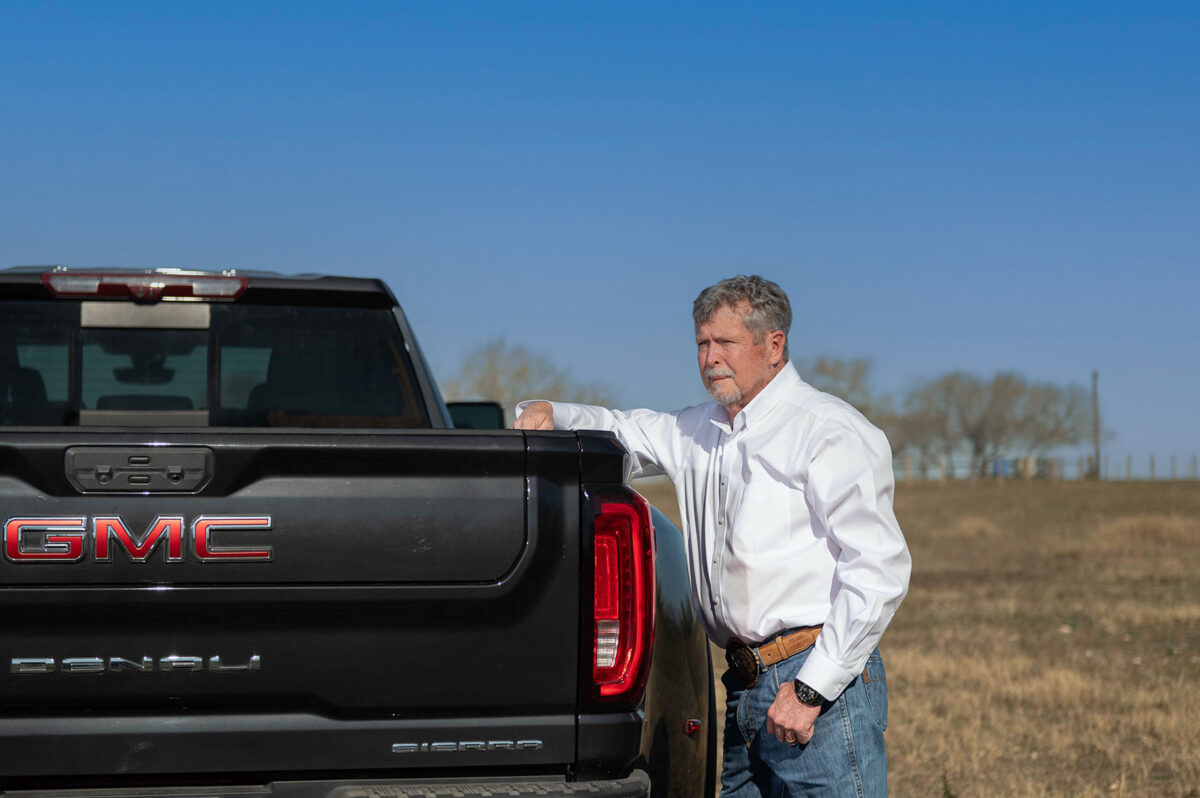
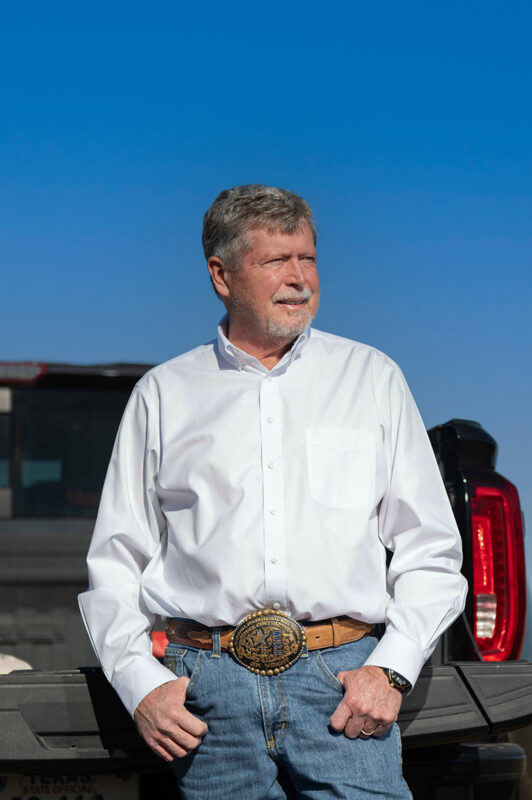
The decisions made inside a regulatory hearing room in Austin rarely make national headlines. They should. Texas produces more crude oil than most countries. Its natural gas output rivals that of global energy powers. When international supply tightens, when OPEC adjusts production, or when geopolitical disruptions threaten energy flows, production from Texas often serves as the stabilizing force. Overseeing the regulatory framework for that system is the Texas Railroad Commission (RRC). Despite its name, the agency regulates the most prolific oil and gas producing state in America. Its authority spans drilling permits, well integrity standards, underground injection wells, pipeline safety, flaring approvals, environmental enforcement, and orphaned well remediation. The Commission does not set commodity prices. It does not dictate production quotas. But it determines the conditions under which production occurs. At the center of that responsibility is RRC Chairman Jim Wright. Commissioner Wright does not present himself as a career politician. He describes himself as someone who has spent decades in environmental services and oilfield operations, working on the practical mechanics of compliance and remediation. “I know what I know,” he says. “And I try to stay in my lane.” That lane now includes stewardship of an industry that supports hundreds of thousands of Texas jobs and generates billions in public revenue each year.
FROM RANCHLAND TO REGULATION
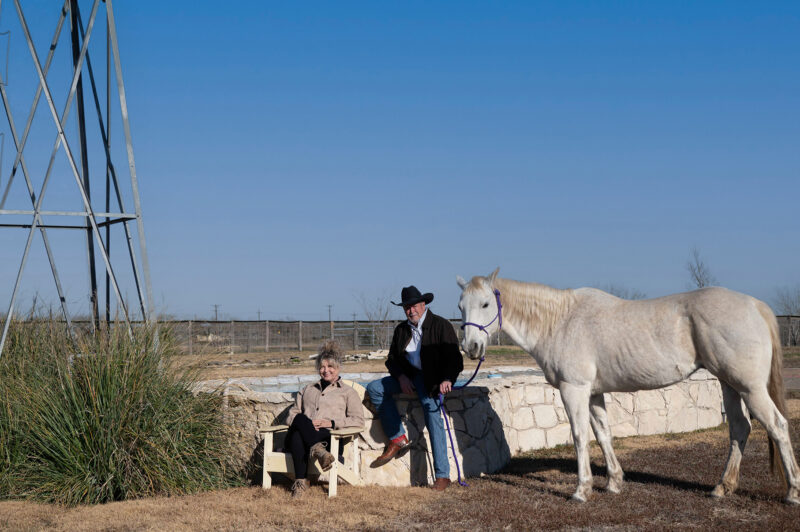
Wright’s path to the Commission was unconventional. Raised on a fifth-generation ranch in Orange Grove, Texas, he grew up in a family rooted in agriculture. His grandfather operated one of the largest longhorn herds in the state. Ranching was not simply an occupation; it was an identity. But early adulthood brought disruption. After a fire destroyed the family home, they relocated near Robstown. Soon afterward, a hazardous waste landfill was permitted roughly a quarter mile from their property. The experience was formative. Wright witnessed firsthand how environmental regulation, industrial activity, and community impact intersected. Financial pressures mounted. Despite earning three college scholarship offers, he made the decision to enter the workforce immediately. So right after high school graduation, he walked into the landfill and got a job. He eventually became involved in designing leachate collection systems to prevent contaminants from migrating into groundwater. It was technical, handson environmental work that required understanding geology, fluid movement, and regulatory standards. That experience laid the foundation for a career in environmental services. By 1991, Wright had launched his own companies, providing environmental compliance and remediation services across the United States. His clients included oil and gas operators, refineries, utilities, and government agencies. As shale drilling accelerated in the late 2000s, Wright’s work increasingly centered on oilfield operations. He dealt frequently with permitting challenges and regulatory interpretation disputes. What frustrated him was not enforcement itself, but inconsistency. Different interpretations of the same rule could yield different outcomes depending on the reviewer. That unpredictability slowed projects and created uncertainty. Rather than criticize from the sidelines, Wright assembled engineers, attorneys, and operators to draft guidance documents aimed at standardizing rule interpretation. When those efforts stalled internally, colleagues urged him to seek election to the Railroad Commission. Three days before the filing deadline in 2019, he entered the race. He won.
THE EVOLUTION OF A POWERFUL AGENCY
The Railroad Commission’s name reflects its origins in 1891, when it was created to regulate railroad rates and curb monopolistic practices. After the 1901 Spindletop discovery ignited the Texas oil boom, its jurisdiction expanded to encompass pipelines and energy transportation. By the early twentieth century, the Commission had become one of the most influential oil regulators in the world. It once set production limits to prevent oversupply and stabilize prices. Observers later noted that OPEC’s quota system drew inspiration from the Commission’s framework. Over time, its direct role in price stabilization diminished, particularly as federal regulation and global markets evolved. In 2005, its remaining rail functions were transferred to other agencies, leaving it focused exclusively on oil and gas. Today, its responsibilities include:
• Reviewing and approving drilling permits
• Enforcing well casing and cementing standards to protect groundwater
• Regulating underground injection wells
• Overseeing intrastate pipeline safety
• Monitoring flaring activity
• Administering environmental compliance programs
• Identifying and plugging orphaned wells
Few state agencies combine such economic weight with environmental responsibility. The oil and gas sector contributes tens of billions annually in taxes and royalties. Public education funding, infrastructure development, and local economies are deeply intertwined with energy production. The Commission’s mission statement reflects a three-part mandate: protect public safety, safeguard natural resources, and ensure economic vitality. Balancing those objectives requires constant calibration.
PRODUCED WATER: A STRUCTURAL CHALLENGE
Among the most complex issues facing the Commission is produced water. Modern horizontal drilling and hydraulic fracturing have unlocked vast hydrocarbon reserves in tight formations. But those wells also produce substantial volumes of water. In many Permian Basin operations, approximately five barrels of water accompany every barrel of oil. At Texas production levels of roughly five and a half million barrels of oil per day, daily water volumes can exceed 25 million barrels. Historically, most produced water has been injected into deep disposal wells. These formations are intended to isolate fluids from freshwater aquifers. For years, the system functioned with limited public attention. But increased injection volumes in certain regions correlated with rising seismic activity. Studies linked deep injection to pressure changes along fault lines. Oklahoma experienced significant seismic events under similar circumstances. Regulators responded by adjusting injection practices, limiting volumes, and shifting disposal zones. Yet geology imposes limits. Pressure accumulation and limited diffusion capacity present ongoing concerns. Wright often summarizes the challenge in practical terms: geological formations are not infinitely expandable. Rather than treat produced water solely as a waste management problem, he encouraged exploration of beneficial reuse. Four years ago, the Commission launched pilot programs permitting treated produced water to be used for irrigation and other nonpotable applications. West Texas faces severe and prolonged drought conditions. Agricultural producers and municipalities are investing in costly desalination projects and deeper groundwater wells. Treated produced water presents an alternative source. Treatment technologies have advanced significantly. Filtration systems, reverse osmosis, and emerging methods can reduce total dissolved solids and contaminants to levels suitable for specific uses. Importantly, not all applications require drinking-water standards. Irrigation water may tolerate higher salinity levels depending on soil conditions. Industrial cooling and certain construction applications have different thresholds. Economics are also shifting. Disposal costs have risen due to transportation distances and injection capacity constraints. Treatment costs have declined as technologies scale. In some areas, operators report near parity between disposal and treatment costs. If reuse scales successfully, it could fundamentally alter water management across shale regions.
FLARING AND INFRASTRUCTURE ECONOMICS
Natural gas flaring became a focal point of public debate during the early years of the Permian production surge. Rapid oil growth outpaced pipeline infrastructure, leaving associated gas without immediate markets. When Wright entered office, approximately 2.5% of Texas natural gas production was flared. Today, despite a 25% increase in natural gas production since 2020, flaring rates have fallen below 1%. The decline resulted not from blanket prohibitions, but from infrastructure expansion. Pipeline networks expanded. Processing facilities increased capacity. LNG export terminals created new demand centers. As markets developed, gas previously flared became economically valuable. Wright emphasizes that environmental improvements often depend on economic viability. Mandates alone cannot replace missing infrastructure. The lesson from flaring reduction is that regulatory oversight must work in tandem with market development.
ORPHANED WELLS AND LONG-TERM ACCOUNTABILITY
Texas’ long drilling history means legacy wells remain scattered across the state. While most are properly maintained, some become orphaned when operators dissolve or declare bankruptcy. Orphaned wells pose environmental risks if not properly plugged. They can allow fluid migration and methane emissions. The Commission maintains an active plugging program, funded through state resources and federal allocations. The Bipartisan Infrastructure Law provided additional funding, accelerating remediation efforts. But plugging existing wells addresses only part of the issue. Preventing future orphaned wells requires adequate financial assurance mechanisms. Bonding requirements must balance operator viability with taxpayer protection. Insufficient bonding risks shifting cleanup costs to the public. Excessive bonding could discourage small operators. Wright views lifecycle accountability as central to maintaining public trust.
STATE AUTHORITY IN A FEDERAL SYSTEM
Energy regulation operates within a complex federal framework. States traditionally maintain primary authority over many oil and gas operations, including Class II injection wells. At one point, federal regulators considered revoking Texas’ primacy over certain injection programs. Such a move would have Wright supported updating environmental rules to reinforce the state’s regulatory position. Modernized standards strengthen Texas’ case for maintaining oversight authority. He argues that local geological knowledge and operational familiarity enable more nuanced regulation than centralized federal management. Maintaining state primacy is not only a jurisdictional matter; it affects permitting timelines, regulatory certainty, and investment flows.
ADDRESSING OILFIELD THEFT
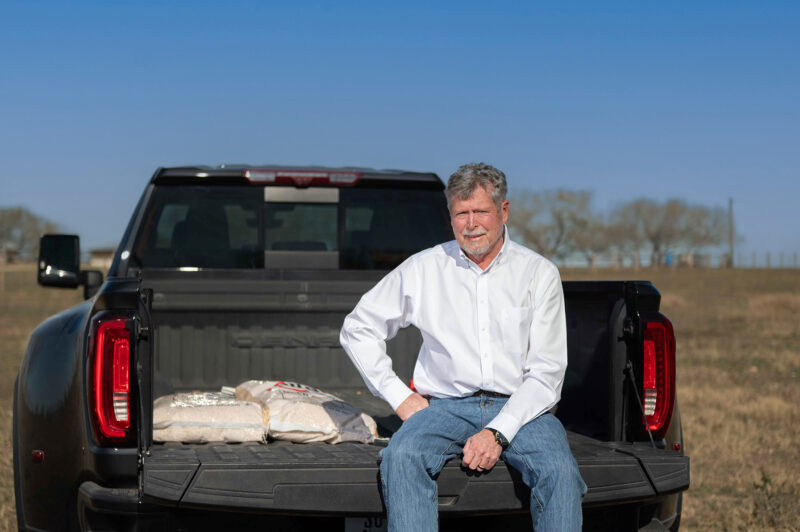
For Wright, one of the most urgent — and least publicly understood — threats to Texas energy production is organized oilfield theft. Unlike shoplifting or small-scale vandalism, oilfield theft in Texas has evolved into a sophisticated criminal enterprise. Remote well sites, tank batteries, and gathering systems stretch across vast, sparsely populated areas. The scale of Texas production means thousands of facilities operate far from population centers, creating opportunities for coordinated theft. Estimates presented to lawmakers suggest losses approaching $1 billion annually. That figure includes stolen crude oil siphoned directly from tanks and pipelines, condensate diverted from gathering systems, and even stolen equipment such as copper wiring, valves, and specialized components. But the damage extends beyond just lost product. Tampering with tank batteries and pipeline connections introduces significant safety risks. Improperly resealed valves or damaged fittings can result in spills, leaks, or pressure imbalances. A theft operation that nets a few thousand dollars in crude can leave behind environmental damage costing multiples of that to remediate. Wright has made combating this issue a central priority of his tenure. Under recently enacted legislation, Texas established a dedicated Oilfield Theft Task Force designed to bring together regulators, industry representatives, and law enforcement agencies. The objective is twofold: quantify the full scope of the problem and create a coordinated enforcement strategy. Historically, oilfield theft cases were often handled piecemeal by local sheriffs’ departments with limited resources and little specialized training in petroleum infrastructure. Prosecution could be difficult. Stolen crude is fungible. Once transported and blended, tracing origin becomes complex. Jurisdictional lines further complicate investigations when theft networks operate across multiple counties. The task force approach recognizes that the problem has outgrown isolated local enforcement. Wright has emphasized that energy infrastructure should be treated with the same seriousness as other critical infrastructure sectors. In an era where pipeline cybersecurity and grid resilience receive national attention, physical oilfield security warrants similar focus. Technology will likely play a major role in the response. Operators are exploring enhanced metering systems, tamperdetection sensors, remote surveillance, and real-time monitoring of production volumes to flag anomalies. Data analytics can identify irregular flow patterns that may indicate diversion. Yet Wright acknowledges that technology alone cannot eliminate the problem. Criminal enterprises adapt quickly. Effective deterrence requires stronger penalties, improved interagency communication, and visible enforcement actions that signal consequences. There is also a broader economic dimension. Oilfield theft does not only harm operators. Royalty owners — including private landowners and the State of Texas — lose revenue when production is siphoned. Tax collections decline. Public school funding and infrastructure accounts that rely on energy taxes feel the impact. In that sense, Wright frames oilfield theft not as an industry complaint, but as a publicinterest issue. When theft reaches into the hundreds of millions — or potentially a billion — dollars annually, it becomes a systemic drag on one of the state’s most important economic engines. Addressing it reinforces a principle that runs throughout Wright’s regulatory philosophy: the integrity of the system matters. Production must be safe, accountable, and transparent. That applies not only to environmental compliance, but to ensuring that lawful production is not undermined by organized criminal activity. For Wright, safeguarding Texas energy includes protecting it from those who seek to exploit its scale.
TEXAS IN THE GLOBAL ENERGY SYSTEM
Texas production influences more than state revenues. It shapes global energy dynamics. U.S. shale output has altered OPEC’s leverage. During supply disruptions, American production can respond more rapidly than many conventional sources. Texas natural gas supports LNG exports that strengthen alliances and provide alternatives for countries seeking supply diversification. While the Commission does not set global prices, its regulatory framework underpins the operational reliability that enables Texas producers to compete internationally. Energy security remains a recurring theme in national policy discussions. Domestic production reduces exposure to geopolitical volatility. Texas sits at the center of that equation. THE ROAD AHEAD The next decade will test the adaptability of both industry and regulators. Water management challenges will intensify as production volumes remain high. Infrastructure must continue expanding to support exports and domestic demand. Technological advances will improve efficiency and recovery rates. Environmental expectations will evolve. The Commission’s mandate, however, remains consistent: protect groundwater, enforce safety standards, ensure environmental compliance, and sustain economic vitality. Wright does not claim to be transforming the industry. He focuses instead on maintaining equilibrium within a system that supports the state’s prosperity and national energy security. He often returns to the same point. “I’m not a politician,” he says. “I know what I know.” In Texas energy, that pragmatic mindset may be precisely what stewardship requires.
Keep In Touch with Shale Magazine
As the new era of energy unfolds, you can bet we’ll be the boots on the ground to keep you informed. Subscribe to Shale Magazine for sharp insight into the arenas that matter most to your life. And don’t forget to listen to our riveting podcast, The Energy Mixx Radio Show, where our very own Kym Bolado interviews the most extraordinary thought leaders, business innovators, and industry experts of our time.