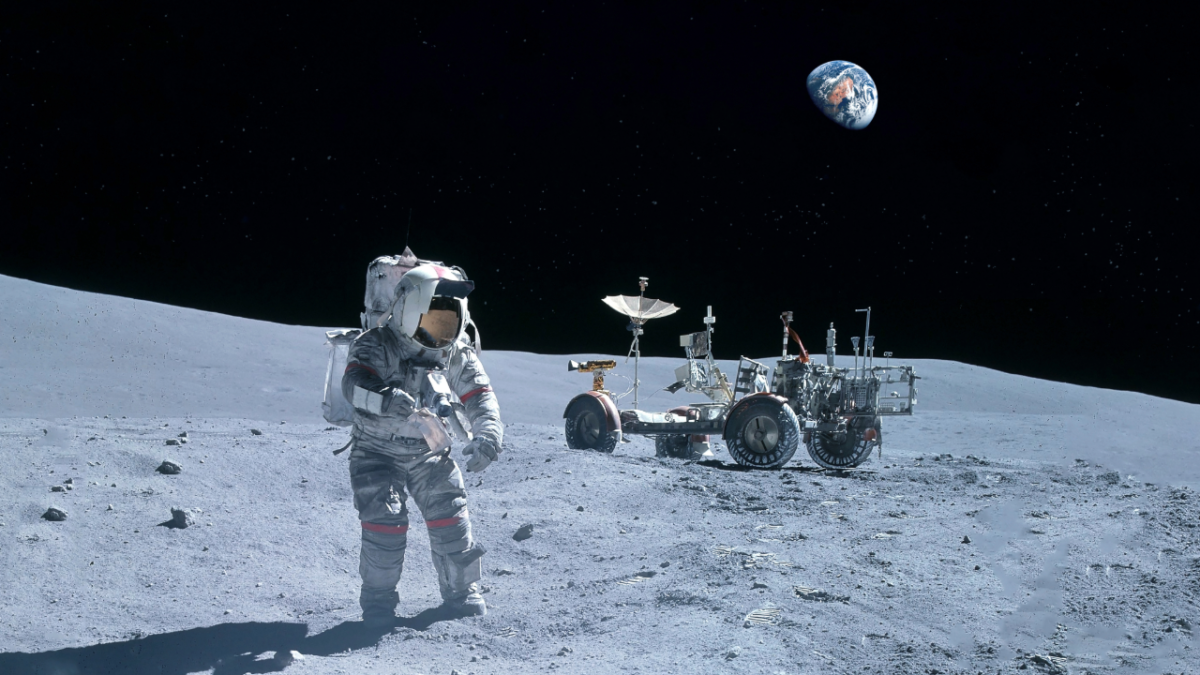
[vc_row el_class=”td_classic_blog_home”][vc_column][vc_column_text css=””]The United States Space Agency, NASA, announced a target in August to be the first to construct a nuclear reactor on the moon, ahead of other space powers such as China and Russia. NASA’s Fission Surface Power program focuses on the development of microreactor technology on a lunar surface and is part of broader ambitions to construct a permanent base for humans to live on the moon.
NASA’s Grand Plan
In late July, the interim head of NASA, Transportation Secretary Sean Duffy, told space agency staff that NASA should be ready to transport a nuclear reactor to the moon in the first quarter of the 2030 fiscal year.
There is a broad consensus among scientists that nuclear power could be the best way, or perhaps the only way, to provide continuous power on the moon, as one lunar day is equivalent to four weeks on Earth. During this day, there are two Earth weeks of sunshine and two weeks of darkness, which rules out solar power as a power option.
Duffy reportedly wrote to NASA saying, “To properly advance this critical technology to be able to support a future lunar economy, high power energy generation on Mars, and to strengthen our national security in space, it is imperative the agency move quickly.”
Meanwhile, China and Russia are currently planning to launch a reactor to the moon by the mid-2030s to power a joint base, according to the two space powers.
According to Duffy, if China and Russia achieve the feat ahead of the United States, they “could potentially declare a keep-out zone which would significantly inhibit the United States from establishing a planned Artemis presence.” NASA’s Artemis lunar exploration program was announced in 2017, which focuses on exploring the Moon for scientific discovery, technology advancement, and to learn how to live and work on another world.
The U.S. space agency is expected to issue a request for proposals to the nuclear power industry within 60 days of the announcement. This follows the issuing of three $5 million contracts to companies to design a reactor in 2022.
The first lunar reactor should be capable of generating at least 100 KW of electricity, according to the directive and is expected to weigh up to 15 metric tons. The capacity of the planned reactor is far smaller than those currently being used on Earth, but if achieved, it could set the blueprint for greater nuclear development on the moon.
Challenges and Critique
There are significant barriers to NASA’s Fission Surface Power program, including funding. The Trump administration recently proposed significant cuts to the agency’s budget. In addition, NASA remains without a permanent leader, meaning that the agency’s policies may shift if someone else takes over the role as head.
When it comes to developing the nuclear technology needed, no microreactor has yet been licensed by the Nuclear Regulatory Commission or built in the U.S. to date, with significant technological advancement still required. Microreactors are small nuclear reactors that can generate up to 20 MW of thermal energy and are designed to be portable, at between 100 to 1,000 times smaller than conventional nuclear reactors.
While greater innovation is needed, recent moves by President Trump to accelerate the development of the nuclear sector could result in faster reactor production. Trump recently threatened to disband the Nuclear Regulatory Commission, an independent agency that he says has often stood in the way of U.S. nuclear power progress.
Those in the industry responded with concerns about the potential safety implications of the move, as well as the accelerated development of nuclear projects without following the comprehensive licensing process required to ensure top safety standards.
Many are questioning the viability of the goal and timeframe outlined by Duffy. Some question whether the rush is driven by geopolitical goals, which largely disregard current nuclear and space capabilities. While some believe the deadline is possible, it would take significant funding, and NASA would need to ensure it has enough Artemis launches to construct the infrastructure on the Moon by 2030.
Safety is also a key consideration, as NASA would need to transport radioactive material through the Earth’s atmosphere, which requires extensive research and assessment as well as licensing. In 2020, eight nations signed the Artemis Accords to establish principles to ensure countries co-operate on projects targeted at the moon’s surface, with a total of 56 countries under the agreement at present.
Duffy’s announcement of the potential launch of a nuclear microreactor by NASA in 2030 suggests that the United States could well be ahead of the competition in terms of nuclear development and space exploration. However, to achieve this, the agency and the nuclear industry must overcome a plethora of challenges, which could ultimately help advance U.S. nuclear power overall.
Stay In The Know with Shale
While the world transitions, you can count on Shale Magazine to bring me the latest intel and insight. Our reporters uncover the sources and stories you need to know in the worlds of finance, sustainability, and investment.
Subscribe to Shale Magazine to stay informed about the happenings that impact your world. Or listen to our critically acclaimed podcast, Energy Mixx Radio Show, where we interview some of the most interesting people, thought leaders, and influencers in the wide world of energy.
Subscribe to get more posts from Felicity Bradstock[/vc_column_text][/vc_column][/vc_row][vc_row][vc_column][vc_raw_js]JTNDc2NyaXB0JTIwdHlwZSUzRCUyMmFwcGxpY2F0aW9uJTJGbGQlMkJqc29uJTIyJTNFJTBBJTdCJTBBJTIwJTIwJTIyJTQwY29udGV4dCUyMiUzQSUyMCUyMmh0dHBzJTNBJTJGJTJGc2NoZW1hLm9yZyUyMiUyQyUwQSUyMCUyMCUyMiU0MGdyYXBoJTIyJTNBJTIwJTVCJTBBJTIwJTIwJTIwJTIwJTdCJTBBJTIwJTIwJTIwJTIwJTIwJTIwJTIyJTQwdHlwZSUyMiUzQSUyMCUyMldlYlNpdGUlMjIlMkMlMEElMjAlMjAlMjAlMjAlMjAlMjAlMjIlNDBpZCUyMiUzQSUyMCUyMmh0dHBzJTNBJTJGJTJGc2hhbGVtYWcuY29tJTJGJTIzd2Vic2l0ZSUyMiUyQyUwQSUyMCUyMCUyMCUyMCUyMCUyMCUyMnVybCUyMiUzQSUyMCUyMmh0dHBzJTNBJTJGJTJGc2hhbGVtYWcuY29tJTJGJTIyJTJDJTBBJTIwJTIwJTIwJTIwJTIwJTIwJTIybmFtZSUyMiUzQSUyMCUyMlNIQUxFJTIwTWFnYXppbmUlMjIlMkMlMEElMjAlMjAlMjAlMjAlMjAlMjAlMjJwdWJsaXNoZXIlMjIlM0ElMjAlN0IlMjAlMjIlNDBpZCUyMiUzQSUyMCUyMmh0dHBzJTNBJTJGJTJGc2hhbGVtYWcuY29tJTJGJTIzb3JnYW5pemF0aW9uJTIyJTIwJTdEJTBBJTIwJTIwJTIwJTIwJTdEJTJDJTBBJTIwJTIwJTIwJTIwJTdCJTBBJTIwJTIwJTIwJTIwJTIwJTIwJTIyJTQwdHlwZSUyMiUzQSUyMCUyMldlYlBhZ2UlMjIlMkMlMEElMjAlMjAlMjAlMjAlMjAlMjAlMjIlNDBpZCUyMiUzQSUyMCUyMmh0dHBzJTNBJTJGJTJGc2hhbGVtYWcuY29tJTJGbmFzYS1sdW5hci1udWNsZWFyLXJlYWN0b3IlMkYlMjN3ZWJwYWdlJTIyJTJDJTBBJTIwJTIwJTIwJTIwJTIwJTIwJTIydXJsJTIyJTNBJTIwJTIyaHR0cHMlM0ElMkYlMkZzaGFsZW1hZy5jb20lMkZuYXNhLWx1bmFyLW51Y2xlYXItcmVhY3RvciUyRiUyMiUyQyUwQSUyMCUyMCUyMCUyMCUyMCUyMCUyMm5hbWUlMjIlM0ElMjAlMjJOQVNBJTIwTHVuYXIlMjBOdWNsZWFyJTIwUmVhY3RvciUyMEFpbXMlMjB0byUyMFBvd2VyJTIwTW9vbiUyMEJhc2UlMjBieSUyMDIwMzAlMjIlMkMlMEElMjAlMjAlMjAlMjAlMjAlMjAlMjJpc1BhcnRPZiUyMiUzQSUyMCU3QiUyMCUyMiU0MGlkJTIyJTNBJTIwJTIyaHR0cHMlM0ElMkYlMkZzaGFsZW1hZy5jb20lMkYlMjN3ZWJzaXRlJTIyJTIwJTdEJTJDJTBBJTIwJTIwJTIwJTIwJTIwJTIwJTIycHJpbWFyeUltYWdlT2ZQYWdlJTIyJTNBJTIwJTdCJTBBJTIwJTIwJTIwJTIwJTIwJTIwJTIwJTIwJTIyJTQwdHlwZSUyMiUzQSUyMCUyMkltYWdlT2JqZWN0JTIyJTJDJTBBJTIwJTIwJTIwJTIwJTIwJTIwJTIwJTIwJTIydXJsJTIyJTNBJTIwJTIyaHR0cHMlM0ElMkYlMkZzaGFsZW1hZy5jb20lMkZ3cC1jb250ZW50JTJGdXBsb2FkcyUyRjIwMjQlMkYwOSUyRmVuZXJneS1taXh4LXdlYnNpdGUtYmFubmVyLTIucG5nJTIyJTBBJTIwJTIwJTIwJTIwJTIwJTIwJTdEJTJDJTBBJTIwJTIwJTIwJTIwJTIwJTIwJTIyZGF0ZVB1Ymxpc2hlZCUyMiUzQSUyMCUyMjIwMjUtMDktMDglMjIlMkMlMEElMjAlMjAlMjAlMjAlMjAlMjAlMjJpbkxhbmd1YWdlJTIyJTNBJTIwJTIyZW4lMjIlMkMlMEElMjAlMjAlMjAlMjAlMjAlMjAlMjJicmVhZGNydW1iJTIyJTNBJTIwJTdCJTIwJTIyJTQwaWQlMjIlM0ElMjAlMjJodHRwcyUzQSUyRiUyRnNoYWxlbWFnLmNvbSUyRm5hc2EtbHVuYXItbnVjbGVhci1yZWFjdG9yJTJGJTIzYnJlYWRjcnVtYiUyMiUyMCU3RCUwQSUyMCUyMCUyMCUyMCU3RCUyQyUwQSUyMCUyMCUyMCUyMCU3QiUwQSUyMCUyMCUyMCUyMCUyMCUyMCUyMiU0MHR5cGUlMjIlM0ElMjAlMjJCcmVhZGNydW1iTGlzdCUyMiUyQyUwQSUyMCUyMCUyMCUyMCUyMCUyMCUyMiU0MGlkJTIyJTNBJTIwJTIyaHR0cHMlM0ElMkYlMkZzaGFsZW1hZy5jb20lMkZuYXNhLWx1bmFyLW51Y2xlYXItcmVhY3RvciUyRiUyM2JyZWFkY3J1bWIlMjIlMkMlMEElMjAlMjAlMjAlMjAlMjAlMjAlMjJpdGVtTGlzdEVsZW1lbnQlMjIlM0ElMjAlNUIlMEElMjAlMjAlMjAlMjAlMjAlMjAlMjAlMjAlN0IlMEElMjAlMjAlMjAlMjAlMjAlMjAlMjAlMjAlMjAlMjAlMjIlNDB0eXBlJTIyJTNBJTIwJTIyTGlzdEl0ZW0lMjIlMkMlMEElMjAlMjAlMjAlMjAlMjAlMjAlMjAlMjAlMjAlMjAlMjJwb3NpdGlvbiUyMiUzQSUyMDElMkMlMEElMjAlMjAlMjAlMjAlMjAlMjAlMjAlMjAlMjAlMjAlMjJuYW1lJTIyJTNBJTIwJTIySG9tZSUyMiUyQyUwQSUyMCUyMCUyMCUyMCUyMCUyMCUyMCUyMCUyMCUyMCUyMml0ZW0lMjIlM0ElMjAlMjJodHRwcyUzQSUyRiUyRnNoYWxlbWFnLmNvbSUyRiUyMiUwQSUyMCUyMCUyMCUyMCUyMCUyMCUyMCUyMCU3RCUyQyUwQSUyMCUyMCUyMCUyMCUyMCUyMCUyMCUyMCU3QiUwQSUyMCUyMCUyMCUyMCUyMCUyMCUyMCUyMCUyMCUyMCUyMiU0MHR5cGUlMjIlM0ElMjAlMjJMaXN0SXRlbSUyMiUyQyUwQSUyMCUyMCUyMCUyMCUyMCUyMCUyMCUyMCUyMCUyMCUyMnBvc2l0aW9uJTIyJTNBJTIwMiUyQyUwQSUyMCUyMCUyMCUyMCUyMCUyMCUyMCUyMCUyMCUyMCUyMm5hbWUlMjIlM0ElMjAlMjJJbmR1c3RyeSUyMiUyQyUwQSUyMCUyMCUyMCUyMCUyMCUyMCUyMCUyMCUyMCUyMCUyMml0ZW0lMjIlM0ElMjAlMjJodHRwcyUzQSUyRiUyRnNoYWxlbWFnLmNvbSUyRmNhdGVnb3J5JTJGaW5kdXN0cnklMkYlMjIlMEElMjAlMjAlMjAlMjAlMjAlMjAlMjAlMjAlN0QlMkMlMEElMjAlMjAlMjAlMjAlMjAlMjAlMjAlMjAlN0IlMEElMjAlMjAlMjAlMjAlMjAlMjAlMjAlMjAlMjAlMjAlMjIlNDB0eXBlJTIyJTNBJTIwJTIyTGlzdEl0ZW0lMjIlMkMlMEElMjAlMjAlMjAlMjAlMjAlMjAlMjAlMjAlMjAlMjAlMjJwb3NpdGlvbiUyMiUzQSUyMDMlMkMlMEElMjAlMjAlMjAlMjAlMjAlMjAlMjAlMjAlMjAlMjAlMjJuYW1lJTIyJTNBJTIwJTIyTkFTQSUyMEx1bmFyJTIwTnVjbGVhciUyMFJlYWN0b3IlMjBBaW1zJTIwdG8lMjBQb3dlciUyME1vb24lMjBCYXNlJTIwYnklMjAyMDMwJTIyJTJDJTBBJTIwJTIwJTIwJTIwJTIwJTIwJTIwJTIwJTIwJTIwJTIyaXRlbSUyMiUzQSUyMCUyMmh0dHBzJTNBJTJGJTJGc2hhbGVtYWcuY29tJTJGbmFzYS1sdW5hci1udWNsZWFyLXJlYWN0b3IlMkYlMjIlMEElMjAlMjAlMjAlMjAlMjAlMjAlMjAlMjAlN0QlMEElMjAlMjAlMjAlMjAlMjAlMjAlNUQlMEElMjAlMjAlMjAlMjAlN0QlMkMlMEElMjAlMjAlMjAlMjAlN0IlMEElMjAlMjAlMjAlMjAlMjAlMjAlMjIlNDB0eXBlJTIyJTNBJTIwJTIyTmV3c0FydGljbGUlMjIlMkMlMEElMjAlMjAlMjAlMjAlMjAlMjAlMjIlNDBpZCUyMiUzQSUyMCUyMmh0dHBzJTNBJTJGJTJGc2hhbGVtYWcuY29tJTJGbmFzYS1sdW5hci1udWNsZWFyLXJlYWN0b3IlMkYlMjNhcnRpY2xlJTIyJTJDJTBBJTIwJTIwJTIwJTIwJTIwJTIwJTIydXJsJTIyJTNBJTIwJTIyaHR0cHMlM0ElMkYlMkZzaGFsZW1hZy5jb20lMkZuYXNhLWx1bmFyLW51Y2xlYXItcmVhY3RvciUyRiUyMiUyQyUwQSUyMCUyMCUyMCUyMCUyMCUyMCUyMmhlYWRsaW5lJTIyJTNBJTIwJTIyTkFTQSUyMEx1bmFyJTIwTnVjbGVhciUyMFJlYWN0b3IlMjBBaW1zJTIwdG8lMjBQb3dlciUyME1vb24lMjBCYXNlJTIwYnklMjAyMDMwJTIyJTJDJTBBJTIwJTIwJTIwJTIwJTIwJTIwJTIyYXJ0aWNsZVNlY3Rpb24lMjIlM0ElMjAlMjJJbmR1c3RyeSUyMiUyQyUwQSUyMCUyMCUyMCUyMCUyMCUyMCUyMmluTGFuZ3VhZ2UlMjIlM0ElMjAlMjJlbiUyMiUyQyUwQSUyMCUyMCUyMCUyMCUyMCUyMCUyMmRhdGVQdWJsaXNoZWQlMjIlM0ElMjAlMjIyMDI1LTA5LTA4JTIyJTJDJTBBJTIwJTIwJTIwJTIwJTIwJTIwJTIyYXV0aG9yJTIyJTNBJTIwJTdCJTBBJTIwJTIwJTIwJTIwJTIwJTIwJTIwJTIwJTIyJTQwdHlwZSUyMiUzQSUyMCUyMk9yZ2FuaXphdGlvbiUyMiUyQyUwQSUyMCUyMCUyMCUyMCUyMCUyMCUyMCUyMCUyMm5hbWUlMjIlM0ElMjAlMjJFTiUyME1lZGlhJTIwVGVhbSUyMiUwQSUyMCUyMCUyMCUyMCUyMCUyMCU3RCUyQyUwQSUyMCUyMCUyMCUyMCUyMCUyMCUyMnB1Ymxpc2hlciUyMiUzQSUyMCU3QiUyMCUyMiU0MGlkJTIyJTNBJTIwJTIyaHR0cHMlM0ElMkYlMkZzaGFsZW1hZy5jb20lMkYlMjNvcmdhbml6YXRpb24lMjIlMjAlN0QlMkMlMEElMjAlMjAlMjAlMjAlMjAlMjAlMjJtYWluRW50aXR5T2ZQYWdlJTIyJTNBJTIwJTdCJTIwJTIyJTQwaWQlMjIlM0ElMjAlMjJodHRwcyUzQSUyRiUyRnNoYWxlbWFnLmNvbSUyRm5hc2EtbHVuYXItbnVjbGVhci1yZWFjdG9yJTJGJTIzd2VicGFnZSUyMiUyMCU3RCUyQyUwQSUyMCUyMCUyMCUyMCUyMCUyMCUyMmtleXdvcmRzJTIyJTNBJTIwJTIyTkFTQSUyMGx1bmFyJTIwbnVjbGVhciUyMHJlYWN0b3IlMkMlMjBtb29uJTIwbnVjbGVhciUyMHBvd2VyJTJDJTIwTkFTQSUyMEZpc3Npb24lMjBTdXJmYWNlJTIwUG93ZXIlMkMlMjBsdW5hciUyMGJhc2UlMjBwb3dlciUyQyUyMG51Y2xlYXIlMjByZWFjdG9yJTIwb24lMjB0aGUlMjBtb29uJTJDJTIwc3BhY2UlMjBleHBsb3JhdGlvbiUyMGVuZXJneSUyQyUyMHN1c3RhaW5hYmxlJTIwbW9vbiUyMHBvd2VyJTJDJTIwbHVuYXIlMjBlbmVyZ3klMjBzeXN0ZW0lMjIlMEElMjAlMjAlMjAlMjAlN0QlMkMlMEElMjAlMjAlMjAlMjAlN0IlMEElMjAlMjAlMjAlMjAlMjAlMjAlMjIlNDB0eXBlJTIyJTNBJTIwJTIyT3JnYW5pemF0aW9uJTIyJTJDJTBBJTIwJTIwJTIwJTIwJTIwJTIwJTIyJTQwaWQlMjIlM0ElMjAlMjJodHRwcyUzQSUyRiUyRnNoYWxlbWFnLmNvbSUyRiUyM29yZ2FuaXphdGlvbiUyMiUyQyUwQSUyMCUyMCUyMCUyMCUyMCUyMCUyMm5hbWUlMjIlM0ElMjAlMjJTSEFMRSUyME1hZ2F6aW5lJTIyJTJDJTBBJTIwJTIwJTIwJTIwJTIwJTIwJTIydXJsJTIyJTNBJTIwJTIyaHR0cHMlM0ElMkYlMkZzaGFsZW1hZy5jb20lMkYlMjIlMkMlMEElMjAlMjAlMjAlMjAlMjAlMjAlMjJ0ZWxlcGhvbmUlMjIlM0ElMjAlMjIlMkIxLTIxMC0yNDAtNzE4OCUyMiUyQyUwQSUyMCUyMCUyMCUyMCUyMCUyMCUyMmFkZHJlc3MlMjIlM0ElMjAlN0IlMEElMjAlMjAlMjAlMjAlMjAlMjAlMjAlMjAlMjIlNDB0eXBlJTIyJTNBJTIwJTIyUG9zdGFsQWRkcmVzcyUyMiUyQyUwQSUyMCUyMCUyMCUyMCUyMCUyMCUyMCUyMCUyMnN0cmVldEFkZHJlc3MlMjIlM0ElMjAlMjI1MTUwJTIwQnJvYWR3YXklMjIlMkMlMEElMjAlMjAlMjAlMjAlMjAlMjAlMjAlMjAlMjJhZGRyZXNzTG9jYWxpdHklMjIlM0ElMjAlMjJTYW4lMjBBbnRvbmlvJTIyJTJDJTBBJTIwJTIwJTIwJTIwJTIwJTIwJTIwJTIwJTIyYWRkcmVzc1JlZ2lvbiUyMiUzQSUyMCUyMlRYJTIyJTJDJTBBJTIwJTIwJTIwJTIwJTIwJTIwJTIwJTIwJTIycG9zdGFsQ29kZSUyMiUzQSUyMCUyMjc4MjA5JTIyJTJDJTBBJTIwJTIwJTIwJTIwJTIwJTIwJTIwJTIwJTIyYWRkcmVzc0NvdW50cnklMjIlM0ElMjAlMjJVUyUyMiUwQSUyMCUyMCUyMCUyMCUyMCUyMCU3RCUyQyUwQSUyMCUyMCUyMCUyMCUyMCUyMCUyMnNhbWVBcyUyMiUzQSUyMCU1QiUwQSUyMCUyMCUyMCUyMCUyMCUyMCUyMCUyMCUyMmh0dHBzJTNBJTJGJTJGd3d3LmZhY2Vib29rLmNvbSUyRnNoYWxlbWFnJTIyJTJDJTBBJTIwJTIwJTIwJTIwJTIwJTIwJTIwJTIwJTIyaHR0cHMlM0ElMkYlMkZ3d3cubGlua2VkaW4uY29tJTJGY29tcGFueSUyRnNoYWxlLW1hZ2F6aW5lJTIyJTJDJTBBJTIwJTIwJTIwJTIwJTIwJTIwJTIwJTIwJTIyaHR0cHMlM0ElMkYlMkZ0d2l0dGVyLmNvbSUyRnNoYWxlbWFnJTIyJTBBJTIwJTIwJTIwJTIwJTIwJTIwJTVEJTBBJTIwJTIwJTIwJTIwJTdEJTBBJTIwJTIwJTVEJTBBJTdEJTBBJTNDJTJGc2NyaXB0JTNFJTBBJTBB[/vc_raw_js][/vc_column][/vc_row]