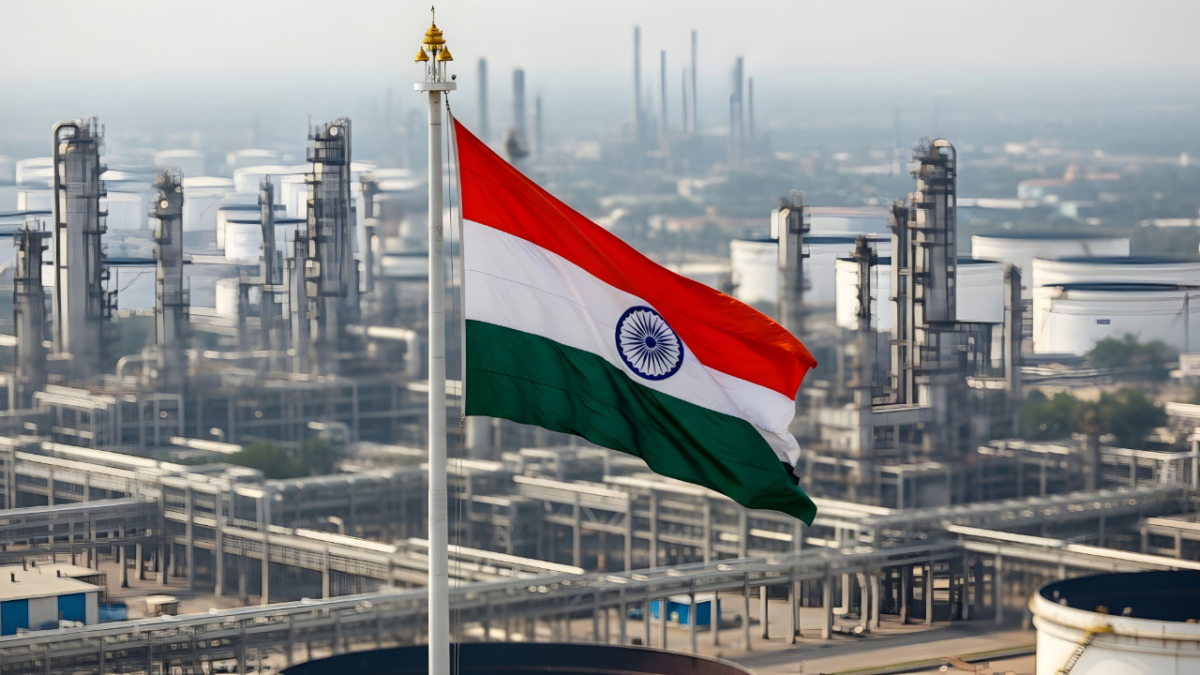
[vc_row el_class=”td_classic_blog_home”][vc_column][vc_column_text css=””]Following the Russian invasion of Ukraine in February 2022, and the subsequent sanctions imposed by the United States and Europe on Russian energy, Russia began to seek out new markets that were still interested in its discount crude, and one of those was India. As Russia reduced the price of its energy products, countries such as China and India were not dissuaded from purchasing Russian energy in the face of international sanctions, as they increased their import levels.
India’s Russian crude oil imports reached an average of almost 1.8 million barrels per day in May, after 10 months of steady increases. However, United States President Donald Trump is threatening to bring an end to that trend by introducing new tariffs on India. So, will India continue to buy oil from Russia, and is Trump serious or bluffing about adding new tariffs?
India is the world’s third-largest oil importer and consumer, and the government is constantly looking for competitively priced crude to meet the country’s energy needs. In recent months, crude distillation unit shutdowns at India’s main refineries have increased the need to import more crude for feedstock, according to Jay Shah, a senior oil analyst at Rystad Energy.
The Southeast Asian country’s rising energy needs have made it turn to Russia for oil, with Moscow offering competitively priced crude for countries that are willing to shun international sanctions on Russian energy. In 2023, India more than doubled its import of Russian crude year-on-year. It is now the second-biggest importer of Russian crude, after China, with it contributing around 35% of India’s oil supplies. Its other main oil exporters are Iraq and Saudi Arabia, followed by the United States.
President Trump’s Response
In August, President Trump signed an executive order “to impose an additional ad valorem duty on imports of articles of India, which is directly or indirectly importing Russian Federation oil.” In signing the order, Trump threatened to introduce additional 25% tariffs on Indian imports starting August 27.
If Trump follows through with the move, tariffs on numerous Indian exports to the United States will increase to 50%, which would affect key Indian goods such as textiles, gems and jewellery, auto parts, and seafood. Meanwhile, electronics, including iPhones, and pharmaceuticals would remain exempt from additional levies for now.
Earlier in the month, Trump said on social media that the Indian government was purchasing “massive amounts” of Russian oil and selling it on the open market. Trump stated, “They don’t care how many people in Ukraine are being killed by the Russian War Machine.”
India’s Foreign Ministry responded to President Trump’s order by emphasizing the difficulties in meeting the energy needs of 1.4 billion people. In a statement, the ministry said, “It is therefore extremely unfortunate that the U.S. should choose to impose additional tariffs on India for actions that several other countries are also taking in their own national interest.” The agency also suggested that India intended to continue buying Russian crude.
Trump’s executive order does not threaten India alone; rather, it means the U.S. could impose additional tariffs on any country that continues to purchase Russian crude. In recent interviews, Trump has threatened the introduction of secondary sanctions, with up to 100% tariffs, on any country that maintains its energy ties with Russia.
Industry Response
While experts fear the impact that such high tariffs would have on India’s economy, the oil and gas industry is less concerned about the threat of new levies. Some believed that Trump used the threat of tariffs to garner leverage ahead of his meeting with Russian President Vladimir Putin last week.
Before the meeting, Trump appeared undecided about whether he would go ahead with the tariffs or not, stating that they would be “very devastating” for China, especially and suggesting that Russia had already “lost an oil client” in India. “If I have to do it, I’ll do it. Maybe I won’t have to do it,” said Trump.
After the meeting, Trump said the Alaska summit had been a “great and very successful day”. During a post-summit interview with Fox News presenter Sean Hannity, Trump said he planned to hold off on imposing secondary tariffs on China for purchasing Russian crude after making progress with President Putin. However, he did not mention India directly.
“Because of what happened today, I think I don’t have to think about that now,” Trump said. “I may have to think about it in two weeks or three weeks or something, but we don’t have to think about that right now.”
It continues to remain unclear whether Trump will introduce additional tariffs on Indian products in the coming weeks. However, his threat could well make the Southeast Asian country reassess its reliance on Russian crude.
Stay In The Know with Shale
While the world transitions, you can count on Shale Magazine to bring me the latest intel and insight. Our reporters uncover the sources and stories you need to know in the worlds of finance, sustainability, and investment.
Subscribe to Shale Magazine to stay informed about the happenings that impact your world. Or listen to our critically acclaimed podcast, Energy Mixx Radio Show, where we interview some of the most interesting people, thought leaders, and influencers in the wide world of energy.
Subscribe to get more posts from Felicity Bradstock[/vc_column_text][/vc_column][/vc_row]