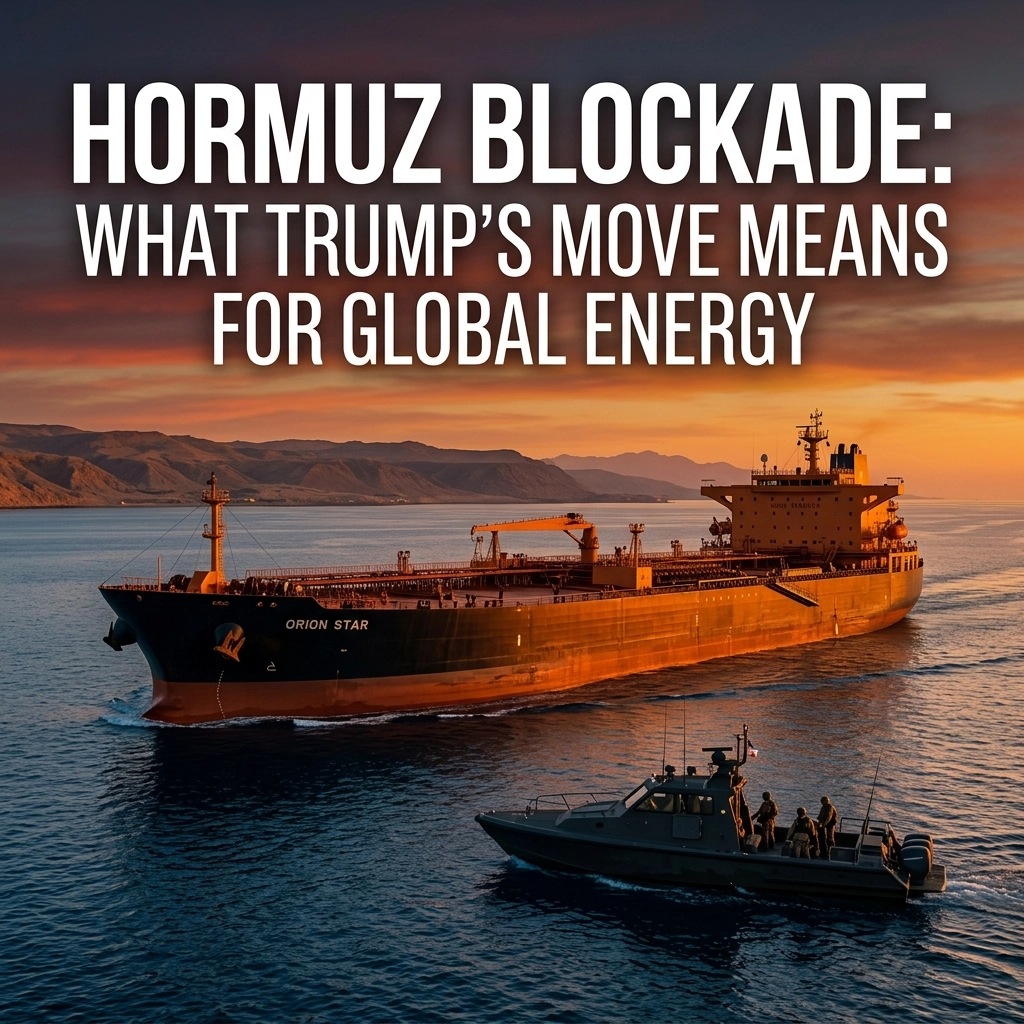
Global energy market shifts. At 10:00 AM EDT on Monday, April 13, 2026, the White House officially initiated a naval blockade of the Strait of Hormuz. This decision follows the collapse of high-stakes peace talks in Islamabad over the weekend, where U.S. and Iranian negotiators failed to reach an agreement regarding the Iranian nuclear program and regional maritime security. The move marks one of the most significant disruptions to the global energy market in recent history, sending shockwaves through commodity exchanges from London to Singapore.
For energy analysts and industry stakeholders, the blockade represents a paradigm shift in how energy security is balanced against geopolitical objectives. While the administration describes the action as a necessary measure to curb unauthorized nuclear proliferation, the immediate economic consequences are undeniable. As of mid-morning, Brent crude prices have surged toward $102 per barrel, reflecting the sudden risk premium attached to approximately 20 percent of the world’s daily oil and gas supply.
The Strategic Scope of the Naval Blockade
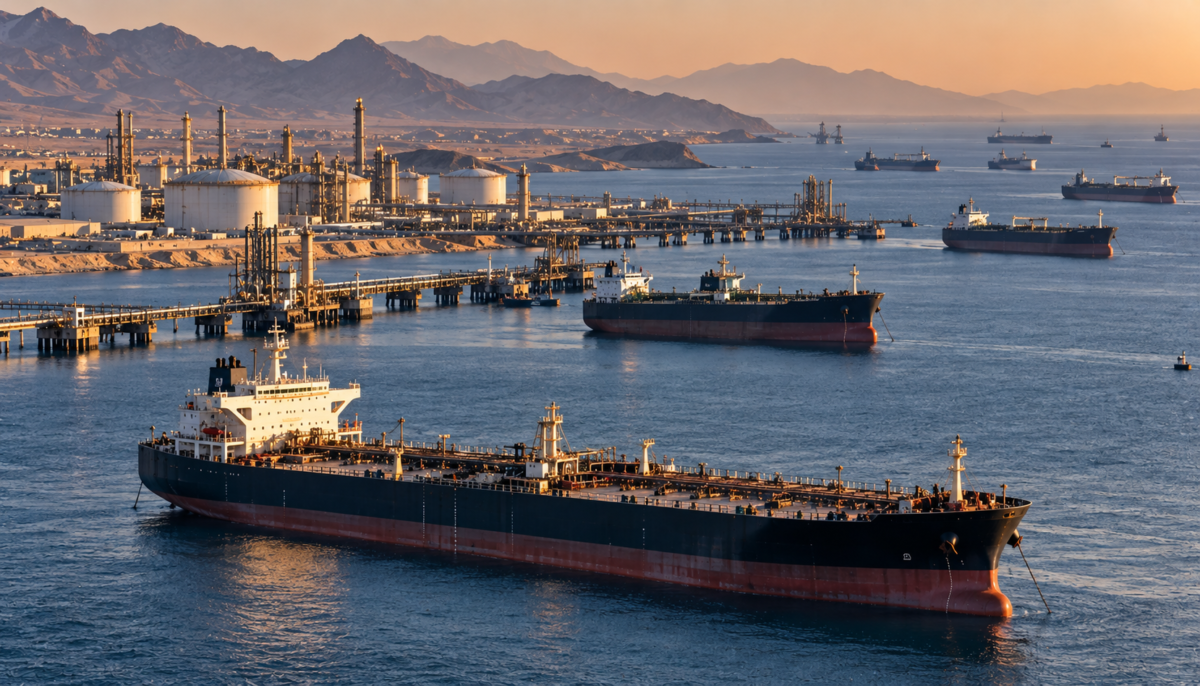
The blockade is not a blanket closure of the Strait of Hormuz, but rather a targeted interdiction effort. According to statements from the Department of Defense and the White House, the primary targets are Iranian ports and any vessels found to be paying transit tolls to the Iranian government. The Strait of Hormuz is a narrow waterway between Oman and Iran that connects the Persian Gulf with the Gulf of Oman and the Arabian Sea. It is the world’s most important oil transit chokepoint.
Technically, non-Iranian traffic and ships not associated with the Iranian state are allowed to pass. However, the heavy presence of the U.S. Navy and regional coalition partners creates a logistical bottleneck that is already slowing down transit times. Vessel operators are reporting increased scrutiny, mandatory inspections, and significant delays. For companies involved in the movement of crude oil prices, these delays translate directly into higher insurance premiums and freight costs.
The objective is to eliminate the dark transits that have allowed Iran to bypass international sanctions for years. By physically controlling the flow of traffic, the administration aims to cut off the revenue stream that supports Tehran’s nuclear ambitions. This strategy is a direct response to the failed Islamabad talks, where negotiators reportedly walked away after Iran refused to allow comprehensive inspections of its enrichment facilities.
Understanding Global Energy Market Trends and Price Volatility
The reaction from the global energy market was instantaneous. Before the blockade was officially announced at 10 AM, Brent crude was trading in the low $90s. Within an hour of the news breaking, prices crossed the $100 threshold. In the United States, West Texas Intermediate (WTI) followed a similar trajectory, with some analysts predicting that domestic gas prices could rise by as much as 40 percent if the blockade persists for more than a few weeks.
Market participants are currently pricing in the loss of nearly 2 million barrels of oil per day that typically flow from Iranian ports. However, the concern extends far beyond Iranian exports. Because the Strait of Hormuz facilitates the passage of roughly 20 to 21 million barrels of oil per day: nearly a fifth of global liquid petroleum consumption: the potential for collateral disruption is massive. This includes exports from Saudi Arabia, the United Arab Emirates, Kuwait, and Iraq.
To manage the fallout, the International Energy Agency (IEA) has already signaled the possibility of releasing up to 400 million barrels from emergency reserves. While this might provide a short-term buffer, it does not address the long-term structural risk of a closed or contested chokepoint.
Geopolitical Tensions and Regional Safety Concerns
The situation is further complicated by Iran’s response. Shortly after the U.S. Navy began positioning assets, the Iranian Defense Ministry issued a warning that foreign military intervention in the strait would destabilize global energy security. There are credible reports of threats against other major Gulf ports, which could expand the conflict beyond the strait itself. This has led to international calls for the restoration of navigation freedom from European leaders, including British Prime Minister Keir Starmer and French President Emmanuel Macron.
The risk of escalation remains high. If Iran follows through on threats to mine the strait or use fast-attack craft against non-military vessels, the impact on global energy market trends would be catastrophic. We are currently looking at a scenario where oil could easily hit $110 or $120 per barrel in the coming days. The focus is now on whether regional allies can maintain security without triggering a broader kinetic conflict.
The U.S. strategy appears to rely on the belief that a short, sharp economic shock will force Iran back to the negotiating table. However, history suggests that maritime blockades can be difficult to unwind once they begin. For a deeper look at how international policy impacts domestic strategies, the current analysis of https://shalemag.com/louisiana-lng-permitting-strategy offers context on how the U.S. is positioning itself as a reliable alternative supplier.
Long-term Outlook for the Energy Spectrum
Even if the blockade ends within the week, the damage to market confidence will take much longer to repair. The IEA has suggested that it could take up to two years for the global energy market to return to a pre-crisis baseline. This is due to the anticipated damage to energy infrastructure in the region and the permanent shifts in shipping routes that companies are already beginning to implement.
For domestic producers in the United States, this crisis reinforces the need for energy independence and the optimization of North American resources. The volatility in the Middle East often leads to a renewed interest in local production, from the Permian Basin to the offshore rigs in the Gulf.

We are also seeing a renewed focus on the role of natural gas and LNG. As oil prices climb, the demand for natural gas as a substitute for power generation and industrial use typically follows. The blockade doesn’t just affect oil; it also impacts about 20 percent of the world’s liquefied natural gas (LNG) supply. This creates a supply crunch in Europe and Asia, where buyers are already scrambling to secure cargoes from the U.S. and Qatar.
Navigating the Uncertainty Ahead
As of this afternoon, the U.S. military presence in the Gulf of Oman is being reinforced by additional carrier strike groups. The administration has made it clear that this is an open-ended operation until the objectives set out after the Islamabad failure are met. Investors and energy professionals should prepare for a period of sustained volatility.
Key indicators to watch over the next 48 hours include:
- The frequency of Iranian naval maneuvers near the blockade line.
- The official response from the OPEC+ coalition regarding production increases to offset potential losses.
- Any signs of a “risk premium” being added to LNG contracts for the upcoming winter season.
The current situation is a stark reminder that energy is the lifeblood of global geopolitics. A single 21-mile-wide waterway can hold the global economy in the balance. While the blockade is intended as a surgical economic tool, its ripples will be felt at every gas pump and in every utility bill across the world.
Conclusion
The decision to blockade the Strait of Hormuz is a calculated gamble by the Trump administration to force a resolution to a decades-long nuclear standoff. By targeting the financial heart of the Iranian state: its oil exports: the U.S. is exercising a level of maritime control not seen in the region for years. However, the cost of this move is being paid in real-time by the global energy market.
Whether Brent crude stabilizes at $102 or continues its climb toward $110 will depend on the events of the next few days. For now, the world waits to see if diplomacy can be salvaged from the wreckage of the Islamabad talks or if the Strait of Hormuz will remain a flashpoint for a new era of global energy instability.
The focus remains on the intersection of national security and economic reality. As we track these events, the importance of a diversified and resilient energy strategy has never been more apparent.
Keep In Touch with Shale Magazine
As the new era of energy unfolds, you can bet we’ll be the boots on the ground to keep you informed. Subscribe to Shale Magazine for sharp insight into the arenas that matter most to your life. And don’t forget to listen to our riveting podcast, The Energy Mixx Radio Show, where our very own Kym Bolado interviews the most extraordinary thought leaders, business innovators, and industry experts of our time.
Subscribe to get more posts from Amanda Jenkins