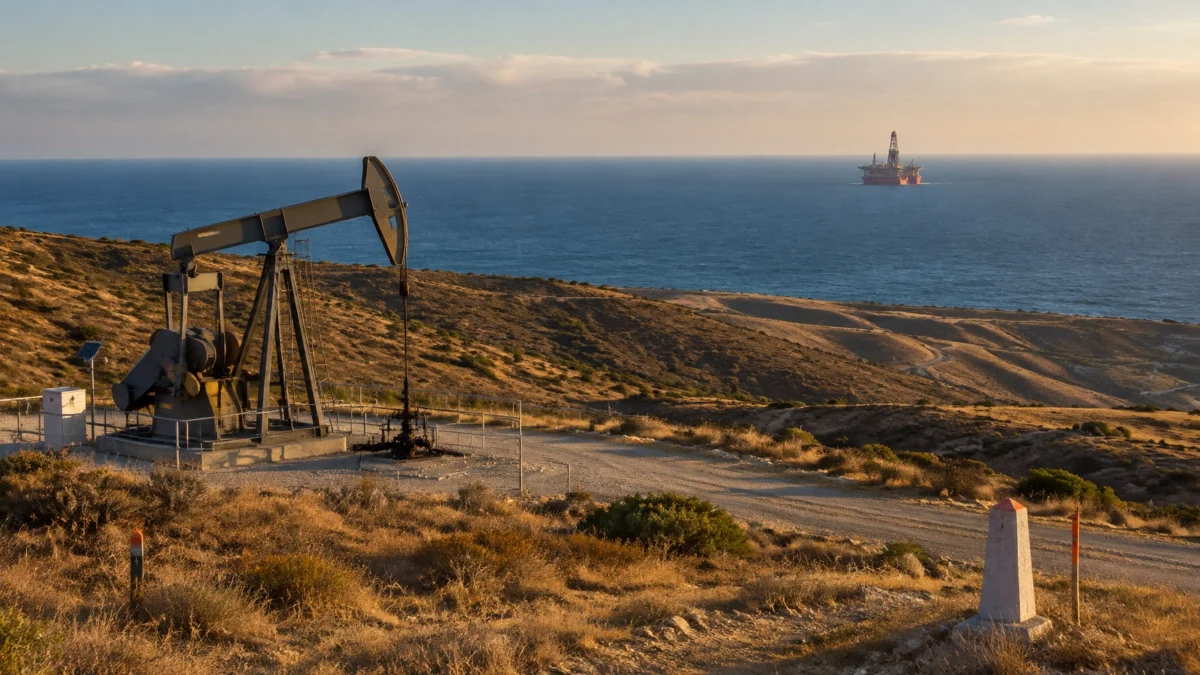
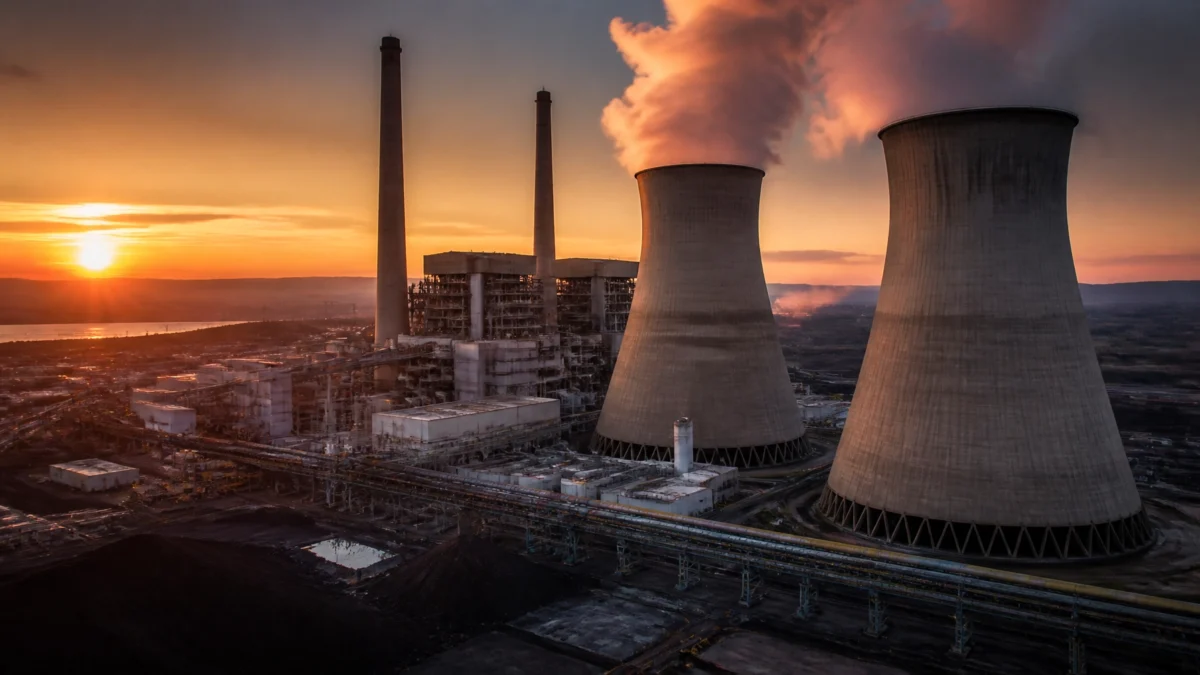
AI energy demand surges have fundamentally altered the landscape of American energy policy. As of May 2026, the Department of Energy (DOE) has taken the unprecedented step of utilizing emergency authorities to halt the retirement of aging coal-fired power plants. This shift represents a direct response to a burgeoning crisis in grid reliability, where the rapid expansion of artificial intelligence data centers and advanced manufacturing has outpaced the deployment of new generation capacity. What was once a clear trajectory toward decarbonization has now encountered the hard reality of baseload requirements in a high-tech economy.
The federal government is currently leaning on Section 202(c) of the Federal Power Act to ensure that the nation’s digital infrastructure remains operational. This provision allows the Secretary of Energy to mandate the operation of generating facilities during periods of “emergency” characterized by a shortage of power or a sudden increase in demand. While historically reserved for extreme weather events or physical infrastructure failures, the current “emergency” is of a different nature: a structural deficit in electricity supply driven by the massive scale of the AI revolution.
The Role of Section 202(c) in Managing AI Energy Demand Surges
The use of Section 202(c) as a proactive tool for grid stability marks a significant departure from previous regulatory norms. In recent months, the DOE has issued a series of orders to freeze the decommissioning of coal units across the Midwest and the West. These orders are predicated on findings from the DOE’s 2025 Resource Adequacy Report, which concluded that without decisive intervention, the domestic power grid would be unable to sustain the power requirements of re-industrialization and AI innovation.
By declaring a state of emergency based on projected load growth, the DOE has effectively turned aging coal assets into a strategic reserve. The primary justification offered by federal officials is the maintenance of “dispatchable” power: energy that can be turned on or off as needed to balance the intermittent nature of renewable sources like wind and solar. As data centers require 24/7 reliability to maintain the massive computing arrays necessary for large language models, the intermittency of the current green transition has become a liability that only traditional baseload assets, such as coal and nuclear, seem currently equipped to mitigate.

The J.H. Campbell Case Study and Regional Conflict
One of the most prominent examples of this policy in action is the J.H. Campbell Generating Plant in Michigan. Owned by Consumers Energy, the plant was slated for a planned retirement as part of Michigan’s transition to cleaner energy sources. However, a DOE emergency order issued in 2025 and extended into 2026 has kept the facility operational. This decision has sparked a significant legal and regulatory conflict between federal authorities and state regulators.
The Michigan Public Service Commission has publicly argued that no genuine energy emergency exists within the state or the Midcontinent Independent System Operator (MISO) region that justifies such a drastic federal intervention. This tension highlights a growing divide in the energy sector: the conflict between local environmental goals and national industrial priorities. While Michigan seeks to reduce its carbon footprint, the federal government is prioritizing the “AI power pledge” and the maintenance of the digital economy’s backbone.
The financial implications of these orders are substantial. Reports indicate that Consumers Energy spent approximately $29 million in the first month of the emergency operation alone, with cumulative costs reaching $135 million by early 2026. These expenses are typically passed on to ratepayers, leading to a situation where consumers across the MISO grid are subsidizing the operation of older, less efficient plants to ensure the stability of data center operations. For those tracking energy economics, the socialization of these costs represents a significant shift in market dynamics.
AI Infrastructure and the New Load Profile
The scale of power consumption required by modern data centers is difficult to overstate. A single large-scale AI data center can demand upwards of 100 megawatts (MW) of new load: the equivalent of tens of thousands of homes. The White House has responded to this challenge by issuing executive orders aimed at accelerating federal permitting for data center infrastructure. These orders explicitly include coal, gas, and nuclear power as “covered components” for fast-tracked permitting if they are built or maintained to serve these digital hubs.
The energy industry is now seeing a literal “coal lifeline” where plants that were economically unviable are being revived to serve a specific, high-value customer base. This has created a paradoxical situation where the pursuit of cutting-edge technology is reliant on the most traditional of fossil fuels. Analysts at SHALE Magazine have noted that this trend is not limited to Michigan. Similar orders have been issued for facilities like Craig Unit 1 in Colorado, ensuring its availability through the spring of 2026 to prevent potential blackouts in the Western grid.

Evaluating the Economic and Environmental Trade-offs
The decision to prop up coal plants to address AI energy demand surges involves a complex set of trade-offs. On one side is the necessity of grid reliability and the economic growth associated with the AI sector. On the other is the environmental and health cost of continued coal combustion. According to data from the Environmental Protection Agency (EPA), plants like J.H. Campbell continue to emit significant quantities of sulfur dioxide, nitrogen oxides, and millions of tons of carbon dioxide annually.
Furthermore, critics argue that the use of emergency orders masks the symptoms of a deeper problem: the failure to build new, reliable generation and transmission infrastructure fast enough. By relying on Section 202(c), the government may be inadvertently reducing the incentive for utilities to invest in the next generation of power sources, such as advanced nuclear or long-duration energy storage. The “rapid expansion of artificial intelligence” has effectively forced the government’s hand, creating a scenario where short-term stability is prioritized over long-term sustainability goals.
The economic impact also extends to the electricity markets themselves. Constant intervention via emergency orders can distort price signals, making it difficult for new market entrants to compete. If the cost of maintaining old coal plants is socialized across entire regional grids, the true cost of powering the AI revolution remains hidden from the tech companies driving the demand. This lack of transparency could lead to inefficient siting of data centers and further strain on already vulnerable parts of the national grid.

Looking Ahead to Grid Reality in 2026
As we move through 2026, the question of how to balance innovation with infrastructure will remain central to the national dialogue. The DOE’s current strategy of “reliability at any cost” has successfully prevented the widely feared “AI blackouts,” but it has done so by tethering the future of technology to the fuels of the past. The industry is now watching closely to see if the planned expansion of uranium enrichment and advanced nuclear projects can provide a cleaner alternative to coal before the current emergency orders expire.
The reality of the 2026 energy market is one of transition: not necessarily from one fuel to another, but from a period of relative surplus to a period of chronic scarcity. The demand for electricity is no longer stagnant; it is growing at a rate not seen in decades. For the energy professional, the lesson is clear: the grid is the ultimate arbiter of industrial progress. Until the physical infrastructure of transmission and generation can keep pace with the digital speed of AI development, the smoke from aging coal stacks will likely remain a fixture on the American horizon.
The tension between the DOE and state regulators, the rising costs for consumers, and the environmental implications of delayed coal retirements are all facets of a single, larger challenge. We are witnessing the birth of a new energy era where “dispatchable” is the most important word in the industry vocabulary. As Washington continues to navigate these turbulent waters, the focus must remain on building a grid that is as smart as the technology it powers.
Keep In Touch with Shale Magazine
As the new era of energy unfolds, you can bet we’ll be the boots on the ground to keep you informed. Subscribe to Shale Magazine for sharp insight into the arenas that matter most to your life. And don’t forget to listen to our riveting podcast, The Energy Mixx Radio Show, where our very own Kym Bolado interviews the most extraordinary thought leaders, business innovators, and industry experts of our time.