[vc_row][vc_column][vc_column_text css=””]The global energy landscape shifted dramatically over the weekend of April 19, 2026. With the status of the Strait of Hormuz fluctuating and the U.S. Navy seizing an Iranian cargo ship that attempted to challenge the maritime cordon, the conversation in Washington D.C. has pivoted from long-term decarbonization to immediate national security. For years, the Department of Energy has balanced a portfolio between emerging green technologies and traditional fossil fuels. However, the FY 2027 budget proposal signals a definitive end to that era of parity. We are now entering a period where energy policy is viewed through the same lens as missile defense or border security.
The disruption around Hormuz is not just a regional skirmish; it is a direct hit to the global supply chain. As Brent crude surges past the $100 mark, the White House has moved to retool the domestic energy strategy to ensure that the United States is not just energy independent on paper, but energy dominant in practice. Just as important, the administration has made clear that the blockade on Iranian ports will remain in effect until a comprehensive deal is reached, regardless of whether the strait itself is partially reopened, contested, or temporarily accessible. This shift is most visible in the way the Department of Energy is reallocating its massive multibillion-dollar budget.
The Hormuz Factor and National Security
The Strait of Hormuz is the world’s most important oil transit chokepoint. Approximately one-fifth of the world’s total oil consumption passes through this narrow waterway daily. When the flow stops, or even when access becomes uncertain, the economic ripples are felt in every gas station and boardroom in America. Over the weekend, that uncertainty escalated further when the U.S. Navy seized an Iranian cargo ship after it attempted to evade enforcement actions tied to the broader blockade regime. For a deeper look at the historical context of this region, you can see how Iran and the Strait of Hormuz power dynamics have influenced prices for decades.
In response to this crisis, the current administration is moving away from the climate-centric goals of the previous few years. The focus has shifted toward securing the energy supply chain from the ground up. This means prioritizing the extraction and processing of resources that can be controlled within the borders of the United States or by close North American allies. The “Hormuz factor” has effectively killed the appetite for energy projects that rely on long, vulnerable international supply chains for rare earth minerals or components manufactured overseas. At the same time, the White House is separating the fluctuating operating status of the Strait of Hormuz from its wider pressure campaign: even if some vessel traffic resumes through the chokepoint, the blockade on Iranian ports is still being treated as an active negotiating instrument until a comprehensive agreement is completed.

Reallocating the Department of Energy Budget
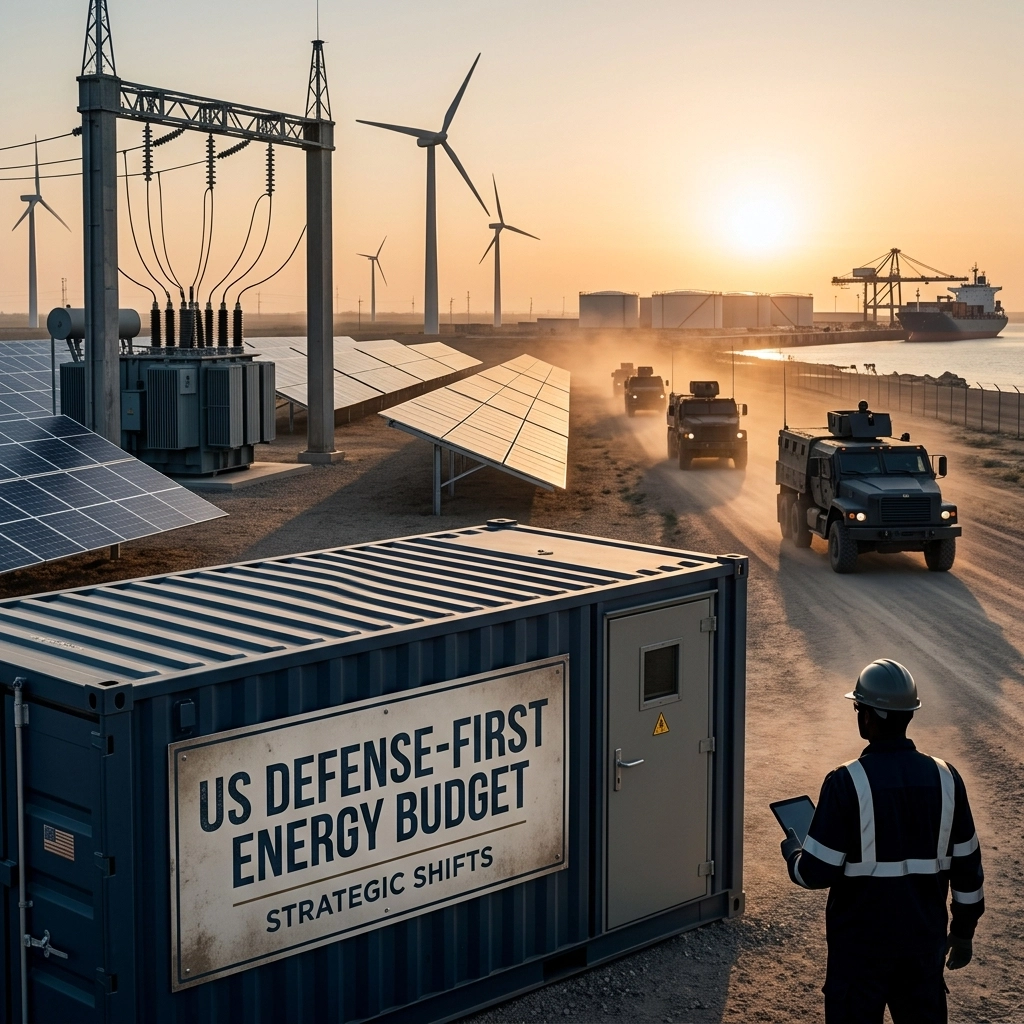
The FY 2027 budget request for the Department of Energy is a stark departure from the trends of 2020 through 2024. A significant portion of the funding previously earmarked for the Office of Energy Efficiency and Renewable Energy (EERE) is being diverted. Where is that money going? A large chunk is heading toward the National Nuclear Security Administration (NNSA). The NNSA is responsible for the management and security of the nation’s nuclear weapons, and in a time of heightened global conflict, the administration is prioritizing the modernization of the nuclear stockpile alongside the energy grid.
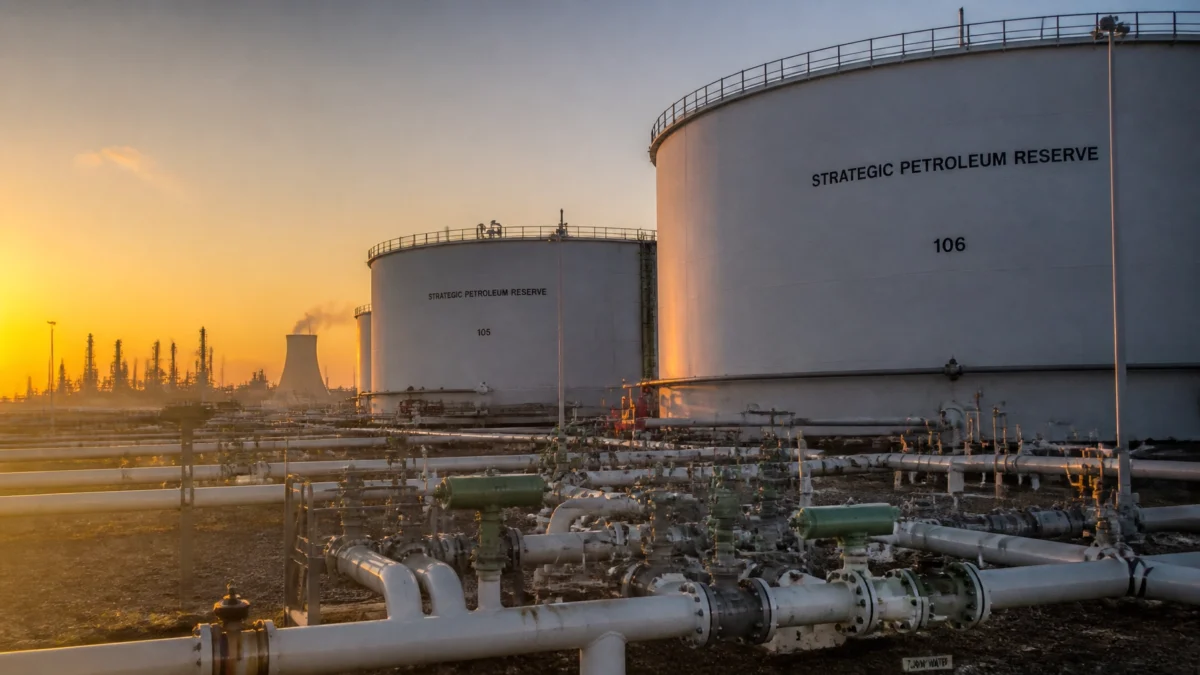
Beyond defense in the literal sense, the budget is doubling down on baseload power. In the world of energy, baseload refers to the minimum amount of electric power that must be delivered to the grid at any given time. While renewables like wind and solar have made strides, they often lack the 24/7 reliability required during a national emergency. Consequently, the new budget allocates record funds to revitalize coal, natural gas, and nuclear power plants. These are the workhorses of the American grid, and the Department of Energy now views them as critical infrastructure for national defense.
This pivot also includes a significant rollback of the “Solar for All” grants. By rescinding billions in renewables funding, the government is signaling that the era of subsidizing intermittent power is being paused in favor of hardening the existing infrastructure. This is a direct response to the need for a resilient grid that can withstand both cyberattacks and physical supply disruptions.
Oil and Gas Investments and Shale Energy
For investors, the message from D.C. is clear: traditional hydrocarbons are back at the top of the priority list. The administration is clearing the way for increased oil and gas investments by streamlining permitting processes and reducing the regulatory overhead that has slowed down production in recent years. This is especially true for the shale energy sector. The Permian Basin, the Eagle Ford, and the Bakken are once again being viewed as the frontline of American economic defense.
We are seeing a renewed interest in Bakken shale developments as the Department of Energy looks to maximize output from existing assets. The goal is to flood the market with domestic supply to offset the loss of Middle Eastern barrels. This isn’t just about lower prices at the pump; it’s about ensuring that the United States has the leverage to dictate terms in global diplomacy. When the U.S. is a net exporter of energy, the closure of a chokepoint like Hormuz becomes a problem for others, rather than a crisis at home.
Investors are also looking at how natural gas prices surge in times of conflict. The DOE budget includes provisions for expanded LNG export terminals, particularly in the Gulf Coast. The strategy is to replace Russian and Middle Eastern gas in the European and Asian markets with American LNG. This not only strengthens our allies but also creates a massive revenue stream for American energy companies.
The Shift Toward Baseload Reliability
The focus on coal, gas, and nuclear isn’t just a political statement; it’s an engineering necessity. As the world becomes more electrified: driven by the growth of AI data centers and domestic manufacturing: the demand for stable, uninterruptible power is skyrocketing. The Department of Energy’s pivot toward baseload power is an admission that the transition to a purely renewable grid was perhaps premature for the current geopolitical climate.
Nuclear energy, in particular, is seeing a renaissance in the FY 2027 proposal. Funding is being directed toward Small Modular Reactors (SMRs) and extending the life of existing nuclear plants. Nuclear is the ultimate baseload power: it produces zero carbon emissions and operates at high capacity factors regardless of the weather. By framing nuclear power as a component of national security, the administration is bypassing much of the traditional anti-nuclear sentiment.
Natural gas is also being positioned as the “bridge” that will now last much longer than originally planned. The Department of Energy is incentivizing producers to reduce methane leaks while increasing total volume. This “cleaner gas” approach allows the administration to maintain some environmental standards while prioritizing the security that natural gas provides.
Long-Term Projections for the Energy Sector
What does this mean for the next few years? First, expect a surge in domestic drilling activity. The incentives for shale energy production are likely to remain high as long as the Strait of Hormuz remains a flashpoint and Iranian port restrictions stay in place. Second, the “Defense-First” mindset will likely lead to a consolidation of the energy industry. Larger players with the capital to invest in massive infrastructure projects will be favored by the government’s new procurement rules.
We can also expect a significant increase in public-private partnerships focused on grid hardening. The Department of Energy will likely offer grants not for “green” power, but for “resilient” power. This includes physical security for substations and advanced encryption for grid management software. The line between the Department of Defense and the Department of Energy is blurring, and that trend is only expected to accelerate.
The debate over Biden vs Trump energy policies has often centered on “Green New Deal” versus “Drill Baby Drill.” However, the 2026 reality is more nuanced. It is a “Security First” policy that acknowledges the utility of all energy sources but prioritizes those that provide stability and independence. Whether it’s through shale energy or nuclear modernization, the goal is to make the American economy bulletproof against international blackmail.
The reallocation of the Department of Energy’s budget toward defense and baseload power marks a historic shift in US policy. As the status of the Strait of Hormuz continues to change and the U.S. enforces its position with actions such as the weekend seizure of an Iranian cargo ship, the US is choosing a path of pragmatic energy dominance. The White House has also made clear that pressure on Iranian ports will not be lifted until a comprehensive deal is reached. The focus on oil and gas investments and shale energy is no longer just about economics; it is the cornerstone of a new national defense strategy. As we move through 2026, the energy sector will likely remain the most important theater of global conflict and cooperation.
Keep In Touch with Shale Magazine
As the new era of energy unfolds, you can bet we’ll be the boots on the ground to keep you informed. Subscribe to Shale Magazine for sharp insight into the arenas that matter most to your life. And don’t forget to listen to our riveting podcast, The Energy Mixx Radio Show, where our very own Kym Bolado interviews the most extraordinary thought leaders, business innovators, and industry experts of our time.
Subscribe to get more posts from Amanda Jenkins[/vc_column_text][/vc_column][/vc_row]