As tech companies race to develop data centers in the United States, firms are seeking a wide range of energy sources to power their new developments, using both fossil fuels and clean alternatives. Companies such as Google, Amazon, and Microsoft have all announced major new data centers supported by agreements with energy companies over the past year.
Since entering office, President Donald Trump has been enthusiastic about the development of new data centers across the country, which he believes will support the deployment of “technologies that are essential to national security, economic prosperity, and scientific leadership.”
Government support has made it easier for tech companies to accelerate the construction of their data centers, which will require the development of large-scale energy projects to provide the power needed to run them.
Google Opts for Gas
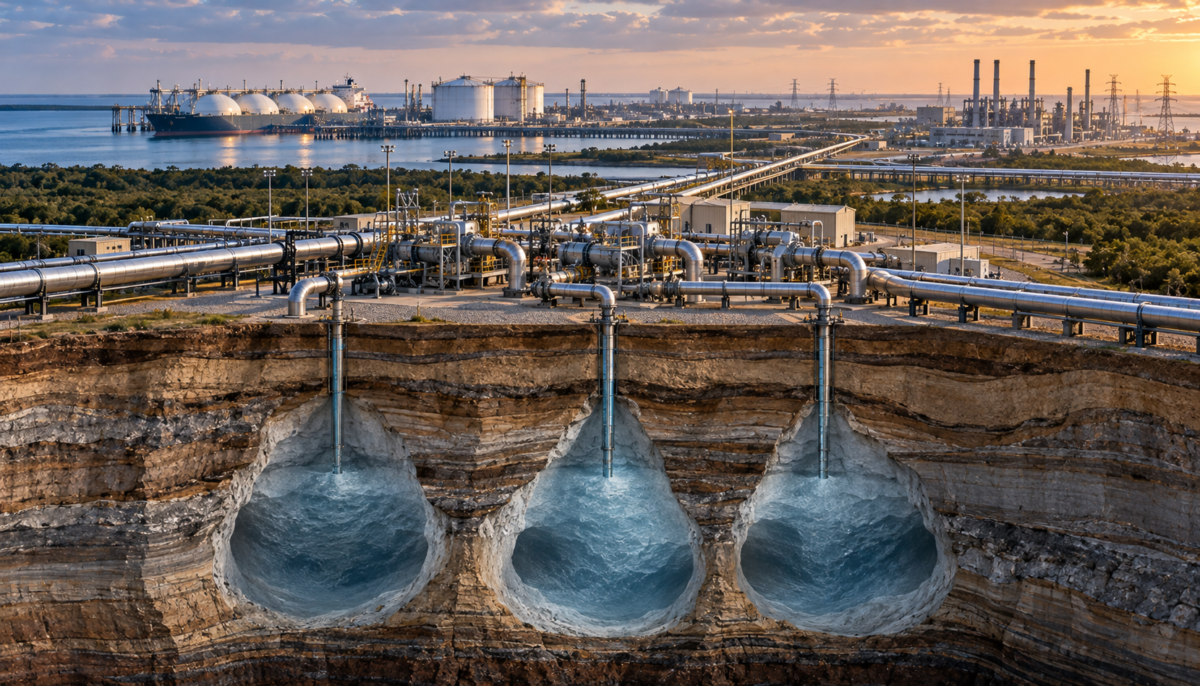
Google confirmed in April that it planned to use power from a soon-to-be-developed natural gas power plant in rural Texas to run its new data center campus, known as Goodnight. The gas project in Armstrong County will be operated by Crusoe Energy.
Crusoe has already filed for a permit to develop the 933-MW plant on the site of the Goodnight campus, which will allow the facility to operate off-grid and is expected to provide energy for at least two buildings.
The agreement between Google and Crusoe came as somewhat of a shock considering that the tech firm had previously pledged to be carbon neutral by 2030 and has long been a supporter of clean energy use.
Michael Thomas, the founder of the clean energy and data center monitoring company Cleanview, explained, “Google has spent decades crafting an image as a clean energy leader… I’ve always considered them to be the most committed to their climate goals. But these projects suggest a major strategic pivot at the company could be under way.”
The gas facility is expected to emit up to 4.5 million tons of carbon dioxide a year, according to Crusoe’s permit application, which is equivalent to more than the annual emissions of San Francisco.
Crusoe’s planned Texas power plant is the third known gas facility that Google has entered talks with in recent months. In October, Google announced it had completed a deal to purchase power from a gas plant in Illinois and, in March, Flatwater Free Press reported that Google is exploring another huge gas project in Nebraska.
Google has stated that while it still intends to use clean energy sources it does not expect the use of natural gas to negatively affect its climate goals.
Other Tech Firms’ Energy Plans
Several other tech firms announced major partnerships with energy companies in 2025, with many turning to off-grid power solutions by developing their own eranging nergy projects, from wind and solar power to gas and smanuclear projects.
Pressure has been mounting from consumers to regulate data centers, as tech companies’ energy demand from the grid rapidly increases at the same time as consumers battle with rising electricity bills. Many environmentalists have also blamed tech companies to shifting reliance back on to fossil fuels by rapidly driving up electricity demand, following several years of green transition. This makes new, off-grid energy developments increasingly attractive to tech firms.
According to a study from the non-profit energy tracking organization Global Energy Monitor, approximately 39% of the gas power capacity being developed in the United States at the end of 2025 was designed to power data centers on-site. The marks a 5% increase from the end of 2024.
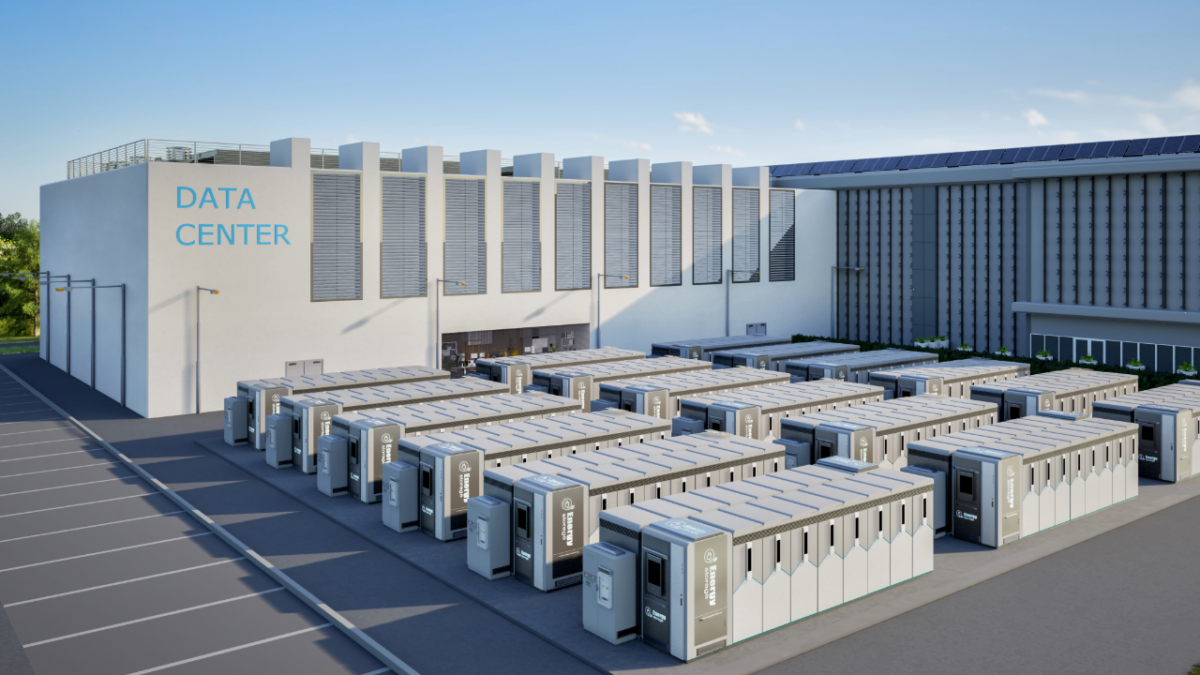
In addition to gas plants, some tech firms are turning to renewable energy and nuclear power to secure their future power supply. According to a Cleanview report assessing the power sources of publicly disclosed equipment, natural gas will provide around 22.8 GW of on-site power for U.S. data centers, while nuclear reactors will supply 6.4 GW, fuel cells 1.3 GW, and battery storage 355 MW.
In 2025, the nuclear power startup Helion commenced construction on a site for a planned nuclear fusion power plant. The firm has signed an agreement with tech major Microsoft to begin providing its data centers with nuclear fusion power starting in 2028 – even though there is currently no proven method of producing commercial fusion power.
Meanwhile, Google signed a power purchase agreement with small modular reactor (SMR) company Kairos Power, which expects its first project to be operational by 2030, as it also looks to nuclear energy to power its future data centers.
Google also plans to run some of its data centers using solar power. In 2024, the Department of Energy announced the opening of three solar projects — Orion I, Orion II, and Orion III, with a total output of 875 MW, similar to that of an average-sized natural gas plant. The clean power being supplied from the project to the Texas grid helps power Google’s data centers in Ellis County.
As pressure mounts on tech companies to divulge their energy plans for powering major new data center developments, a clearer picture of the data center power landscape is expected to emerge, compared to the limited information that is currently available. However, it appears that several major tech firms have big plans for on-site energy projects, as well as grid agreements with energy companies across the country to procure power from a variety of energy sources.
Keep In Touch with Shale Magazine
As the new era of energy unfolds, you can bet we’ll be the boots on the ground to keep you informed. Subscribe to Shale Magazine for sharp insight into the arenas that matter most to your life. And don’t forget to listen to our riveting podcast, The Energy Mixx Radio Show, where our very own Kym Bolado interviews the most extraordinary thought leaders, business innovators, and industry experts of our time.