



Rick Figueroa talked to us from his ranch in Brenham, Texas, where he spends most of his time with his wife and four children when he’s not working, chairing the Texas Commission of Licensing and Regulation (the Commission) or sitting on a board of one of the many social organizations he supports.
Juggling his many different roles is what Figueroa seems to do best. Despite managing a full workload and family life, Figueroa told us about his ambitious aims for the Commission. He also spoke about some of the new projects he’s working on, which are centered closely around diversity, something Figueroa says is key to building a successful project.
Chair of the Texas Commission of Licensing and Regulation
Figueroa has been chair of the Commission since 2019, after being appointed to the agency in 2016. He first decided to join the Commission after realizing it was where he could make the biggest impact.
As chair, he hopes to provide youths and blue-collar workers with every possible opportunity to get a license and practice their professions, while ensuring that only those with adequate skills and experience can gain access to a license.
The Commission, based in Austin, is the governing board and policy-making body for the Texas Department of Licensing and Regulation. It is led by seven volunteer members, all of whom are appointed by the state governor and confirmed by the Texas Senate.
Unlike industry-specific advisory boards, Commission meetings address topics that relate to all industries regulated by the TDLR, which covers 39 sectors at present. The Commission is in charge of setting fees, adopting changes to administrative rules, imposing penalties, and hearing contested enforcement cases.
Figueroa’s Work at the Commission
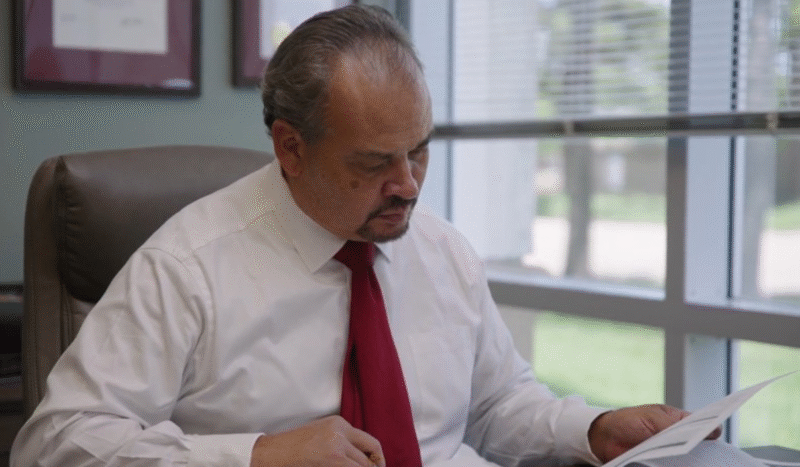
Figueroa caught the attention of Texas state Governor Greg Abbott because of his extensive experience in auditing, where he developed a deep understanding of the importance of best practices.
Figueroa holds a bachelor’s degree in accounting and a master’s in Land Economics and Real Estate from Texas A&M University. Upon graduating, Figueroa pursued a career in auditing at Arthur Andersen, before taking on roles at the oil service firm Halliburton and then at Merrill Lynch. His many years of experience across various sectors have made him well-suited for his role at the Commission.
The Commission currently provides licenses for professionals across 39 sectors, having just recently expanded its portfolio to include motor fuels. Figueroa said that the Commission’s coverage is ever-expanding thanks to its strong reputation in licensing and regulation.
Figueroa told us that as Commission leaders, it is impossible to understand the requirements and expectations of all 39 sectors, meaning that the Commission relies heavily on its sub-committees. The leadership team consults experts in each field who advise them on how to best manage sectoral regulation. Commissioners then use their regulatory expertise to streamline the licensing process for each sector.
Figueroa strikes a balance between protecting public safety and reducing the regulatory burden by consulting extensively with each industry to understand the criteria needed to work in the field. He encourages commissioners to focus on reducing the bureaucratic burden by streamlining application processes and avoiding repetition.
“I don’t think people mind being educated about standards or someone’s technical aptitude, but they hate having to write their name five times on different forms or tick five different boxes all saying the same thing,” said Figueroa.
Figueroa’s main aim is to ensure that those with the right criteria can gain access to a license without having to face unnecessary complications.
He also highlighted the importance of the ease of movement, making sure that licensed, capable professionals who move from one state to another can quickly and easily become licensed in their new location.
 Figueroa’s Leadership Philosophy
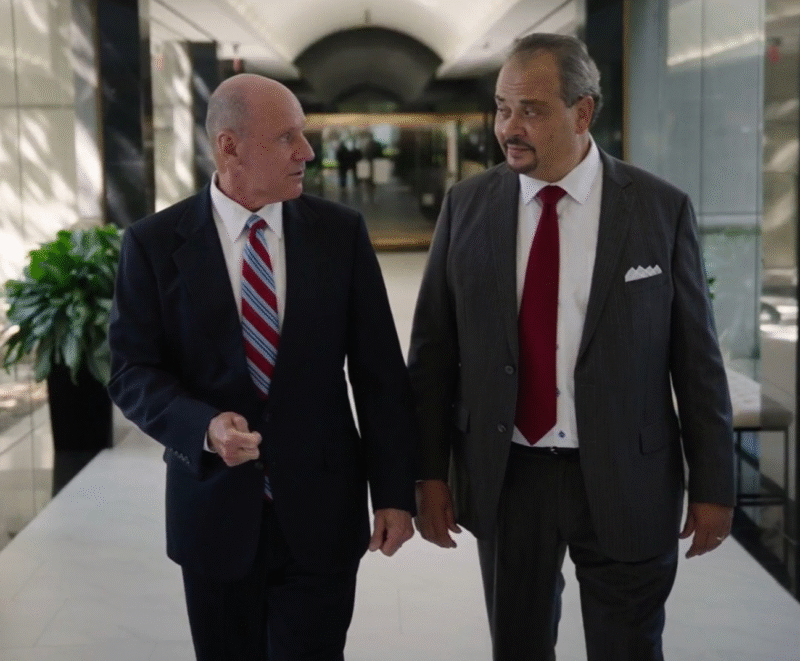
Leading the Commission successfully comes down to three things, according to Figueroa – humility, transparency, and being mission-focused.
Figueroa stressed the importance of being able to admit that “I don’t know,” and gaining a better understanding from experts in the field.
Clarity of message is also key for Figueroa, who says that if the various industries cannot communicate their criteria to licensees clearly or develop a streamlined application process, the system fails.
“Our job is to empower licensees who do their job well and ensure that consumers get the best of class service,” said Figueroa. This is the mission of the commission.
Transparency and accountability are two of the core values at the Commission, which holds public meetings and ensures that each industry communicates clearly with its licensees to help them understand the entirety of the licensing process.
Figueroa tells those working at the Commission that they work for the people, and they must hold themselves accountable to their boss – the citizens of Texas. This helps drive success.
Major Milestones
We asked Figueroa if he could share some of the major milestones he had experienced during his time at the Commission. He told us that, in the past, it was not possible to get a provisional license, but that has changed in recent years.
The Texas House Bill 1342 now provides licensees with access to a provisional license, which is extremely helpful for addressing issues around reinserting prisoners in society, said Figueroa.
Without a license, those released from prison have no access to work, which can restrict rehabilitation. However, offering someone a provisional license can provide them with limited access to the job market. For example, a construction worker can be given a license to work on purely commercial projects, rather than in a residential setting, to ensure public safety is upheld while enabling people to access much-needed job opportunities, Figueroa told us.
During his chairmanship, Figueroa has also launched a new scheme based on a cause close to his heart. He became aware of some of the difficulties faced in the foster care and adoption system because of his wife’s experience in the field.
“One of the biggest challenges that the state of Texas has is that at the age of 13 and beyond you’re not going to be adopted. These kids age out,” Figueroa told us.
Figueroa told us that he views the current situation as one of the greatest tragedies.
“Humans are the untapped resources, and we’re throwing these kids away when they age out of the system”.
Figueroa said that this can drive adolescents to have problems with addiction or even to commit suicide. In fact, studies show that youth in foster care are two and a half times more likely to contemplate suicide than youth not in foster care and are four times more likely to attempt suicide. https://tacfs.org/suicide-prevention-with-foster-youth/
For this reason, Figueroa has compelled the Commission to work with youths in the system to demonstrate to them how to get a license for a profession.
“So that as soon as they age out of the system at 18, they have a job, they can afford to pay their bills, they can afford to rent an apartment, they can do something with their lives, and they’re going somewhere.”
Figueroa now works closely with Arrow – Child & Family Ministries to understand how the Commission can equip youths with the tools they need to get well-paid jobs in key industries through vocational training, aiming to put them on the path to success.
A Tech-Driven Future
Technology is driving change at the Commission. Figueroa emphasized the importance of being open to change and modernization. He expects artificial intelligence to play a key role in improving licensing efficiency, while the centralization of systems at the Commission is expected to significantly enhance efficiency in the coming years.
Beyond the Commission, Figueroa expects the power demand in Texas and the United States to grow significantly over the coming decades, as the power requirements for advanced technologies, such as quantum computing and artificial intelligence, continue to grow at a rapid rate.
Figueroa said that it is absolutely vital that no one company owns this sector, but rather, that it is distributed, much in the way we see with internet providers. This is key to cybersecurity, said Figueroa.

The role of the Commission will be to ensure that there is a high level of standardization in the industry to maintain quality, Figueroa told us.
A Background in Energy
Before working in his current role as Managing Partner at the wealth management firm Patron Partners, Figueroa worked as a senior financial advisor at the oil service firm Halliburton, which helped him understand the importance of sectoral regulation and being prepared for the growth of nascent energy markets.
“Energy is as dynamic as the internet; people don’t appreciate how fast it changes,” said Figueroa. “Energy and water are key to any successful community.”
Figueroa said that there is currently a gap in talent in services related to energy in Texas. He highlighted the lack of qualified electricians. It is the role of the Commission to do whatever it can to keep Texas on top in terms of energy, by encouraging youths to train in the field and by streamlining licensing, Figueroa stressed.
One of the sectors that Figueroa expects to grow in the coming years is the electric vehicle (EV) charging infrastructure segment. The Commission must consider several factors to prepare for the expansion, including the pricing of electric charging and the compatibility of charging infrastructure with different EV models, said Figueroa.
People want to see a replication of the gas station model, but developing that infrastructure is expensive. In addition, establishing clear safety standards needs to be at the core of development, said Figueroa.
Diversity – Challenging the Stigma
Figueroa’s true passion is his work with the wealth management firm Patron Partners, which launched five years ago and has rapidly grown to become the largest Hispanic firm in the field in Texas, with a portfolio of almost $500 million.
Patron Partners offers investment advice to wealthy individuals, helping to guide them in making sensible choices that match their interests.
Figueroa has a long history of promoting diversity within organizations, having won the 2007 Leadership in Diversity and Inclusion Award for his work at Merrill Lynch.
The idea of diversity has been demonized, Figueroa told us. It shouldn’t be about just filling quotas, but, rather, it should focus on the inclusion of a broad range of people from different backgrounds with diversity of thought and experience, he stressed. Having multiple leaders with the same background and skills will not provide the same comprehensive understanding that having a broader range of people might.
“Diversity is power,” said Figueroa.
Not everyone starts from the same place, but different beginnings — good or bad — can have advantages, Figueroa told us. For example, overcoming a difficult situation can help someone to gain the skills needed to tackle challenges in the future, Figueroa said.
“When people ask me about my victories, it’s not the victories that I remember but the defeats. Defeats are what define character,” emphasized Figueroa.
Figueroa told us that he’s much rather hire the B-student who worked hard their whole life than an A-student to whom success came naturally. This has driven his approach to diversity across his various roles.
In his spare time, of which there is little, Figueroa is working to develop the first Hispanic-owned bank in the city of Houston.
Member of the Board
In addition to his professional background, Figueroa has vast experience supporting the work of community organizations. Figueroa has used the recognition for his professional success to serve in key roles that respond to his passion for diversity and healthcare, as a member of the board for various organizations.
He is a board member for Hispanic 100, an organization dedicated to sharing free market principles in Hispanic communities across the United States. The organization was originally established to raise money for mentoring workshops and annual scholarships, and focuses on developing the next generation of leaders.
Figueroa also currently serves on the board of directors for the Memorial Hermann Health System, one of the largest not-for-profit health systems in Southeast Texas. His interest in accessible healthcare is deeply rooted in his upbringing.
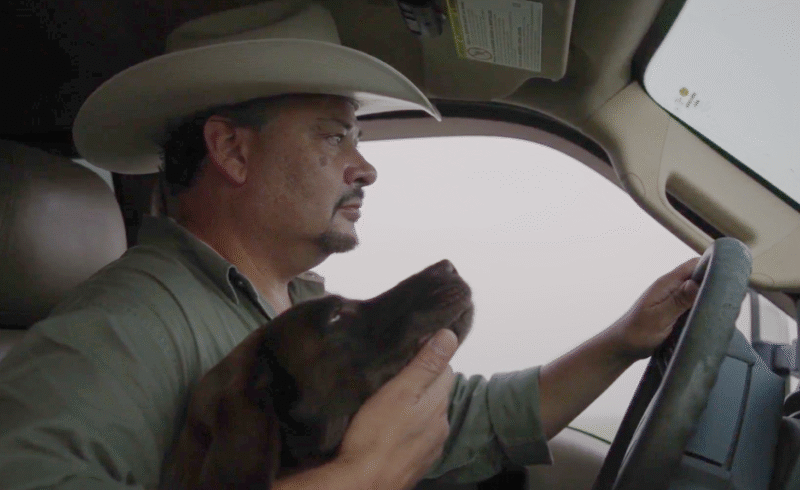
“Growing up poor, healthcare was never an option. You just dealt with your pain and suffering. So that’s why healthcare’s such a big deal.”
Long-term Goals for the Commission
Looking forward, Figueroa hopes to continue driving change in the Commission, to reduce bureaucracy and ensure the agency maintains rigorous standards and expertise across the 39 sectors it covers.
For Figueroa, the most important role of the Commission is to take the least (referring to bureaucracy) and give the most (opportunity). He does not want to simply hand over licenses to everyone asking, but instead, wants to provide everyone with the best possible opportunity to earn a license.
He also hopes to encourage youths to become trained professionals and aims to equip them with the tools to understand how this can happen.
Words of Advice
We asked Figueroa to leave us with some words of advice that have helped him or may help others. He told us that he believes society has shifted in recent years to become more focused on the individual. He said that many people have become narcissistic in their view of success.
“Don’t make it all about you, create something bigger than you,” said Figueroa.
Focusing on something bigger than yourself ensures that the success is shared and benefits other people, Figueroa stressed. This reflects Figueroa’s strong attachment to family and community.
At the end of the day, “no vocation or job is more important than family,” said Figueroa.
At the end of our discussion, Figueroa told us that he didn’t want this interview to just be about him; he wanted to use the opportunity to show others that if he can get to where he is, then anyone from any background can make it.
He grew up in Texas as the eighth child of a Mexican single mother, and spent his youth laboring on a ranch. But now, he owns and runs a ranch, which he said shows that anything is possible when you take the opportunity that is given to you.
Subscribe to get more posts from Felicity BradstockKeep In Touch with Shale Magazine
As the new era of energy unfolds, you can bet we’ll be the boots on the ground to keep you informed. Subscribe to Shale Magazine for sharp insight into the arenas that matter most to your life. And don’t forget to listen to our riveting podcast, The Energy Mixx Radio Show, where our very own Kym Bolado interviews the most extraordinary thought leaders, business innovators, and industry experts of our time.