



A SHALE Exclusive by Ellen F. Warren
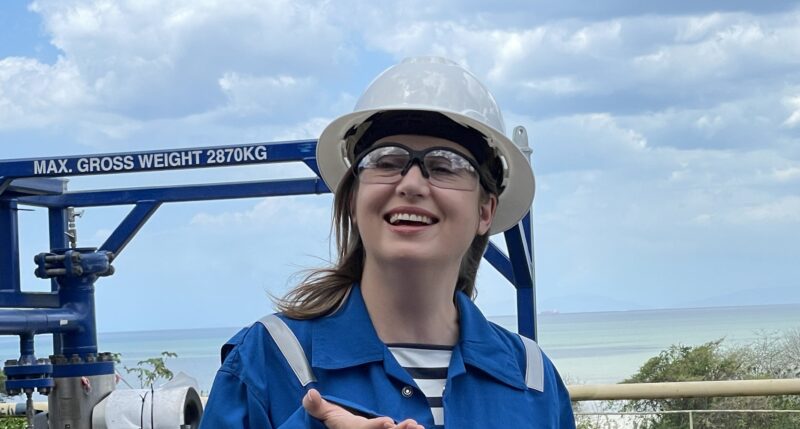
Dana Cojocariu believes that strong leadership begins with intentional talent mobility. In her two decades shaping global HR strategies for the oil and gas sector, she has built proactive, data-driven systems that connect career growth with business priorities—while ensuring moves are equitable and inclusive. By combining analytics, structured career conversations, and digital tools, Cojocariu transforms mobility into a strategic capability that strengthens engagement, accelerates readiness, and develops resilient, diverse leaders ready for the industry’s next era.
EW: Dana, what led you to pursue a career in HR, and specifically in oil and gas?
DC: I started in Finance but quickly realized my passion was supporting people and shaping organizational culture. HR allowed me to combine my analytical background with a people-first mindset. The O&G sector offered the chance to contribute to a global mission—delivering energy through innovation—while designing talent strategies that drive both individual and business success.
EW: You’ve worked across four continents and led talent strategies in diverse markets. How have those experiences shaped your approach?
DC: One-size-fits-all doesn’t work. In mature markets, I focus on structured growth and recognition; in emerging markets, on capability building and inclusive leadership. Cultural agility and adaptability are essential to designing strategies that resonate locally while aligning globally.
EW: Tell us about your Internal Talent Mobility Model, how it evolved, and how the Annual Priority Moves Planning Process fits into it.
DC: The Internal Talent Mobility Model emerged from the need to move beyond reactive hiring. I saw firsthand how delays and missed opportunities affected engagement and operational continuity—a non-negotiable in oil and gas. By forecasting needs and aligning talent proactively, we created a system that supports strategic growth and strengthens leadership pipelines, especially for middle and general management roles.
Balancing business priorities with employees’ career aspirations requires a structured, forward-looking approach. We start by actively listening to understand career goals, capturing these insights in our talent systems so individual aspirations are visible well before roles become available. Structured career discussions and Career Growth Workshops allow employees to reflect on their development, update profiles, and prepare for future roles—even if those roles are not immediately open.
The Annual Priority Moves Planning Process integrates this data into the broader business rhythm, allowing HR and leaders to match talent proactively. In practice, this approach has reduced time-to-fill for key roles by 50%, while improving engagement, retention, and leadership readiness. Ultimately, it turns mobility from a reactive task into a strategic capability that supports both organizational resilience and individual growth.
EW: 50% is an impressive result. What were the biggest hurdles in achieving that efficiency? What can you share to help other O&G companies learn from your experience to achieve similar results?
DC: Yes, achieving a 50% reduction in time-to-fill for key roles was a significant milestone—but it didn’t come without challenges. The first major hurdle was stakeholder alignment. In a global, matrixed organization, getting HR, business leaders, and regional teams to commit to a shared, proactive talent strategy required deliberate engagement. I had to shift mindsets from reactive backfilling to forward-looking workforce planning. This meant building trust in the process and demonstrating how early visibility into talent needs could improve both speed and quality of placements.
The second challenge was institutionalizing the process. To make it sustainable, I embedded the planning cycle into the company’s broader business planning rhythm—typically in Q4. This ensured that talent discussions were not isolated HR activities but integrated into operational decision-making. It also helped secure leadership buy-in by showing how the process supported continuity and readiness in critical roles.
For other O&G companies looking to replicate this success, my advice is to treat internal mobility as a strategic capability, not an administrative task. Start by creating transparency around career aspirations and readiness, then use that data to anticipate vacancies and match talent early. Align the process with business cycles, and ensure leaders are accountable for participating—not just approving.
EW: What role do digital tools play in supporting talent mobility?
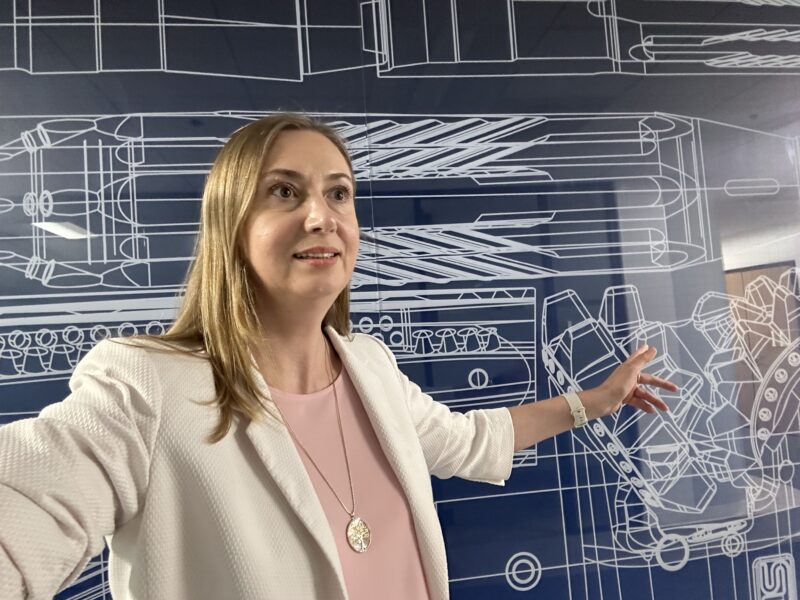
DC: Technology now plays a foundational role in shaping HR strategies across the energy sector, especially in talent mobility and change management. Platforms like the Talent Movements App and dashboards transform mobility into a predictive capability. They allow leaders to manage moves, tag internal candidates based on readiness, and automate workflows. Analytics help forecast vacancies, assess succession coverage, track engagement, and ensure diversity and inclusion are integral to every placement.
I believe that technological fluency is no longer optional in HR—it’s essential. HR leaders must be able to bridge the gap between business needs and system capabilities to drive efficiency, agility, and strategic impact. My foundation in Business Administration with a major in IT gave me early exposure to enterprise systems and process automation. This background helped me develop the ability to translate business and HR requirements into functional system architecture—an essential skill when collaborating with IT teams on ERP platforms and digital tools.
Understanding technology empowers us elevate HR from a support function to being a strategic partner that can design scalable solutions, improve decision-making, and deliver measurable business value.
EW: How do you maintain engagement and retention through market volatility?
DC: During downturns, we preserve critical capabilities with measures like furlough programs while keeping top talent connected. We redeploy skilled individuals where needed, ranking talent by expertise, performance, and readiness. In growth periods, we align high-potential employees with stretch assignments and strategic projects. Across cycles, predictive analytics and updated career aspirations ensure talent is aligned with business needs.
EW: How do you prepare talent with varied capabilities for diverse roles?
DC: Preparing talent across a diverse range of roles in oil and gas calls for a structured, multi-dimensional development strategy. We define role-specific skills, then provide tailored learning paths for technical, functional, and leadership development. Hands-on training, simulations, stretch assignments, rotations, and blended learning ensure employees are ready for the right role at the right time—supporting operational continuity and long-term growth.
EW: Oil and gas is a dynamic industry. How do mergers, acquisitions, and divestitures influence your HR approach?
DC: M&A requires aligning employment terms, benefits, and structures while retaining key talent. We use succession planning, mobility, and job leveling to secure continuity. Divestitures require early engagement, transparent communication, and milestone-based retention schemes, ensuring knowledge transfer, leadership continuity, and resilient teams.
EW: Looking ahead, what trends do you believe will impact leadership development in oil and gas?
DC: AI-driven decision-making, continuous personalized development, global mobility, sustainability readiness, inclusive and adaptive leadership, and scenario-based talent planning will all shape pipelines. Leaders must be prepared for both legacy operations and the energy transition, using data and development programs to ensure readiness.
EW: Can you share any guidance for operators on sustaining talent and leadership pipelines?
DC: Treat talent strategy as core to business strategy. Promote cross-functional skills and global mobility, embed sustainability in leadership, and leverage analytics to personalize development and succession planning. Build inclusive, purpose-driven cultures where people feel valued and empowered—this strengthens retention, engagement, and readiness for the future.

Elena Daniela “Dana” Cojocariu, Global Talent Manager at one of the world’s largest oilfield services companies, is reshaping how oil and gas companies grow and retain talent. Through strategies such as her Internal Talent Mobility Model and Annual Priority Moves Planning Process, and digital innovations like the Talent Movements App, she’s proving that predictive workforce planning can strengthen leadership pipelines, boost engagement, and ensure operational continuity worldwide.
Keep In Touch with Shale Magazine
As the new era of energy unfolds, you can bet we’ll be the boots on the ground to keep you informed. Subscribe to Shale Magazine for sharp insight into the arenas that matter most to your life. And don’t forget to listen to our riveting podcast, The Energy Mixx Radion Show, where our very own Kym Bolado interviews the most extraordinary thought leaders, business innovators, and industry experts of our time.


Great insights on talent mobility! I believe fostering a strong pipeline is essential for the oil & gas industry, especially with the current global workforce challenges. Looking forward to seeing how these strategies unfold!