[vc_row][vc_column][vc_column_text css=””]On April 20, 2026, the executive branch moved to fundamentally reshape the American energy landscape through a series of five presidential determinations under the Defense Production Act (DPA). These determinations represent the most significant use of federal industrial mobilization authority since the mid-20th century, specifically targeting the stabilization and expansion of the United States energy infrastructure. By invoking Title III, Section 303 of the DPA, the administration has officially categorized the production of transformers, high-voltage transmission components, and large-scale energy infrastructure as essential to national defense.
This movement is the operational follow-through of Executive Order 14156, issued on January 20, 2025, which declared a National Energy Emergency. That order identified inadequate domestic energy production and a vulnerable electric grid as an unusual and extraordinary threat to the national security and economy of the United States. Under the April 2026 determinations, the Department of Energy (DOE) and the Department of the Interior (DOI) have been granted expansive powers to bypass traditional market barriers to ensure that the domestic industrial base can meet the demands of a high-stakes energy environment.
National energy emergency grid vulnerabilities
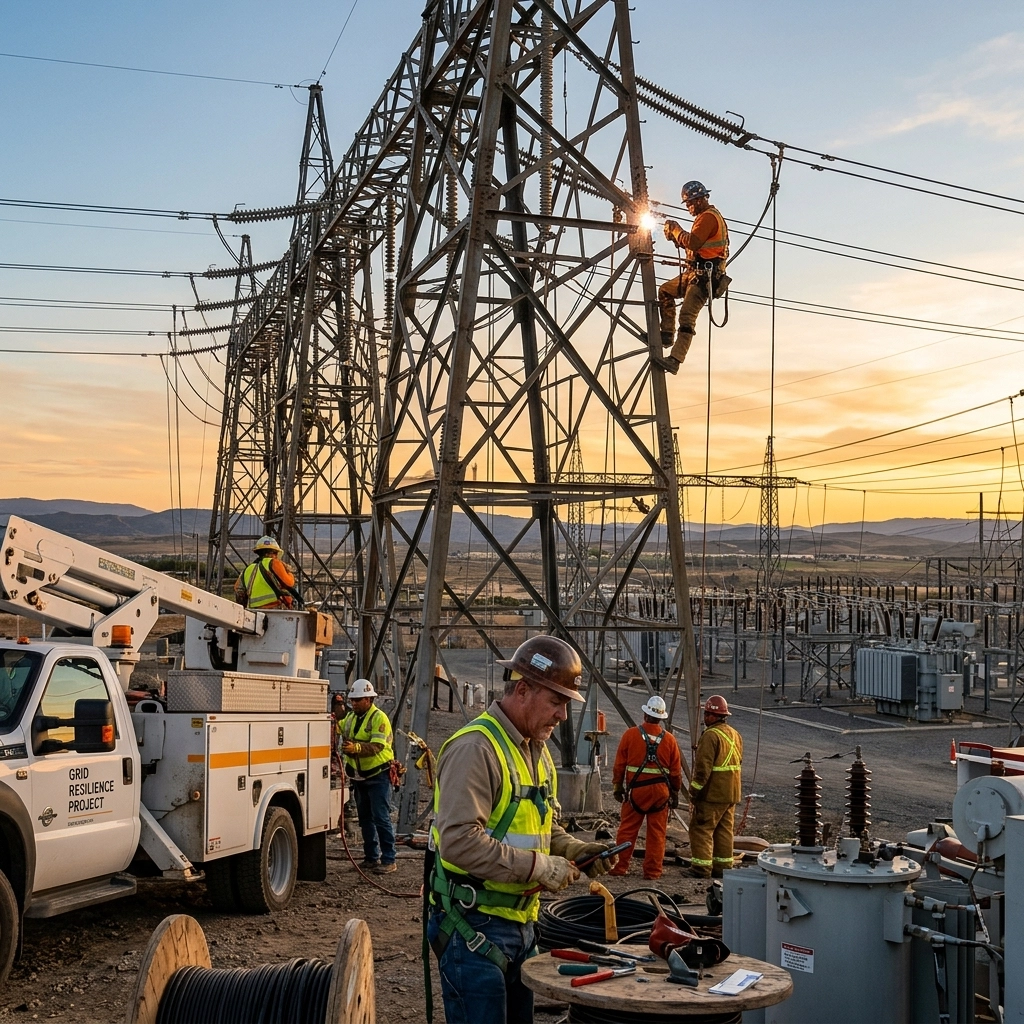
The primary catalyst for these determinations is a stark assessment of the current state of the American power system. According to findings released alongside the April 20 executive actions, the aging and constrained electric grid infrastructure poses an increasing threat to military readiness and economic stability. The administration noted that U.S. industry cannot reasonably provide critical grid components in a timely manner due to limited domestic manufacturing capacity and extended procurement timelines.
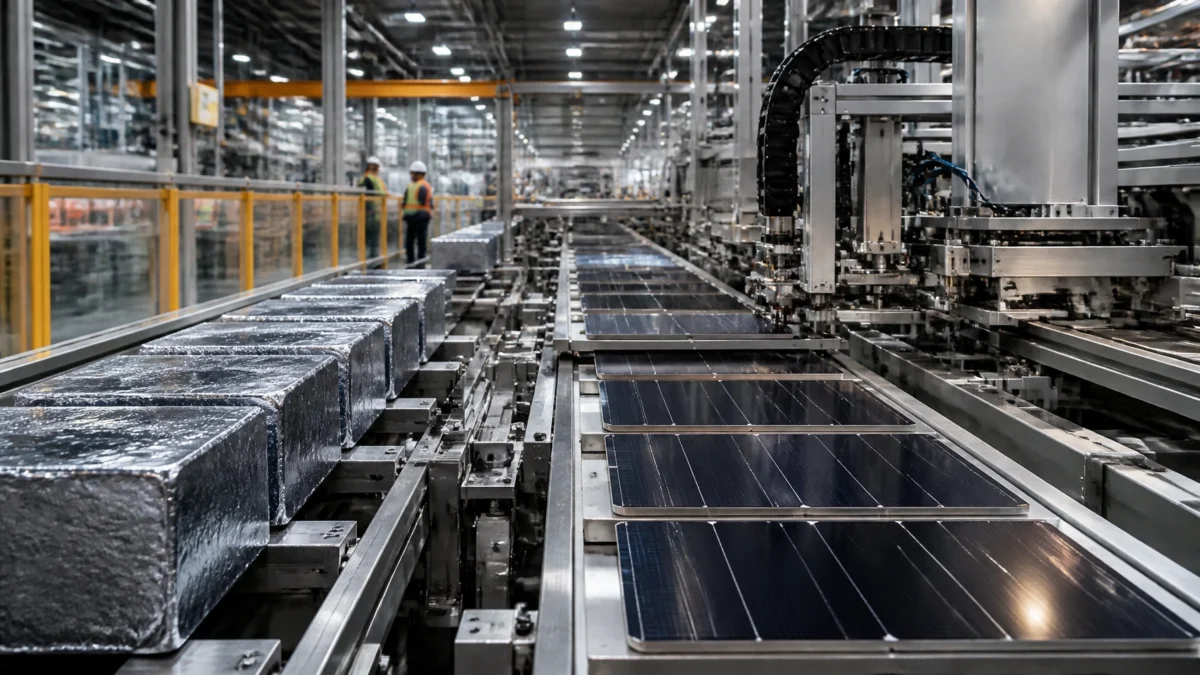
For many years, the lead times for large power transformers and high-voltage circuit breakers have exceeded two years, leaving the grid vulnerable to both physical and cyber disruptions. By invoking the DPA, the federal government is moving to compress these timelines through direct financial intervention. The determinations specifically target the manufacturing of advanced conductors, power electronics, substations, and grid-supporting equipment. This is not merely an infrastructure project; it is a defensive buildup aimed at reducing the nation’s reliance on foreign supply chains, particularly those involving adversarial nations that currently dominate the global market for electrical components.

The strategic pivot toward a defense-first energy posture is further detailed in recent policy shifts. Readers can find more context on how these budgetary priorities are being structured at https://shalemag.com/defense-first-energy-budget. The focus is no longer strictly on the environmental impact of energy but on the resilience and availability of baseload power necessary to sustain a modern economy and a prepared military.
Strategic implementation of DPA authorities
The scope of the April 2026 determinations extends far beyond the electric wire. The administration has identified five specific sectors where domestic production must be accelerated to mitigate national security risks. These include large-scale energy infrastructure, natural gas systems, coal and baseload power, petroleum sectors, and the minerals required for grid stability. This comprehensive approach acknowledges that the national energy emergency grid cannot be secured by focusing on a single fuel source or technology.
The Department of Energy has been tasked with utilizing $200 billion in appropriated loan authority, available through 2028, to catalyze private sector investment in these areas. This includes the expansion of natural gas processing facilities and the modernization of coal-fired plants that provide essential baseload reliability. The goal is to ensure that as the grid modernizes, it does not lose the reliable foundations provided by traditional hydrocarbons. The administration’s National Energy Dominance Council, which oversees the “Tiger Team” responsible for fast-tracking these projects, is central to this effort. More information on this coordination can be found at https://shalemag.com/national-energy-dominance-council-tiger-team.
Furthermore, the Department of the Interior is playing a critical role in site acquisition and the streamlining of permitting processes for these DPA-designated projects. In the past, large-scale transmission lines and energy production facilities have been stalled for decades by regulatory hurdles. Under the emergency declaration, these projects are being prioritized as critical infrastructure, allowing for a more aggressive timeline in project approval and execution. This level of intervention is designed to signal to private capital that the federal government is committed to de-risking the massive investments required to rebuild the American energy core.
Financial mechanisms for grid resiliency
To achieve the goals laid out in the April 2026 determinations, the federal government is employing a variety of financial tools that were previously reserved for wartime production. These include direct government purchases, purchase commitments, and loan guarantees. The Pentagon’s Office of Strategic Capital has been allocated $100 billion specifically for critical minerals production, ensuring that the raw materials needed for high-capacity conductors and transformers are sourced domestically or from trusted allies.
The logic behind this financial surge is rooted in a data-first methodology. Recent reports from the Energy Information Administration (EIA) and FERC filings indicate that without significant intervention, the United States would face a 30 percent deficit in required grid capacity by 2035. The DPA authorities allow the DOE to bridge the gap between current production and projected needs. By guaranteeing a market for domestically produced grid components, the government is incentivizing manufacturers to build new factories on American soil, thereby creating a self-sustaining industrial base.

This industrial mobilization also has significant implications for the broader energy market, including the petroleum and natural gas sectors. The April 20 determinations explicitly include natural gas and petroleum infrastructure as essential components of the national defense. This ensures that the energy required to power the very industries manufacturing grid components is also secured.
The integration of these financial tools represents a shift toward a more centralized energy strategy, where the federal government acts as a partner to industry rather than just a regulator. This is evident in the push for advanced conductors and power electronics, which are essential for integrating a diverse mix of energy sources into the national energy emergency grid.
Long-term implications for domestic energy security
The use of the Defense Production Act in 2026 marks a turning point in how the United States views its energy systems. It is an admission that market forces alone were insufficient to address the long-term structural vulnerabilities of the grid. By framing energy as a defense priority, the administration has effectively shielded these investments from the volatility of short-term political cycles, tying them instead to the permanent requirement of national survival.
The impacts are already being felt in the labor market and the industrial sector. The demand for specialized engineering and construction services has surged, prompting a need for a new generation of energy professionals.
As the DOE begins to deploy its $200 billion loan authority, the focus remains on projects that offer the highest degree of reliability and security. This includes not just the physical grid, but the digital infrastructure that manages it. The DPA determinations cover power electronics and grid-supporting software, recognizing that a modern grid must be as resilient to a cyberattack as it is to a physical storm.
The long-term objective is a state of energy dominance where the United States is no longer vulnerable to foreign supply chain disruptions or global energy price shocks. By rebuilding the grid under the umbrella of national defense, the administration is attempting to create an infrastructure that is both technologically advanced and structurally sound. The success of this initiative will be measured not just by the miles of wire laid or the number of transformers built, but by the stability of the American economy and the security of its citizens in an increasingly uncertain global environment.
Keep In Touch with Shale Magazine
As the new era of energy unfolds, you can bet we’ll be the boots on the ground to keep you informed. Subscribe to Shale Magazine for sharp insight into the arenas that matter most to your life. And don’t forget to listen to our riveting podcast, The Energy Mixx Radio Show, where our very own Kym Bolado interviews the most extraordinary thought leaders, business innovators, and industry experts of our time.
Subscribe to get more posts from Amanda Jenkins[/vc_column_text][/vc_column][/vc_row]