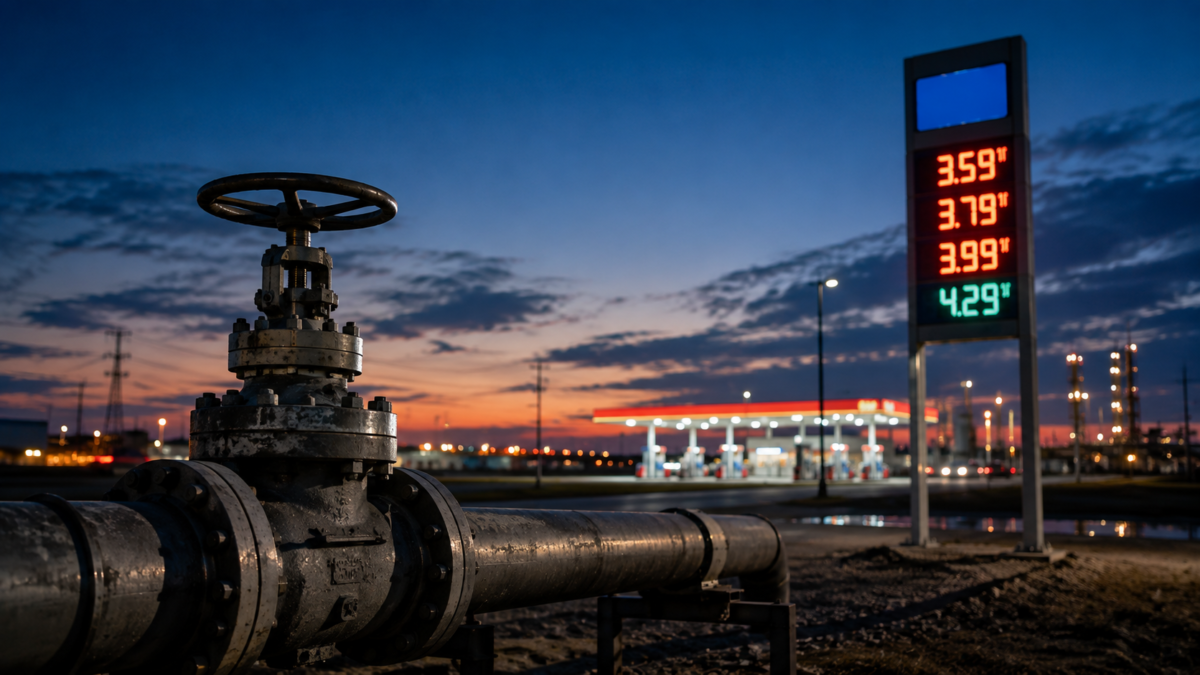
[vc_row][vc_column][vc_column_text css=””]The intersection of national security and energy policy has reached a critical juncture in May 2026. Following a period of intense geopolitical volatility, specifically the supply shocks associated with the recent Iran war and the subsequent Strait of Hormuz crisis, the White House has pivoted toward an unconventional strategy for domestic production. The focus has shifted from general federal leasing to a more targeted approach: exploring and extracting oil directly beneath U.S. military installations.
This initiative is not merely a symbolic gesture of energy independence. It is a calculated response to the depletion of the Strategic Petroleum Reserve (SPR), which currently sits at its lowest levels in decades. By looking under military ground, the administration seeks to secure “base-level” energy: a direct ownership of the resource that bypasses the traditional market purchase mechanisms that have become prohibitively expensive and logistically complex.
The Strategic Petroleum Reserve Deficit
As of May 1, 2026, the Strategic Petroleum Reserve contains approximately 392 million barrels. This figure represents a significant decline from historical norms, largely due to emergency releases totaling 172 million barrels over the last fiscal cycle. These drawdowns were part of a coordinated effort with the International Energy Agency (IEA) to stabilize global markets after the Strait of Hormuz became a primary theater of conflict, effectively throttling the flow of Middle Eastern crude.
While these releases achieved their short-term goal of preventing a complete global energy collapse, they left the domestic safety net dangerously thin. The Department of Energy (DOE) now faces the monumental task of replenishing these reserves. Traditionally, the DOE would buy oil on the open market, but with prices remaining elevated and volatile, the White House is seeking an alternative route.
Energy Secretary Chris Wright has been a vocal proponent of this “pragmatic and creative” approach. The core logic is simple: if the federal government owns the land and the minerals beneath it, and if that land is already secured by military presence, the cost and security barriers to extraction are significantly lowered. The strategy shifts the government from a customer of the oil industry to a direct resource owner.
Tapping Federal Land for Direct Ownership
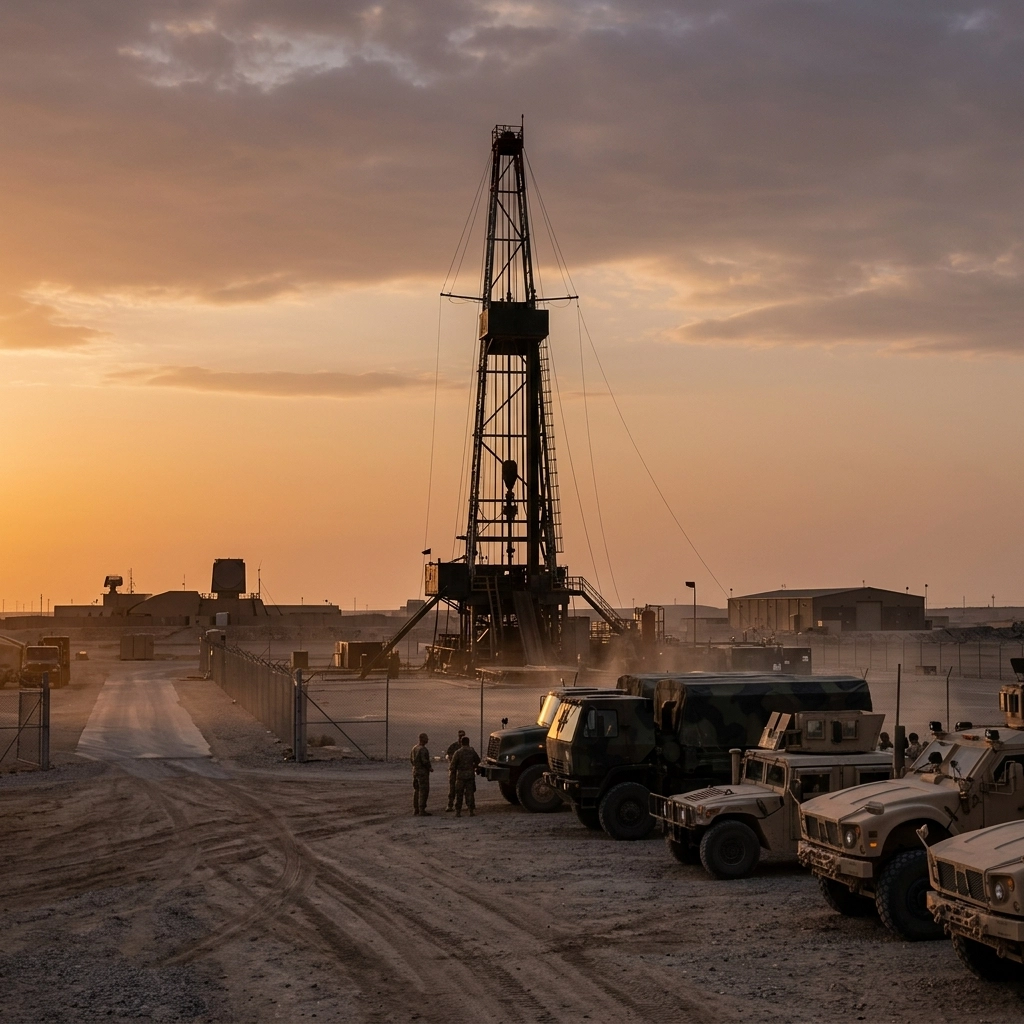
The push to drill under military bases is a cornerstone of the broader national energy dominance council tiger team strategy. The objective is to utilize federal assets that were previously considered off-limits for energy production due to their primary military function. However, the administration argues that the technology for directional drilling: which allows for wellheads to be placed outside sensitive areas while reaching deposits miles away: makes energy production and military readiness compatible.
According to Secretary Wright, many military facilities are situated directly on top of prolific oil fields. He has noted that leaving these resources untapped while the nation struggles with high energy costs is an inefficiency the current administration is no longer willing to tolerate. This plan is designed to bypass the traditional volatility of the spot market by creating a direct pipeline from federal ground to federal reserves.
The Barksdale Air Force Base Precedent
While the idea of drilling on military bases might sound radical to some, it has a clear and successful precedent. Barksdale Air Force Base in Louisiana has hosted drilling operations for decades. This installation serves as the proof of concept for the current White House plan. In September 2025, the Bureau of Land Management (BLM) sold two parcels totaling nearly 2,000 acres within Barksdale for energy development.
The success of the Barksdale model demonstrates that military operations can coexist with energy extraction. The base continues to serve its strategic function while contributing to the nation’s energy supply. The White House now intends to scale this model across other installations located in oil-rich regions, such as the Permian Basin and the Bakken formation.
This move also aligns with the administration’s aggressive permitting strategy. Over the past year, the Department of the Interior (DOI) has approved nearly 6,000 applications for oil and gas permits on federal and Native American lands, marking a 55% increase over previous years. Tapping into military-controlled territory is the next logical step in this expansion.

Invoking the Defense Production Act
To accelerate this transition, the White House has invoked the Defense Production Act (DPA). This wartime authority allows the executive branch to prioritize the production of essential materials for national security. By framing energy as a defense requirement, the administration can expedite environmental reviews and infrastructure development that would otherwise take years to clear.
The use of the DPA applies not only to oil and natural gas but also to the infrastructure required to transport and refine these resources. This is particularly relevant as the administration looks to modernize the grid and stabilize fuel prices. For instance, recent spikes in transportation fuels have highlighted the need for a more robust domestic supply chain. You can read more about how diesel prices spike faster during periods of supply uncertainty.
The DPA memos focus on:
- Accelerating oil and gas infrastructure projects on federal lands.
- Prioritizing the manufacturing of equipment for domestic refining.
- Streamlining the bureaucratic process for mineral extraction in sensitive zones.
Replenishment Structures and Market Impact
The current plan to replenish the SPR involves a complex exchange arrangement. Under this system, companies that “borrowed” crude during the emergency drawdowns are required to return it with interest. This is projected to bring approximately 200 million barrels back into the reserve over the next twelve months. However, the “base-level” energy plan provides a secondary, more permanent stream of supply.
By developing federal resources on military land, the government creates a hedge against future geopolitical shocks. If another conflict in the Middle East or Eastern Europe threatens global supply, the U.S. would have a dedicated, internally controlled source of crude that does not rely on international shipping lanes or the cooperation of foreign cartels.
This strategy also has significant implications for the Highway Trust Fund and federal revenue. While the primary goal is energy security, the royalties and production taxes generated from these federal wells could provide a much-needed influx of capital for infrastructure projects.
Addressing Environmental and Operational Concerns
Critics of the plan point to potential environmental risks and the impact on military training exercises. However, the Department of Energy and the Department of the Interior maintain that modern drilling techniques are minimally invasive. The use of closed-loop systems and horizontal drilling reduces the surface footprint, ensuring that runways and training grounds remain undisturbed.
Furthermore, the administration argues that domestic production under strict federal oversight is more environmentally responsible than relying on oil produced in countries with lax environmental standards. The focus remains on pragmatic solutions that balance the immediate need for energy with the long-term goal of national security.
The strategy also touches on the importance of regulatory relief. The Environmental Protection Agency (EPA) has recently considered various measures to provide relief to operators, such as the EPA routine flaring relief guidelines, which help maintain production levels without the burden of excessive fines for operational necessities.
The Path Forward for American Energy
The White House’s focus on military-based oil extraction signals a fundamental shift in how the United States views its federal land. No longer are these areas seen purely as conservation zones or tactical training grounds; they are now being integrated into a comprehensive national energy strategy.
As we move further into 2026, the success of this initiative will be measured by the stability of the domestic energy market and the recovery of the SPR. With the involvement of industry experts and the strategic guidance of the Department of Energy, the “base-level” energy plan aims to turn military ground into a foundation for long-term economic resilience.
The move to drill under military ground represents a new era of energy pragmatism. By leveraging existing federal assets and invoking national security authorities, the administration is attempting to build an energy buffer that is as much about defense as it is about economics. Whether this approach can fully offset the volatility of the global market remains to be seen, but it is a clear departure from the status quo and a bold assertion of energy sovereignty.
Keep In Touch with Shale Magazine
As the new era of energy unfolds, you can bet we’ll be the boots on the ground to keep you informed. Subscribe to Shale Magazine for sharp insight into the arenas that matter most to your life. And don’t forget to listen to our riveting podcast, The Energy Mixx Radio Show, where our very own Kym Bolado interviews the most extraordinary thought leaders, business innovators, and industry experts of our time.
Subscribe to get more posts from Amanda Jenkins[/vc_column_text][/vc_column][/vc_row]