[vc_row][vc_column][vc_column_text css=””]The United States currently faces an infrastructure paradox. We are moving toward an electrified future fueled by artificial intelligence, high-tech manufacturing, and a shifting generation mix, yet we are trying to squeeze that future through a power grid designed for the 20th century. For years, the solution to grid congestion was simple but agonizingly slow: build more towers. However, building new high-voltage transmission lines today involves a gauntlet of permitting hurdles, land-use disputes, and a decade-long wait time that the modern economy simply cannot afford.
The Department of Energy (DOE) recently signaled a major shift in strategy. Instead of waiting for the perfect “superhighway” of new transmission lines to clear regulatory hurdles, the DOE is looking to upgrade the “piping” we already have. Enter the SPARK initiative. Standing for Speed to Power through Accelerated Reconductoring and other Key Advanced Transmission Technology Upgrades, this $1.9 billion program represents a pragmatic “hack” for the American energy landscape.
The Reconductoring Revolution: Upgrading the National Pipes
To understand SPARK, you first have to understand the concept of reconductoring. Think of the power grid like the plumbing in an old house. If you want to double the water pressure, you could tear down the walls and install wider pipes: a process that is expensive, messy, and takes forever. Or, you could replace the old, corroded iron pipes with high-tech materials that handle higher pressure and more flow within the same physical space.
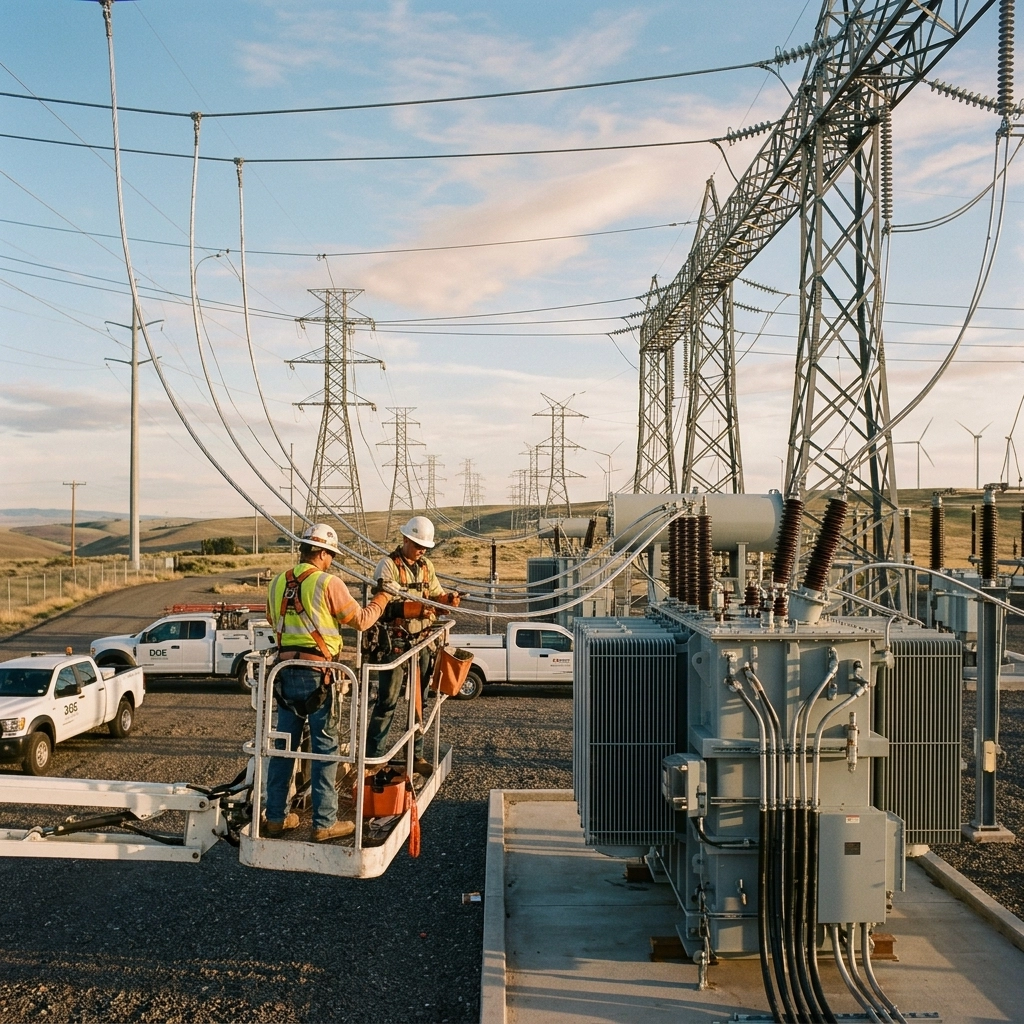
In the world of energy policy, reconductoring involves replacing existing power lines (the conductors) with advanced materials like carbon-fiber cores or high-capacity aluminum. These modern materials can carry nearly double the electricity of traditional lines without causing the wires to sag or requiring the utility to build new, taller towers.
By utilizing existing rights-of-way, the DOE effectively bypasses the most significant bottleneck in energy infrastructure: the land-use battle. According to recent DOE analysis, this approach can increase transfer capacity by 50% or more in a fraction of the time it takes to site a new project. This isn’t just a technical upgrade; it is a tactical maneuver to keep the lights on while the slow gears of bureaucracy turn on larger projects.

AI Data Centers and the Urgent Need for Capacity
The urgency behind the SPARK initiative stems from a massive surge in power demand that few saw coming five years ago. The explosion of generative AI and the resulting boom in data center construction have rewritten the load growth projections for utilities across the country. Companies like Google and Microsoft are scouring the nation for sites that offer not just land, but immediate access to massive amounts of baseload power.
We have previously discussed how data center gas power is becoming a critical component of this expansion, particularly in energy-rich states like Texas. However, even if you have the generation capacity, you still need a way to move that electricity to the data center. The existing grid is currently at its limit.
The DOE’s $1.9 billion investment recognizes that we are in a race against time. If the U.S. cannot provide the necessary power capacity quickly, the next generation of industrial and technological growth will look elsewhere. By focusing on “dispatchable reliability,” the SPARK plan aims to ensure that the grid can handle the heavy, consistent load required by these 24/7 operations.
Breaking Down the $1.9 Billion Allocation
The SPARK initiative doesn’t just throw money at a single problem; it divides the $1.9 billion into three strategic topic areas designed to tackle different aspects of grid modernization.
- Grid Resilience ($427 Million): This portion focuses on hardening the existing system. The DOE will award grants to projects that improve the grid’s ability to withstand extreme weather and physical threats. These are the “nuts and bolts” upgrades that prevent localized outages from cascading into regional blackouts.
- Smart Grid ($614 Million): This funding targets the digital side of the equation. It involves deploying sensors, automated switches, and software that allows the grid to “talk” to itself. By using dynamic line ratings: software that tells operators exactly how much power a line can handle based on real-time weather conditions: utilities can squeeze even more efficiency out of existing wires.
- Grid Innovation ($862 Million): This is the “big picture” fund. It supports large-scale, multi-jurisdictional projects that require cooperation between different states and utility companies. These projects often involve complex transmission upgrades that cross state lines, helping to move power from wind-rich plains or solar-heavy deserts to the urban centers where it’s needed most.
This tiered approach ensures that while we are looking for high-tech innovations, we aren’t neglecting the basic physical resilience of the system.
Policy Over Politics: A Focus on Infrastructure
While energy often becomes a polarized topic, the SPARK initiative stays rooted in the realm of infrastructure and physics. The plan draws its funding from the Infrastructure Investment and Jobs Act (IIJA), focusing on measurable near-term gains rather than long-term ideological goals. The Secretary of Energy has emphasized that “reconductoring” is one of the fastest ways to connect the more than 12,000 clean energy projects currently sitting in the interconnection queue.
Currently, thousands of megawatts of potential energy: from wind and solar to advanced nuclear: are ready to go, but they are stuck waiting for a “plug” into the grid. The SPARK plan aims to clear this logjam by making the existing plug much larger. This strategy aligns with broader efforts to bolster defense-first energy budgets, recognizing that a fragile grid is a national security risk.
The Strategic Importance of Existing Rights-of-Way
One of the most brilliant aspects of the SPARK plan is its focus on existing rights-of-way. In the traditional model, building a new 100-mile transmission line might require negotiations with hundreds of individual landowners and multiple state agencies. This often leads to “Not In My Backyard” (NIMBY) protests that can kill a project before it even starts.
By focusing on reconductoring, the DOE allows utilities to work within the footprints they already own. They are simply swapping out the wires on the poles they already maintain. This significantly reduces the environmental impact and the social friction associated with energy expansion. It is the path of least resistance in a regulatory environment that is notoriously full of it.
For industry leaders and analysts, this represents a shift toward “grid optimization” rather than just “grid expansion.” We are learning to do more with what we have, utilizing advanced conductors that perform better under heat and stress than the steel-reinforced aluminum cables of the 1950s.

Looking Toward the August Selection
The DOE has set a fast pace for this initiative. Applications for the SPARK funding close in May 2026, with project selections expected by August. This timeline reflects the urgency that Amanda Jenkins recently highlighted in her coverage for Shale Magazine; the window for stabilizing the U.S. grid is closing as demand continues to skyrocket.
As we look toward the end of the decade, the success of the SPARK plan will likely serve as a blueprint for future infrastructure policy. If the DOE can prove that reconductoring and advanced technology can double grid capacity without the decade-long permitting headache, it will change how we think about energy delivery forever.
The transition to a more resilient, high-capacity grid is not just about meeting environmental targets; it’s about maintaining American industrial competitiveness. Whether it is powering the next AI breakthrough or ensuring that manufacturing plants have the steady “baseload” they require, the grid remains the backbone of the economy. The SPARK plan is a $1.9 billion bet that we can teach an old grid some very powerful new tricks.
Keep In Touch with Shale Magazine
As the new era of energy unfolds, you can bet we’ll be the boots on the ground to keep you informed. Subscribe to Shale Magazine for sharp insight into the arenas that matter most to your life. And don’t forget to listen to our riveting podcast, The Energy Mixx Radio Show, where our very own Kym Bolado interviews the most extraordinary thought leaders, business innovators, and industry experts of our time.
Subscribe to get more posts from Amanda Jenkins[/vc_column_text][/vc_column][/vc_row]