



Texas has long defined itself as the undisputed capital of the global energy industry. For decades, that title was built on a foundation of crude oil and natural gas. But as the world looks toward a future of massive electrification and carbon-sensitive baseload power, the Lone Star State is diversifying its portfolio in a way that only Texas can: with significant capital and political will. Governor Greg Abbott’s recent move to open applications for the Texas Nuclear Development Fund marks a pivot toward nuclear energy that could redefine the state’s grid for the next half-century. Just as important, Texas is not starting from scratch. The state already operates two major nuclear facilities, the Comanche Peak Nuclear Power Plant and the South Texas Project, giving it real operating experience, an existing skilled workforce, and institutional knowledge that can support the next wave of nuclear development.
The strategy is backed by a $350 million state fund, but the implications go far beyond the initial price tag. This initiative is designed to catalyze a new era of small modular reactors and advanced nuclear technology, positioning Texas not just as an energy producer, but as an innovation hub for the most complex power generation technology on the planet. That matters because Texas can build from an established nuclear base rather than a cold start, and that lowers some of the execution risk as new projects move from concept to deployment.
The Financial Architecture of the Texas Nuclear Development Fund
The catalyst for this movement was the passage of House Bill 14 in June 2025. This legislation created the Texas Nuclear Development Fund, a dedicated war chest intended to lower the barrier to entry for advanced nuclear projects. While $350 million might seem like a modest sum in the context of traditional nuclear megaprojects, it serves a specific purpose: as seed capital and a signal to private investors that Texas is open for nuclear business.
According to recent state data, this state-level commitment is the largest of its kind in the country. It acts as a force multiplier when combined with federal incentives. The Department of Energy’s Advanced Reactor Demonstration Program has already signaled support, with roughly $1.2 billion in federal backing earmarked for various projects within the state. This layering of state and federal funds creates a unique financial environment where risk is shared across multiple levels of government, making the high-capital-intensity nature of nuclear energy more palatable for private developers.
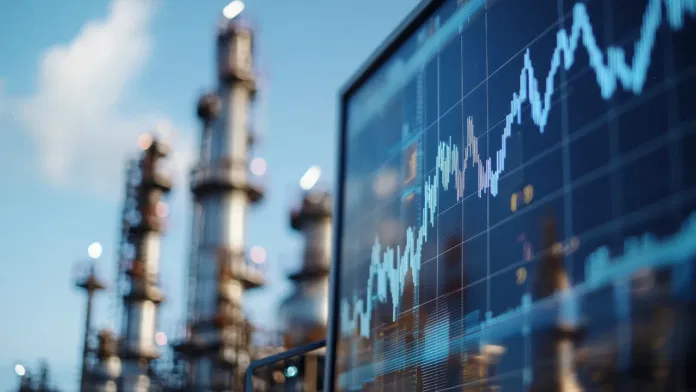
For those analyzing the energy sector Q1 performance, this pivot toward nuclear infrastructure represents a long-term capital play that contrasts with the shorter cycle times of shale development.
Powering the AI Boom and Modern Grid Reliability
The push for nuclear isn't happening in a vacuum. It is a direct response to a massive surge in projected electricity demand. The Electric Reliability Council of Texas (ERCOT) has faced unprecedented scrutiny over grid stability, especially as the state’s population and industrial base continue to grow. However, the biggest driver of future demand isn't just residential growth; it is the infrastructure required for the digital age.
Data centers and artificial intelligence operations are flowing into Texas at a record pace. Projections suggest that electricity demand from these sectors could increase by as much as 8% annually over the next decade. These facilities require massive amounts of power, and more importantly, they require it to be constant. Wind and solar have made massive inroads in Texas, but they lack the 24/7 baseload reliability that a data-driven economy demands.
The Texas Nuclear Development Fund is specifically targeting the reliability gap. By incentivizing advanced reactors that can provide steady, high-capacity power without the intermittency issues of renewables, the state is looking to create a more resilient energy ecosystem. This "all-of-the-above" strategy ensures that while the state remains a leader in hydrocarbons and renewables, it has a firm bedrock of nuclear energy to handle the heavy lifting of the modern economy.
Moving Beyond Megaprojects with Small Modular Reactors
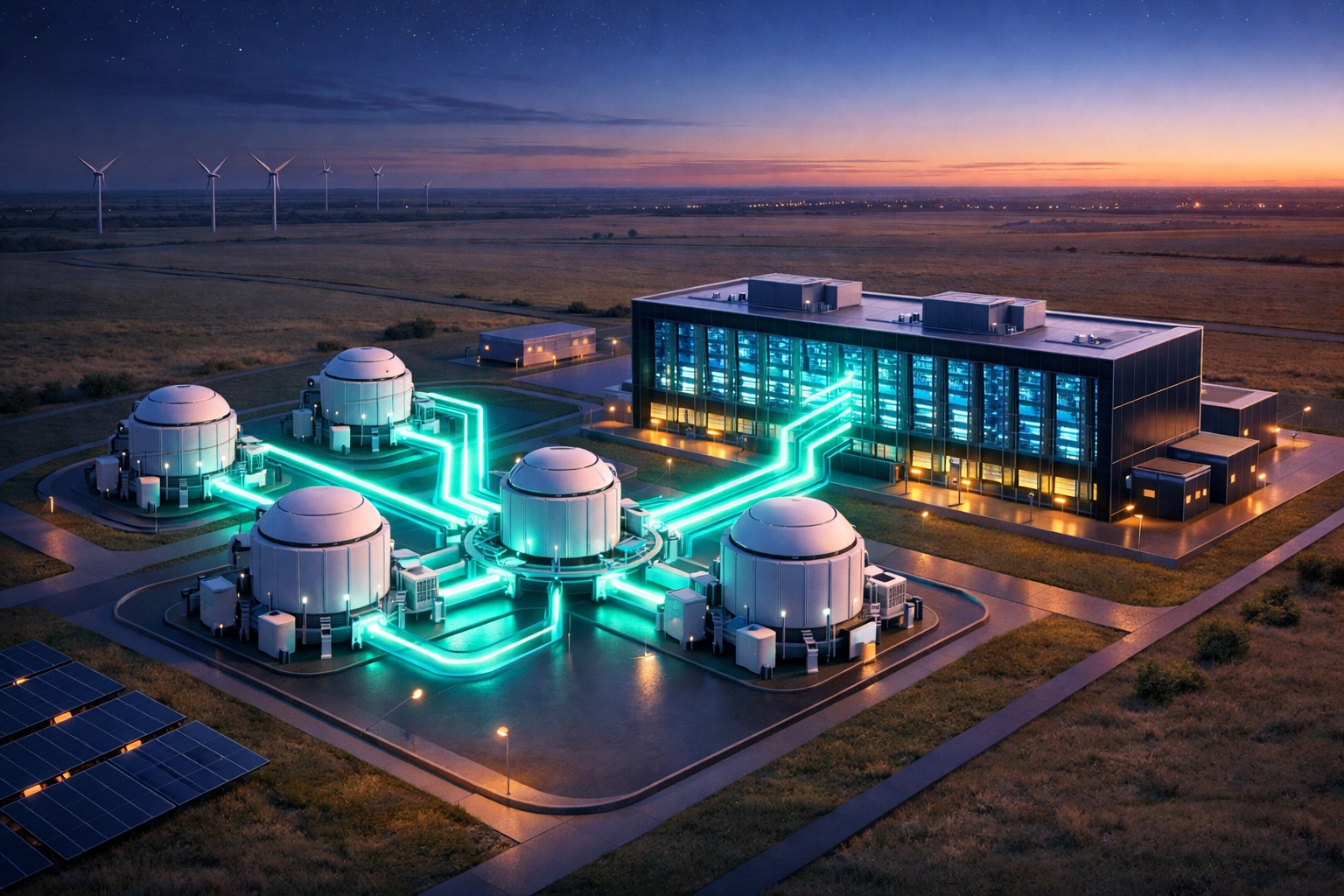
The traditional image of nuclear power is a massive, multi-billion dollar facility that takes decades to build. The Texas Nuclear Development Fund is leaning into a different vision: Small Modular Reactors (SMRs). These reactors are smaller, safer, and can be manufactured in factories and shipped to sites, significantly reducing construction timelines and costs.
One of the flagship projects in this space involves X-energy. The company is planning to deploy four 80-megawatt reactors at Dow Chemical’s Seadrift facility on the Texas coast. This project is a perfect case study in the state’s strategy. By placing reactors directly at industrial sites, the energy can be used for both power and industrial heat, maximizing efficiency.
Other companies like Aalo Atomics, based in Austin, are pushing the boundaries even further. They are designing compact sodium-cooled fast reactors that are small enough to fit on a standard truck. These 10-megawatt units represent the ultimate in decentralized, scalable power. This level of innovation is exactly what the state hopes to capture as it builds out its nuclear workforce.
Navigating the Challenges of Cost and Waste
Despite the optimism and the significant financial backing, the road to a nuclear-powered Texas is not without its hurdles. The most immediate challenge is cost competitiveness. While the Texas Nuclear Development Fund provides a helpful cushion, nuclear power still faces stiff competition from cheap natural gas and subsidized wind and solar. Advanced reactors must prove they can produce power at a price point that makes sense for the ERCOT market.
Then there is the persistent issue of nuclear waste. The United States still lacks a permanent national repository for spent fuel. While SMRs produce less waste and some designs can even recycle fuel, the long-term storage of radioactive material remains a regulatory and political minefield. Texas has historically been more open to discussing storage solutions than other states, but the federal government’s lack of a cohesive plan continues to loom over the industry.
There is also the matter of regulatory timelines. Even with Governor Abbott’s support, nuclear projects must clear a thicket of federal regulations from the Nuclear Regulatory Commission (NRC). The state’s Working Group on Advanced Nuclear Reactors, established in 2023, is tasked with streamlining what it can at the state level, but the federal process remains a significant bottleneck. This aligns with other regulatory challenges facing the energy sector, such as those discussed regarding 2026 methane regulatory deadlines at https://shalemag.com/2026-methane-regulatory-deadlines.
Economic and Security Implications of a Nuclear Texas
The commitment to the Texas Nuclear Development Fund is as much about geopolitics and economic security as it is about electricity. By securing its own independent, reliable power source, Texas insulates itself from global supply chain shocks and the volatility of international energy markets. A nuclear-heavy grid is a stable grid, and a stable grid is a magnet for high-tech investment.
Moreover, the development of a nuclear ecosystem in Texas creates a high-wage workforce that can’t be easily outsourced. From specialized welding to nuclear engineering and cybersecurity, the jobs created by this sector represent the top tier of the energy value chain. The state’s universities are already beginning to pivot their research and curriculum to support this growing industry, ensuring that the next generation of energy experts is homegrown.
As Texas continues to navigate the complexities of the global energy transition, the move toward nuclear represents a pragmatic, data-driven approach to an uncertain future. It acknowledges that while the energy mix must change, the requirement for reliable, dense power is non-negotiable.
Looking Toward the 2030s
The projects funded today through the Texas Nuclear Development Fund are expected to begin producing power in the early 2030s. This decade will be a critical testing ground for the viability of advanced nuclear technology. If successful, Texas will have created a blueprint for other states to follow, demonstrating how to integrate high-tech nuclear power into a competitive, market-driven grid.
The ambition is clear. Texas isn't just looking to participate in the nuclear sector; it is looking to dominate it. By putting hundreds of millions of dollars behind that ambition, Governor Abbott and the Texas Legislature have signaled that they are willing to bet big on the atom to power the future of the state. Whether this bet pays off will depend on the industry’s ability to manage costs, clear regulatory hurdles, and deliver on the promise of safe, reliable, and abundant energy.