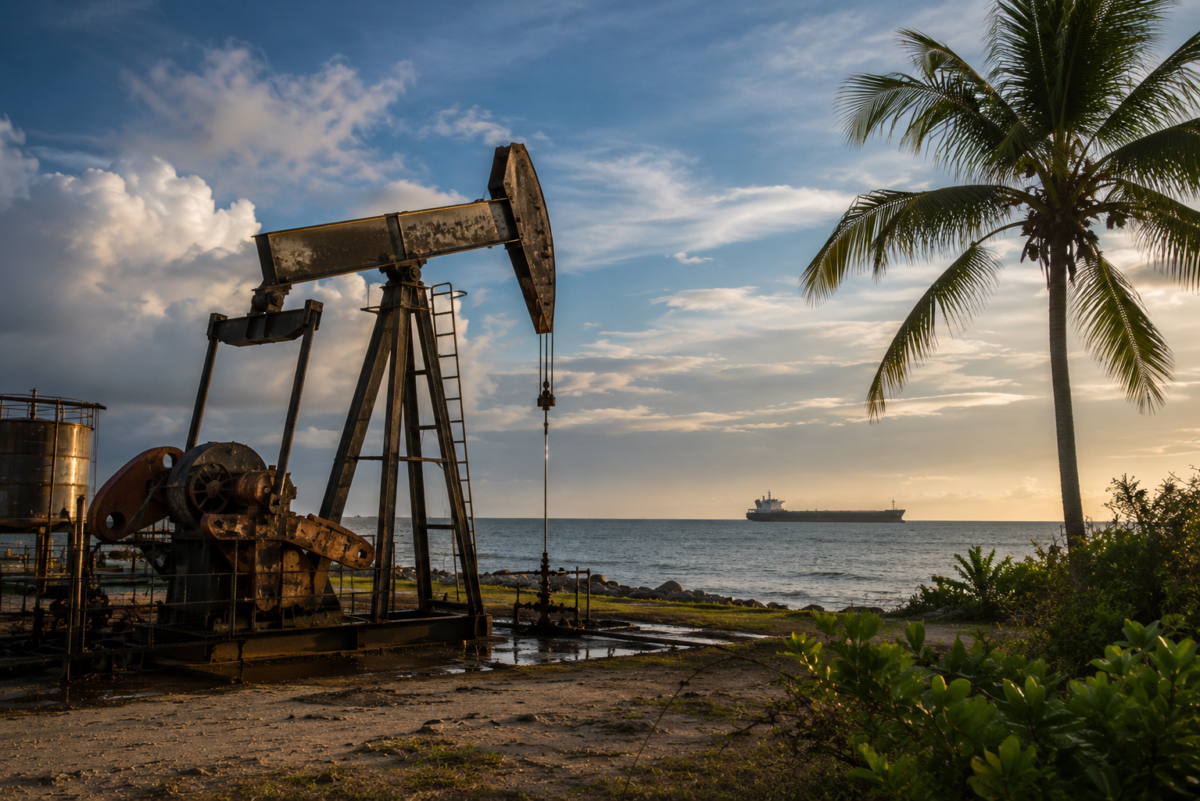
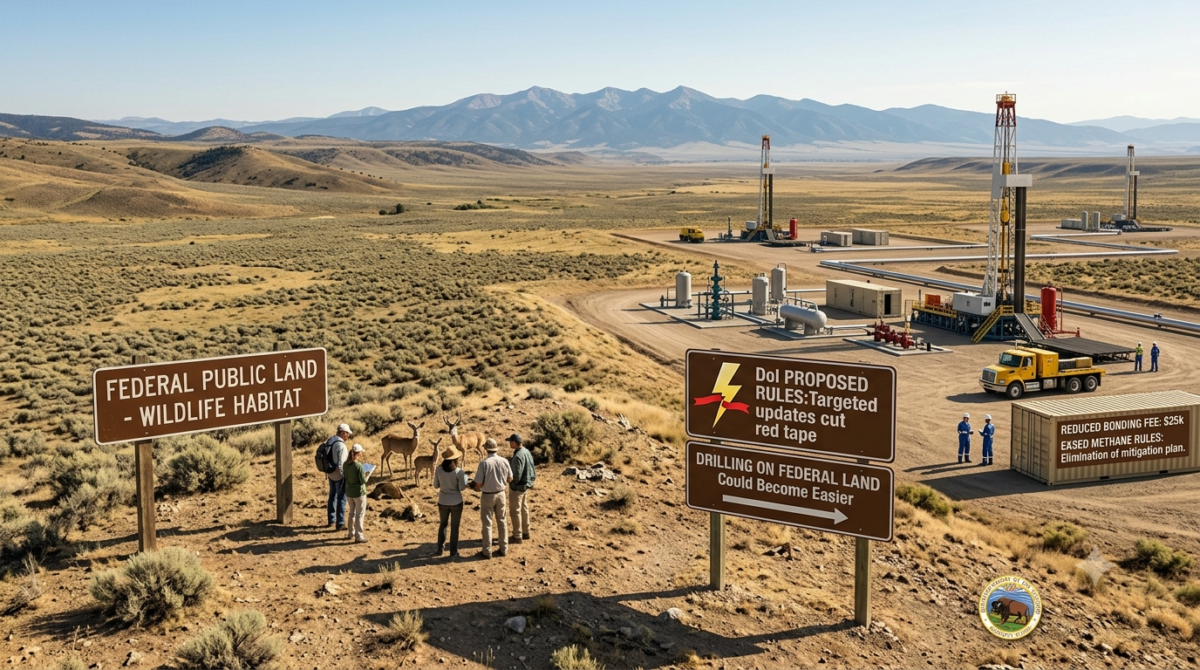
It could soon become easier to drill for fossil fuels on federal land as the United States Department of the Interior (DoI) proposes relaxing the rules for oil, gas, and coal extraction.
While this may come as good news to oil and gas companies, environmentalists are concerned that the change in rules could increase methane emissions, which could ultimately exacerbate climate change and have a negative impact on human health. Moreover, it could leave taxpayers footing the bill for well decommissioning activities.
The Rule Change
On June 22, the Trump administration proposed relaxing environmental rules governing the extraction of oil, gas, and coal from public lands in the United States. The DoI issued two proposed rules that reduce costs and relax requirements for oil and gas firms operating on federal land. The first rule aims to reduce the fees companies must pay before drilling, while the second would ease environmental rules on methane emissions.
The proposed change in rules supports the Trump administration’s aim to increase oil and gas output in the coming years and, if enacted, would open more federal land for exploration and extraction.
U.S. Interior Secretary Doug Burgum stated of the proposal, “Energy dominance requires regulatory clarity… These targeted updates cut through the red tape that has historically deterred investment, ensuring our public lands remain a reliable engine for economic growth and innovation.” Burgum also suggested that the move would ease burdensome restrictions on domestic energy production.
The First Proposal – Reduced Land Costs
The first proposal aims to reduce the cost of bonds that fossil fuel companies are required to pay to the DoI when purchasing multiple public lands in a state, from $500,000 to $25,000. At present, the DoI uses these funds to remediate environmental damage caused by abandoned oil and gas wells. The cost of these bonds rose significantly under the Biden administration, with the aim of ensuring that oil and gas companies, rather than the public, footed the bill for well decommissioning.
There are thousands of abandoned wells on U.S. federal lands, the result of over a century of oil and gas extraction. Many were never decommissioned because companies went bankrupt or smaller firms fell off the radar.
Methane is more than 28 times as potent as carbon dioxide at trapping heat in the atmosphere, according to the United States Environmental Protection Agency. Thousands of unplugged wells around the globe emit high levels of methane, a gas responsible for about 30% of the rise in global temperatures since the Industrial Revolution, according to the International Energy Agency.
Environmentalists and climate scientists are concerned about the impact the proposed change to the rule could have on the environment and human health. It would also mean that taxpayers would be forced to pay to plug abandoned wells. A 2021 analysis by the non-profit organization Resources for the Future suggested that it could cost as much as $20,000 to plug a single oil and gas well, meaning that decommissioning wells is a substantial economic burden on the state.
The director of sporting advocacy at the National Wildlife Federation, Aaron Kindle, explained, “When companies profit from the use of our natural resources, they should be responsible for restoring the damage they create.” Kindle added, “We need bonding rates that ensure oil and gas companies, not taxpayers, pay for cleaning up after development so wildlife and clean water can persist for future generations.”
The Second Proposal – Easing Environmental Rules
The second rule proposed by the DoI would eliminate the requirement that fossil fuel companies include plans to limit methane emissions in drilling permit applications. This requirement was introduced under the Biden administration in 2024 as part of the former president’s ambitious climate agenda.
The DoI has also proposed other changes, including shortening the public participation period for oil and gas permitting from 90 to 10 days. The proposed rule changes follow several executive orders issued during Trump’s first year in office, aimed at expanding the U.S. fossil fuel industry.
In April 2025, the Trump administration opened thousands of acres of land in Nevada and New Mexico to oil and gas drilling as it ended protections on federal land in the two states. At the time, the U.S. Department of Agriculture said in a statement that it was “removing the burdensome Biden-era regulations that have stifled energy and mineral development to revitalize rural communities and reaffirm America’s role as a global energy powerhouse.”
Also last year, the Trump administration ended protections on millions of acres of wilderness in Alaska to open up land for oil and gas drilling as part of Trump’s broader energy agenda. Burgum announced plans in June to reverse a Biden-era order banning drilling in the remote 23-million-acre National Petroleum Reserve-Alaska.
Following the DoI publication of its new proposals in the Federal Register, the agency will welcome public comments on the proposals for 60 days before seeking to finalize the new rules by 2027.
Keep In Touch with Shale Magazine
As the new era of energy unfolds, you can bet we’ll be the boots on the ground to keep you informed. Subscribe to Shale Magazine for sharp insight into the arenas that matter most to your life. And don’t forget to listen to our riveting podcast, The Energy Mixx Radio Show, where our very own Kym Bolado interviews the most extraordinary thought leaders, business innovators, and industry experts of our time.
Subscribe to get more posts from Felicity Bradstock