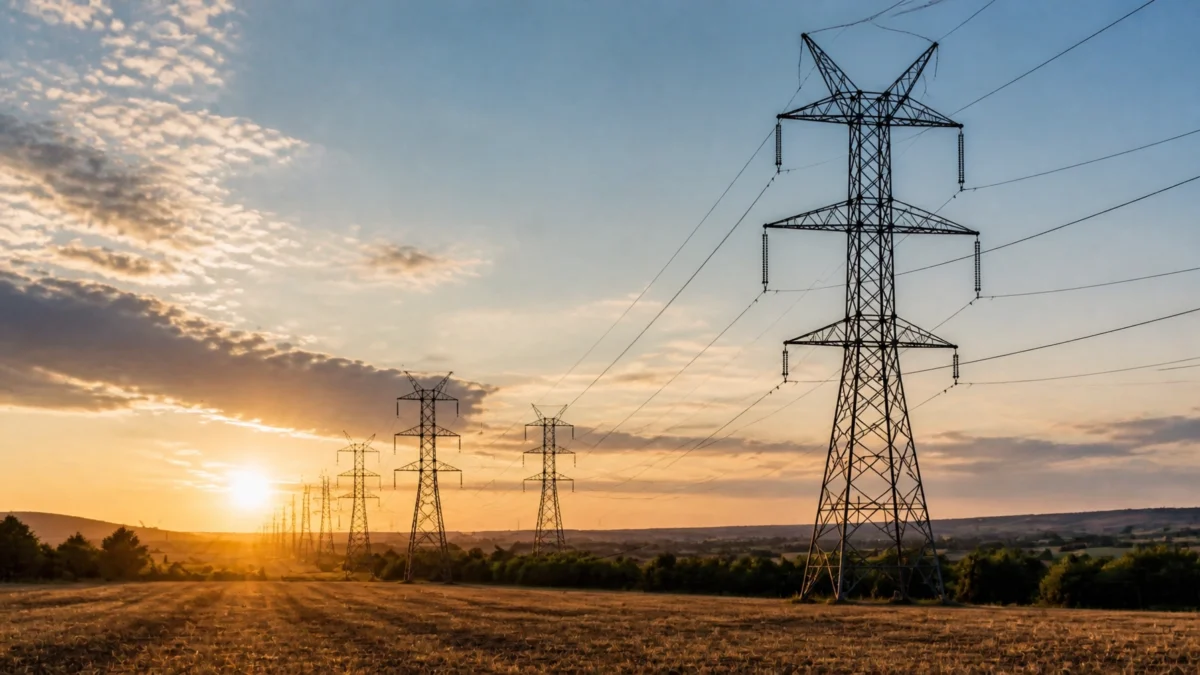
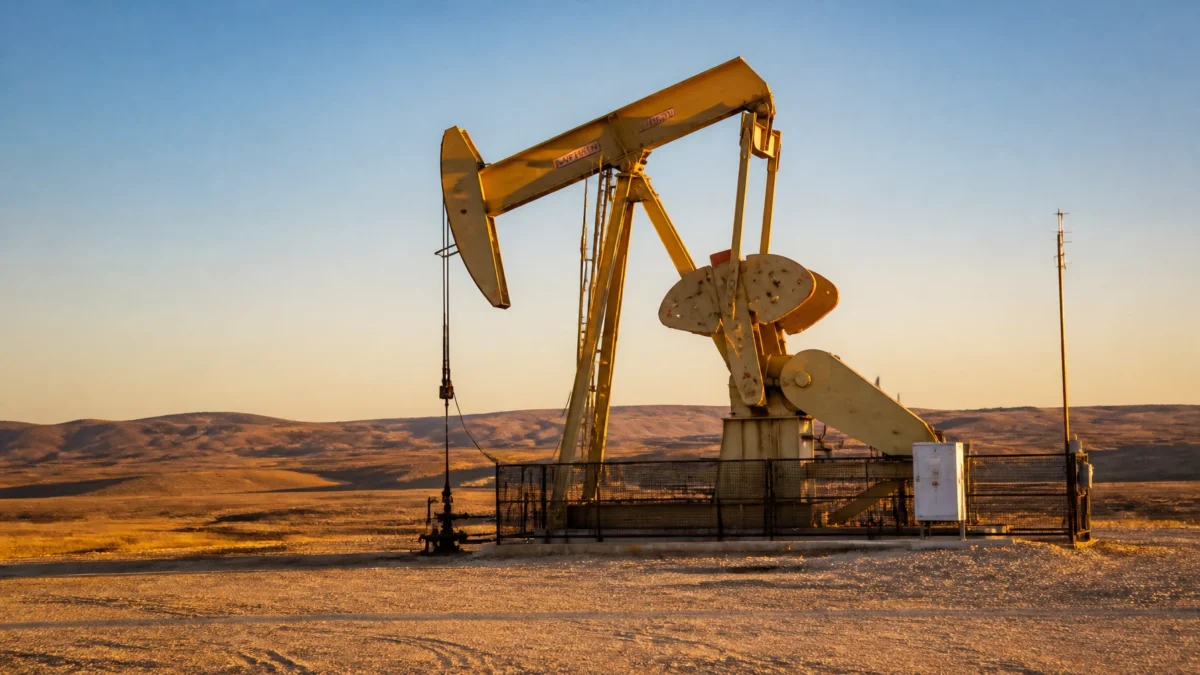
The landscape of American energy production on federal lands just experienced a significant shift that could redefine the operational feasibility for hundreds of independent producers. Federal leasing rule revisions recently announced by the Department of the Interior mark a major departure from the regulatory trajectory established over the last two years. On June 22, 2026, the Department of the Interior (DOI) released a pair of coordinated rulemakings that effectively roll back several of the most stringent financial and operational requirements placed on oil and gas operators. This move centers on a dramatic reduction in bonding requirements and a streamlining of waste prevention protocols, promising to inject a new level of liquidity and regulatory relief into the onshore energy sector.
For small operators who have long argued that high financial barriers were pricing them out of the market, these federal leasing rule revisions represent a critical pivot. By addressing both the capital required to secure a lease and the ongoing costs associated with methane management, the Bureau of Land Management (BLM) is signaling a more flexible approach to resource management that balances environmental oversight with economic pragmatism.
Restoring the Financial Floor with Federal Leasing Rule Revisions
The most immediate and talked-about change in the June 22 announcement is the reversal of the 2024 bonding increases. Under the previous administration’s rules, the minimum statewide bond had been hiked to $500,000, a twenty-fold increase from the historic $25,000 level. The new proposal from the DOI eliminates this $500,000 requirement and restores the prior minimum statewide bond of $25,000. Additionally, the individual lease bond floor is set to drop from $150,000 back to the pre-2024 level of $10,000.

This adjustment is far more than a simple numbers game; it is a fundamental shift in how the government manages the risk of orphaned wells. While critics argue that lower bonds increase the taxpayer’s liability for future cleanup, industry groups like the Western Energy Alliance have historically pointed out that the 2024 hike was disproportionate to the actual risk posed by federal operators. According to industry data, only a tiny fraction of wells on federal lands: roughly 0.04 percent: have ever reached orphaned status. By lowering these barriers, the DOI is essentially betting that the economic activity generated by smaller independent producers outweighs the marginal increase in potential cleanup liabilities.
The 60-day public comment period following this announcement will be a vital window for stakeholders to weigh in on these federal leasing rule revisions. Interior is also specifically seeking feedback on whether to bring back nationwide bonds, which were phased out under the 2024 rule. For many diversified operators, the return of nationwide bonding would offer even greater administrative ease, allowing them to cover their entire portfolio with a single financial instrument rather than navigating a patchwork of state-level requirements.
Streamlining Methane Compliance and Reducing Operational Costs
Parallel to the bonding rollback, the DOI is also revising the BLM’s waste prevention rule, which governs the venting, flaring, and leakage of natural gas. These federal leasing rule revisions aim to cut compliance costs by approximately $17 million per year by removing several layers of planning and reporting that many in the industry viewed as redundant.
One of the most significant changes is the removal of the requirement for waste minimization plans to be submitted alongside Applications for Permit to Drill (APDs). Under the new proposal, operators will no longer be required to provide these extensive documents or certain self-certification statements that had become a standard part of the permitting process. The rule is also being retitled as “Royalty for Oil and Gas Lost from Onshore Federal and Indian Leases,” a change that reflects a more focused intent: ensuring the government receives its fair share of royalties for lost gas while allowing operators more technical flexibility in how they manage their sites.

Data from recent industry reports suggests that these regulatory overlaps often lead to delays that can span months, if not years. By narrowing the scope of the waste prevention rule to focus on royalty treatment rather than prescriptive operational mandates, the DOI is addressing a long-standing grievance regarding federal overreach into technical field operations. This aligns with broader efforts seen in other agencies, such as recent EPA wastewater reform, where the focus has shifted toward efficiency and data-driven oversight.
Impact on Small versus Large Operators
The divergence in how these federal leasing rule revisions impact different segments of the industry cannot be overstated. Large, publicly traded corporations often have the balance sheet strength to absorb a $500,000 statewide bond or the administrative staff to manage complex methane reporting. For these entities, the changes offer incremental improvements in capital efficiency. However, for small independent operators: who are often the primary drivers of innovation and localized economic growth in energy-producing regions: these changes are transformative.
- Capital Allocation: Lower bonding requirements free up hundreds of thousands of dollars in capital that can be reinvested into exploration, equipment upgrades, or hiring.
- Permitting Speed: Reducing the paperwork burden for APDs means small teams spend less time on compliance and more time on production.
- Market Entry: Lower entry costs lower the barrier to entry for new participants in the federal leasing program, fostering a more competitive market.
While the Western Energy Alliance and other industry advocates have generally welcomed these developments as a return to common sense, environmental watchdogs have expressed concern. Organizations like Taxpayers for Common Sense argue that reverting to $25,000 bonds ignores the rising costs of well plugging and site reclamation. They contend that the $500,000 level was a necessary evolution to protect the public from future environmental liabilities. This tension between economic vitality and long-term environmental risk will likely be the central theme of the upcoming public comment period.
Looking Ahead to Finalization in 2027
While the announcement made on June 22, 2026, is a major milestone, it is important to remember that these are currently proposed rules. The existing 2024 bonding rule remains in effect during the rulemaking process, which is expected to take approximately one year to finalize. Fortunately, operators who were concerned about the original June 2026 enforcement deadline received a reprieve — the BLM issued an extension pushing that phase-in deadline out to June 22, 2027, specifically to give operators breathing room while these new 2026 rollbacks are being processed and finalized.

As the Energy Network Media Group continues to monitor the pulse of the energy economy, these federal leasing rule revisions stand out as a bellwether for the future of onshore production. Whether you are an industry veteran or a policy analyst, the shift toward lower financial barriers and streamlined reporting suggests a new chapter in the relationship between the federal government and the American energy producer. The goal of balancing responsible resource management with a thriving energy economy is a complex one, but for small operators on federal lands, the path forward just became significantly clearer.
Those interested in following the progress of these rules should look for the upcoming publication in the Federal Register, which will officially trigger the 60-day window for public input. For more insights on how these shifts relate to broader energy trends, including the DOE’s recent nuclear supply chain investments, stay tuned to our latest updates.
Keep In Touch with Shale Magazine
As the new era of energy unfolds, you can bet we’ll be the boots on the ground to keep you informed. Subscribe to Shale Magazine for sharp insight into the arenas that matter most to your life. And don’t forget to listen to our riveting podcast, The Energy Mixx Radio Show, where our very own Kym Bolado interviews the most extraordinary thought leaders, business innovators, and industry experts of our time.
Subscribe to get more posts from Amanda Jenkins