
Texas is undergoing a fundamental shift in how large-scale energy infrastructure is conceptualized and deployed.
The traditional model of on-site, decade-long construction projects is being challenged by new modular designs and advanced logistics. A central figure in this transformation is the recently announced partnership between Blue Energy and the Port of Victoria, which signals a massive coastal nuclear power expansion designed to meet the skyrocketing electricity demands of the digital age. By situating a 1.5-gigawatt nuclear facility between Victoria and Bloomington, the project aims to redefine the state’s industrial landscape.
The project represents a convergence of energy security and technological necessity. As the Department of Energy continues to emphasize the importance of carbon-free baseload power, private sector initiatives like this one are moving to fill the gap left by aging coal plants and the inherent intermittency of renewable sources. The selection of the Texas coast for this venture is not incidental; it is a calculated move to leverage existing maritime infrastructure for a new generation of atomic power.
A New Logistics Model for Nuclear Energy
The proposed facility by Blue Energy deviates from the standard nuclear construction playbook. Traditionally, nuclear reactors are built entirely on-site, requiring thousands of workers and massive amounts of reinforced concrete poured over several years. Blue Energy intends to utilize a shipyard prefabrication method, where the primary components of the 1.5-gigawatt plant are manufactured in controlled environments away from the final site.

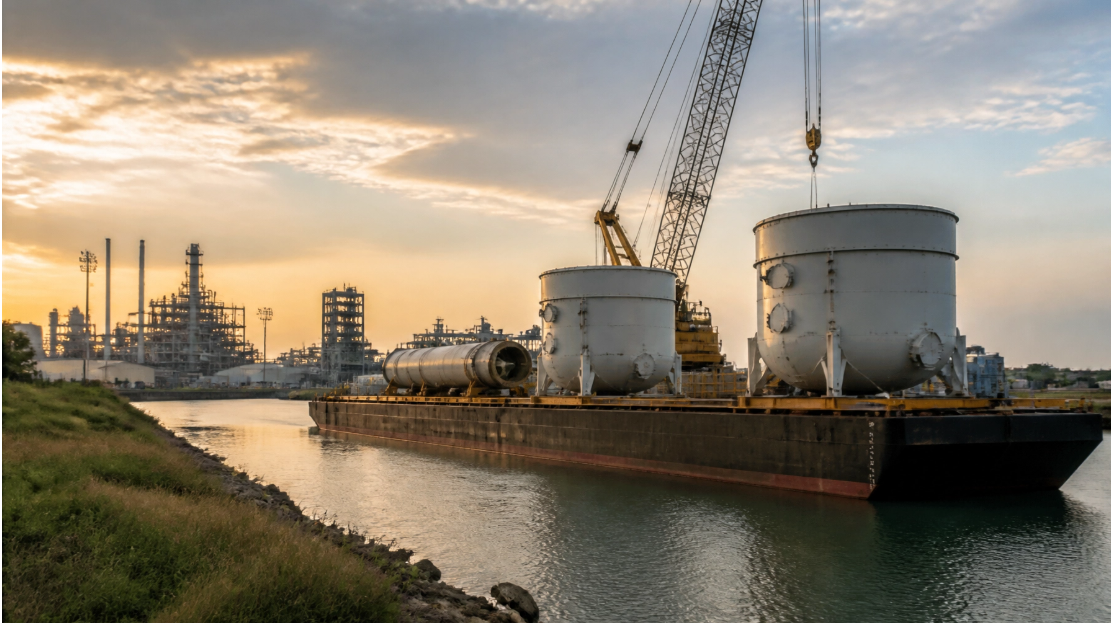
This shift toward modularity is intended to solve the chronic cost overruns and delays that have plagued the domestic nuclear industry for decades. By building the reactors in existing shipyards, the company can apply assembly-line efficiencies to high-tech energy infrastructure. The Port of Victoria plays a critical role in this logistics chain. Its robust inland barge canal allows for the transportation of extra-large, prefabricated reactor modules that would be impossible to move via traditional road or rail networks.
The inland waterway provides a unique advantage: it keeps the heavy infrastructure protected from direct coastal weather events while maintaining a direct link to the global maritime supply chain. The Port of Victoria has already secured a lease option agreement for approximately 70 acres at the Texas Logistics Center, allowing Blue Energy to conduct the necessary feasibility studies and due diligence. This strategic placement ensures that the plant is both accessible for construction and resilient against environmental stressors.
The Financial Scale and Strategic Roadmap
The economic implications of this project are as significant as its engineering hurdles. Blue Energy recently secured a $380 million initial financing round to advance its vision. However, this is only the beginning of a capital-intensive journey. If the project clears the required regulatory hurdles from the Nuclear Regulatory Commission (NRC) and the Department of Energy, the final price tag for the commercial facility is estimated to be in the multi-billion dollar range.

A notable aspect of this development is the proposed “gas-to-nuclear” transition strategy. Recognizing the urgent need for power, Blue Energy plans to first deploy natural gas-based generation at the site as early as 2028. This serves as a “bridge” to provide immediate power to its primary anchor customer while the nuclear units are being licensed and constructed. The goal is to transition the entire 1.5-gigawatt output to nuclear generation by 2031.
This phased approach is designed to provide project-financed certainty in an industry often characterized by financial risk. According to SHALE Magazine’s analysis of nuclear funding, the federal government has been increasingly supportive of small modular reactors (SMRs) and advanced nuclear designs through various grant programs and tax credits under the Inflation Reduction Act.
Key project data points include:
- Total Capacity: Up to 1.5 gigawatts of nuclear-powered baseload energy.
- Initial Funding: $380 million secured for feasibility and pre-development.
- Logistics Hub: Port of Victoria / Texas Logistics Center.
- Employment: Expected creation of approximately 100 permanent, high-paying jobs.
- Timeline: Initial gas-based power by 2028; full nuclear transition by 2031.
Impact on Regional Grid and Industry Hubs
The primary driver behind this specific development is the rise of the “AI Factory.” Blue Energy has partnered with Crusoe, an AI and data center infrastructure company, to power a 1,600-acre campus. This data center facility is expected to have a power demand of up to 1.5 gigawatts, making it one of the largest concentrated loads in the region.

The proximity of the Victoria and Bloomington area to this coastal nuclear power expansion provides a stabilized energy source for the regional grid. While the primary output is earmarked for the data center campus, the presence of such a massive baseload source enhances overall grid reliability. In an era where the Electric Reliability Council of Texas (ERCOT) is under constant scrutiny for grid stability, the addition of a consistent, non-intermittent power source is a vital development for the state’s energy security.
Furthermore, the NexGen energy landscape in Texas is increasingly defined by these types of symbiotic relationships between high-tech industries and advanced power generation. The project is expected to transform Victoria County into a regional growth hub, attracting further industrial investment that requires both carbon-free energy and high-capacity logistics.
Technical Feasibility and Regulatory Hurdles
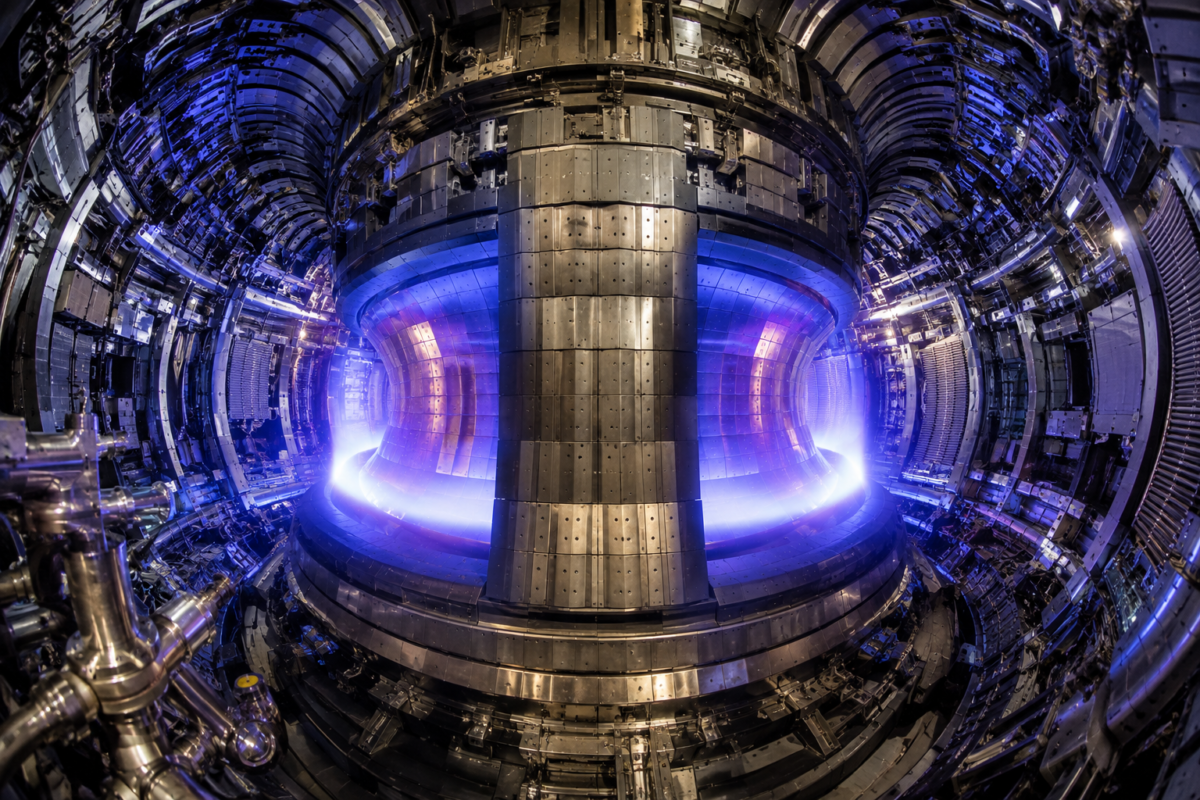
While the vision for the Victoria-Bloomington site is ambitious, it faces a rigorous path to completion. The transition from natural gas to nuclear power requires extensive licensing through the NRC. This includes environmental impact statements, safety evaluations, and community engagement protocols. The “submerged, water-based structure” design proposed by Blue Energy utilizes passive safety systems, which rely on natural circulation and gravity rather than active mechanical pumps to cool the reactor core.

These advanced safety features are central to the appeal of next-generation nuclear power. By reducing the complexity of the cooling systems, the designs aim to be inherently safer and more cost-effective. However, the regulatory framework for such advanced designs is still evolving. The Department of Energy and the White House have signaled a desire to streamline these processes to compete with global energy leaders, but the reality of nuclear permitting remains a multi-year endeavor.
As the Port of Victoria and Blue Energy move forward with their due diligence, the eyes of the energy industry will be on the Texas coast. This project serves as a pilot for a new way of building American infrastructure: one that is modular, shipyard-built, and directly integrated with the future of the global digital economy.
Keep In Touch with Shale Magazine
As the new era of energy unfolds, you can bet we’ll be the boots on the ground to keep you informed. Subscribe to Shale Magazine for sharp insight into the arenas that matter most to your life. And don’t forget to listen to our riveting podcast, The Energy Mixx Radio Show, where our very own Kym Bolado interviews the most extraordinary thought leaders, business innovators, and industry experts of our time.