
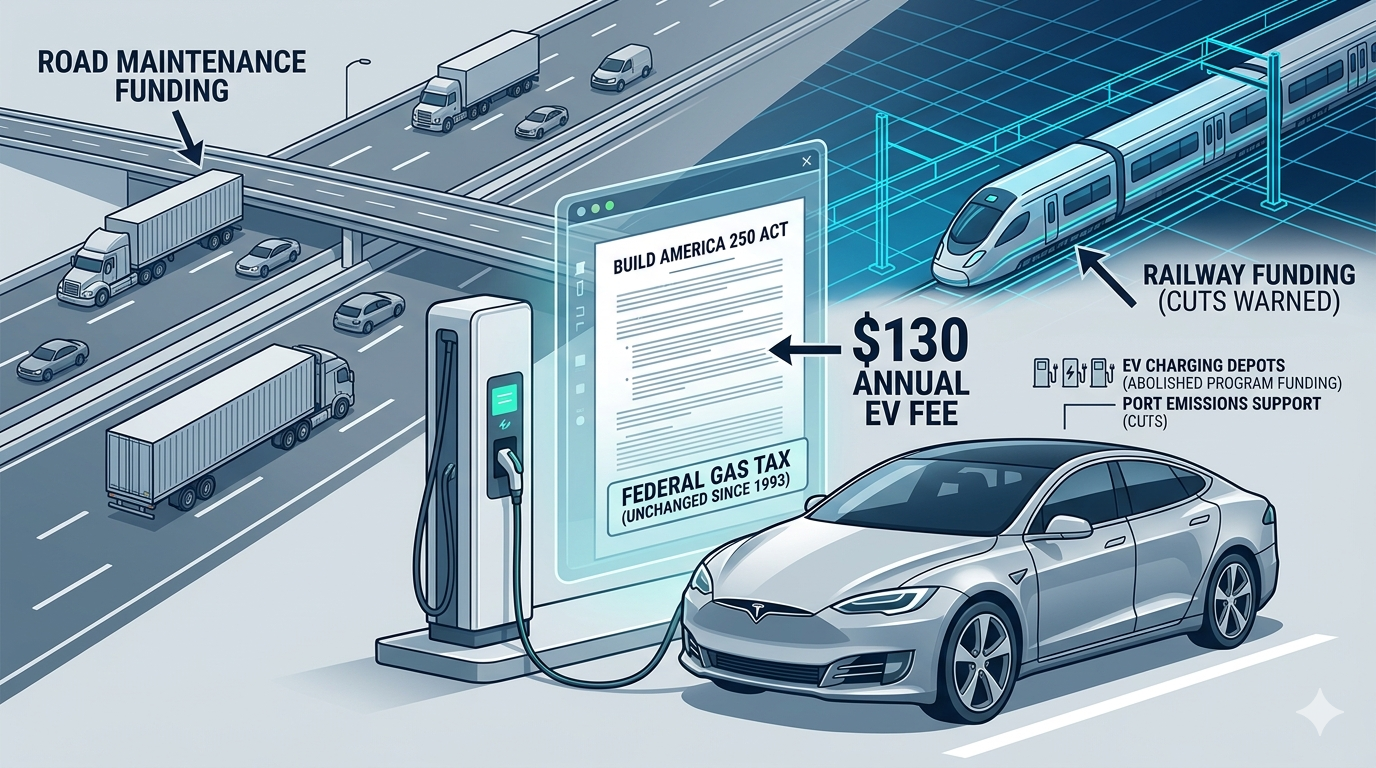
The Bipartisan Transportation Bill EV Impact: Imposing Fees and Cutting Subsidies
The House Transportation and Infrastructure Committee proposed a five-year transportation funding bill in May that would cut federal funding for […]
The House Transportation and Infrastructure Committee proposed a five-year transportation funding bill in May that would cut federal funding for […]
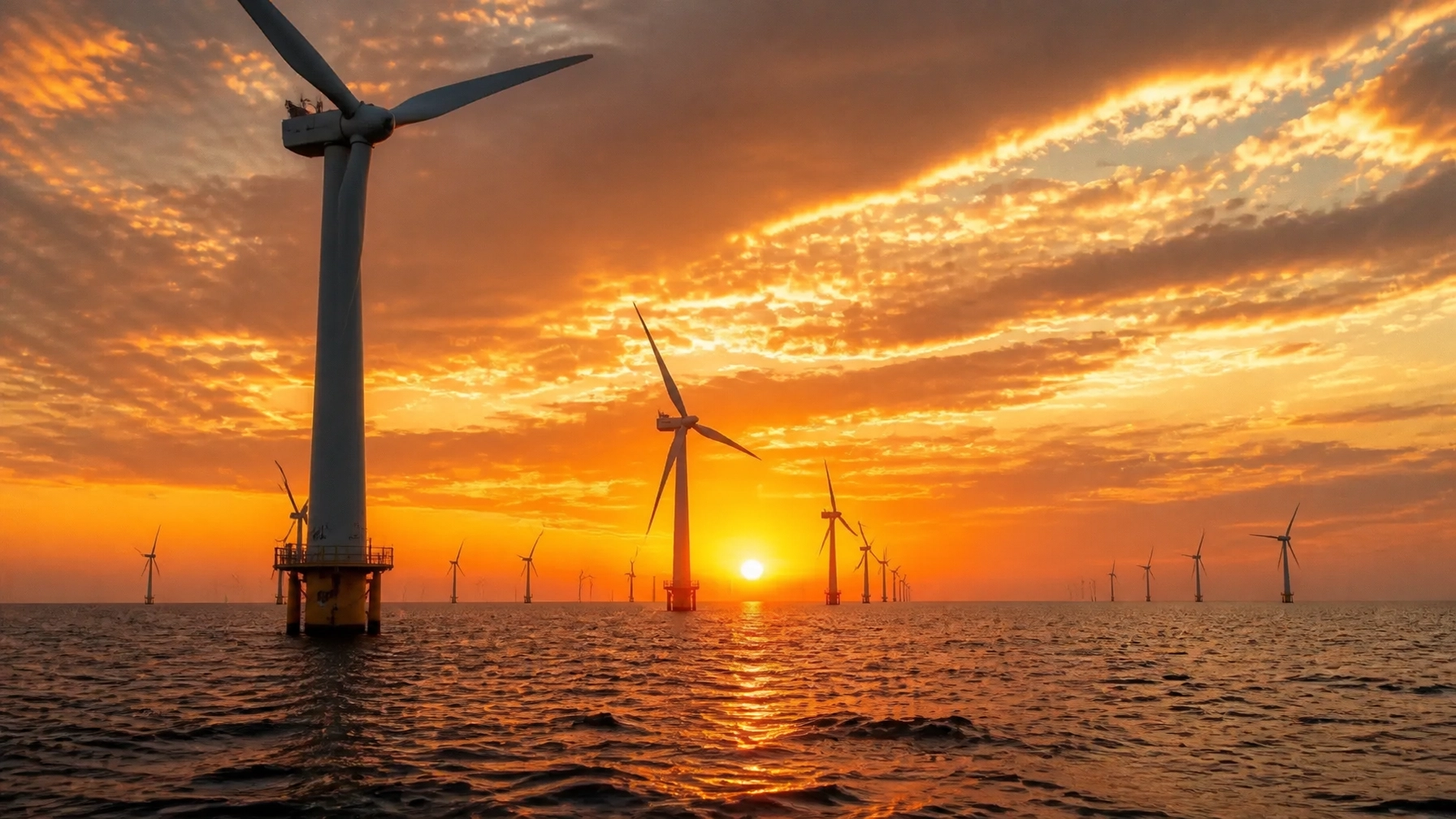
A coalition of seven states led by New York Attorney General Letitia James has officially filed a lawsuit against the

US LNG export growth has transformed from a domestic success story into a vital pillar of global energy security as

The Department of Energy has recently initiated a strategic shift that repurposes one of the most complex legacies of the
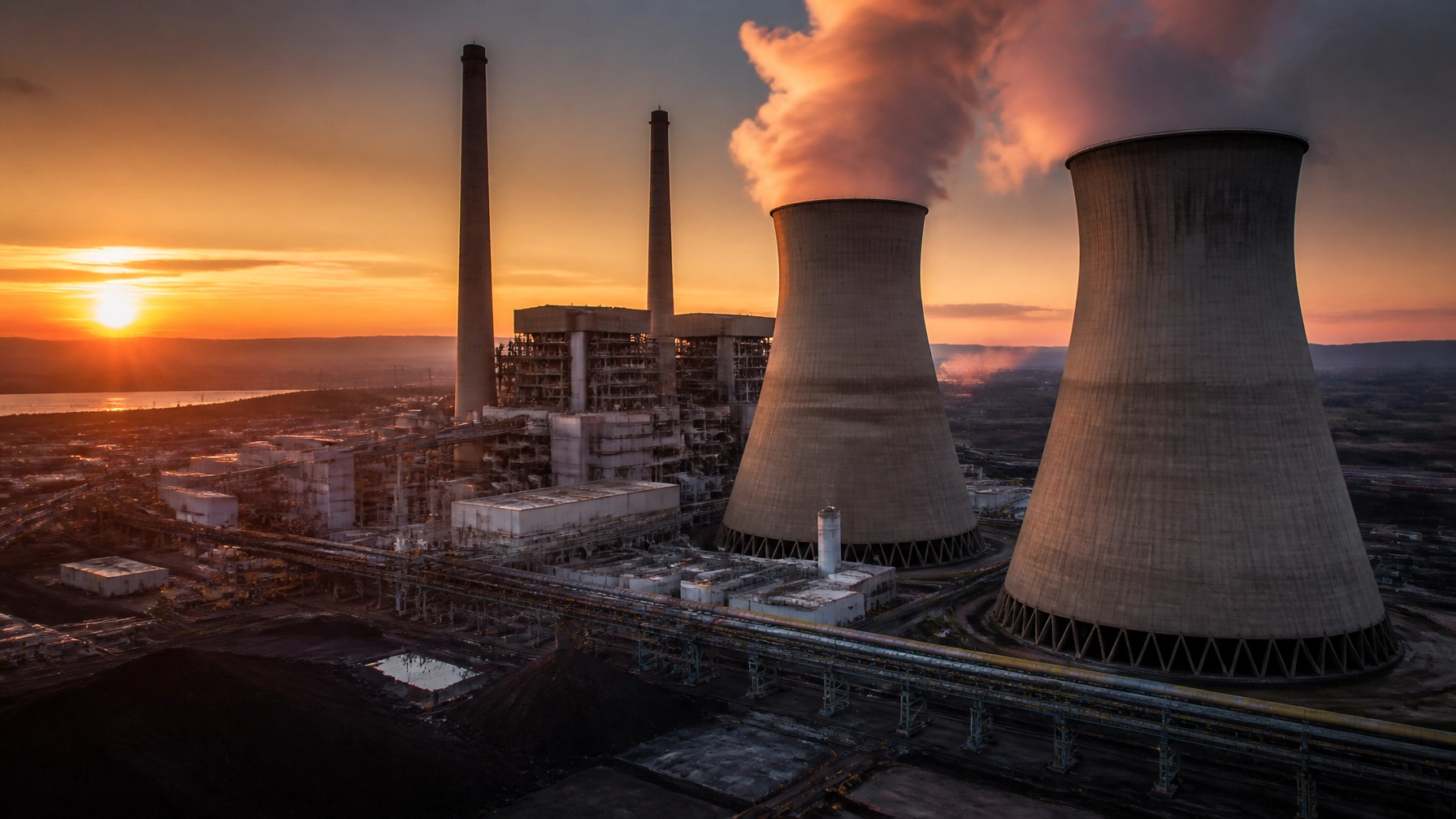
AI energy demand surges have fundamentally altered the landscape of American energy policy. As of May 2026, the Department of

The landscape of American resource extraction is shifting from the terrestrial to the abyssal as federal agencies prepare for a
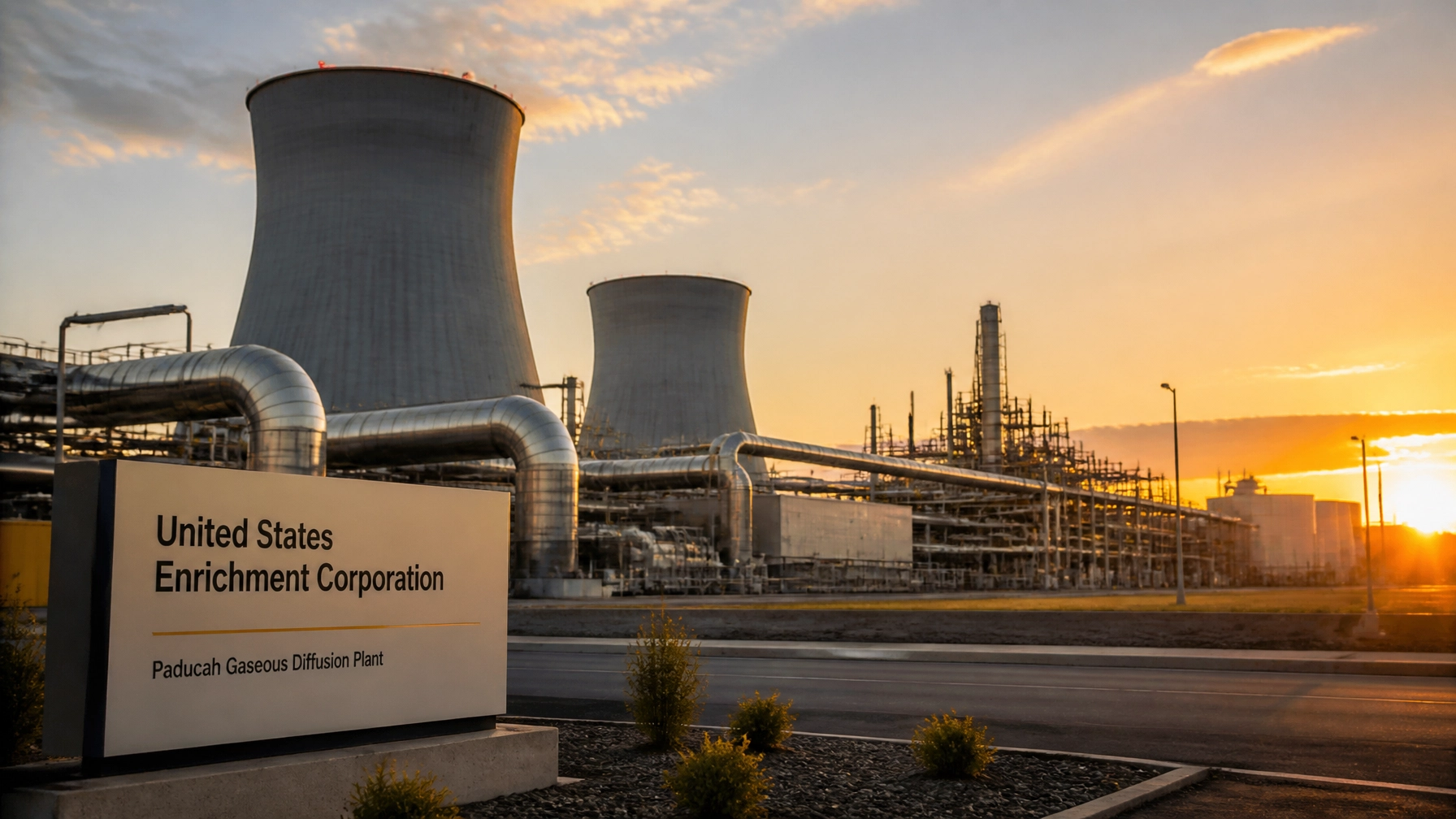
Domestic uranium enrichment capacity is now at the center of a monumental shift in the American energy landscape. For decades,

Permian Basin merger synergies are currently the primary catalyst driving massive structural changes across the domestic energy landscape. The official
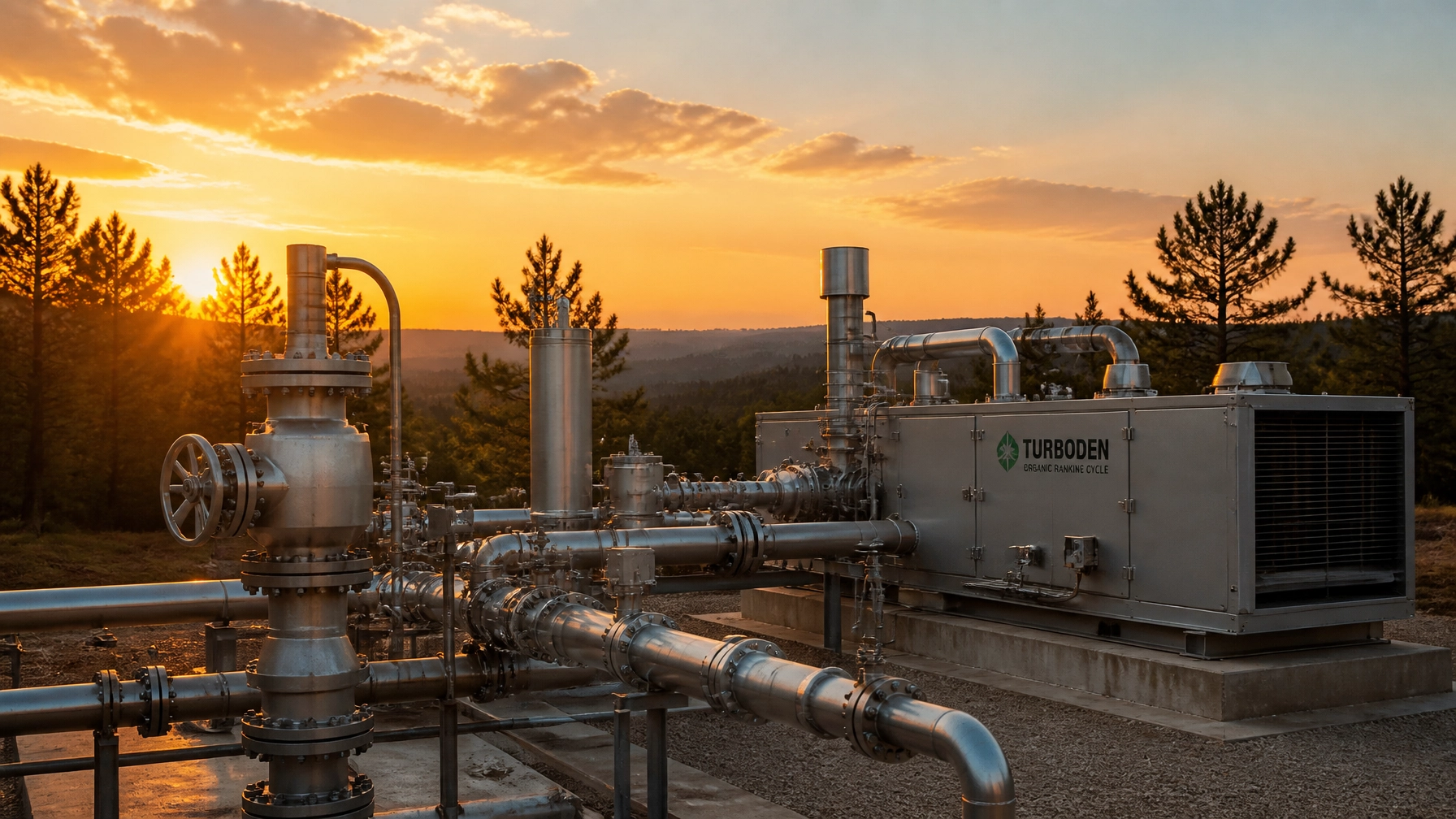
Texas geothermal energy growth has reached a critical tipping point that few outside the tight-knit circles of Houston and Austin

The Department of Energy has recently finalized a massive $3 billion funding initiative designed to solidify the National EV charging
