Texas geothermal energy growth has reached a critical tipping point that few outside the tight-knit circles of Houston and Austin fully appreciate. While the state has long been defined by its mastery of the Permian Basin and the Eagle Ford Shale, the same technical prowess that unlocked the American shale revolution is now being repurposed to tap into the heat beneath our feet. This transition is not merely a pivot toward renewables; it is a strategic evolution of the existing oil and gas infrastructure to provide the baseload power required by the next generation of industrial giants.
The narrative of Texas as a fossil-fuel-only powerhouse is rapidly becoming obsolete. As of mid-2026, the convergence of high-tech drilling, advanced mineral extraction, and an insatiable demand for carbon-free electricity from AI data centers has positioned the Lone Star State as the nascent global capital of geothermal innovation.
The Smackover Convergence and the Rise of Multi Resource Projects
One of the most significant developments in the recent surge of Texas geothermal energy growth is the T5 Smackover project located in the heart of East Texas. Spanning across Franklin, Titus, and Hopkins counties, this venture represents a fundamental shift in how we view subsurface resources. The Smackover Formation, traditionally known for its brine-rich reservoirs, is being reimagined as a dual-stream energy and mineral engine.
T5 Smackover Partners has successfully demonstrated that the hot, hypersaline brines of the region can do more than just produce heat. By integrating direct lithium extraction (DLE) technology with modular geothermal power units, the project is tackling two of the greatest challenges of the energy transition simultaneously: the need for lithium for battery supply chains and the requirement for consistent, clean electricity.
- Resource Integration: The project utilizes the natural heat of the brine to power the DLE process, significantly reducing the carbon footprint of lithium production.
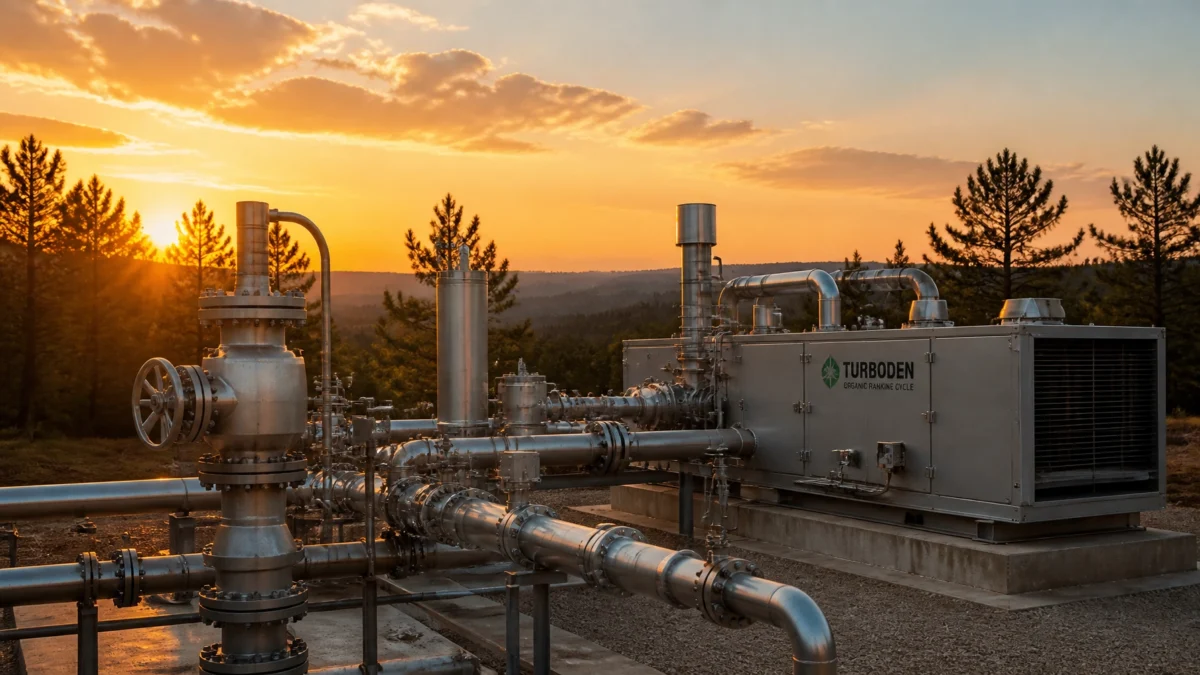
- Modular Scalability: Using Organic Rankine Cycle (ORC) turbines allows for a phased deployment that can scale as demand increases.
- Grid Resiliency: Beyond mineral extraction, the project is designed to provide dispatchable power to the Texas grid, reinforcing reliability during peak demand periods.
This integrated model is proving that geothermal is not a competitor to the minerals industry but a vital partner in securing the domestic supply chain for critical materials.

Shale Drilling DNA and the AI Power Hunger
The technical bridge between oil and gas and geothermal energy is most visible in the advancements made by Fervo Energy. By applying the same horizontal drilling and multi-stage hydraulic fracturing techniques perfected in the shale plays of West Texas, Fervo has unlocked the ability to create artificial reservoirs in hot rock where no natural water or permeability exists.
This technological crossover has arrived at a fortuitous moment. The explosive growth of AI data centers across the state has created a demand for electricity that the current grid is struggling to meet. These facilities require gigawatt-scale, 24/7 firm power that traditional renewables like wind and solar cannot provide without massive storage investments.
According to recent industry analysis, hyperscale data center operators are increasingly looking toward advanced geothermal as the ultimate solution for their “net-zero” mandates. The ability to site a geothermal plant directly adjacent to a data center campus: leveraging the same land-use permits and drilling crews used for oil: provides a level of energy security that is unmatched. This synergy was a primary driver behind Fervo Energy’s massive IPO earlier this year, which saw the company valued as a major infrastructure player, signaling that the capital markets now view geothermal as a bankable asset class.
Renascent Energy and the Second Life of Depleted Wells
While new drilling projects capture the headlines, a quieter revolution is occurring in the reuse of existing infrastructure. Renascent Energy has emerged as a leader in this space, achieving notable success by converting depleted shale wells into geothermal heat producers. Texas is home to hundreds of thousands of abandoned or late-life wells that represent a significant environmental liability and an untapped energy asset.
The Renascent model focuses on “downhole heat exchangers,” where fluids are circulated through existing wellbores to collect heat without the need for additional fracking or water consumption. This approach significantly lowers the entry cost for geothermal development.
- Cost Efficiency: Repurposing a wellbore can reduce capital expenditures by up to 40% compared to drilling a new geothermal well from scratch.
- Environmental Mitigation: Converting these wells provides a productive use for legacy assets that would otherwise require costly decommissioning.
- Local Power Loops: These smaller-scale projects are ideal for providing localized heat for industrial processes or small-scale power for nearby municipal facilities.
The success of these “brownfield” geothermal conversions has caught the attention of the Texas Railroad Commission, which is currently streamlining the regulatory framework to encourage more operators to explore heat recovery as a secondary revenue stream.

Policy Tailwinds and the Federal Geothermal Shot
The acceleration of Texas geothermal energy growth is also a byproduct of aggressive policy support at both the state and federal levels. The U.S. Department of Energy (DOE) has placed geothermal at the center of its “Enhanced Geothermal Shot” initiative, which aims to reduce the cost of enhanced geothermal systems by 90% by 2035.
In Texas, the state government has matched this ambition with the expansion of the Texas Energy Fund. Originally designed to support dispatchable gas-fired generation, the fund’s remit has widened to include geothermal projects that can prove their reliability as firm baseload power. This dual-pronged support has created a “de-risked” environment for institutional investors.
Furthermore, the White House has recently emphasized the role of geothermal in national security, highlighting its ability to provide resilient power for military installations and critical infrastructure. The Department of the Interior has also accelerated permitting on federal lands, though the bulk of the Texas boom remains on private and state lands, where the regulatory process is notoriously more efficient.

A Permanent Shift in the Energy Landscape
The transition currently underway in Texas suggests that the “Great Crew Change” in the energy industry is not about people leaving the sector, but about those people applying their skills to new heat-based horizons. The drillers, geophysicists, and reservoir engineers who built the shale era are the same individuals now architecting the geothermal expansion.
As the T5 Smackover project begins its commercial lithium production and Fervo Energy continues to scale its EGS deployments, the state is effectively creating a new category of energy production. This is no longer a niche experimental field; it is a multi-billion-dollar industry that leverages the best of Texas’s industrial heritage to power the digital and mineral needs of the future.
The “Quiet Capital” of geothermal is silent no more. The steady hum of turbines across the East Texas pines and the Permian plains is the sound of a state securing its energy dominance for the next half-century.

Keep In Touch with Shale Magazine
As the new era of energy unfolds, you can bet we’ll be the boots on the ground to keep you informed. Subscribe to Shale Magazine for sharp insight into the arenas that matter most to your life. And don’t forget to listen to our riveting podcast, The Energy Mixx Radio Show, where our very own Kym Bolado interviews the most extraordinary thought leaders, business innovators, and industry experts of our time.