Global AI energy race dynamics have shifted from a corporate competition into a matter of urgent national survival. During his remarks at the Pennsylvania Defense & Innovation Summit on July 14, 2026, U.S. Secretary of Energy Chris Wright delivered a stark warning: the United States is currently locked in a technological struggle where energy infrastructure is the ultimate deciding factor. Standing before an audience of military leaders, defense contractors, and technology executives, Wright articulated a vision where the reliability of the American power grid is directly tied to the country’s ability to maintain its lead in artificial intelligence over global adversaries, specifically China.
Wright’s message was clear: if the U.S. fails to provide the massive amounts of electricity required by next-generation data centers, the strategic advantage will shift eastward. This is not merely an economic concern but a national security imperative. The Biden-Trump transition era has seen a rare point of bipartisan agreement regarding the necessity of energy dominance, yet Wright’s approach focuses heavily on removing the regulatory and logistical bottlenecks that currently hinder large-scale infrastructure deployment.
Securing the Global AI Energy Race Through Infrastructure
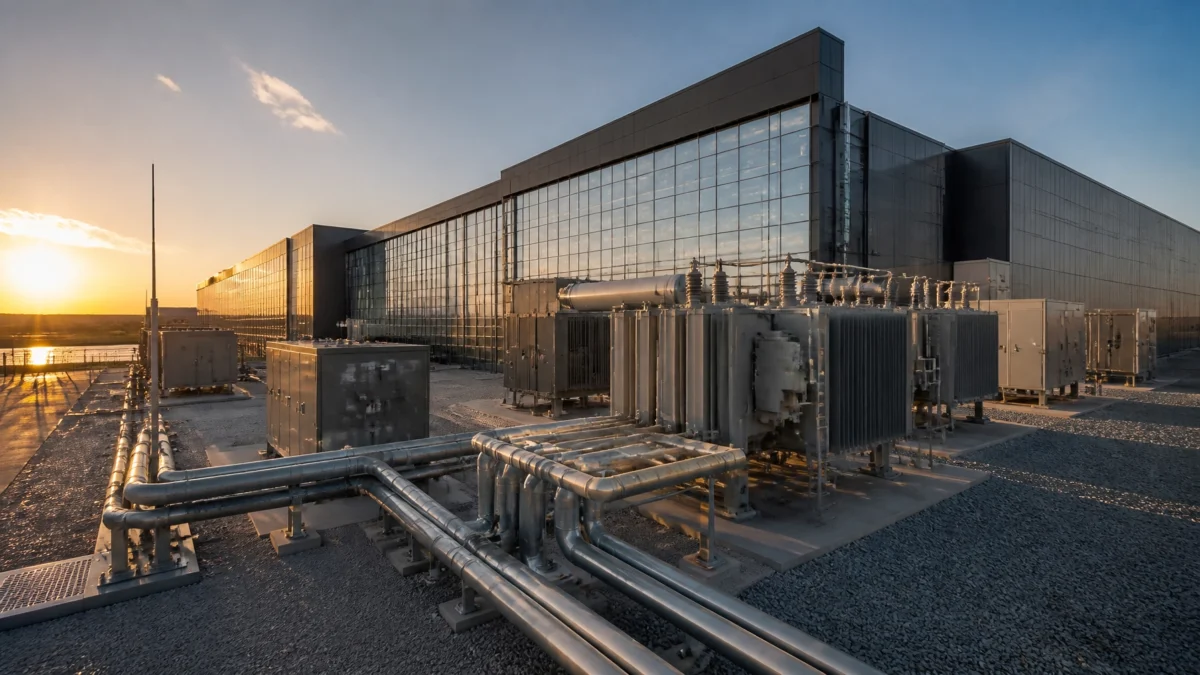
The scale of the energy demand currently facing the United States is unprecedented. As AI models become more complex and integrated into everything from medical research to autonomous defense systems, the electricity required to train and run these models is skyrocketing. According to recent Department of Energy projections, data centers could consume as much as 12% of total U.S. electricity by 2028. This rapid growth is most visible in states like Virginia and Texas, which have become the epicenter of this industrial expansion.
Secretary Wright emphasized that traditional grid management strategies are no longer sufficient to meet this surge. He argued that the U.S. must treat data centers not as occasional additions to the grid, but as foundational national security assets.
- Data center power demand is expected to grow from roughly 19 gigawatts (GW) in 2023 to over 35 GW by the end of the decade.
- The integration of AI into defense systems requires localized, high-reliability power sources that can withstand both physical and cyber threats.
- Current interconnection queues for new power projects are often several years long, a delay that Wright described as a gift to foreign competitors.
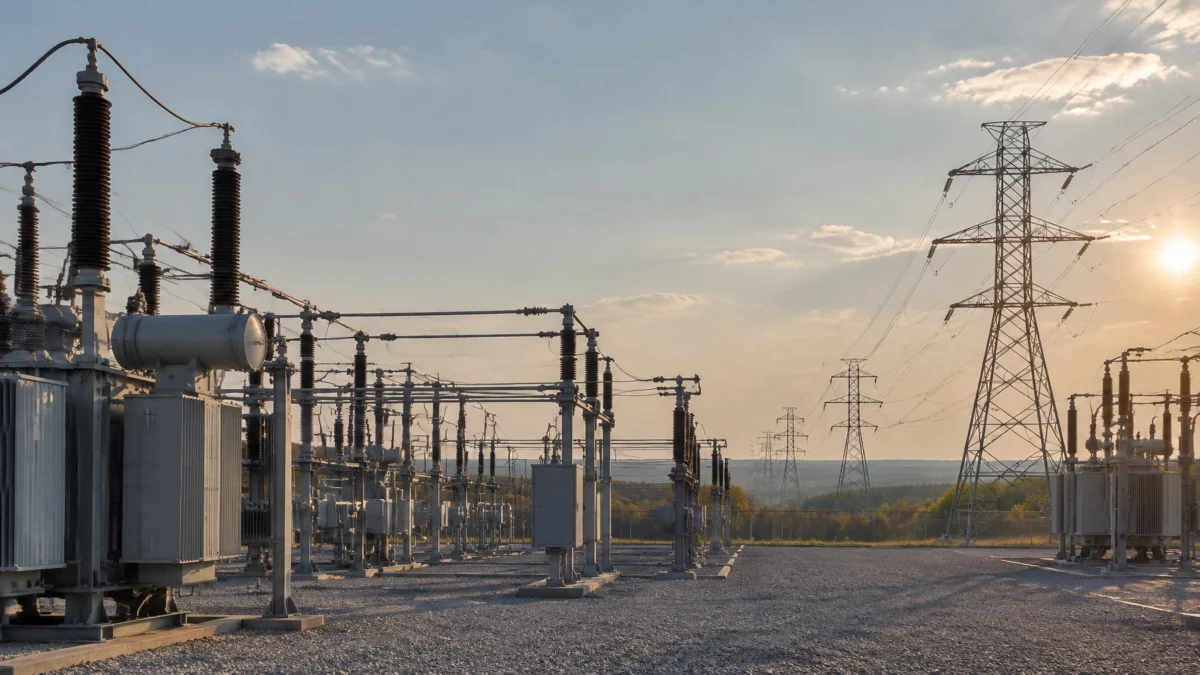
To combat these delays, the Department of Energy is advocating for a streamlined permitting process that prioritizes projects linked to critical tech infrastructure. Wright noted that while the U.S. currently leads in software and chip design, that lead is fragile if the underlying physical infrastructure: transmission lines, substations, and baseload power plants: remains stuck in regulatory limbo.

The Ratepayer Protection Pledge and Economic Fairness
One of the most persistent criticisms of the data center boom is the potential impact on local utility bills. Critics often argue that the massive energy needs of tech giants will force residential consumers to subsidize the necessary grid upgrades. To address this, Wright introduced and promoted a voluntary Ratepayer Protection Pledge. This framework encourages data center developers to take on a more active role in the financial health of the communities where they operate.
Under this pledge, developers commit to investing in local electric infrastructure upfront rather than waiting for utilities to socialize the costs through rate hikes. Furthermore, the pledge includes commitments to multi-year price freezes for residential consumers in the affected service areas. Wright argued that this proactive investment model turns data centers into a benefit for the local grid rather than a burden.
By funding the modernization of substations and the installation of high-capacity transmission lines, these developers essentially subsidize the reliability of the entire local network. Wright challenged the narrative that data centers are the primary driver of rising electricity costs, pointing instead toward state-level green-energy mandates and the premature retirement of reliable baseload power plants. He asserted that these policy decisions, rather than industrial demand, are what place the heaviest burden on the American ratepayer.
Dispelling Misconceptions About Water and Environmental Impact
Beyond electricity, the environmental footprint of data centers: specifically their water usage: has been a point of local contention. Older generations of data centers relied heavily on evaporative cooling systems that consumed millions of gallons of water daily. However, Wright used the summit as a platform to highlight the technological advancements that are mitigating these concerns.
Newer data centers are increasingly utilizing closed-loop cooling systems. These systems recirculate a fixed amount of water or use specialized refrigerants, resulting in minimal to zero net water consumption during normal operations. Wright urged local communities to engage with the technical realities of these projects rather than blocking them based on outdated information.

The Secretary emphasized that the goal is not to force these projects onto unwilling towns but to encourage local leaders to negotiate for maximum benefits. This includes local tax revenue, job creation in high-tech maintenance, and the infrastructure improvements that come with the Ratepayer Protection Pledge. He framed the choice for local communities as one between being an active participant in the modern energy economy or allowing that opportunity to move elsewhere: potentially to nations that do not share American values or environmental standards.
A Vision for Reliable Baseload Power
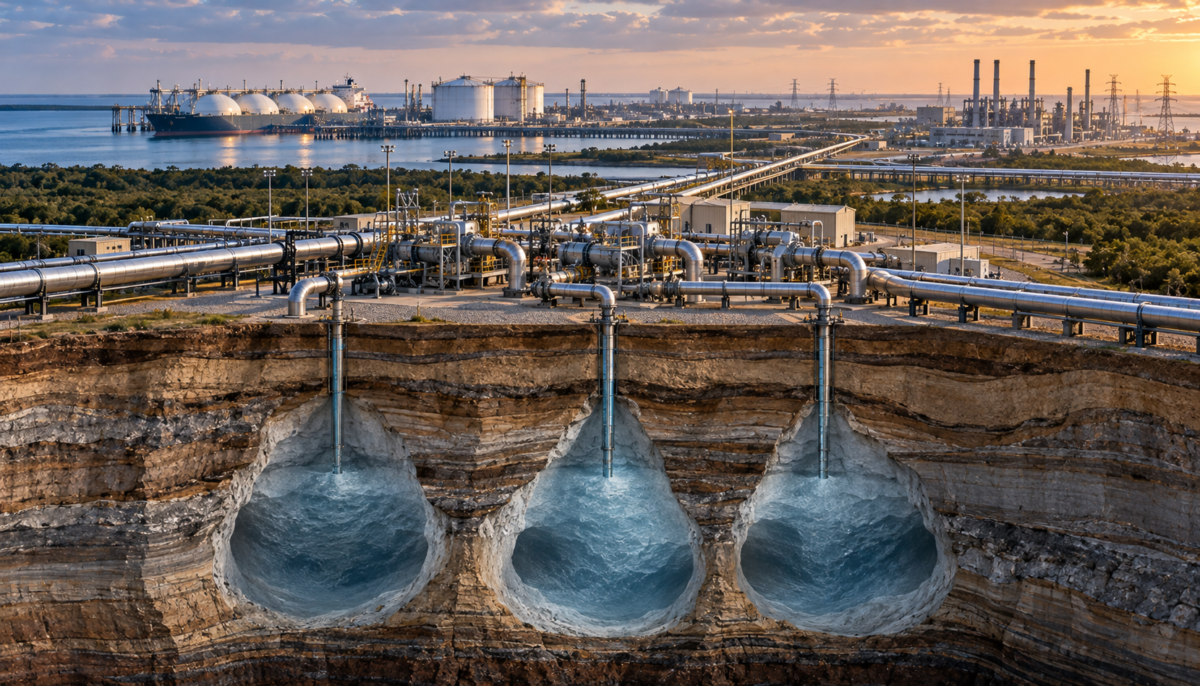
A recurring theme in Wright’s address was the necessity of “energy abundance.” To win the global AI energy race, the U.S. cannot rely solely on intermittent sources of power. Wright advocated for an all-of-the-above strategy that places a heavy emphasis on natural gas and nuclear energy as the backbone of the AI era.
He noted that the surge in demand is already leading to the revival of nuclear projects, such as the efforts to restart units at Three Mile Island and the deployment of Small Modular Reactors (SMRs) directly at data center sites. This “behind-the-meter” generation allows data centers to operate without placing additional strain on the public grid, providing a blueprint for future industrial development.

The convergence of Pennsylvania’s natural gas reserves with its historical leadership in nuclear power makes the state a primary candidate for this new industrial model. Wright concluded his remarks by emphasizing that the transition to an AI-driven economy is inevitable, but American leadership in that economy is not. By aligning national security interests with market-driven energy policies, the U.S. can ensure that the infrastructure required for the future is built here, by American workers, and powered by American resources.
Keep In Touch with Shale Magazine
As the new era of energy unfolds, you can bet we’ll be the boots on the ground to keep you informed. Subscribe to Shale Magazine for sharp insight into the arenas that matter most to your life. And don’t forget to listen to our riveting podcast, The Energy Mixx Radio Show, where our very own Kym Bolado interviews the most extraordinary thought leaders, business innovators, and industry experts of our time.
Subscribe to get more posts from Amanda Jenkins