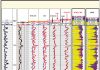




The introduction of artificial intelligence into the energy landscape is no longer the distant future, but instead today’s reality. Drilling operations are undergoing a profound transformation, embracing the new frontier of AI-integrated systems.
At the forefront of this evolution is Halliburton’s LOGIX™ automated geosteering services, a new platform designed to integrate with drill navigation services, creating more consistent and efficient drilling with improved well recovery.
We had the opportunity to sit down with Luis Mota, Halliburton’s Well Construction Strategic Business Manager, and gather more insight into the vision, development, and value of Halliburton’s LOGIX™ automated geosteering services. Luis was able to expound on what LOGIX™ is and how it impacts the future of drilling.
What Is LOGIX™?
Essentially, LOGIX™ is Halliburton’s automation and remote operation family of solutions.. The suite of services encompasses a broad range of systems, enabling drilling platforms to optimize efficiency, excel at remote operations, and enhance reservoir recovery.
Luis describes this system as an “enabler” that transforms how core well-construction services are delivered, integrating AI, automated rig systems, and expert oversight. In this sense, LOGIX™ is the brain and hands of drilling, and AI provides the computing power to make split-second decisions that are vital for efficient drilling operations. Combining artificial intelligence with real-time sensor feedback and automated control, LOGIX™ provides intelligent adjustments to drilling parameters and trajectories, minimizing the need for continuous human intervention.
Mota notes that this AI-integrated system is not designed to replace expert oversight, but to enhance it, relieving on-site experts from the need to maintain constant oversight and make accurate directional adjustments. Instead, well-bore experts are given more data to make critical adjustments when necessary, not as a primary function.
Driving the Development of LOGIX™ Automated Geosteering Services
Given the complexities of modern drilling systems, introducing Halliburton’s LOGIX™ automated geosteering services as the latest addition to the LOGIX™ automation and remote operations family of solutions provides a further critical step towards and enhancing drilling consistency, efficiency, and recovery.
Traditionally, geological well placement relied heavily on manual interpretation of downhole data, requiring extensive human expert oversight, consistent monitoring, and demanding focus. Variations in the geological subsurface, sudden changes in formation, and environmental constraints necessitate precise execution and consistency. This complexity demands precision and consistency, and real-time adjustments to meet the optimal well-placement targets, presenting a challenge to drilling operations, to say the least.
The challenge of Improving decision making while maintaining the flexibility to dynamically respond to subsurface conditions was a driving factor in the development of Halliburton’s LOGIX™ automated geosteering services. This system was designed as an integrated solution that addresses these complications and evolves in tandem with the continued growth of the digital and physical drilling landscapes.
Built on 3 Value Opportunities
In the development of Halliburton’s LOGIX™ automated geosteering services, Mota describes three consistent themes and value propositions as the primary purpose of the system.
Consistency
A foundational principle that Luis and his team focused on during development was the ability to deliver consistent well-placement optimization in everyday operations.
When discussing the principle of consistency, Luis explained, “When we talk about consistency, we really were looking at how we could not just achieve records in drilling and getting wells done faster, but do that over and over again, being repeatable, reliable in terms of our results. And that’s really the core message when it comes to automation: consistency. Yes, we want to drill quickly, but it’s about more than just drilling fast. It’s about actually getting a well where it needs to be in a predictable fashion.”
Efficiency
Naturally, efficiency was a primary motivation in engineering Halliburton’s LOGIX™ automated geosteering services. Allowing platforms to not only deliver consistent results, but deliver them in the most time and productivity-efficient means possible.
Consistency leads to efficiency. By consistently and reliably optimizing geosteering capabilities, LOGIX™ automated geosteering delivers more efficient drilling performance in combination with LOGIX™ auto steer. By helping to avoid or eliminate potential efficiency killers, LOGIX™ seeks to optimize well placement with real-time Steering and response to geological changes that slow down drilling slowdowns.
Recovery
LOGIX™ automated geosteering service’s fundamental goal is to present the maximum reservoir recovery opportunities for Halliburton’s customers.
“The ultimate end goal is also the recovery piece, how we optimize reservoir contact. And that’s specifically where tools like automated geosteering started,” Mota notes. “So, it’s about getting there efficiently, but then also making sure we position the well bore in the zone for maximum optimized productivity.”
How LOGIX™ Works
LOGIX™ functions using a hybrid model that leverages both AI and physics-based modeling. This enables the system to predict subsurface conditions, detect and avoid anomalies, and make automated trajectory adjustments with precision. The LOGIX™ algorithms also monitors multiple efficiency and operational sticking points, such as bit wear, abnormal vibrations, and other performance indicators. This intelligent oversight helps maintain and extend tool life and drill efficiency throughout operations.
A primary element of this hybrid model is its managed-by-exception operational standard, which dictates that subject matter experts oversee operations and intervene on an “as-needed” basis. This allows experts to maintain oversight, but only make adjustments when entirely necessary, not as the first and primary action. This balance of autonomy and human oversight optimizes operational performance while reducing risk exposure for operators, equipment, and drill sites.
Mota likens this to the evolution of cruise control. Initially, motor vehicles operated solely with human operation. Eventually, cruise control was invented, relieving drivers of some responsibility. Nowadays, we’ve pushed well beyond cruise control to near autonomous driving, which allows motor vehicle operators to intervene when necessary and maintain control with essential oversight.
LOGIX™ automated geosteering actively interprets data to adjust to changing downhole and geological conditions, making real-time decisions dynamically.
Key Solutions
These are the primary features that distinguish Halliburton’s LOGIX™ automated geosteering services.
Autonomous Steering and Drilling Dynamics
Through LOGIX™ auto steer, the system can automatically adjust the well-bore trajectory based on real-time downhole data, integrated physics models, formation measurements, and drilling parameters, allowing the system to maintain precise and optimal placement within the target zone while minimizing the need for consistent human intervention and oversight. This integrated system combines steering control with drilling dynamics, expert-driven data, and real-time adjustments to achieve greater consistency in locating accurate well paths.
Machine Learning Algorithms for Real-Time Adjustments
The LOGIX™ automated geosteering system integrates AI-driven machine learning to process and interpret formation data, detect alterations continuously, and make instantaneous adjustments in trajectory for maximum efficiency. These on-the-spot adjustments enable the system to respond faster than human operators, reducing non-productive time and optimizing well placement with improved consistency and better decision making.
Operational Benefits
Halliburton has been operating the LOGIX™ auto steer services in real-world applications for over five years, delivering geometric well placement. With the introduction of LOGIX™ automated geosteering this year, Haliburton has now added the ability for geologic well placement.. At this time, they identified several key benefits that present exciting possibilities for the future of operations.
Mota notes several key operational benefits of integrating the LOGIX™ automated geosteering system, including:
- Well placement accuracy: By constantly adjusting and analyzing real-time data, LOGIX™ delivers pinpoint well placement accuracy, ensuring the wellbore remains in the optimal reservoir zones for longer.
- Rate of penetration (ROP): AI-driven adjustments reduce delays and non-productive time by optimizing drilling dynamics. During Halliburton’s testing operations in the North Sea, studies show LOGIX™ increased ROP by as much as 23%.
- Casing running time improvement: Automation improved wellbore quality and reduced casing running time by 15%, resulting in shorter project completion times.
“These tools predict and prevent, turning potential downtime into productive time,” Mota notes.
Real-World Impact
Since its operational deployment five years ago, the LOGIX™ family of solutions has drilled over 210 million feet worldwide. During this time, Halliburton has demonstrated its scalability and maturity, with early field applications exhibiting measurable gains in efficiency and recovery. The continued evolution of the LOGIX™ family of solutions throughout that period has been key. With LOGIX™ automated geosteering as its latest service for operators, this means a direct correlation to cost savings, faster well delivery, and optimized production potential.
With thorough observation of its best results in complex, data-rich studies, LOGIX™ demonstrates a key step in the digital integration of drilling operations worldwide. Even in challenging conditions, LOGIX™ adapts quickly, learns from multiple sources, and calculates based on expert-driven data, helping operators respond to new reservoirs more effectively.
The Future of Drilling Orchestration
Looking ahead, Halliburton envisions a continued hybrid model that combines expert-led oversight with integrated AI steering systems. As AI advances and becomes more predictive, Mota views the hybrid model as a vital element in the future of drilling orchestration.
While other industries may be keen to embrace AI as a “hands-off” approach, Mota actually predicts that drilling orchestration will require more expert oversight as a hybrid partnership, not a human-less system. This integration and collaborative effort will be vital for future operations, as it combines technology with human expertise.
All in all, Halliburton’s LOGIX™ automated geosteering services present exciting possibilities for technological advancement in automation while maintaining expert oversight for consistency, efficiency, and maximum recovery potential. This system represents a paradigm shift in the drilling landscape, one that is fueled by a successful partnership of human expertise and AI-driven computing.
Keep In Touch with Shale Magazine
As the new era of energy unfolds, you can bet we’ll be the boots on the ground to keep you informed. Subscribe to Shale Magazine for sharp insight into the arenas that matter most to your life. And don’t forget to listen to our riveting podcast, The Energy Mixx Radio Show, where our very own Kym Bolado interviews the most extraordinary thought leaders, business innovators, and industry experts of our time.
Subscribe to get more posts from Jess Henley