Large load interconnection reform has become the centerpiece of a new federal push to modernize the American power grid. As the demand for artificial intelligence and massive data processing centers continues to skyrocket, the Department of Energy (DOE) is taking decisive action to ensure the nation’s electrical infrastructure can keep pace. On June 18, 2026, the Federal Energy Regulatory Commission (FERC) issued a series of landmark show-cause orders that signal a fundamental shift in how large energy users are integrated into the regional grids. This move, which has been met with strong support from the DOE, aims to eliminate the administrative bottlenecks that have historically delayed the deployment of critical technology infrastructure.
The energy landscape is changing faster than the regulatory frameworks governing it. Secretary of Energy Chris Wright and Deputy Secretary James Danly have emphasized that the current system for connecting large-scale loads to the grid is no longer sustainable. Under Section 206 of the Federal Power Act, FERC is now requiring six of the nation’s primary regional grid operators to justify or overhaul their existing tariffs. This includes major organizations such as PJM Interconnection, the Midcontinent Independent System Operator (MISO), and the Southwest Power Pool (SPP). The goal is clear: create a fast-track process for data centers and industrial facilities that require upwards of 50 megawatts (MW) of power, while simultaneously ensuring that the financial burden does not fall on the average household.
Implementing large load interconnection reform across regional grids
The specific orders issued by FERC represent an aggressive targeted action to speed large load integration. Historically, connecting a new industrial site or a hyperscale data center to the high-voltage transmission system could take years of study and negotiation. These delays have not only slowed the growth of the American tech sector but have also created uncertainty for energy producers and utilities. By directing grid operators to reform their application and study processes, FERC is looking to shorten the timeline for interconnection studies to a window of 60 to 90 days.
According to the DOE, these reforms build upon an Advance Notice of Proposed Rulemaking (ANOPR) launched in late 2025. The new directives require grid operators to implement several key structural changes:
- Standardized application processes with rolling windows to prevent massive backlogs.
- The use of readiness milestones to ensure that only viable projects enter the study queue.
- The integration of alternative transmission technologies, such as grid-enhancing technologies (GETs) and advanced conductors, to maximize existing grid capacity.
- Escalating financial commitments from developers to deter speculative requests that clog the system.
This level of Large load interconnection reform is essential for maintaining national security and economic competitiveness. As Secretary Wright noted, the ability to deploy power quickly is a prerequisite for leadership in AI and advanced manufacturing. By standardizing these rules, the federal government is providing a predictable roadmap for the multi-billion dollar investments required to build the digital backbone of the future.

Protecting residential ratepayers through large load interconnection reform
A primary concern for both the Trump administration and state regulators is the potential for cost-shifting. When a massive data center connects to the grid, it often requires significant upgrades to the surrounding transmission network and the addition of new generation capacity. Without proper safeguards, the costs of these upgrades could be socialized across all utility customers, leading to higher monthly bills for families and small businesses. To address this, the DOE and FERC are aligning their efforts with the Ratepayer Protection Pledge, a policy initiative designed to shield ordinary citizens from the financial impacts of industrial expansion.
The Ratepayer Protection Pledge has already gained traction among major technology firms, including Amazon, Google, Meta, and Microsoft. By signing this pledge, companies commit to paying the full cost of the energy and infrastructure required for their facilities. FERC’s show-cause orders formalize this commitment by requiring grid operators to develop Cost Recovery Agreements (CRAs). These agreements ensure that data centers and other large energy users bear the risk of infrastructure investment. If a project fails to materialize or its energy usage fluctuates significantly, the costs remain with the developer rather than being passed on to the local community.
Large load interconnection reform under this framework prioritizes transparency and equity. Grid operators must now provide detailed breakdowns of network upgrade costs and utility investments. This level of oversight ensures that the expansion of the energy grid supports innovation without sacrificing affordability. At Energy Network Media Group, we have consistently analyzed how regulatory shifts impact the balance between industry growth and consumer protection, and this latest move by FERC is perhaps the most significant attempt to manage that balance in a generation.

Acceleration and innovation in large load interconnection reform
The push for faster grid connections is not just about speed; it is also about smarter resource management. FERC is encouraging the development of new transmission service products specifically tailored to flexible or interruptible loads. Some data centers and industrial facilities have the capability to adjust their energy consumption in real-time based on grid conditions. By creating rules that reward this flexibility, grid operators can maintain reliability during peak demand periods while reducing the need for costly new power plants.
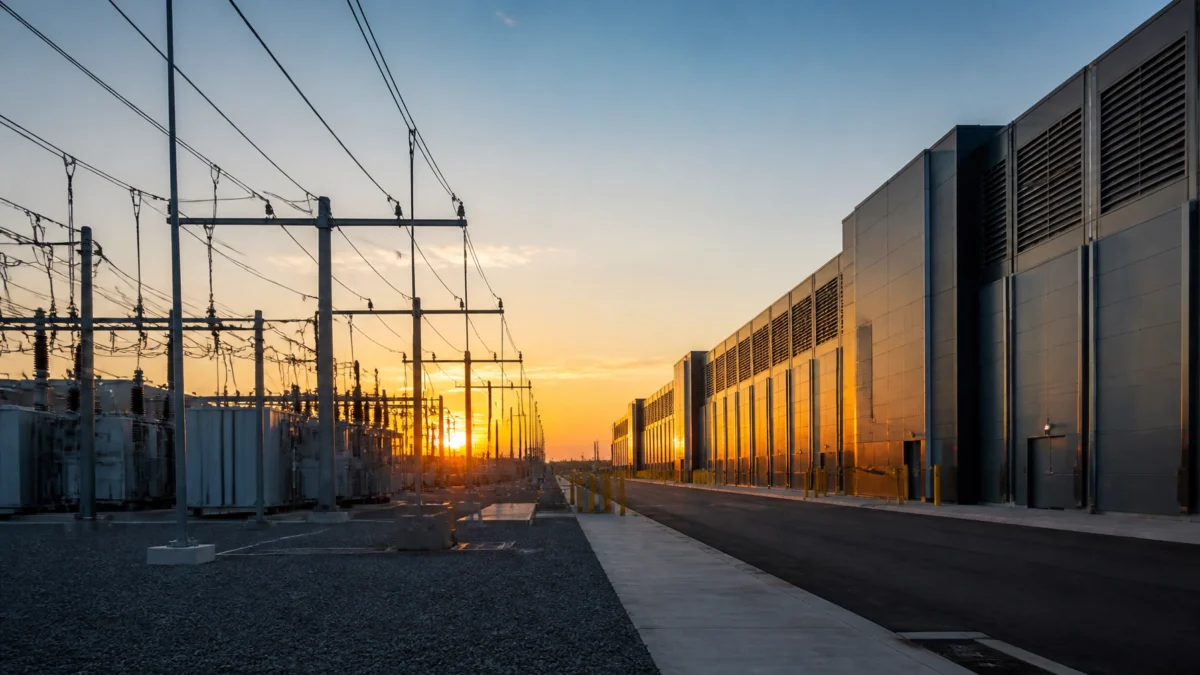
Another critical component of the reform is the focus on co-located generation and behind-the-meter resources. Many modern data centers are being built alongside on-site power sources, such as small modular reactors (SMRs) or large-scale battery storage systems. FERC’s orders require grid operators to clarify how these co-located resources interact with the broader transmission system. This allows for more efficient use of power that is generated and consumed in the same location, further reducing the strain on the national grid.
As reported in recent issues of SHALE Magazine, the integration of advanced energy technologies is no longer a distant prospect but a current necessity. The 2026 show-cause orders represent a shift toward a more dynamic and responsive energy market. By focusing on electrically proximate generation and requiring rigorous reliability studies, the DOE and FERC are ensuring that the grid of the future is as resilient as it is capable.

The implementation of these reforms will occur over an ambitious timeline. Grid operators are required to submit informational reports within 30 days and propose specific tariff revisions within 60 days. This rapid pace reflects the urgency of the energy transition and the critical role that large-load users play in the modern economy. Through Large load interconnection reform, the Department of Energy is setting the stage for a new era of American industrial leadership, built on a foundation of secure, affordable, and rapidly deployable power.
Keep In Touch with Shale Magazine
As the new era of energy unfolds, you can bet we’ll be the boots on the ground to keep you informed. Subscribe to Shale Magazine for sharp insight into the arenas that matter most to your life. And don’t forget to listen to our riveting podcast, The Energy Mixx Radio Show, where our very own Kym Bolado interviews the most extraordinary thought leaders, business innovators, and industry experts of our time.
Subscribe to get more posts from Amanda Jenkins