
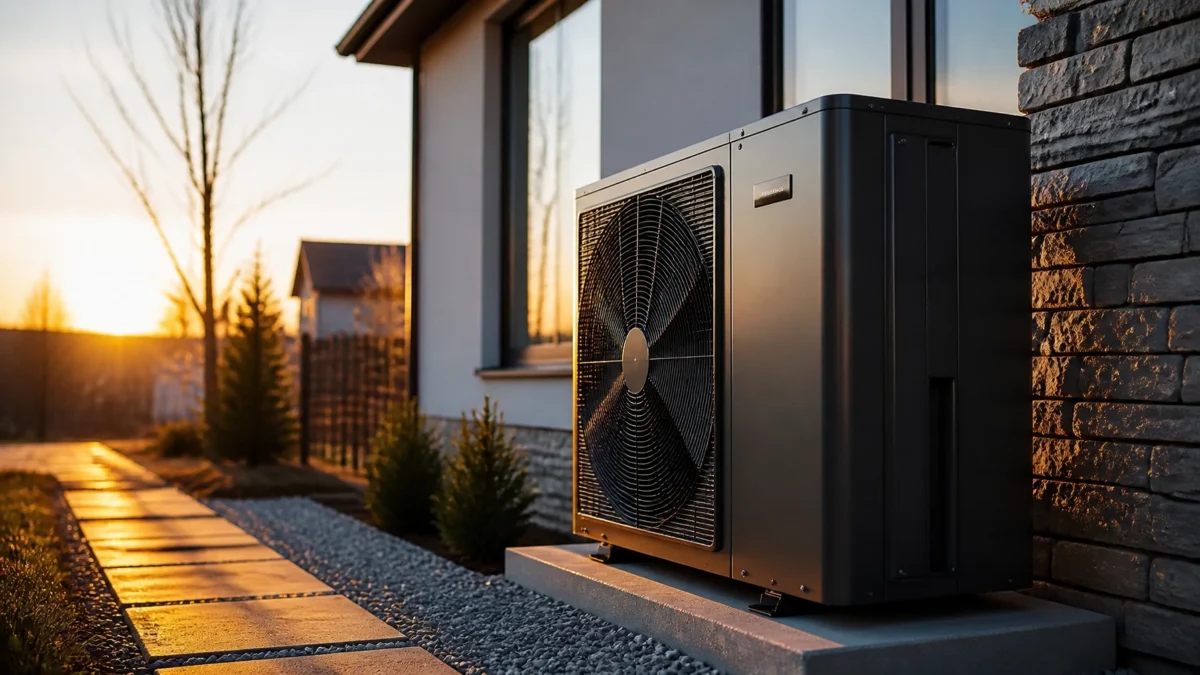
DOE heat pump rebates have long been positioned as the primary financial catalyst for the American residential energy transition. For the past several years, homeowners and industry professionals alike anticipated that the $8.8 billion allocated under the Inflation Reduction Act would provide a direct bridge for households moving from fossil fuels to high-efficiency electric systems. However, a significant policy shift issued on June 1, 2026, has fundamentally altered the landscape of these programs. The Department of Energy has released updated guidance that effectively eliminates federal rebates for fuel switching, meaning that homeowners currently utilizing natural gas, heating oil, or propane may no longer be eligible for these specific incentives when converting to electric heat pumps.
This development marks a pivot in how the federal government approaches residential decarbonization and grid management. While the initial promise of the HOMES and HEEHR programs was focused on broad electrification, the new regulatory framework prioritizes efficiency within existing electric footprints and mandates a rigorous weatherization-first approach. For stakeholders in the energy economy, from HVAC contractors to financial analysts, understanding these new limitations is critical for navigating the residential sector’s evolving role in the broader energy spectrum.
Understanding new DOE heat pump rebates limitations
The June 2026 guidance targets the two primary pillars of the federal rebate strategy: the Home Owner Managing Energy Savings (HOMES) program and the High-Efficiency Electric Home Rebate (HEEHR) program. Together, these initiatives represent a massive injection of capital intended to modernize American domestic energy consumption. Yet, the updated rules clarify that the DOE is ending program allowances for switching from gas appliances to electric alternatives. Instead, the focus has shifted toward upgrading existing electric equipment to more efficient models.
This change comes at a time when the energy sector is grappling with the complexities of grid reliability and the sudden surge in demand driven by electrification and artificial intelligence infrastructure. By limiting the scope of DOE heat pump rebates, the administration appears to be acknowledging the practical challenges of a rapid, large-scale transition away from the existing natural gas distribution network. According to data from the Energy Information Administration, residential natural gas consumption remains a cornerstone of winter energy reliability in the Northeast and Midwest. A total abandonment of this infrastructure through federally subsidized fuel switching could place unforeseen strain on regional power grids that are already transitioning their baseload generation.
For many homeowners, this means that if their current primary heating source is a gas furnace, they will not be able to access the up to $14,000 in HEEHR point-of-sale rebates to facilitate an electric conversion. The rebates are now strictly reserved for those already on the electric grid for heating, such as those replacing older baseboard heaters or less efficient, first-generation electric heat pumps.

Impact of fuel switching exclusions on DOE heat pump rebates
The exclusion of fossil-fuel switching from the federal rebate pool creates a distinct divide in the residential market. Policy makers and industry experts, including those frequently featured in SHALE Magazine, have noted that this move could slow the pace of heat pump adoption among the very demographic that was expected to drive the most significant carbon reductions. When the HOMES program was first conceptualized, the narrative was centered on helping low-to-moderate income households move away from volatile heating oil and natural gas prices. Under the 2026 guidance, those households must now look toward separate federal tax credits or specific state-level programs that may still permit fuel switching.
It is important to distinguish between these DOE-administered rebates and the Energy Efficient Home Improvement Credit. While the $8.8 billion rebate fund is now restricted, the 30 percent federal tax credit for heat pumps remains available for most taxpayers, regardless of their current fuel source. However, the loss of the direct, point-of-sale rebate significantly increases the upfront cost for consumers. This creates a hurdle for the mass-market adoption of heat pump technology in regions where natural gas is currently the most economical and prevalent choice for space heating.
Furthermore, the new guidance allows for dual-fuel setups but does not subsidize the transition to them through these specific funds. Homeowners are permitted to keep their existing fossil-fuel systems as backup for extreme cold events, a strategy often recommended for maintaining grid stability during peak winter loads. However, the federal rebate will not apply to the new electric component if the primary system being supplemented is fossil-fuel based. This nuanced approach highlights a growing trend in energy policy that values incremental efficiency gains over total system replacement.

Pre-installation requirements for DOE heat pump rebates eligibility
Beyond the fuel switching restrictions, the DOE has introduced a weatherization-first mandate that adds a layer of complexity to the application process. Before a homeowner can qualify for DOE heat pump rebates for heating or cooling equipment, state energy offices must now verify that the residence has undergone significant energy efficiency improvements, specifically in insulation and air sealing. The rationale behind this requirement is to ensure that new, high-efficiency equipment is not being installed in drafty, inefficient buildings where its performance would be compromised.
This sequencing requirement means that the path to a heat pump rebate now likely begins in the attic or the crawlspace rather than at the HVAC showroom. For the energy services industry, this shift creates a surge in demand for weatherization contractors and energy auditors. Projects must be coordinated so that insulation upgrades are completed and documented before the appliance installation occurs. While this holistic approach ensures long-term energy savings and reduces the overall load on the power grid, it also increases the administrative burden on states and the duration of individual home improvement projects.
States have until August 29, 2026, to bring their program designs into compliance with these new federal rules. This tight deadline means that many states that were in the early phases of launching their rebate portals will have to pause and recalibrate their eligibility criteria. Industry professionals should prepare for a transition period where previous marketing materials and consumer expectations regarding gas-to-electric conversions will need to be corrected to reflect the current reality of federal funding.
Broader implications for the energy economy
The shift in DOE heat pump rebates policy reflects a broader analytical trend within the energy sector: the recognition that the transition must be managed with an eye toward infrastructure limitations and economic reality. At Energy Network Media Group, we have consistently analyzed how policy shifts at the federal level ripple through the entire energy value chain, from production to the end-user. By focusing on efficiency rather than forced electrification, the DOE is arguably taking a more conservative approach to residential load growth.
This move may also be seen as a way to preserve the utility of existing natural gas infrastructure while still promoting high-efficiency technology where it makes the most sense. For the financial analysts and decision-makers who follow SHALE News, this policy update serves as a reminder that the energy transition is rarely a straight line. It is a complex negotiation between environmental goals, grid reliability, and the economic constraints of the average American household.
As we look toward the remainder of 2026, the focus will likely turn to how individual states fill the gap left by the federal withdrawal from fuel-switching incentives. Some states may choose to use their own budgets to continue supporting gas-to-electric conversions, while others will follow the federal lead, focusing entirely on weatherization and electric-to-electric upgrades. Regardless of the regional variations, the core narrative remains clear: the era of “easy” federal money for switching off the gas grid has reached a significant inflection point.

The residential energy landscape is being reshaped by these subtle but powerful regulatory shifts. Stakeholders must stay informed on these updates to provide accurate guidance to consumers and to adjust business strategies in a market where the rules of engagement are constantly being rewritten by the Department of Energy and other federal agencies.
Keep In Touch with Shale Magazine
As the new era of energy unfolds, you can bet we’ll be the boots on the ground to keep you informed. Subscribe to Shale Magazine for sharp insight into the arenas that matter most to your life. And don’t forget to listen to our riveting podcast, The Energy Mixx Radio Show, where our very own Kym Bolado interviews the most extraordinary thought leaders, business innovators, and industry experts of our time.