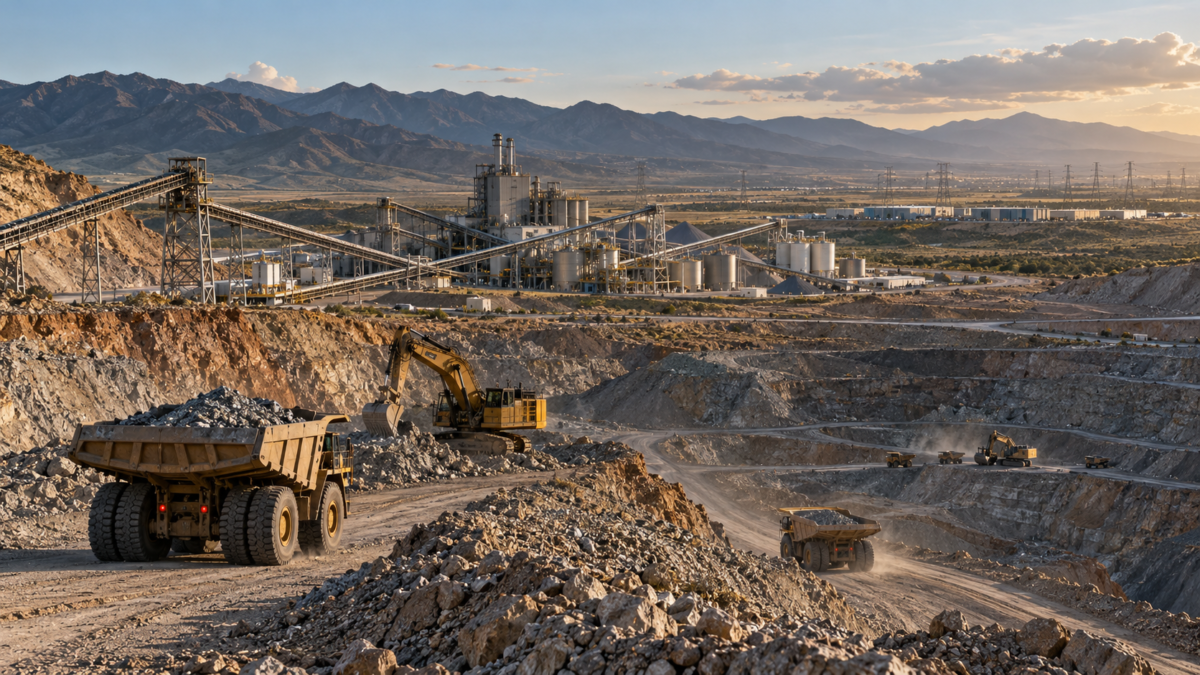
The landscape of American resource extraction is undergoing a profound transformation as the federal government seeks to harmonize technological advancement with industrial safety. On July 21, 2026, the U.S. Department of Energy (DOE) and the U.S. Department of Labor (DOL) formalized a comprehensive strategy to modernize the nation’s extractive industries. This new domestic mining innovation pact establishes a five-year framework designed to accelerate the integration of artificial intelligence, automation, and advanced sensors throughout the mining sector, ensuring that the United States remains competitive in the global race for critical minerals.
By bridging the gap between energy policy and labor oversight, the memorandum of understanding (MOU) addresses a dual challenge: the urgent need for a resilient domestic supply chain and the ongoing commitment to protecting the American workforce. As global demand for rare earth elements and strategic minerals intensifies, this interagency collaboration signals a pivot toward high-tech, high-efficiency operations that can withstand the pressures of a shifting energy economy.
The Strategic Alignment of the Domestic Mining Innovation Pact
The collaboration between the DOE and DOL is not merely a bureaucratic gesture; it is a calculated response to the vulnerabilities identified in the global energy supply chain. The DOE’s Hydrocarbons and Geothermal Energy Office (HGEO) and the Office of Critical Minerals and Energy Innovation (CMEI) are joining forces with the DOL’s Mine Safety and Health Administration (MSHA) to synchronize their research and regulatory efforts. This alignment ensures that as the DOE funds the development of next-generation extraction tools, the DOL provides the necessary safety benchmarks to implement them in the field.
According to Secretary of Energy Chris Wright, the partnership represents a synergy of technical prowess and regulatory leadership. By pairing the Energy Department’s technical expertise with the Labor Department’s leadership on mine safety, we can support American miners and secure domestic supply chains. This sentiment is echoed by acting Labor Secretary Keith Sonderling, who noted that the MOU serves to restore coal and other mineral resources as key drivers of the American energy supply chain, fulfilling a broader administrative promise to revitalize traditional industrial hubs.
This strategic alignment also leverages the National Energy Technology Laboratory’s (NETL) Coal Center of Excellence. By utilizing NETL’s specialized facilities, the agencies plan to create a testing ground for technologies that were previously confined to academic or small-scale laboratory settings. The goal is to move these innovations into commercial-scale mining operations, reducing the time it takes for a technological breakthrough to reach the production floor.

AI and Automation within the Domestic Mining Innovation Pact
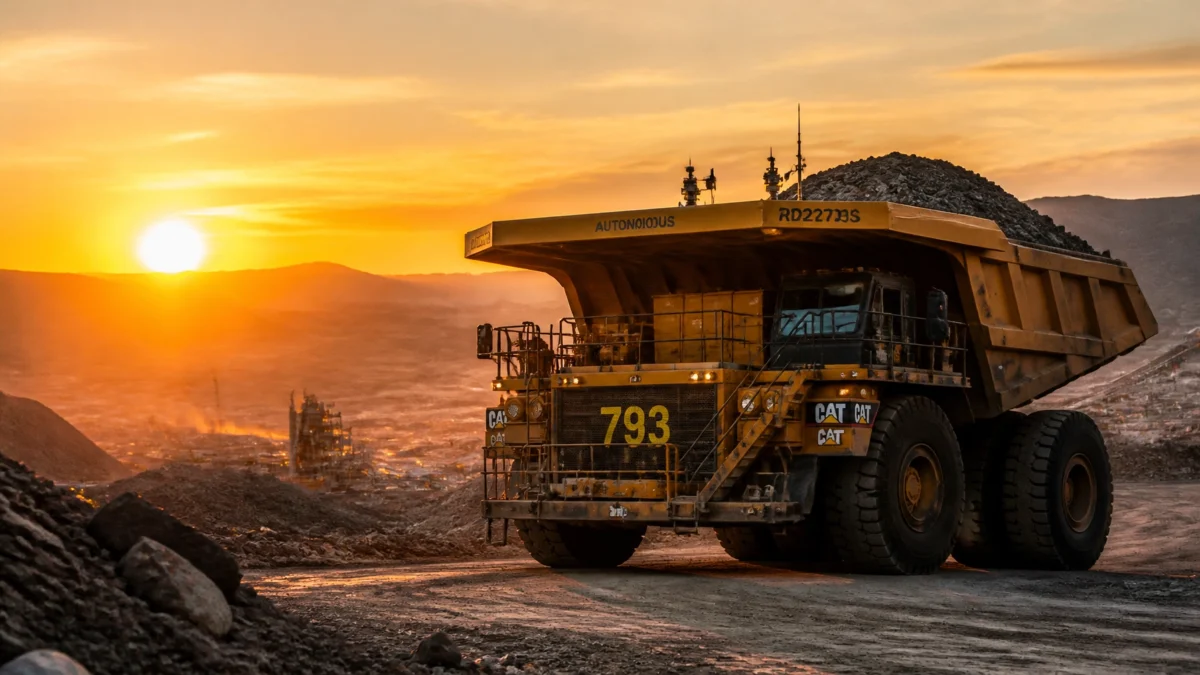
Artificial intelligence and automation are the cornerstones of this five-year roadmap. The pact prioritizes joint research and development into autonomous hauling systems, robotic drilling, and AI-driven geological mapping. For the modern mining engineer, these tools represent a shift from reactive to predictive operations. AI algorithms can now analyze vast quantities of seismic and geological data to pinpoint mineral deposits with unprecedented accuracy, minimizing the environmental footprint and capital risk associated with exploratory drilling.
The integration of automation also addresses the economic viability of domestic mining. By reducing operational costs through machine-learning-driven efficiency, U.S. mining companies can better compete with international markets that often benefit from lower labor standards and environmental oversight. The use of autonomous vehicles and remote-controlled machinery allows for operations in environments that were previously considered too hazardous or economically unfeasible for human presence.
Furthermore, the pact emphasizes the importance of data sharing. The DOE and DOL intend to share non-proprietary data sets to foster an ecosystem of innovation among private sector technology providers. This open-channel approach is expected to catalyze a new wave of American startups focused on mining software and hardware, further solidifying the nation’s lead in industrial technology. As the industry looks toward future energy needs, including the expansion of nuclear capacity, as seen in recent developments like the NRC recommendations for the BWRX-300 construction, the reliability of the mineral supply chain becomes even more critical.

Enhancing Safety Through Advanced Sensor Technology
While productivity is a primary driver, the domestic mining innovation pact places an equal emphasis on worker health and safety. The MSHA’s involvement ensures that the deployment of advanced sensors is targeted at hazard detection and emergency response. New sensor arrays are being developed to monitor air quality, structural integrity of mine shafts, and the proximity of personnel to heavy machinery in real-time.
These advanced sensors can detect trace amounts of hazardous gases or subtle shifts in rock formations long before they become a threat to human life. By integrating these sensors with AI-powered communication networks, mining companies can implement automated emergency protocols, such as immediate ventilation adjustments or the evacuation of specific zones. This proactive approach to safety is expected to significantly reduce the frequency of workplace accidents and long-term health complications associated with traditional mining.
The focus on safety also extends to the digitization of legacy mining data. Many existing mines operate on historical records that may lack the precision required for modern safety standards. By digitizing these records and applying modern topographical modeling, the DOE and DOL aim to create a clearer picture of domestic mineral resources, particularly on federally managed lands. This improved characterization of resources allows for safer planning and more responsible extraction.

Workforce Development and Data Modernization
The transition to a technology-driven mining sector necessitates a parallel evolution in the workforce. The domestic mining innovation pact includes specific provisions for identifying future workforce needs and supporting the training programs required to meet them. As the industry shifts from manual labor to technical oversight, miners will need new skill sets in data analysis, robotics maintenance, and remote systems operation.
Educational programs supported by the DOE and DOL will focus on bridging the digital divide in traditional mining communities. By providing access to specialized training, the government aims to ensure that the technological leap forward does not leave the existing workforce behind. Instead, the goal is to empower miners to operate safely and effectively in automated environments, where their roles shift from physical exertion to high-level system management.
This focus on human capital is essential for maintaining the growth of the sector. Industry leaders and policymakers often convene at events like those hosted by SHALE Magazine to discuss how to balance these technological shifts with community stability. The modernization of the mining sector is not just about machines; it is about creating a sustainable economic engine that provides high-quality, high-tech jobs for the next generation of American workers.

The Path Forward for American Resources
The five-year MOU between the DOE and DOL represents a significant milestone in the national effort to secure a domestic supply of critical minerals. By focusing on AI, automation, and advanced sensors, the federal government is laying the groundwork for a mining industry that is safer, more efficient, and more resilient than ever before. This initiative aligns with broader efforts to reduce reliance on foreign entities for the materials essential to the modern energy economy, from high-capacity batteries to advanced electronics.
As the United States continues to navigate the complexities of global energy markets: exemplified by shifts in LNG exports to Asia: the ability to source and process minerals domestically will remain a cornerstone of national security and economic independence. The domestic mining innovation pact is a clear signal that the future of American mining is not found in the past, but in the intelligent integration of technology and human expertise.
Through continued collaboration and investment in R&D, the DOE and DOL are ensuring that American mines will lead the way in the global energy transition, providing the raw materials needed for a cleaner, more secure future while upholding the highest standards of safety for the men and women who power our nation.
Keep In Touch with Shale Magazine
As the new era of energy unfolds, you can bet we’ll be the boots on the ground to keep you informed. Subscribe to Shale Magazine for sharp insight into the arenas that matter most to your life. And don’t forget to listen to our riveting podcast, The Energy Mixx Radio Show, where our very own Kym Bolado interviews the most extraordinary thought leaders, business innovators, and industry experts of our time.
Subscribe to get more posts from Amanda Jenkins