ENMG Analysis
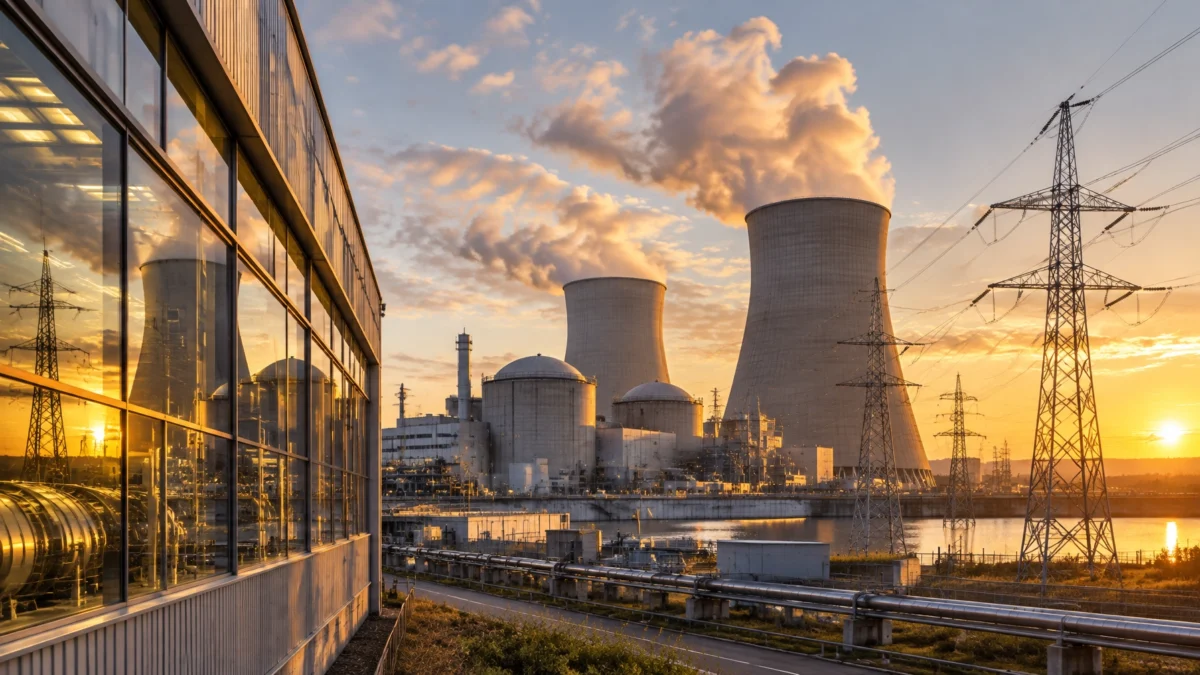
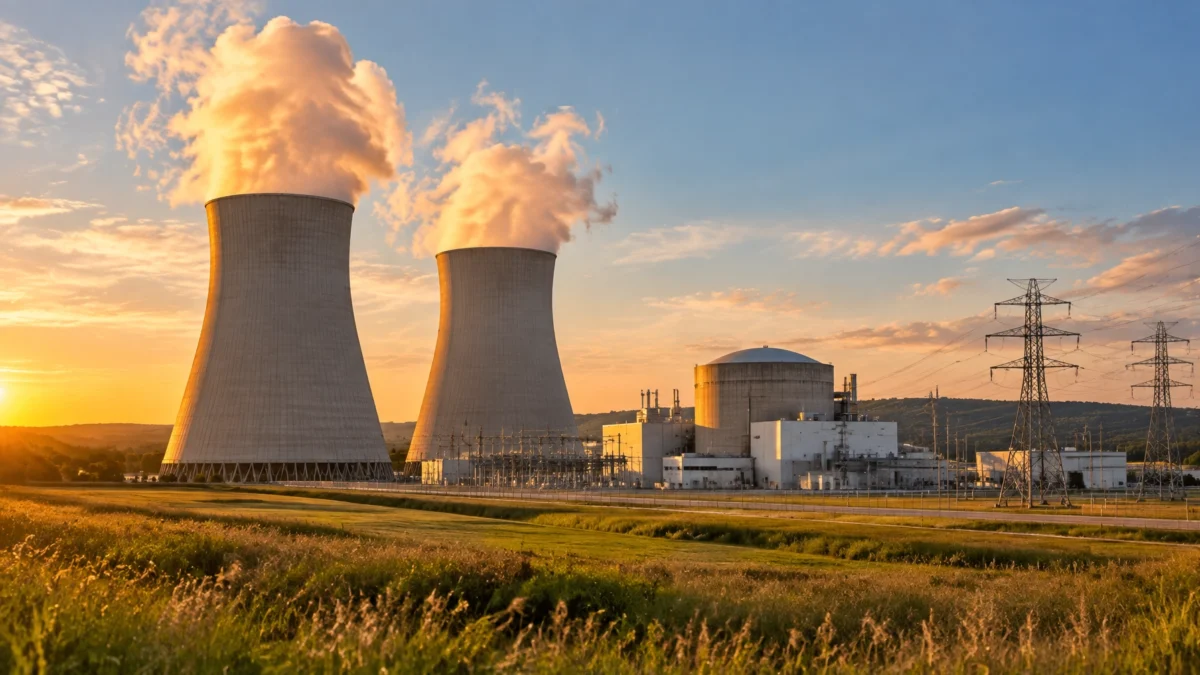
The U.S. Department of Energy’s Office of Energy Dominance Financing announced a conditional loan commitment of up to $4.2 billion for Vistra Corp.’s nuclear uprate and modernization program at Beaver Valley in Pennsylvania and Davis-Besse and Perry in Ohio. The three facilities are located within the PJM Interconnection footprint, where electricity demand and reliability requirements are being shaped by industrial growth, data centers and the retirement or replacement of existing generation.
The financing is not money already lent or spent. As DOE announced, Vistra must satisfy technical, legal, environmental and financial conditions before the department enters into definitive financing documents and funds the loan. The announcement therefore establishes an intent to provide financing, not a completed transaction or a guarantee that every contemplated project will proceed.
DOE says the program would preserve nearly 4 GW of existing nuclear capacity and add 433 MW of new nuclear capacity. Those figures describe different outcomes. The nearly 4 GW represents generation that could remain available through continued operation and modernization. The 433 MW represents additional capacity from uprates. The figures should not be combined as though the program creates nearly 4.4 GW of new generation.
What a nuclear uprate involves
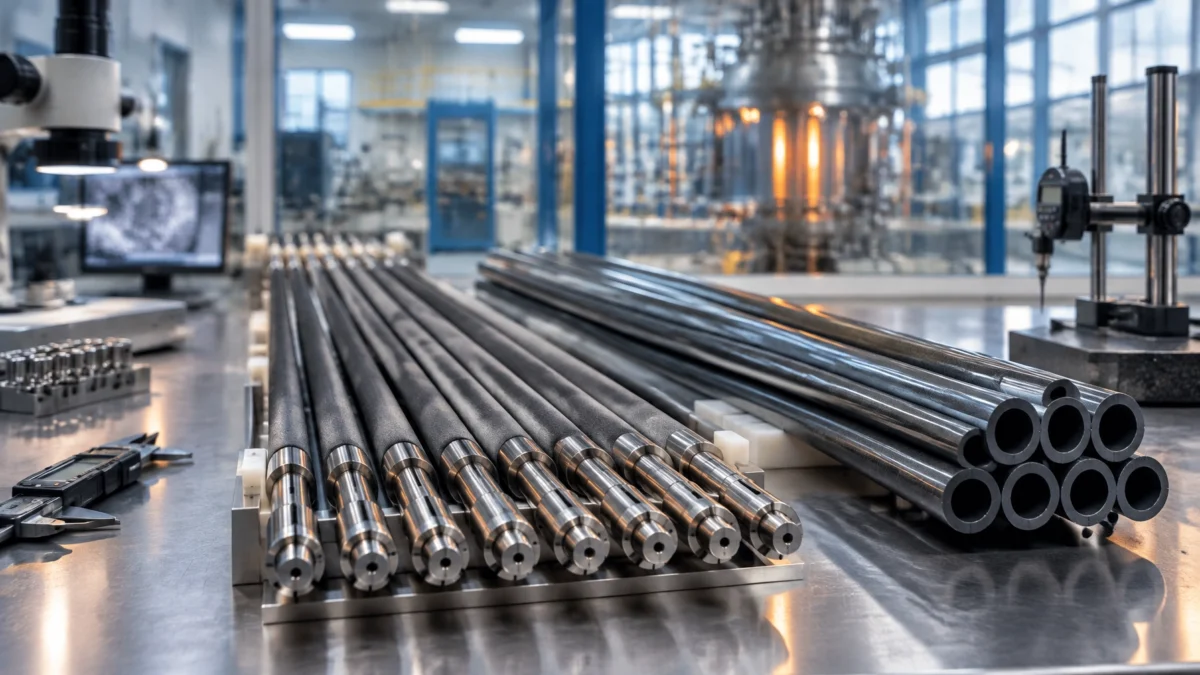
A nuclear uprate is an NRC-approved increase in the maximum licensed thermal-power level at which a commercial reactor may operate. That increase can allow the plant to produce additional steam and electrical output, subject to the capabilities of its generating equipment. It is not the construction of a new reactor. Depending on the type and size of the uprate, the work may involve more precise reactor-power measurements, instrumentation changes or modifications to pumps, pipes, valves, heat exchangers, turbines, generators, transformers and other plant systems. The operator must also confirm that safety analyses, cooling systems, electrical equipment and other plant margins remain adequate at the higher power level.
The output increase may come from a combination of equipment improvements, more precise measurement systems and changes to operating limits. The exact work varies by reactor design and by how much additional power the operator seeks.
The units used to describe the project also matter. MW measures capacity, or the rate at which a plant can produce electricity. MWh measures the amount of electricity produced over time. The 433 MW figure refers to capacity, not to a fixed quantity of electricity. Actual MWh production will depend on operating hours, maintenance outages, market conditions and the plant’s capacity factor.
An uprate also requires regulatory approval. Vistra must submit the appropriate license amendment requests to the Nuclear Regulatory Commission, and the NRC must approve the changes before a reactor can operate at the higher power level. A conditional DOE loan commitment does not authorize an uprate, replace NRC review or permit the plants to exceed their existing licensed power.
How the Vistra nuclear uprates would be financed
The DOE program covers Vistra’s Beaver Valley plant in Pennsylvania and its Davis-Besse and Perry plants in Ohio. DOE says the investments are intended to support operation for an additional 20 years beyond the plants’ existing licenses. Those additional operating periods would require subsequent NRC license renewals and are not authorized by the DOE financing commitment.
That objective includes more than reactor power. Continued operation requires a long-term program of maintenance, equipment replacement, safety analysis, workforce planning and regulatory compliance. Modernization spending can improve the economic case for keeping an existing plant online, but it does not eliminate the need for future license approvals or plant-specific technical work.
The financing also includes an option for potential future uprates at Vistra’s Comanche Peak plant in Texas. The option is not the same as a funded commitment for a completed Comanche Peak project. Its value will depend on future technical evaluations, licensing work, commercial arrangements and the conditions attached to any definitive financing documents.
The structure fits within a broader federal effort to use credit support for existing nuclear assets. The Office of Energy Dominance Financing’s more than $289 billion in available loan authority illustrates the scale of authority being positioned for nuclear infrastructure, transmission and other firm-power projects. Available loan authority is not the same as committed capital, disbursed funds or completed investment.
Why existing sites have an interconnection advantage
Increasing output at an existing nuclear site can offer an important timeline and economic advantage compared with developing a new generating station. The plants already have a connection to the bulk power system, established operating infrastructure, a trained workforce and an industrial site with years of regulatory and operational history.
A greenfield generator may need to secure an interconnection position, complete grid studies, obtain permits, build new substations or transmission corridors and coordinate construction across multiple jurisdictions. An uprate can avoid some of those requirements because it uses an existing facility and connection.
That advantage is real but not absolute. Higher output can create limits involving transformers, switchyards, cooling systems, turbine equipment and transmission deliverability. Grid operators may still require studies, upgrades and operating restrictions. The NRC must also review the safety implications of the higher power level, while environmental and historic-preservation requirements may apply to construction work associated with the project.
World Nuclear News reported that the program is connected to Vistra’s plans to add capacity at the three PJM plants and that the potential Comanche Peak work is included as an option. Vistra’s announcement confirms that the 433 MW uprate program is tied to its 20-year power purchase agreements with Meta.

Commercial demand is part of the equation
Vistra’s nuclear strategy is also supported by long-term power purchase agreements. Amazon Web Services signed a 20-year PPA for up to 1,200 MW from Comanche Peak. Meta signed 20-year agreements covering 2,176 MW of existing nuclear energy and capacity from Perry and Davis-Besse, plus 433 MW of incremental uprate energy and capacity from Perry, Davis-Besse and Beaver Valley. The agreements cover 2,609 MW in total.
These agreements provide a commercial framework for selling both existing and potential future output. They do not, by themselves, complete the NRC licensing process or guarantee that the uprates will be delivered on a particular schedule.
Vistra expects capital spending on the projects to continue through 2034, with less than 20% of the aggregate spending projected to occur by the end of 2028. The company expects a portion of the uprate capacity to begin delivery by 2031 and full delivery by the end of 2034.. He also described an opportunity to contract up to an additional 3.2 GW of nuclear capacity across Beaver Valley and Comanche Peak, including potential upgrades of approximately 200 MW at Comanche Peak. Comanche Peak’s operating licenses were extended in 2024 for an additional 20 years.
POWER Magazine reported that Vistra’s earlier plans contemplated a sequence of uprate applications and equipment changes at the three PJM plants. Those plans are relevant to understanding the potential scope of the work, but the DOE announcement does not establish a final construction schedule, final loan amount drawn, NRC amendment timelines or confirmation that every planned uprate will proceed.
Who benefits and what remains uncertain
The immediate potential beneficiaries include Vistra, which could obtain federal credit support for capital-intensive modernization; PJM, which could retain firm nuclear capacity; and corporate power purchasers seeking long-term supplies with defined generation characteristics. DOE estimates approximately 3,000 project-related jobs in engineering, construction and planned outage work, in addition to preserving thousands of permanent jobs associated with the facilities.
The broader reliability case is also significant. Retaining an existing nuclear plant can reduce the need to replace its capacity quickly with a combination of new gas generation, renewable resources, battery storage or transmission. It does not remove the need for those technologies. PJM will continue to need a portfolio that can manage peak demand, fuel supply risks, weather variability, transmission constraints and the timing of new industrial loads.
The commitment also carries limitations. Financing conditions may not be satisfied on the expected timetable. Equipment procurement, outage coordination, NRC reviews and license-renewal decisions can affect project costs and timing. The plants may need to balance modernization outages against the commercial value of continued operation. The terms of the final financing documents will determine how federal credit support is structured and what risks remain with the borrower or other parties.
The policy context is the administration’s Executive Order titled “Reinvigorating the Nuclear Industrial Base.” Secretary of Energy Chris Wright said, “President Trump promised to unleash an American nuclear renaissance, and the Energy Department is delivering.” He added that increasing output from existing plants could provide “more affordable, reliable, around-the-clock energy” for households and businesses.
Those statements describe the administration’s policy objective. Whether the program lowers costs for individual customers will depend on financing terms, plant performance, market prices, contract structures and how PJM’s capacity and energy markets allocate costs and benefits.

What to watch next
The next milestones are more specific than the announcement’s headline figure:
- DOE and Vistra must complete the technical, legal, environmental and financial conditions attached to the conditional commitment.
- The department must execute definitive financing documents before any loan funds are disbursed.
- Vistra must submit and obtain NRC approval for the applicable license amendments.
- Plant-specific equipment procurement, construction and planned outage schedules will determine when additional capacity could become available.
- License-renewal activity will influence how long the plants can earn revenue from the modernized assets.
- PJM interconnection studies will help determine whether substation, transformer or other grid upgrades are required.
- The Comanche Peak option may advance only if Vistra, DOE and other relevant parties establish a viable technical and commercial path.
The program arrives as PJM manages growing reliability pressure and large new electricity loads. ENMG’s reporting on the DOE’s emergency grid orders in PJM and large-load interconnection reform at FERC provides additional context for the regional policy debate.
The financing decision is therefore best understood as a conditional step toward extending and increasing output from existing nuclear assets, not as a completed $4.2 billion investment and not as 4 GW of new capacity. The distinction between preserved capacity and added capacity, and between federal lending authority and disbursed funds, will remain central as the projects move through financing, licensing and construction review.

Keep In Touch with Shale Magazine
As the new era of energy unfolds, you can bet we’ll be the boots on the ground to keep you informed. Subscribe to Shale Magazine for sharp insight into the arenas that matter most to your life. And don’t forget to listen to our riveting podcast, The Energy Mixx Radio Show, where our very own Kym Bolado interviews the most extraordinary thought leaders, business innovators, and industry experts of our time.