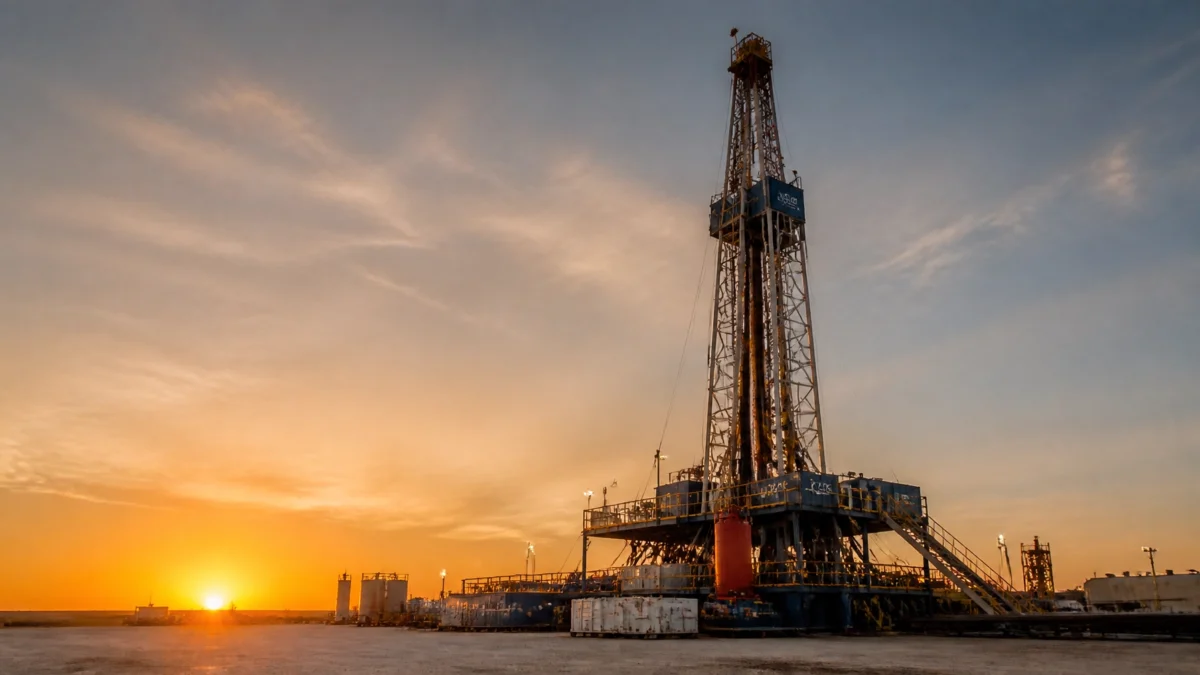
US oil output records reached a historic milestone in April 2026 as domestic crude production surged to 13.93 million barrels per day (bpd), according to the latest data from the Energy Information Administration (EIA). This unprecedented volume represents the highest monthly production level in the history of the United States, surpassing previous forecasts and solidifying the nation’s position as a dominant force in global energy markets. The surge was primarily fueled by intensive activity within the Permian Basin, where operators in Texas and New Mexico accelerated drilling and completion activities in response to a significant tightening of global supplies.
The record-breaking performance in April reflects a production increase of approximately 216,000 bpd compared to March 2026. This upward trajectory materialized as the global energy landscape grappled with extreme volatility, largely driven by the ongoing Iran conflict and resulting disruptions in the Strait of Hormuz. As Middle Eastern exports faced severe restrictions, international crude prices spiked, briefly nearing the $120 per barrel mark. US producers, particularly those operating in the shale-rich regions of the Southwest, responded to these market signals with remarkable agility, pushing output to levels that exceeded the EIA’s earlier annual projections for the year.
Permian Basin growth drives US oil output records
The geographical engine behind this historic production peak is the Permian Basin, a sprawling energy corridor spanning West Texas and Southeast New Mexico. According to EIA figures reported via Reuters, the state of New Mexico achieved an all-time production high of 2.37 million bpd in April. Simultaneously, Texas saw its crude output rise to 5.83 million bpd, marking its highest production level since late 2023. Together, these two states account for nearly 60% of the total crude produced in the lower 48 states, underscoring the strategic importance of the Permian in maintaining national energy security.

Beyond the Permian, other key shale plays also contributed to the national record. North Dakota’s Bakken region saw production climb to 1.13 million bpd, its highest level in several years. The synchronized growth across these basins highlights a broader trend of operational efficiency. Modern drilling techniques, including longer lateral wells and enhanced fracking fluids, have allowed companies to extract more barrels per rig than ever before. This efficiency gain is a critical component of why the US has been able to maintain such high output levels even as the total rig count has shown signs of stabilization rather than explosive growth.
Market dynamics following the Iran conflict price surge
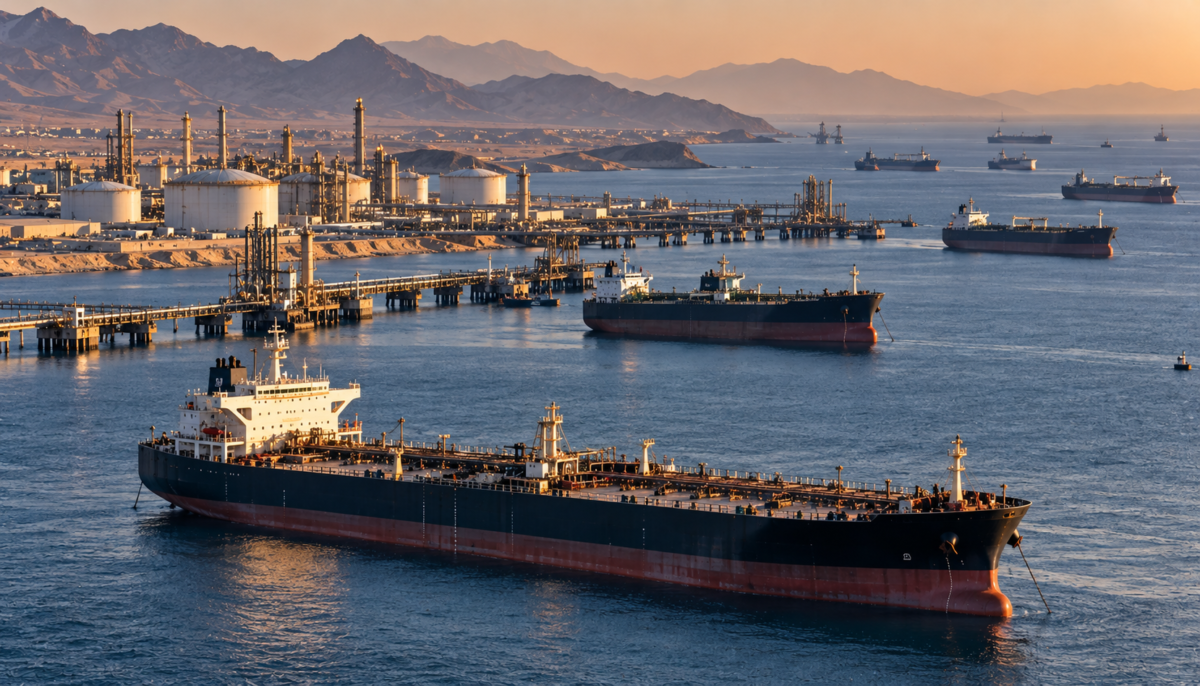
The primary catalyst for this production spike was the geopolitical instability in the Persian Gulf. The effective closure of the Strait of Hormuz during the height of the Iran conflict removed millions of barrels of oil from the global market daily. S&P Global analysts noted that the resulting supply gap forced refinery complexes in Europe and Asia to look toward the Western Hemisphere for reliable alternatives. Consequently, the US was not only producing record amounts of crude but also exporting record volumes to meet the sudden shortfall in global supply.
The impact of these high prices: averaging well above $100 per barrel for much of the spring: provided the necessary capital for independent and major operators to reinvest in their Permian assets. While many companies have maintained a strategy of capital discipline and shareholder returns, the “wartime” pricing environment made it economically viable to bring back online older wells and accelerate the completion of drilled-but-uncompleted (DUC) inventories. This rapid response capability is a hallmark of the American shale industry, which acts as a global “swing producer” capable of adding significant volume to the market faster than conventional offshore or OPEC+ projects.
Future production trends and US oil output records forecast
Despite the record set in April, the EIA suggests that the full-year average for 2026 may settle slightly lower than the April peak. Current EIA Short-Term Energy Outlook (STEO) reports forecast that US crude oil production will average 13.5 million bpd for the entirety of 2026. This projection takes into account the potential for a slowing of growth in the latter half of the year as global tensions potentially ease and prices stabilize. Furthermore, some analysts at Reuters have pointed to a declining rig count in certain sectors of the Permian as a signal that the most prolific “tier-one” acreage is being heavily utilized.
| Region | April 2026 Output (Million bpd) | Change from Previous Month |
|---|---|---|
| United States (Total) | 13.93 | +0.216 |
| Texas | 5.83 | +0.120 |
| New Mexico | 2.37 | +0.065 |
| North Dakota | 1.13 | +0.030 |
| Other States | 4.60 | +0.001 |
The sustainability of these production levels will depend largely on the balance between technological innovation and the natural depletion of existing wells. The industry is currently exploring the integration of AI-driven reservoir modeling and automated drilling systems to extend the life of mature fields. As discussed in recent expert analysis on the integration of AI in infrastructure, the ability to optimize every stage of the energy value chain is becoming as important as the extraction process itself.
Maintaining the global lead in energy exports
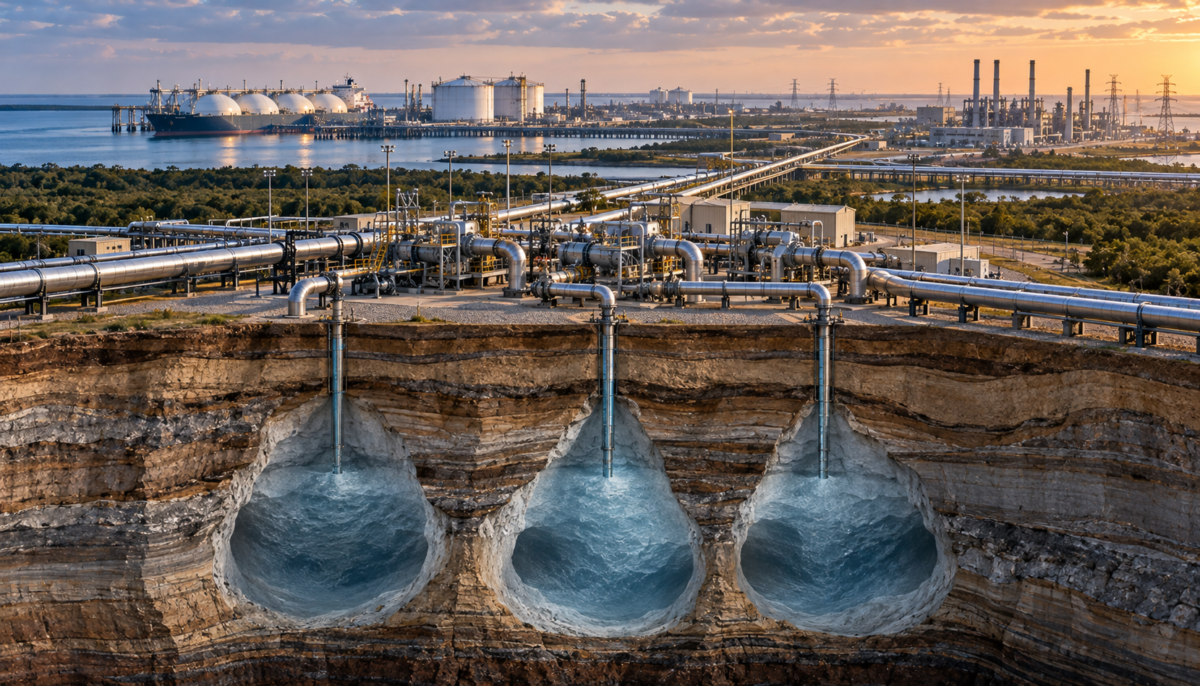
As US oil output records continue to climb, the nation has solidified its status as the world’s top exporter of total petroleum products. This shift has profound implications for global energy geopolitics. With a robust midstream infrastructure: including massive pipeline networks leading to export terminals in Corpus Christi and Houston: the US is now the primary guarantor of supply for many nations seeking to reduce their dependence on Middle Eastern or Russian hydrocarbons.
However, this growth is not without its regulatory and logistical challenges. The Department of Energy and the Department of the Interior are continuously evaluating the balance between record-setting production and environmental mandates. Issues such as methane emissions and water management in the Permian remain central to policy discussions in Washington. Industry leaders, such as those featured in SHALE Magazine’s policy reviews, emphasize that maintaining this record-breaking pace will require a stable regulatory environment that encourages long-term investment in both production and export capacity.
The April 2026 data serves as a reminder of the resilience of the American energy sector. While the Iran conflict provided the immediate price incentive, the underlying strength of the US shale revolution: driven by private enterprise and technological breakthroughs: is what allowed for such a massive supply response. As the market moves toward the second half of the year, all eyes will remain on the Permian Basin to see if the region can continue to defy gravity and push the boundaries of domestic energy production.
Keep In Touch with Shale Magazine
As the new era of energy unfolds, you can bet we’ll be the boots on the ground to keep you informed. Subscribe to Shale Magazine for sharp insight into the arenas that matter most to your life. And don’t forget to listen to our riveting podcast, The Energy Mixx Radio Show, where our very own Kym Bolado interviews the most extraordinary thought leaders, business innovators, and industry experts of our time.
Subscribe to get more posts from Amanda Jenkins