Strait of Hormuz reopening is the phrase currently dominating every trading floor and energy boardroom across the globe. After months of a de facto blockade and escalating maritime tensions that saw Brent crude spike well above the hundred dollar mark, a fragile 60-day technical window has finally been established. This diplomatic breakthrough, while precarious, allows for the immediate resumption of tanker traffic through one of the world’s most critical energy chokepoints. As the first wave of stranded vessels begins to move, the industry is closely watching whether this temporary framework can transition into a durable settlement or if it is merely a brief reprieve in a longer cycle of volatility.
The current situation remains delicate because the agreement is structured as a technical negotiation window rather than a comprehensive treaty. Under the terms of the preliminary memorandum of understanding, the United States has agreed to suspend certain naval blockade measures in exchange for a commitment from Iran to ensure the safe passage of commercial shipping. This 60-day period is intended to provide space for broader discussions regarding regional security, nuclear enrichment levels, and the potential unfreezing of assets. For professionals in the energy sector, this technical window represents a vital relief valve for a global supply chain that has been stretched to its absolute limit.
The mechanics of the Strait of Hormuz reopening
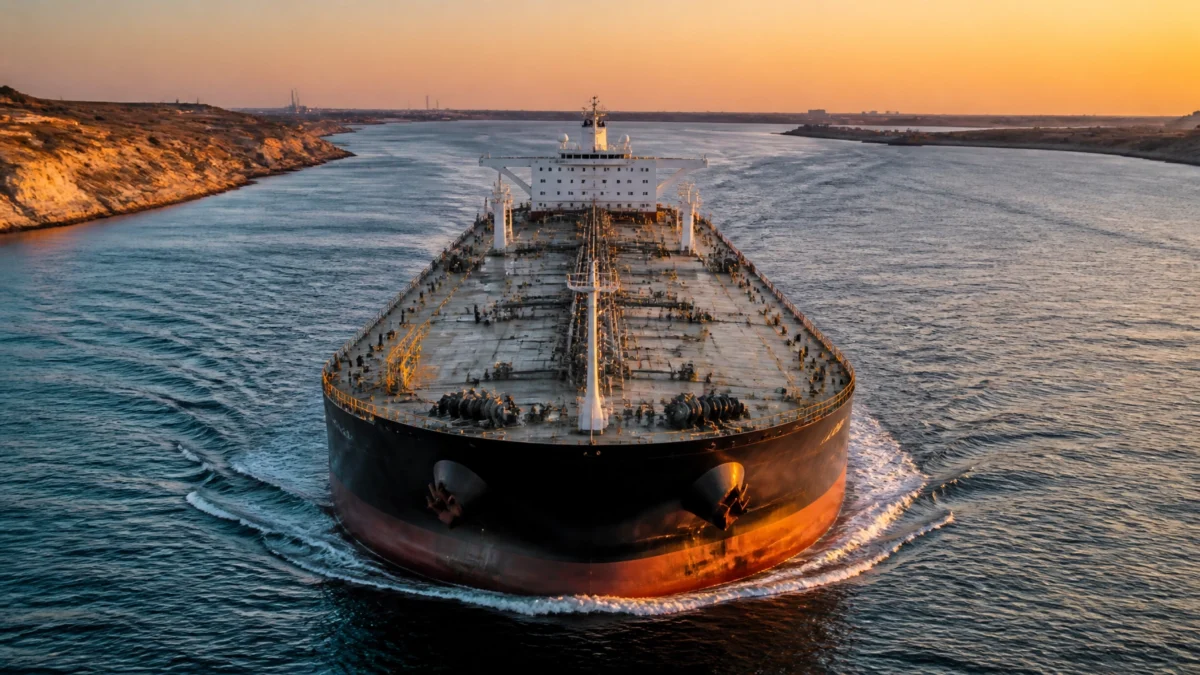
Restoring the flow of energy through the strait is not as simple as flipping a switch. According to recent data from the Department of Energy and maritime tracking services, an estimated 15 to 16 million barrels of crude and refined products were effectively stranded during the height of the crisis. The sheer logistical backlog means that while the Strait of Hormuz reopening has officially commenced, it will likely take several months for physical supply chains to return to a state of normalcy. Tankers that have been sitting idle in the Persian Gulf for over ninety days must now be integrated back into global shipping schedules, a process that requires careful coordination with port authorities and refiners in Asia and Europe.

Industry experts note that the 60-day window is specifically designed to test the viability of a toll-free corridor. Historically, the strait carries approximately 20 to 25 percent of the world’s maritime oil trade, and any disruption has immediate ripple effects on the world trade concerns as shipping slows in other regions like the Red Sea. The technical agreement stipulates that Iran will manage the maritime arrangements within its territorial waters while the U.S. and its partners maintain a respectful distance, a compromise aimed at de-escalating the risk of direct military confrontation. However, insurance providers remain cautious, with many maintaining high war-risk premiums until a longer track record of safe passage is established.
Global oil market trends after the deal
The immediate reaction from the financial markets was swift and significant. Upon the announcement of the 60-day technical window, Brent crude prices dropped by nearly 5 percent, settling in the low $83 per barrel range. WTI followed suit, falling to approximately $80 per barrel as the war-risk premium began to unwind. This downward pressure on prices reflects a shift in market sentiment from acute panic to cautious optimism. Analysts from various energy institutions suggest that if the Strait of Hormuz reopening remains uninterrupted, we could see a continued normalization of prices toward pre-war levels, though the persistent 60-day deadline creates a natural floor for volatility.
- Brent Crude: $83.20 (Decrease of 4.8%)
- WTI Crude: $79.85 (Decrease of 5.1%)
- Global Equity Indices: 1–3% Intraday Increase
- Stranded Volume: 15.5 Million Barrels Per Day
While the headlines are focused on the drop in crude prices, the impact on the liquefied natural gas market is equally vital. The Strait is the primary exit point for a massive portion of the world’s LNG supply, and the recent LNG terminal pollution violations and regulatory hurdles in the U.S. have already placed global gas markets under strain. The reopening of the corridor provides much-needed relief to importers in East Asia who have been forced to draw down their inventories to critical levels. The stabilization of these flows is essential for maintaining global power grid reliability, especially as the demand for energy continues to climb alongside the rapid expansion of AI-driven infrastructure.

Security implications and the Strait of Hormuz reopening
Security remains the primary variable in this fragile equation. The U.S. naval mission known as Project Freedom continues to play a background role in ensuring the stability of the corridor. While the current framework calls for a reduction in military visibility, the presence of guided-missile destroyers and multi-domain unmanned platforms provides an implicit guarantee to the commercial sector. The Department of Energy has indicated that the successful implementation of the Strait of Hormuz reopening depends heavily on all parties adhering to the 14-point memorandum of understanding. Any perceived breach of the ceasefire could lead to an immediate re-inflation of the risk premium, potentially sending prices back above the triple-digit mark.
The complexity of these security arrangements is a reminder of the strategic importance of domestic energy production. As noted by Robert Rapier and other industry experts, the ability of the United States to act as a swing producer is often hindered by regulatory shifts and infrastructure bottlenecks. The White House and the Department of the Interior are currently navigating a difficult path between maintaining U.S. uranium production goals and ensuring that the fossil fuel sector has the necessary permits to sustain output during international crises. The 60-day window in the Middle East provides a temporary cushion, but it does not resolve the long-term need for a diversified and resilient energy strategy.

As we move toward the formal signing ceremony scheduled for later this week in Switzerland, the focus remains on the implementation details. The global energy economy is currently in a state of high-stakes transition, where geopolitical developments in the Strait of Hormuz are as influential as technological breakthroughs in the Permian Basin. For now, the flowing of oil through the strait is a positive sign, but in an industry defined by uncertainty, 60 days is a lifetime. The task for energy professionals and policy makers alike is to use this window of stability to prepare for whatever comes after the clock runs out.
Keep In Touch with Shale Magazine
As the new era of energy unfolds, you can bet we’ll be the boots on the ground to keep you informed. Subscribe to Shale Magazine for sharp insight into the arenas that matter most to your life. And don’t forget to listen to our riveting podcast, The Energy Mixx Radio Show, where our very own Kym Bolado interviews the most extraordinary thought leaders, business innovators, and industry experts of our time.
Subscribe to get more posts from Amanda Jenkins