



For decades, the American nuclear industry has been running a high-tech race on a track built in the middle of the last century. Since 1956, the primary framework for licensing nuclear reactors has been rooted in the assumptions of large-scale light-water reactors. While those regulations served the industry through the first wave of nuclear deployment, they became a bottleneck for the innovators of the 21st century. That changed in March 2026. The Nuclear Regulatory Commission (NRC) has officially finalized 10 CFR Part 53, marking the most significant regulatory shift in nuclear power in seventy years.
This move is not just a bureaucratic update; it is a fundamental redesign of how the United States approves energy infrastructure. By moving away from prescriptive, one-size-fits-all rules and toward a technology-inclusive, risk-informed system, the NRC is clearing the path for a new generation of reactors. For developers of small modular reactors (SMRs) and non-light-water designs, the finalization of Part 53 means fewer exemptions, lower overhead, and a faster route to the grid.
Understanding the NRC Advanced Reactor Framework
The core problem with the legacy licensing pathways, known as Part 50 and Part 52, was their specificity. They were designed for the massive, water-cooled reactors that dominate the current fleet. If a company wanted to build a reactor cooled by molten salt, liquid metal, or high-temperature gas, they had to spend millions of dollars and thousands of man-hours just asking for exemptions from rules that did not apply to their technology. The NRC Advanced Reactor Framework solves this by establishing safety standards that are neutral regarding the specific technology used.
Under Part 53, the focus shifts from how a reactor is built to how it performs. Instead of requiring a specific type of containment structure or a specific number of redundant pumps, the new framework asks a simpler question: can the design demonstrate that it poses minimal risk to the public under any credible scenario? This performance-based approach allows engineers to use modern materials and passive safety features that were science fiction when the original rules were written.
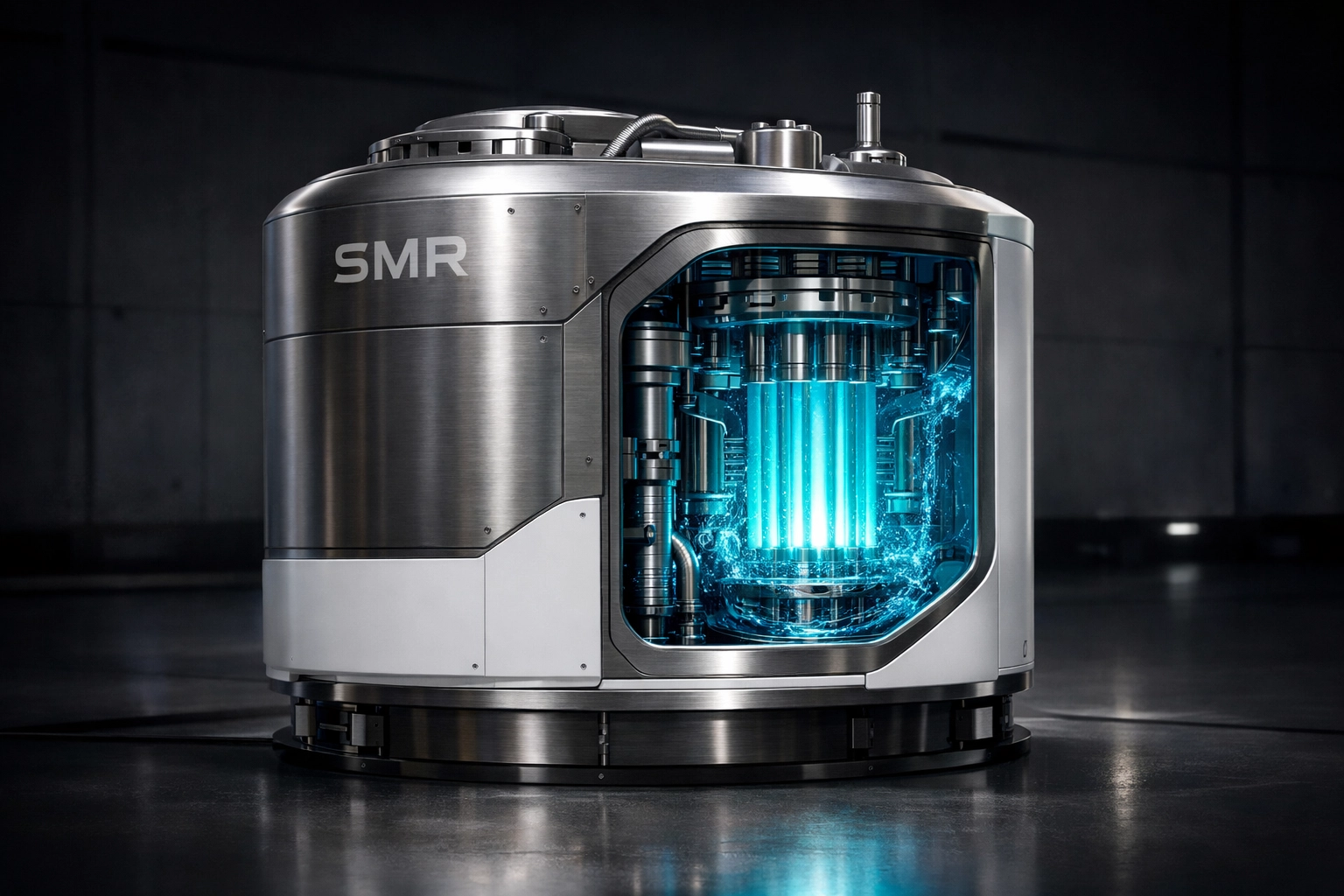
According to the NRC, this framework was finalized nearly two years ahead of the deadline mandated by the Nuclear Energy Innovation and Modernization Act (NEIMA). This rare instance of a federal agency beating a legislative deadline underscores the urgency felt within the Department of Energy and the White House to secure American leadership in nuclear exports. With global demand for carbon-free baseload power rising, the ability to license and export advanced designs is a matter of both economic competition and national security.
Efficiency Gains and Economic Impact of the NRC Advanced Reactor Framework
The most immediate impact of the new framework is on the balance sheets of energy startups and utility providers. Traditional licensing processes have been known to take upwards of five to seven years and cost hundreds of millions of dollars before a single shovel hits the ground. By streamlining the review process, the NRC Advanced Reactor Framework is expected to cut total licensing costs by an estimated 20 to 30 percent for first-of-a-kind deployments.
Efficiency in regulation translates directly to grid reliability. As we see more traditional coal and older natural gas plants reach retirement, the gap in baseload power must be filled. Advanced reactors are uniquely suited for this, but only if they can be deployed at scale and at a predictable price point. Part 53 introduces staged applications, allowing developers to get approval for specific portions of their design early in the process. This reduces the financial risk for investors who, in the past, were wary of the “all-or-nothing” nature of NRC approvals.
The economic ripple effect extends beyond the reactors themselves. A more predictable regulatory environment encourages domestic manufacturing of components. When a design is standardized under the new framework, that approval can be leveraged across multiple projects, creating a “plug-and-play” model for nuclear deployment. This mirrors the efficiencies found in the shale revolution, where standardized drilling and completion techniques drove down costs across the industry.
A Shift Toward Risk-Informed Performance in the NRC Advanced Reactor Framework
One of the more technical but vital aspects of Part 53 is the inclusion of probabilistic risk assessments (PRAs). In the old world, safety was often binary: you either met a prescriptive requirement or you did not. In the new NRC Advanced Reactor Framework, safety is viewed through a lens of probability and consequence. This allows for graded security and emergency planning requirements.
For instance, a small modular reactor with inherent safety features: meaning it can shut itself down without operator intervention or external power: should not be required to maintain the same massive exclusion zone or security force as a 1.2-gigawatt legacy plant. Part 53 acknowledges this reality. By tailoring requirements to the actual risk profile of the specific design, the NRC is allowing for “generally licensed” reactor operators in some cases, which could simplify the staffing and operational hurdles for remote or industrial-site applications.
This risk-informed approach also aligns with the goals of the ADVANCE Act, which sought to modernize the NRC’s mission to include the efficient use of the agency’s resources. By focusing on the most high-risk elements of a design and allowing standardized solutions for lower-risk components, the commission can process more applications without a proportional increase in headcount. This is critical as the queue for new reactor designs continues to grow.
Geopolitical Implications and Energy Security
While the NRC is a domestic regulator, the finalization of Part 53 has massive international implications. Currently, Russia and China lead the world in the export of nuclear technology, often using these long-term infrastructure projects to build decades of geopolitical leverage. By modernizing our own licensing framework, the United States is positioning itself to regain market share in the global nuclear trade.
Energy security is no longer just about having enough fuel; it is about having a diverse and resilient mix of generation technologies. The ability to deploy advanced nuclear reactors alongside wind, solar, and natural gas provides a stabilized grid that is less susceptible to price volatility in any single commodity market. The Secretary of Energy has frequently noted that nuclear power is the backbone of a reliable, low-carbon future. The NRC Advanced Reactor Framework provides the regulatory certainty needed to turn that vision into a physical reality.
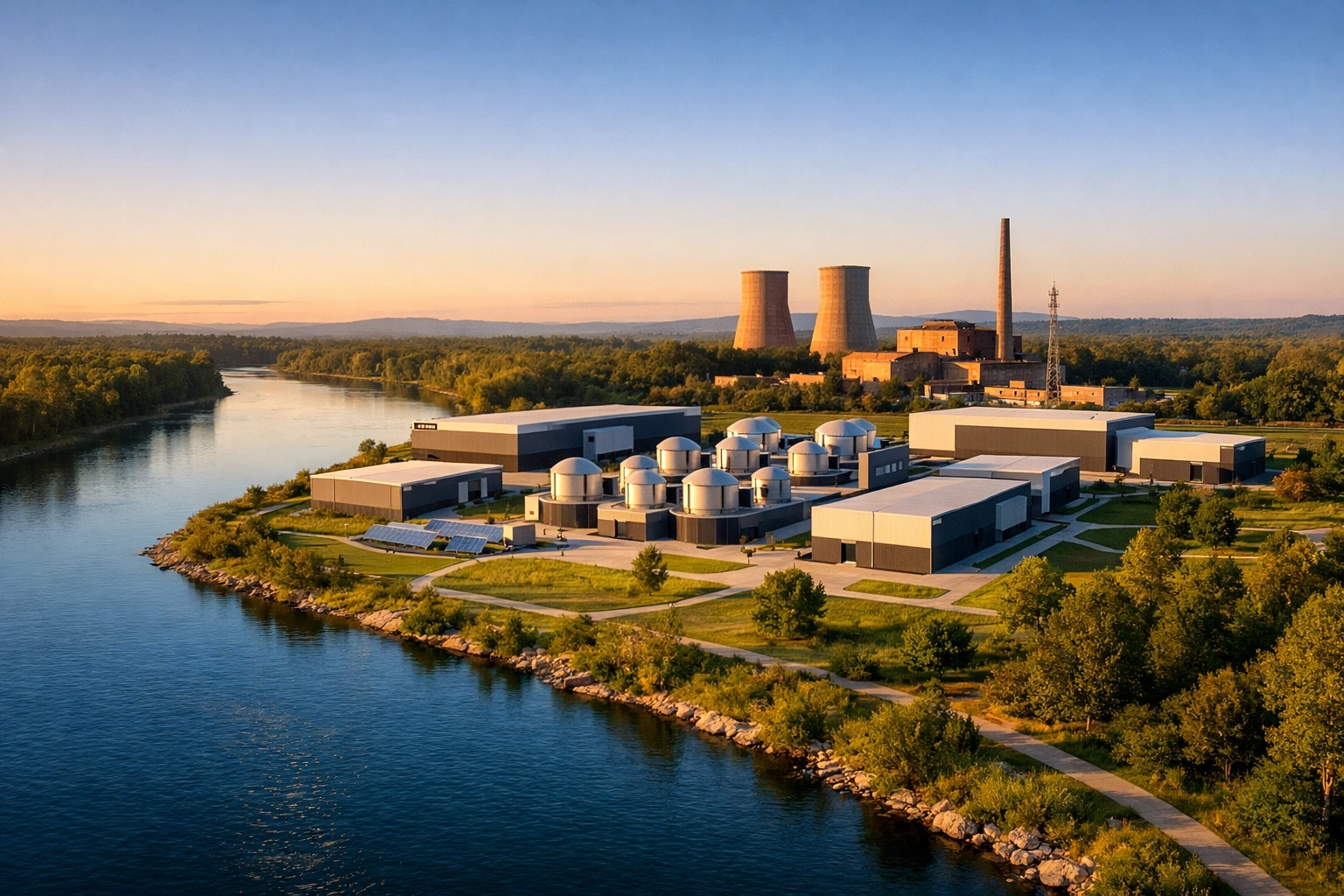
Furthermore, the framework facilitates the repurposing of existing energy infrastructure. Many of the advanced designs being licensed under Part 53 are specifically intended to replace coal boilers at existing power plants, utilizing the existing grid interconnections and cooling water infrastructure. This brownfield development strategy is perhaps the fastest way to add clean capacity to the American power pool while preserving local jobs and tax bases in traditional energy communities.
The Road Ahead for Nuclear Innovation
The finalization of Part 53 is a milestone, but it is not the end of the journey. The industry now faces the challenge of implementation. For the NRC, this means training staff to review applications under a entirely new set of rules while maintaining the rigorous safety standards the public expects. For developers, it means proving that their “risk-informed” designs actually hold up under the scrutiny of federal regulators.
The coming years will likely see a flurry of activity as companies that were waiting for this framework finally submit their formal applications. We are moving toward a period where the “modern atom” is no longer a concept found only in white papers but a tangible part of the American energy landscape. The streamlining of review times and the reduction of unnecessary regulatory burdens are the keys to unlocking the private capital necessary for this transition.
As we continue to monitor the updates from the Department of Energy and the White House regarding the rollout of these new standards, it is clear that the energy spectrum is shifting. The integration of advanced nuclear technology into the grid will require the same level of analytical rigor and operational excellence that characterized the expansion of the U.S. oil and gas sector.
The NRC has done its part by modernizing the rules of the game. Now, the ball is in the court of the innovators, investors, and engineers to build the next generation of American power. The NRC Advanced Reactor Framework is more than just a set of rules; it is an invitation to innovate, and for the first time in seventy years, the regulatory gate is wide open.