Federal AI infrastructure development has reached a pivotal milestone with the announcement of a massive new public-private partnership in South Carolina. On July 20, 2026, the National Nuclear Security Administration (NNSA) officially selected Amentum to enter into negotiations for a phased lease at the Savannah River Site (SRS). This ambitious project, known as the Savannah River Site Artificial Intelligence Infrastructure and Energy Generation Project, aims to combine high-density computing with a dedicated energy source, setting a new standard for how the United States approaches the intersection of national security, technological innovation, and energy reliability.
The proposal outlines the construction of a 1-gigawatt AI data center paired with approximately 2 gigawatts of on-site energy generation. This scale is unprecedented for a federal site and reflects the Department of Energy’s broader strategy to utilize underused federal land for critical infrastructure. By co-locating the data center with its own power source, the NNSA and its partners aim to secure the immense energy requirements of modern artificial intelligence without placing additional strain on the local electrical grid.
The Strategic Vision for Federal AI Infrastructure Development
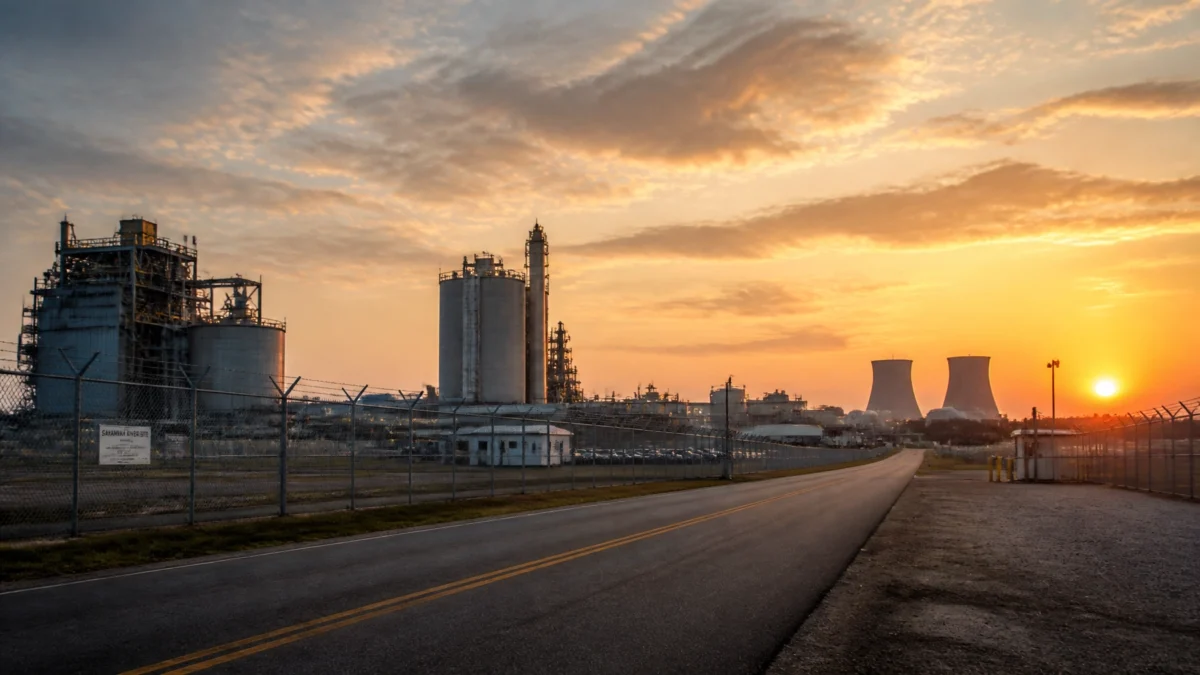
The selection of Amentum, a leader in nuclear and engineering services, alongside data center developer DC Blox, signals a sophisticated approach to federal asset management. According to NNSA Administrator Brandon Williams, this partnership is designed to move faster and apply more innovative technologies than traditional government-led procurement processes. The Savannah River Site, originally a nuclear weapons production facility during the Cold War, has spent decades focused on environmental cleanup and research through the Savannah River National Laboratory. This new project pivots the site back toward a leading role in national security by providing the computing power necessary for advanced modeling, simulation, and defense-related AI applications.
The initiative is part of a broader DOE program identified in April 2025, which surveyed 16 federal sites for potential data center development. Savannah River is among the first four sites selected to proceed with private-sector proposals. This move aligns with current policy frameworks established by the Trump administration energy policy actions, which emphasize the utilization of federal property for energy-intensive industrial projects to maintain American technological dominance.

Transitioning from Natural Gas to Advanced Nuclear Power
One of the most technically significant aspects of this project is its phased energy strategy. The initial phase of the 2-gigawatt on-site generation facility will utilize natural gas turbines. This allows for a relatively rapid build-out to meet immediate computing demands. However, the long-term roadmap involves a transition to advanced nuclear energy, likely in the form of small modular reactors (SMRs). This transition is critical for meeting long-term decarbonization goals while maintaining the high capacity factors required by AI workloads, which operate around the clock.
Advanced nuclear energy provides the baseload stability that intermittent renewables like solar and wind cannot yet provide at this scale without massive battery storage. By utilizing the existing nuclear expertise at the Savannah River Site, the project can leverage a workforce and regulatory environment already accustomed to nuclear safety protocols. This shift toward SMRs is a primary focus for the industry, as explored in recent analysis on small modular reactors and nuclear energy. The integration of nuclear power directly “behind the meter” for a data center represents a major shift in industrial energy design, reducing transmission losses and ensuring the data center remains operational even during regional grid outages.

Adhering to the Ratepayer Protection Pledge
A central policy pillar for this project is the Ratepayer Protection Pledge framework. This administrative requirement ensures that the massive energy needs of the 1-gigawatt AI data center do not result in higher costs for existing residential and commercial utility customers in South Carolina. In many traditional data center developments, the utility must build new generation and transmission infrastructure, the costs of which are often socialized across all ratepayers.
By mandating that the developer provides 2 gigawatts of dedicated on-site generation, the DOE is ensuring that the project is energy-neutral or even energy-positive for the regional grid. The surplus 1 gigawatt of power generated on-site: beyond what the data center requires: could potentially be sold back into the wholesale market, increasing overall grid reliability during periods of peak demand. This strategy reflects the priorities of US Secretary of Energy Chris Wright, who has consistently advocated for energy policies that prioritize affordability and reliability for American families while fostering industrial growth.
Economic and National Security Implications
The economic impact on the Aiken, South Carolina region is expected to be substantial. Beyond the construction phase, which will require thousands of skilled laborers, the operational phase will create high-paying jobs in cybersecurity, AI research, nuclear engineering, and facility management. Furthermore, the presence of such a massive computing hub is likely to attract ancillary tech businesses to the region, creating a “silicon forest” effect around the Savannah River complex.
From a security perspective, having a 1-gigawatt AI center located on a protected federal site provides a level of physical and data security that commercial data centers cannot match. As global competition in artificial intelligence intensifies, the NNSA’s ability to host sensitive workloads in a secure, energy-independent environment becomes a significant strategic advantage. The project remains subject to successful lease negotiations, environmental and safety reviews, and security evaluations. However, the selection of Amentum marks the beginning of a new chapter for the Savannah River Site, transforming a legacy nuclear facility into a cornerstone of future Federal AI infrastructure development.

Conclusion
The Savannah River project is more than just a real estate deal; it is a blueprint for the future of the American energy economy. By combining natural gas and advanced nuclear power with the world’s most advanced computing needs, the DOE and NNSA are demonstrating a pragmatic, data-driven approach to progress. This model of utilizing federal land to solve private-sector energy constraints while protecting the public interest through ratepayer pledges could soon be replicated across the 12 other sites identified in the DOE’s initial survey. For the energy industry, this marks a definitive shift toward integrated, co-located infrastructure that balances technological ambition with grid stability.
Keep In Touch with Shale Magazine
As the new era of energy unfolds, you can bet we’ll be the boots on the ground to keep you informed. Subscribe to Shale Magazine for sharp insight into the arenas that matter most to your life. And don’t forget to listen to our riveting podcast, The Energy Mixx Radio Show, where our very own Kym Bolado interviews the most extraordinary thought leaders, business innovators, and industry experts of our time.
Subscribe to get more posts from Amanda Jenkins