Conversational engineering and the digital twin
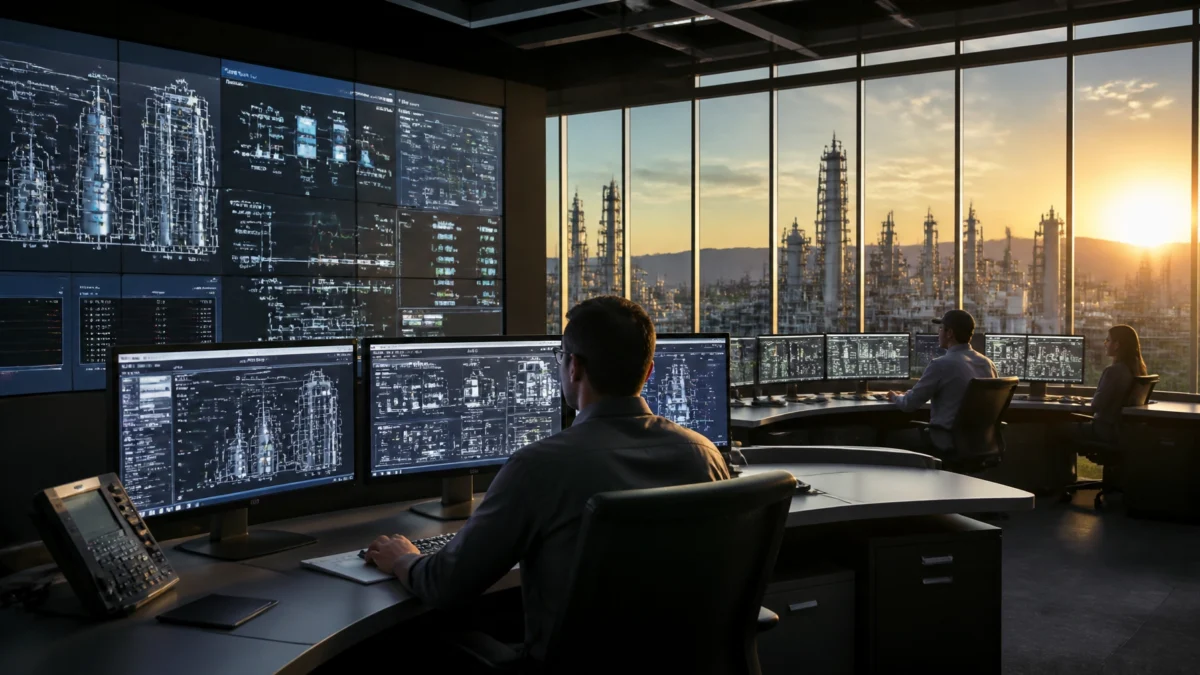
The evolution of legacy system industrial resilience is also being reshaped by how engineers interact with their systems. The concept of conversational engineering allows users to query control logic using natural language. Instead of manually sifting through thousands of lines of code to understand why a safety interlock triggered, an engineer can simply ask the system for a contextual explanation.
This capability extends into the design phase. AI agents can now translate intent: such as adding a new boiler unit: into structured engineering outputs across various artifacts like P&IDs and HMI displays. This model-driven execution replaces the fragmented, week-long workflows of the past with a streamlined engineering sandbox.

- Automated generation of control narratives and test scripts.
- Natural language querying for rapid process troubleshooting.
- Real-time translation of operational intent into technical configurations.
To ensure engineering rigor, these changes are not deployed blindly. All modifications can be validated within a digital twin environment. This allows for rigorous simulation and testing before any logic is pushed to the live process, maintaining the high safety standards required in the petrochemical and refining sectors.
Cybersecurity and continuous enterprise visibility
Resilience is not only about the logic inside the controllers; it is about the security perimeter surrounding them. The traditional model of periodic cybersecurity audits is increasingly insufficient in an environment of sophisticated global threats. At the Phoenix conference, the emphasis was on moving toward continuous enterprise visibility.
Platforms like Cyber Insights now provide real-time monitoring of a facility’s cybersecurity posture, ensuring adherence to international standards such as IEC 62443. This shift from reactive to proactive security is a core component of modern industrial resilience. By identifying vulnerabilities and assessing risk in real-time, operators can maintain the integrity of their systems without waiting for the next scheduled inspection.

Defining the future of legacy system industrial resilience
The integration of AI, digital twins, and structured migration paths represents a fundamental shift in the energy industry. We are moving away from a period where legacy systems were viewed as liabilities to be feared and toward a future where they are foundational assets to be modernized.
By leveraging platforms like Digital Prime and the Experion architecture, energy companies can ensure that their infrastructure is not only safe and reliable but also agile enough to adapt to future market demands. The ability to rescue and document decades of control logic ensures that the industry’s past expertise becomes the fuel for its future innovation.

Keep In Touch with Shale Magazine
As the new era of energy unfolds, you can bet we’ll be the boots on the ground to keep you informed. Subscribe to Shale Magazine for sharp insight into the arenas that matter most to your life. And don’t forget to listen to our riveting podcast, The Energy Mixx Radio Show, where our very own Kym Bolado interviews the most extraordinary thought leaders, business innovators, and industry experts of our time.