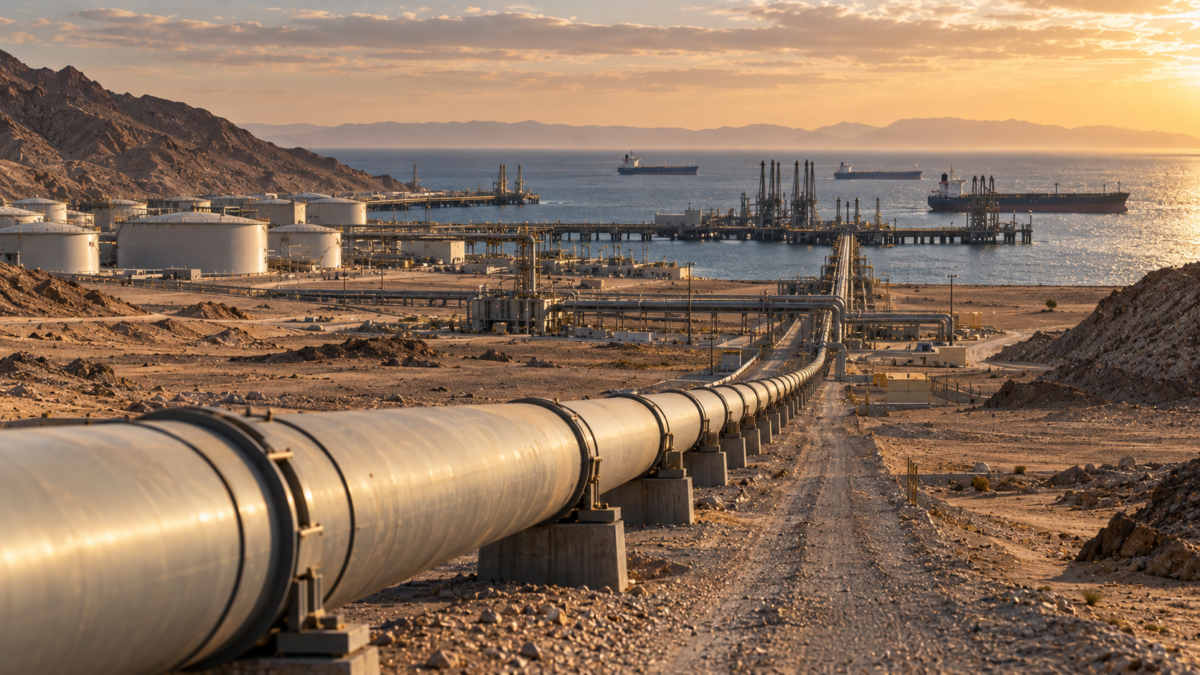
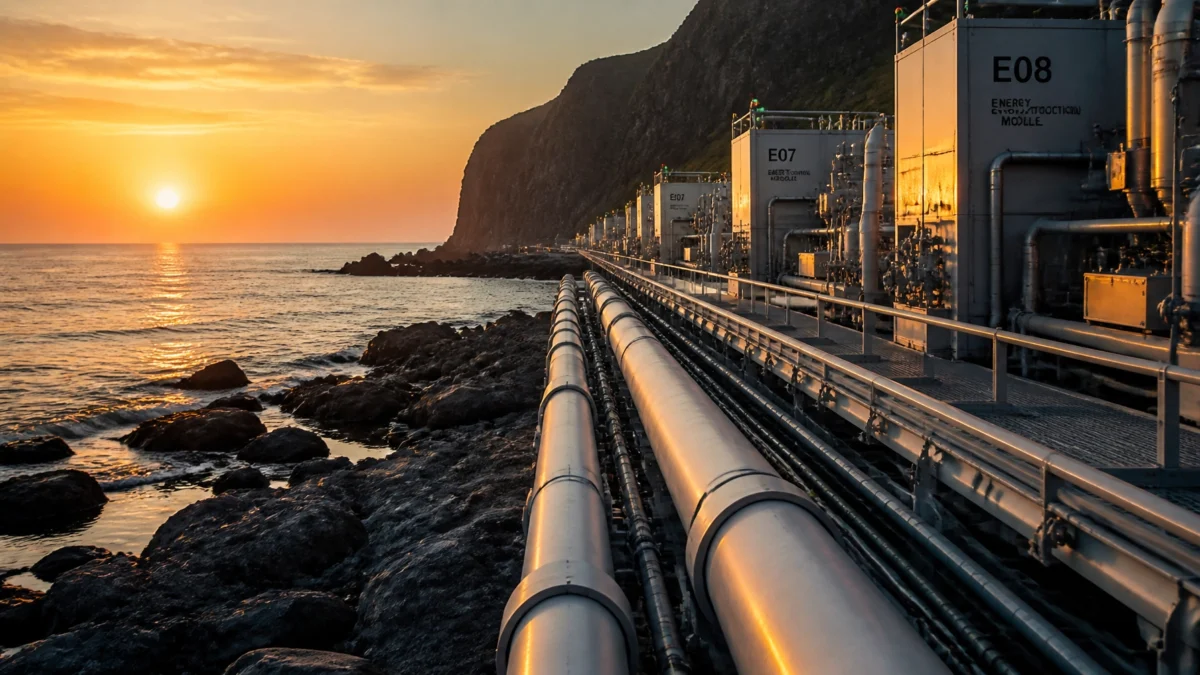
Domestic uranium fuel security represents a critical pillar of the American energy strategy as the nation moves toward a more resilient and independent power grid. On July 15, 2026, the U.S. Department of Energy (DOE) took a monumental step toward ensuring this independence by granting an exclusive commercial license to SuperCritical Materials, an Austin-based firm, to deploy a breakthrough technology capable of extracting uranium directly from seawater. This development follows years of research led by the Pacific Northwest National Laboratory (PNNL) and signifies a transition from laboratory-scale success to industrial-scale potential. As the global energy landscape faces increasing volatility, the ability to tap into the ocean’s vast resources could fundamentally reshape the economics and security of the nuclear fuel cycle.
Strengthening domestic uranium fuel security through seawater extraction
The technical foundation of this announcement rests on over a decade of research funded by the DOE’s Office of Nuclear Energy and the Nuclear Energy University Program (NEUP). For years, scientists at PNNL have refined the use of specialized adsorbent fibers designed to attract and hold dissolved uranium molecules found in seawater. While the concentration of uranium in the ocean is low: roughly 3.3 micrograms per liter: the sheer volume of the world’s oceans means there are an estimated 4 billion tons of uranium dissolved in the water. This is approximately 1,000 times the amount of uranium found in all known terrestrial reserves combined.
According to technical reports from PNNL, the extraction process involves deploying long braids of chemically treated acrylic fibers into the ocean. These fibers act as a molecular sponge, selectively capturing uranium while ignoring other elements. Once the fibers are saturated, they are brought to the surface, and the uranium is stripped away using a mild acid wash. The fibers can then be reused, while the recovered uranium is processed into yellowcake, the precursor for nuclear fuel. This method provides a clear pathway for strengthening domestic uranium fuel security by providing a source of raw material that is virtually inexhaustible and entirely within sovereign control.

Industrial scaling through the SuperCritical Materials license
The licensing agreement with SuperCritical Materials Corp. marks the first time this specific DOE-patented technology has been handed over for exclusive commercial deployment. SuperCritical Materials has secured the rights to manufacture the adsorbent fibers and deploy the extraction systems at an industrial scale. The company has indicated that its initial focus will be on deployment within the United States, followed by expansion to allied nations that are also seeking to bolster their own domestic uranium fuel security.
Strategic advantages of the SuperCritical Materials partnership include:
- Access to a proven manufacturing process for high-performance adsorbent fibers developed with over $20 million in federal funding.
- Operational flexibility to deploy extraction modules in various maritime environments, with enhanced performance noted in warmer waters such as the Gulf of Mexico.
- A projected production timeline that aims for commercial-scale uranium output by the early 2030s, aligning with the expected surge in demand for advanced nuclear reactors.
- Potential for cost-competitiveness with traditional land-based mining as manufacturing scales and fiber longevity increases.
By moving this technology out of the lab, the DOE is signaling that the era of speculative seawater extraction is ending and the era of industrial application is beginning. This transition is vital as the U.S. looks to reduce its reliance on foreign sources for the raw materials needed to power its nuclear fleet.

Strategic implications for the global domestic uranium fuel security landscape
The move toward seawater extraction comes at a time of significant transition for the American nuclear industry. Recent legislative and policy efforts have focused heavily on reviving domestic enrichment capabilities and securing the supply of High-Assay Low-Enriched Uranium (HALEU), which is required for many of the next-generation small modular reactors (SMRs) currently under development. As discussed in recent analysis on U.S. uranium enrichment expansion, the federal government is investing billions to re-establish a self-sufficient fuel cycle.
However, enrichment is only one part of the equation. Without a reliable supply of the raw uranium itself, the fuel cycle remains vulnerable to geopolitical disruptions. Historically, a significant portion of the uranium used in U.S. reactors has been imported from countries like Russia and Kazakhstan. By successfully commercializing seawater extraction, the U.S. can effectively insulate itself from these external pressures. This is a key component of the energy abundance roadmap, which prioritizes the diversification of energy sources to ensure long-term national security.
The broader implications for domestic uranium fuel security are profound:
- Elimination of geopolitical leverage: Access to an ocean-based supply makes it impossible for any single nation to use uranium exports as a tool of economic warfare.
- Environmental benefits: Seawater extraction avoids many of the environmental challenges associated with traditional mining, such as land disruption and groundwater contamination.
- Support for advanced reactors: A stable and inexhaustible uranium supply provides the certainty needed for utilities and investors to commit to long-term nuclear projects.
The path forward for American nuclear independence
As we look toward the 2030s, the success of the SuperCritical Materials license will be measured by its ability to scale production to millions of pounds of uranium annually. While technical hurdles remain: specifically regarding the durability of the adsorbent fibers and the overall cost per pound: the DOE’s decision to move to exclusive commercial licensing reflects a high level of confidence in the underlying science.
The integration of seawater extraction into the broader energy infrastructure will likely involve coastal hubs that can double as research and production centers. These facilities will serve as the front line of a new era in energy production, where the ocean serves not just as a medium for transport or a source of cooling, but as the very reservoir for the fuel that powers our cities. For professionals and policy makers in the energy sector, this move underscores the necessity of continued investment in home-grown technological solutions to global supply chain challenges.

The journey from a laboratory at PNNL to an industrial facility in Austin is more than just a business deal; it is a declaration of intent. The United States is choosing to lead the world in advanced nuclear technology, and that leadership starts with a secure and sovereign fuel supply. By unlocking the potential of the oceans, we are ensuring that the future of American energy remains bright, stable, and entirely under our own control.
Keep In Touch with Shale Magazine
As the new era of energy unfolds, you can bet we’ll be the boots on the ground to keep you informed. Subscribe to Shale Magazine for sharp insight into the arenas that matter most to your life. And don’t forget to listen to our riveting podcast, The Energy Mixx Radio Show, where our very own Kym Bolado interviews the most extraordinary thought leaders, business innovators, and industry experts of our time.
Subscribe to get more posts from Amanda Jenkins