A SHALE Exclusive By The Honorable James Campos
Former U.S. Department of Energy Official | Former Advisor under Governor Lumpkin | CEO, Red Post
I have reviewed the University of Houston’s 2025 North American Midstream Infrastructure Report, developed in collaboration with the Interstate Natural Gas Association of America (INGAA) and industry consultants.
The findings are not speculative. They represent a system-level modeling exercise under defined policy assumptions through 2052.
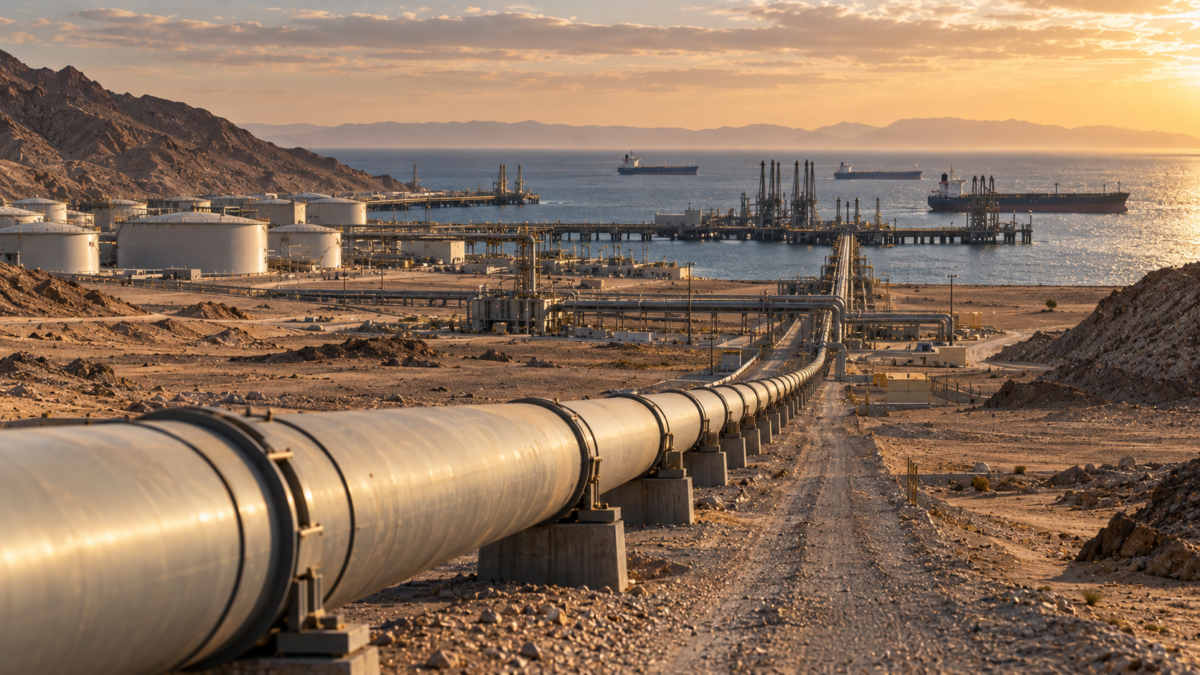
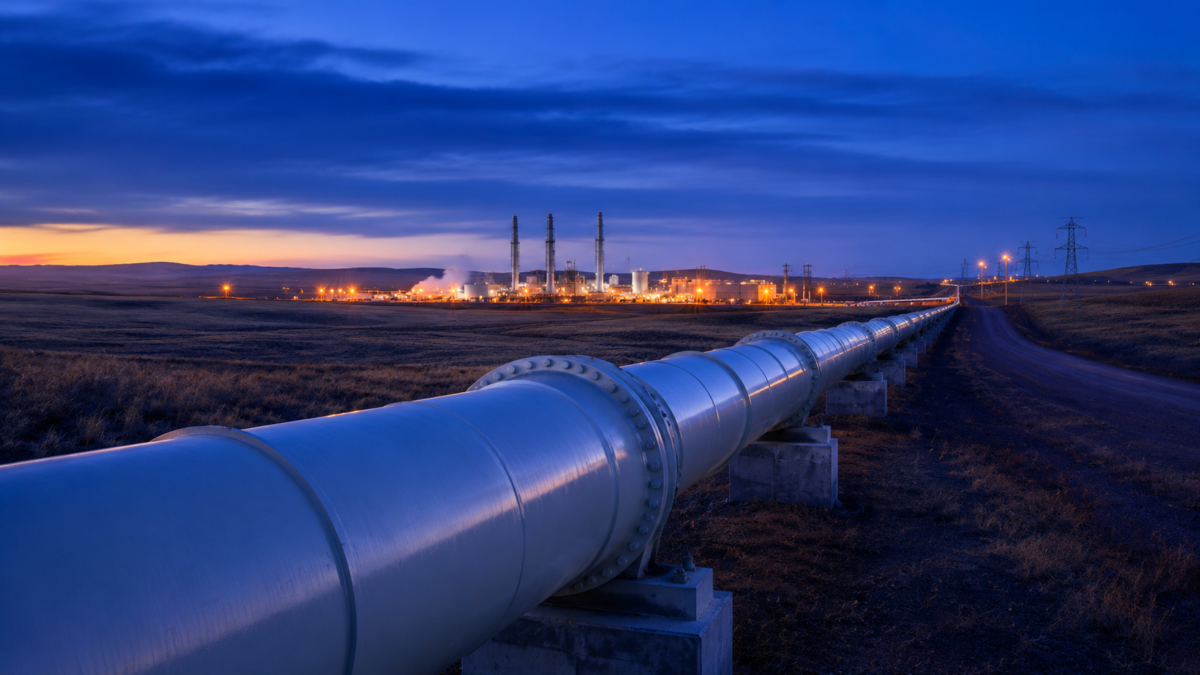
The report estimates more than $1 trillion in midstream infrastructure investment will be required across North America. This includes natural gas transmission and gathering systems, liquids infrastructure, hydrogen-capable pipelines, and carbon dioxide transport networks.
From my experience at the Department of Energy and in state-level advisory roles, the significance of this report is not limited to scale. It is the convergence of multiple demand drivers occurring simultaneously within the same infrastructure system.
Three structural forces stand out:
First, electricity demand growth is increasingly driven by data infrastructure. AI computing loads and hyperscale data centers are introducing sustained baseload requirements that were not present in prior planning models.
Second, LNG export growth continues to anchor long-term natural gas throughput requirements, placing structural pressure on interstate transmission capacity.
Third, emerging hydrogen and carbon management systems are adding parallel infrastructure requirements rather than replacing existing networks.
The report’s projection of tens of thousands of miles in additional pipeline infrastructure underscores a constraint that is no longer resource-based. It is execution-based—permitting timelines, capital formation speed, and construction capacity.
Equally important is the workforce dimension. The projected job creation levels indicate that labor availability will become a binding constraint alongside infrastructure financing.
What this analysis ultimately highlights is a structural gap between modeled demand and delivered infrastructure. That gap will determine North America’s energy competitiveness over the next three decades.
The University of Houston report provides the analytical foundation for this outlook.
Full report available here.

About the Author:
Hon. James E. Campos – Former Deputy Secretary of Commerce and Trade / Energy for the Commonwealth of Virginia, Former Assistant Secretary/Director for the U.S. DOE. Mr. Campos has served in both the public and private sectors, working in industries such as energy, publishing, telecommunications, state & federal government, strategic business consulting, political consulting, as well as being a small business owner and an adjunct business professor. In April 2018, Mr. Campos was confirmed by the United States Senate by a vote of 96-2 as an Assistant Secretary of the U.S. Department of Energy also serving on 5 White House Committees.
Since January 4, 2023 until January 16, 2026, James served as a cabinet Deputy Secretary of Commerce and Trade in the Glenn Youngkin administration, with a portfolio focusing on energy development, innovation and rural Virginia. James also served as the Executive Director of the Tobacco Region Revitalization Commission, which works to develop a diverse economy in Southern and Southwest Virginia.
Keep In Touch with Shale Magazine
As the new era of energy unfolds, you can bet we’ll be the boots on the ground to keep you informed. Subscribe to Shale Magazine for sharp insight into the arenas that matter most to your life. And don’t forget to listen to our riveting podcast, The Energy Mixx Radio Show, where our very own Kym Bolado interviews the most extraordinary thought leaders, business innovators, and industry experts of our time.